SAVA Mozambique Research Trip
SAVA Mozambique Research Trip
September – October 2026
Maja Fowkes
Reuben Fowkes
Sorcha Thomson
Makar Tereshin
Sammy Baloji
Natalia Pavlovicova
SAVA Mozambique Research Trip
September – October 2026
Maja Fowkes
Reuben Fowkes
Sorcha Thomson
Makar Tereshin
Sammy Baloji
Natalia Pavlovicova
The fourth SAVA Research Trip to Mozambique took place in autumn 2026. Visiting Maputo, Mozambique’s capital, where colonial and post-independence histories of socialism intertwine, provided us with a great learning environment. Through insightful conversations with local artists, curators, and researchers, we developed a more nuanced understanding of the Socialist Anthropocene within the local context.
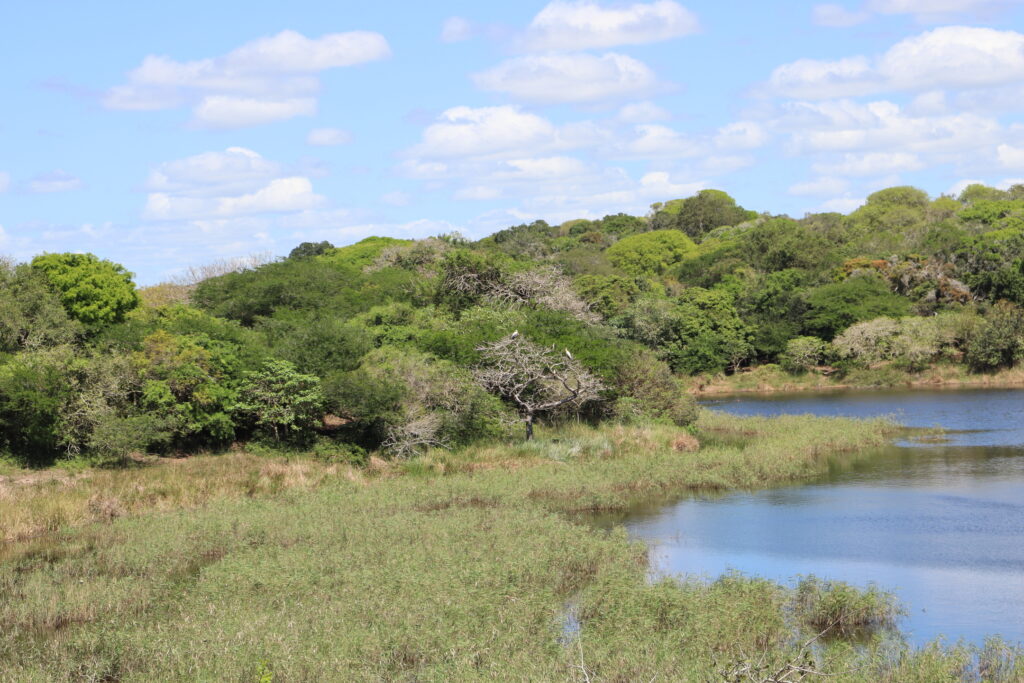
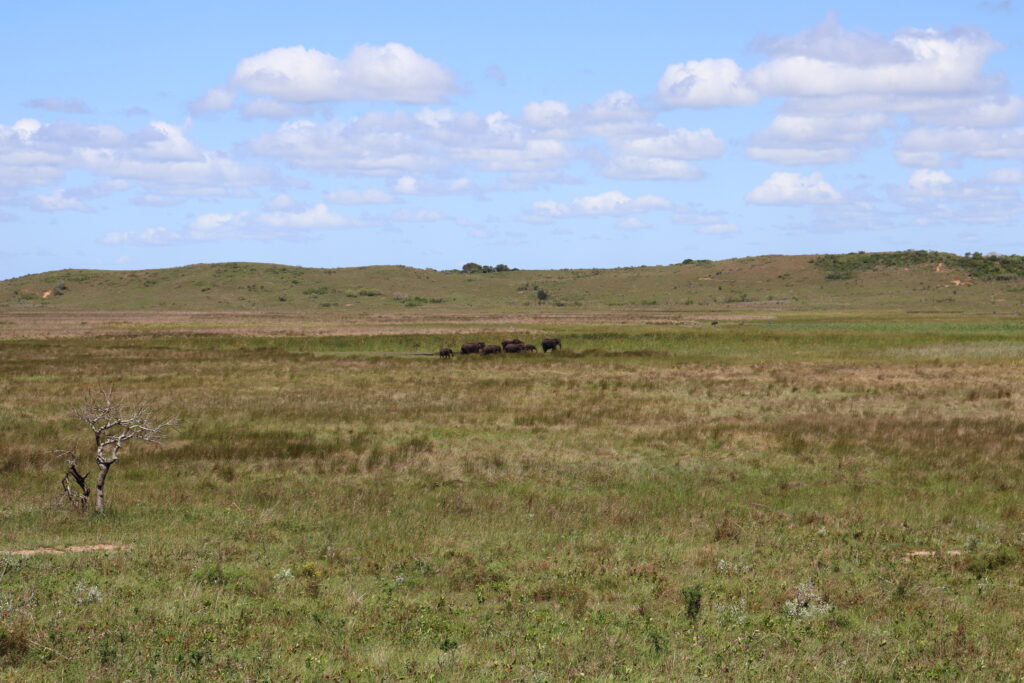
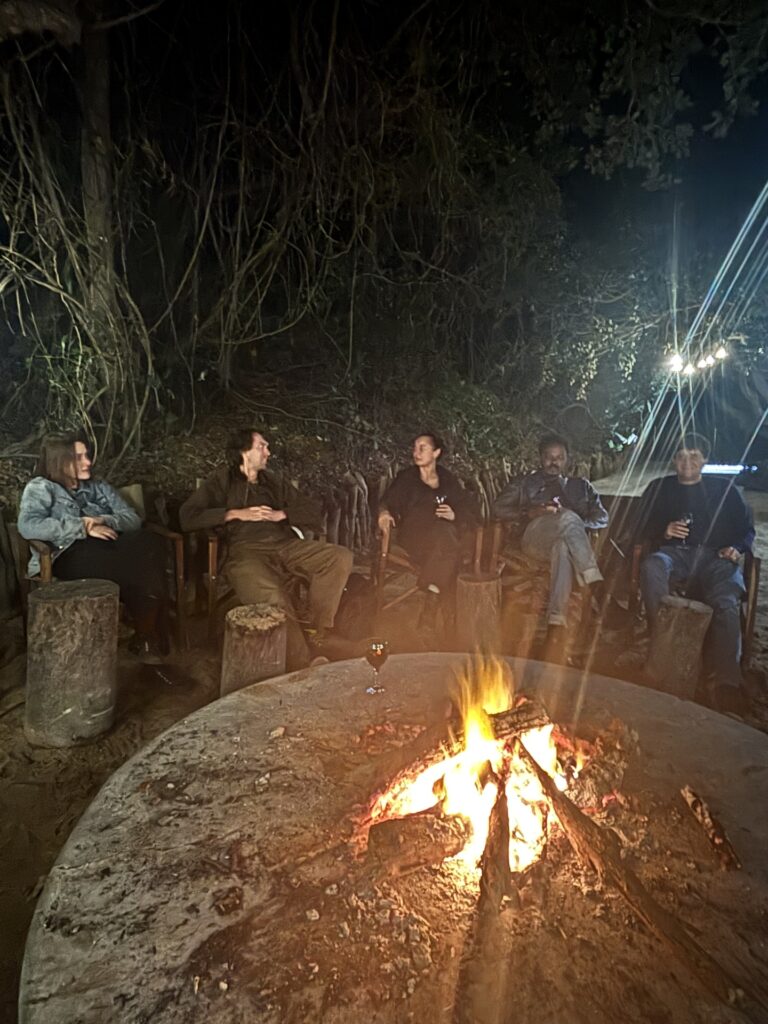
In Maputo National Park, where we spent our final days, we had the chance to experience Mozambique’s diverse ecosystems firsthand, reflect on the legacies of socialist environmentalism and the hopefulness of rewilding, and imagine future solidarities and paths for reconnecting with nature.
Day One
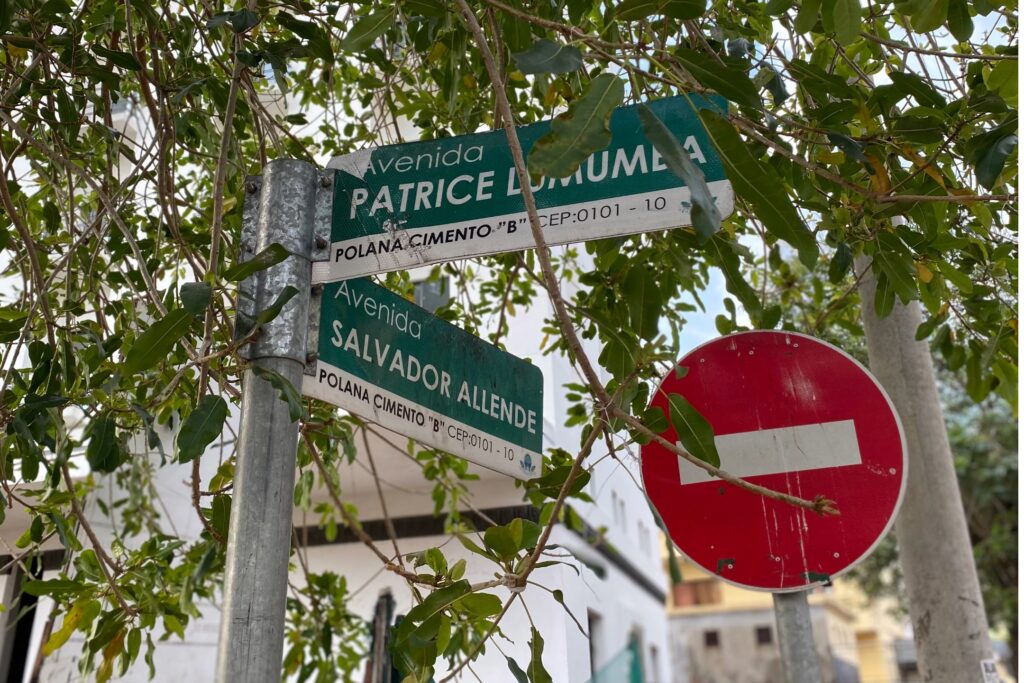
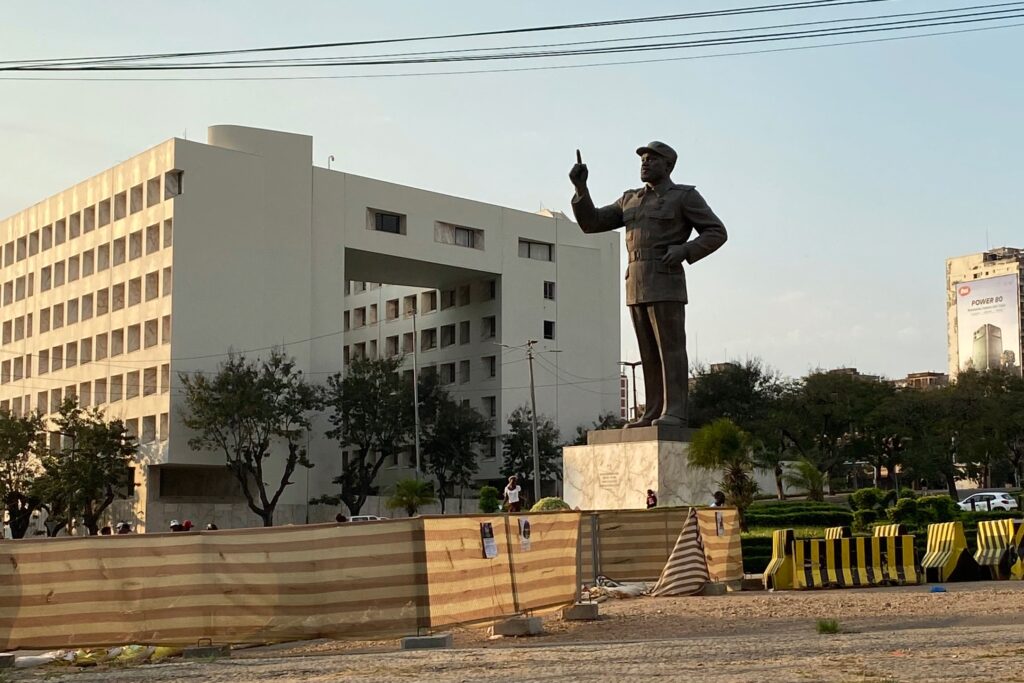
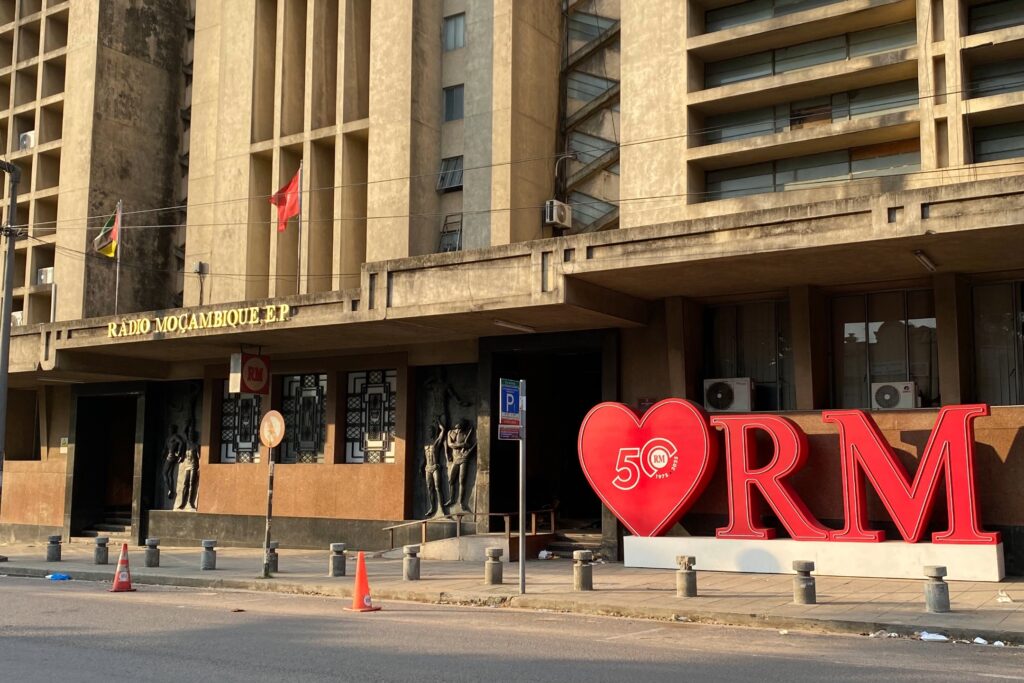
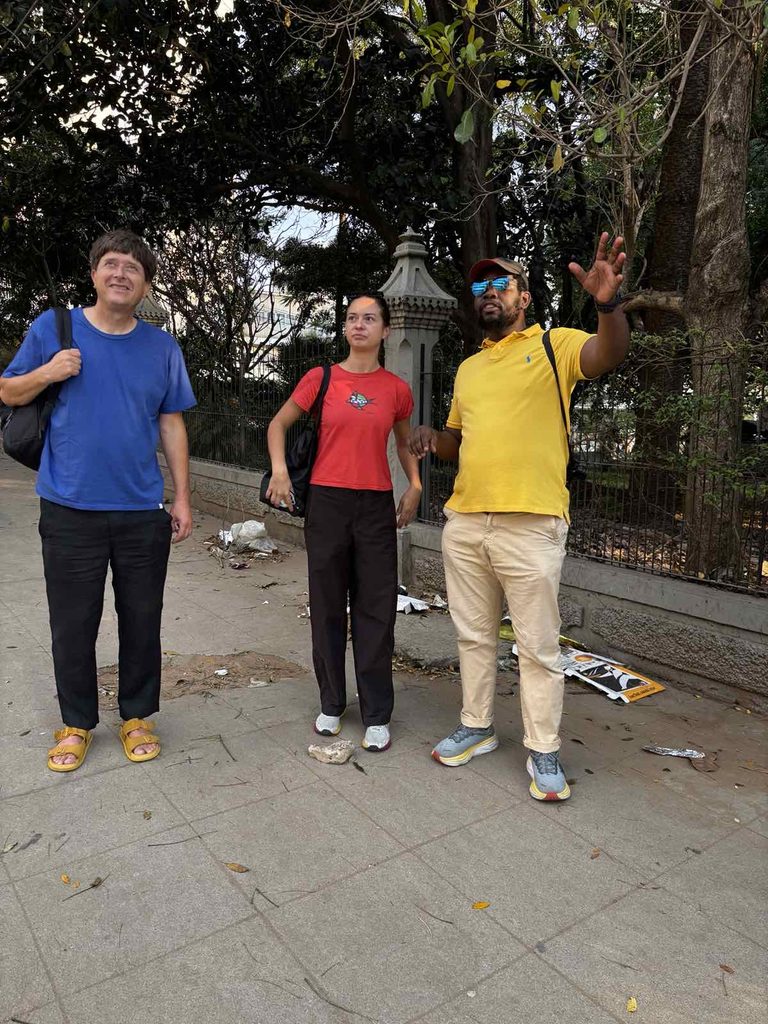
Our first afternoon in Mozambique started with a city tour led by photographer Amilton Neves Cuna, focusing on Maputo’s sites tied to Mozambique’s fight for independence and socialist revolutionary years. Highlights included Radio Mozambique, the voice of FRELIMO (The Liberation Front of Mozambique) that broadcasted messages of national unity and socialist programming, as well as the monument to Samora Machel, the socialist revolutionary, FRELIMO leader, and Mozambique’s first president following the country’s independence in 1975.
Day Two
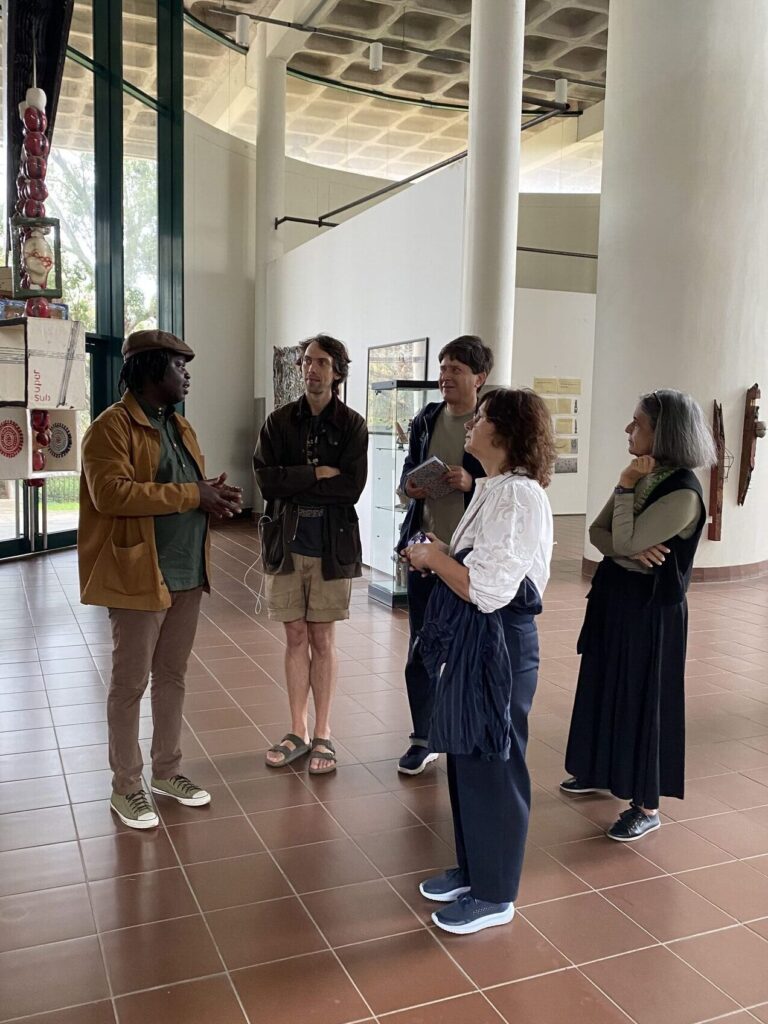
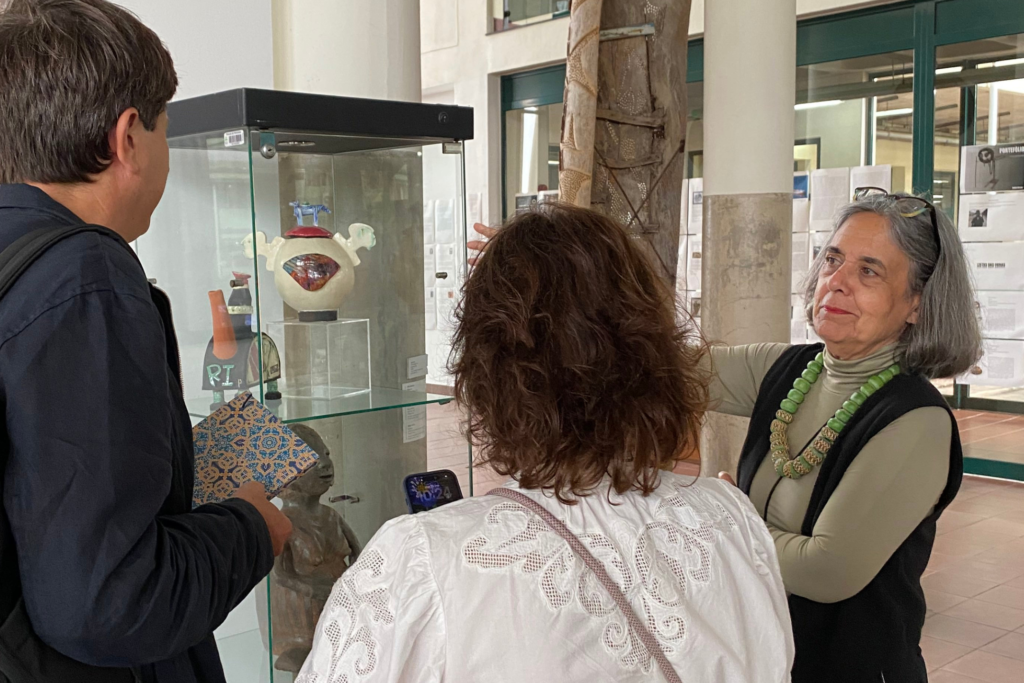
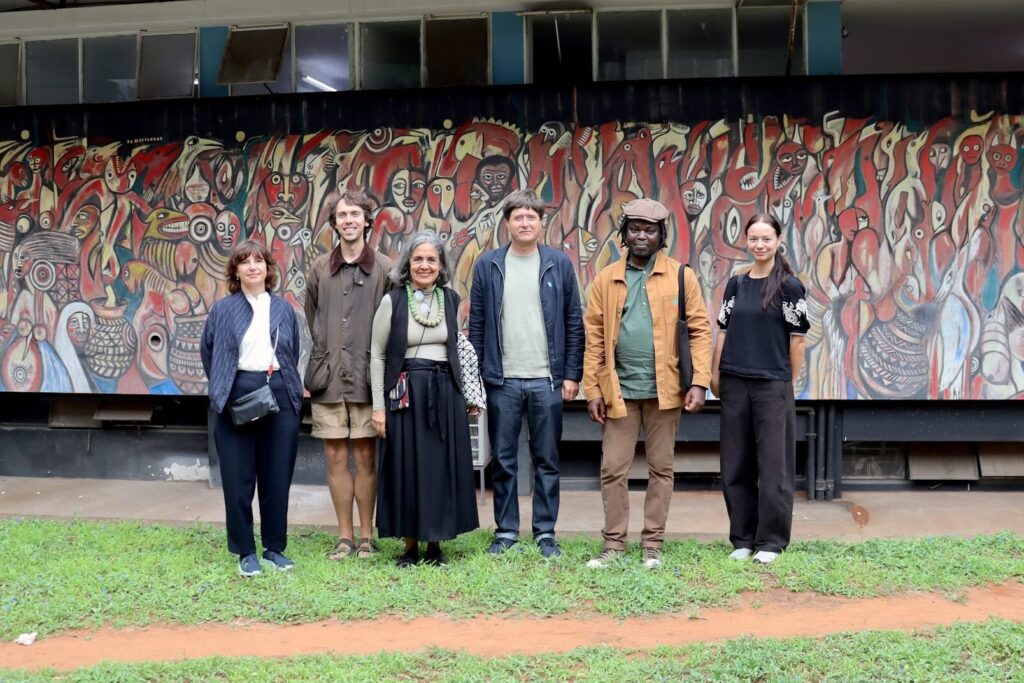
On the second day, we visited the Art Gallery at the University of Eduardo Mondlane and were introduced to its collection by art historian Alda Costa and curator Rafael Mounzinho. They provided an excellent art-historical overview of Mozambique’s revolutionary and early post-independence years, highlighting how art played a vital role in building national identity and fostering international exchange.
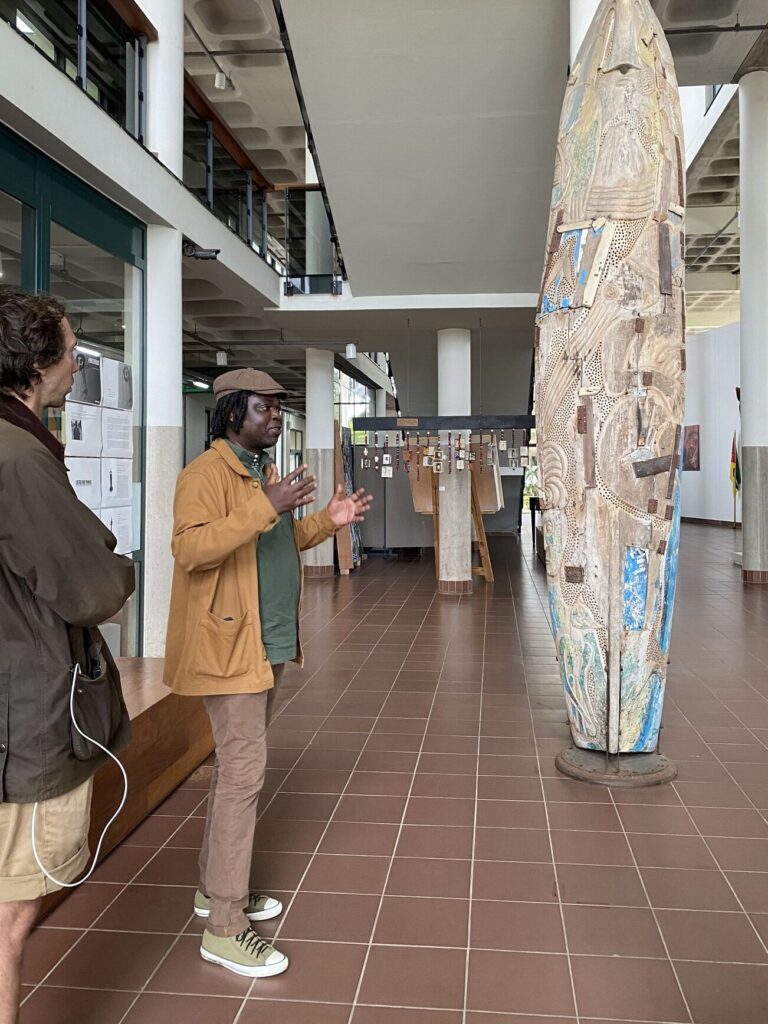
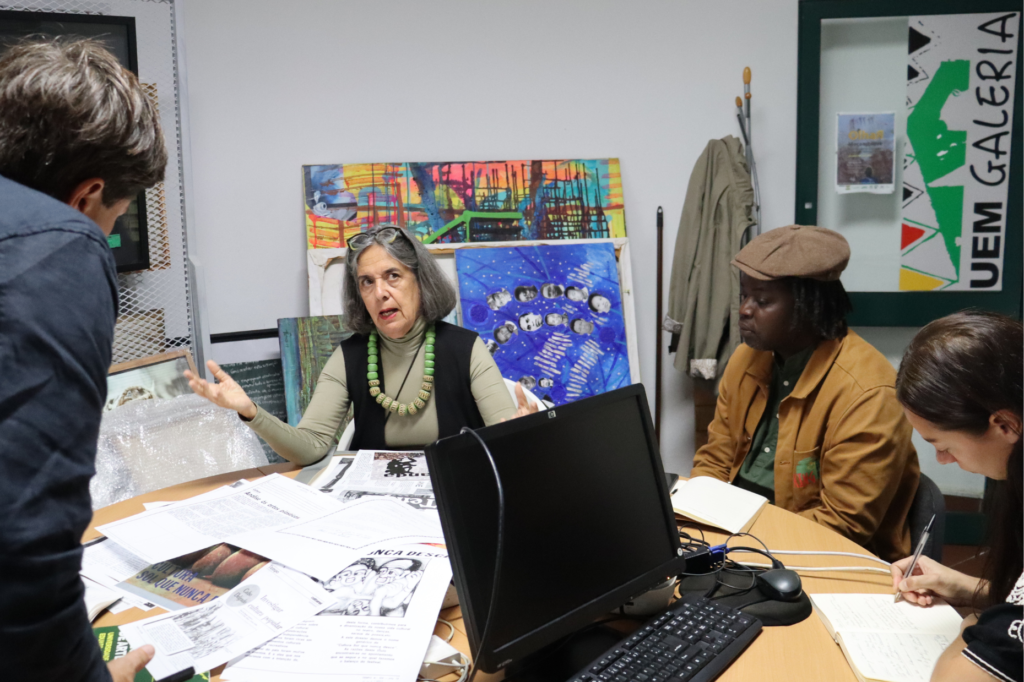
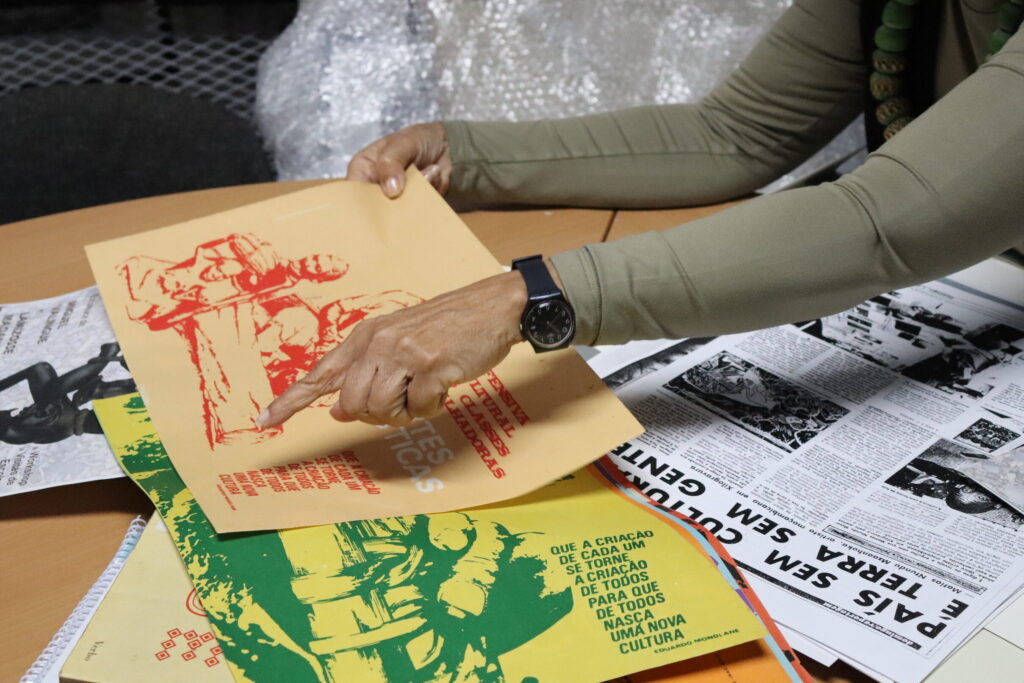
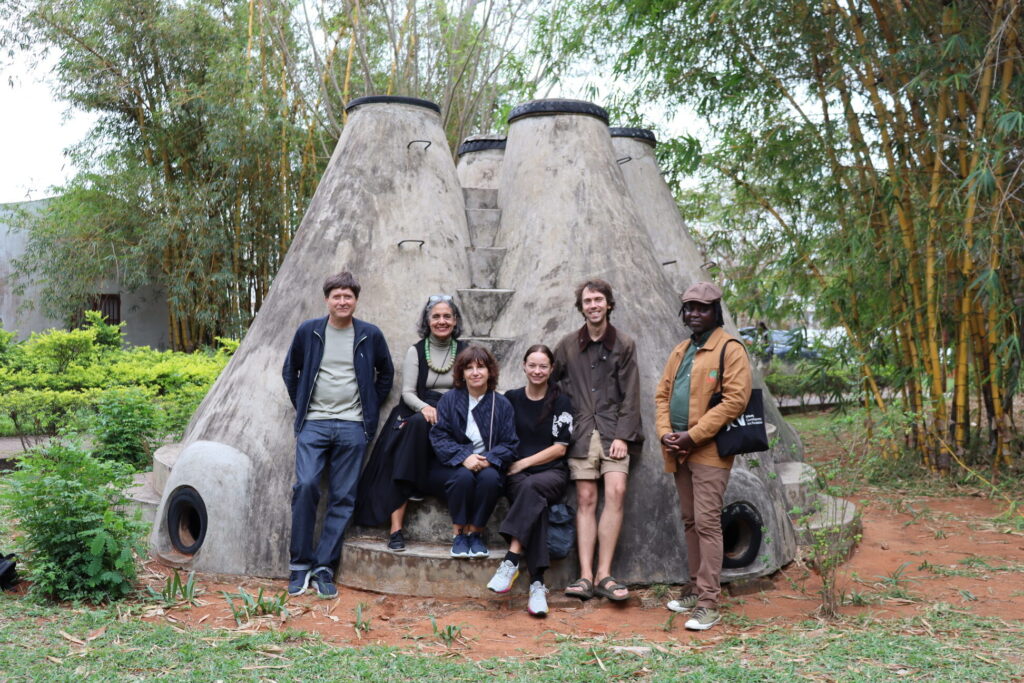
While visiting Eduardo Mondlane University, we could not miss the architectural remnants of the TBARN Study Centre (Técnicas Básicas de Aproveitamento de Recursos Naturais / Basic Techniques for Harnessing Natural Resources). Formed in the early years of the post-independence revolution, TBARN was a pioneering research group that ran an outdoor agricultural learning laboratory dedicated to improving farming production and rural livelihoods with minimal resources.
We also explored the university’s main library and in it the memorial room dedicated to Eduardo Mondlane – the founding president of FRELIMO (The Liberation Front of Mozambique), an anthropologist, and socialist visionary leader laying the crucial intellectual and political groundwork for Mozambique’s revolution.
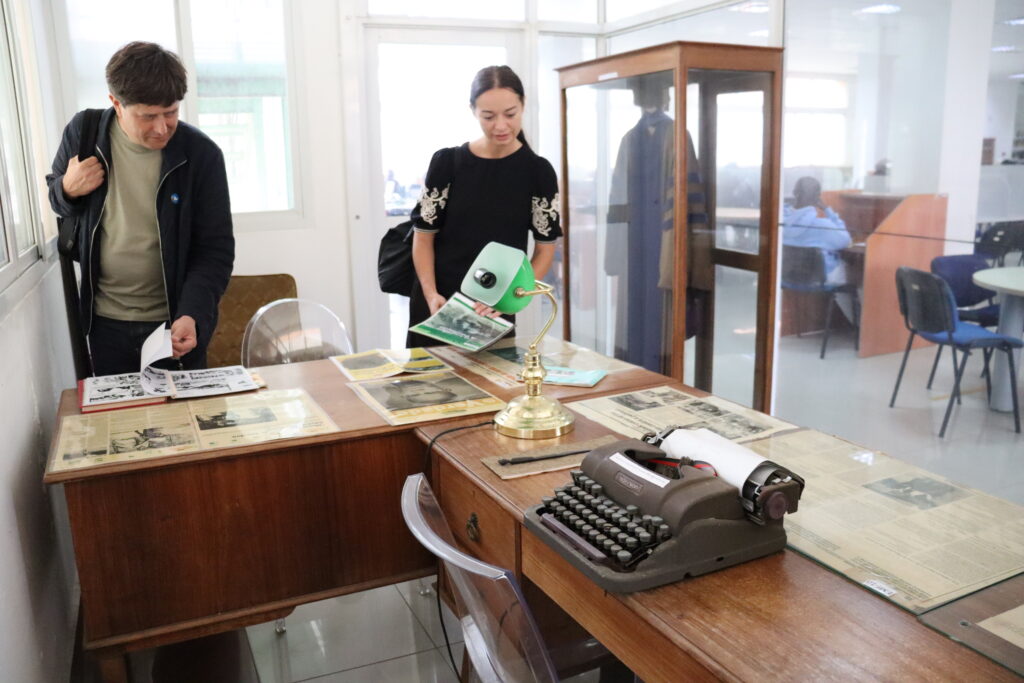
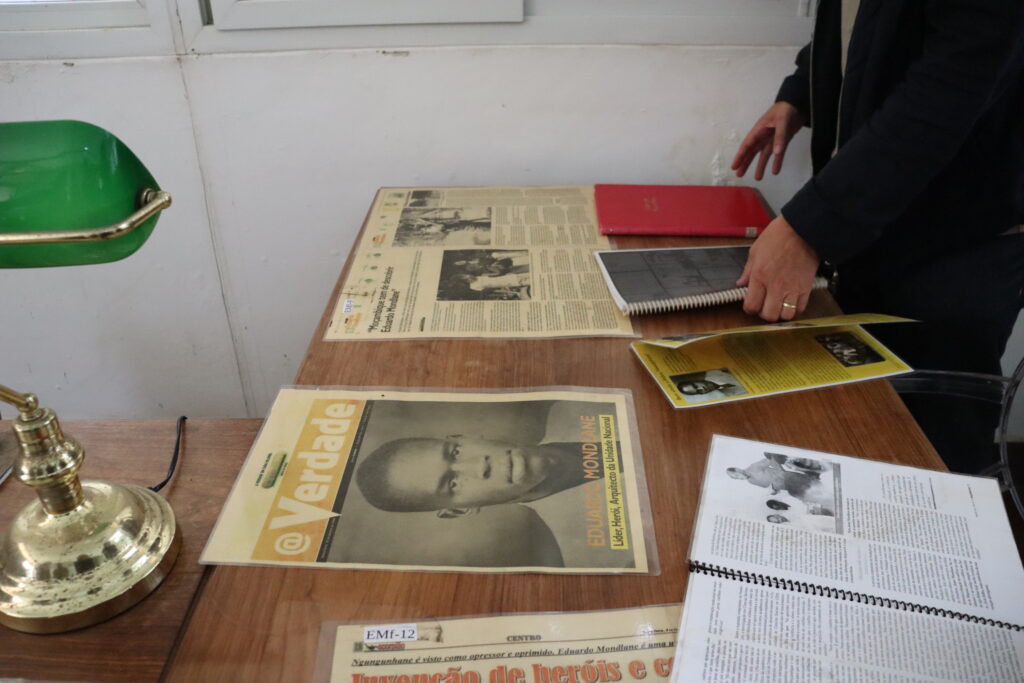
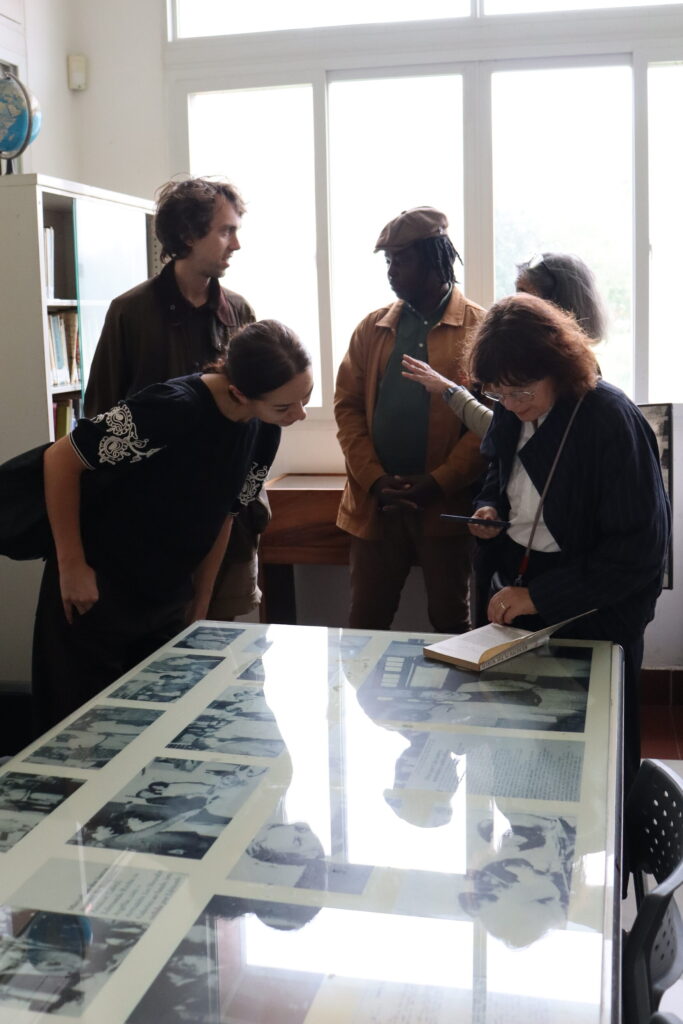
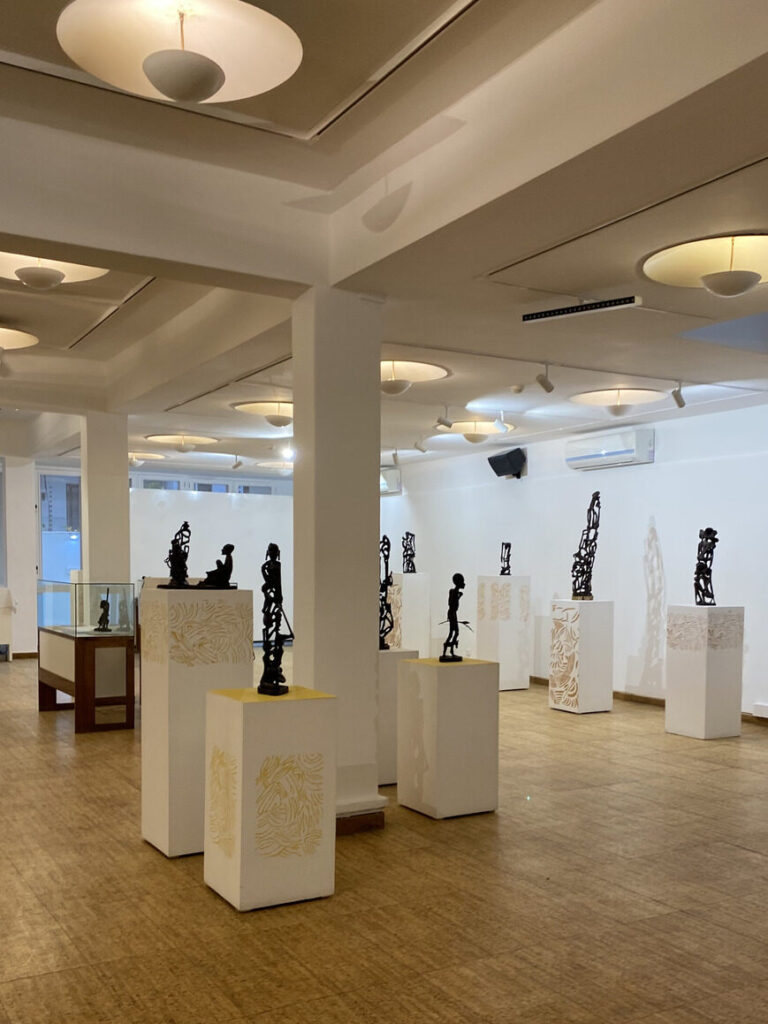
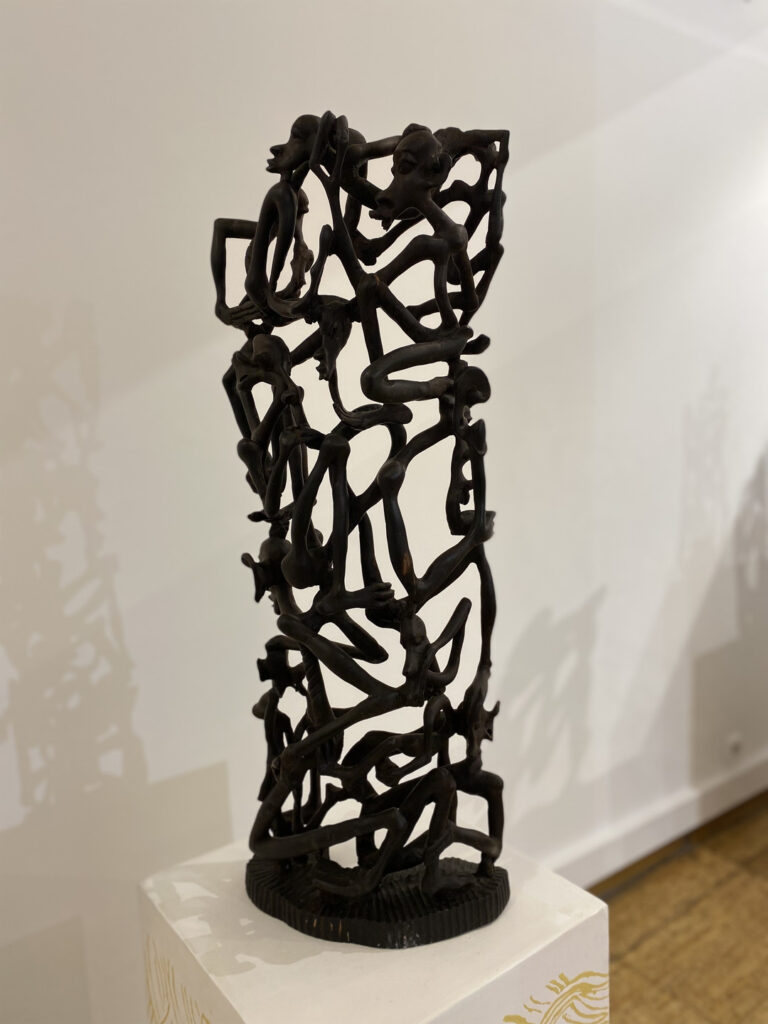
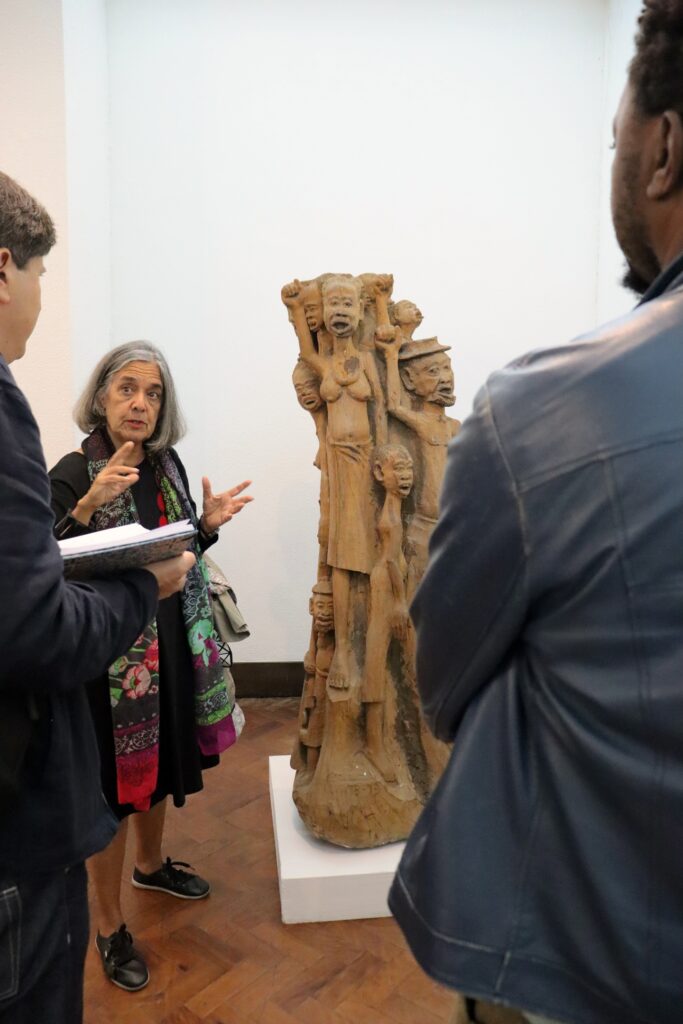
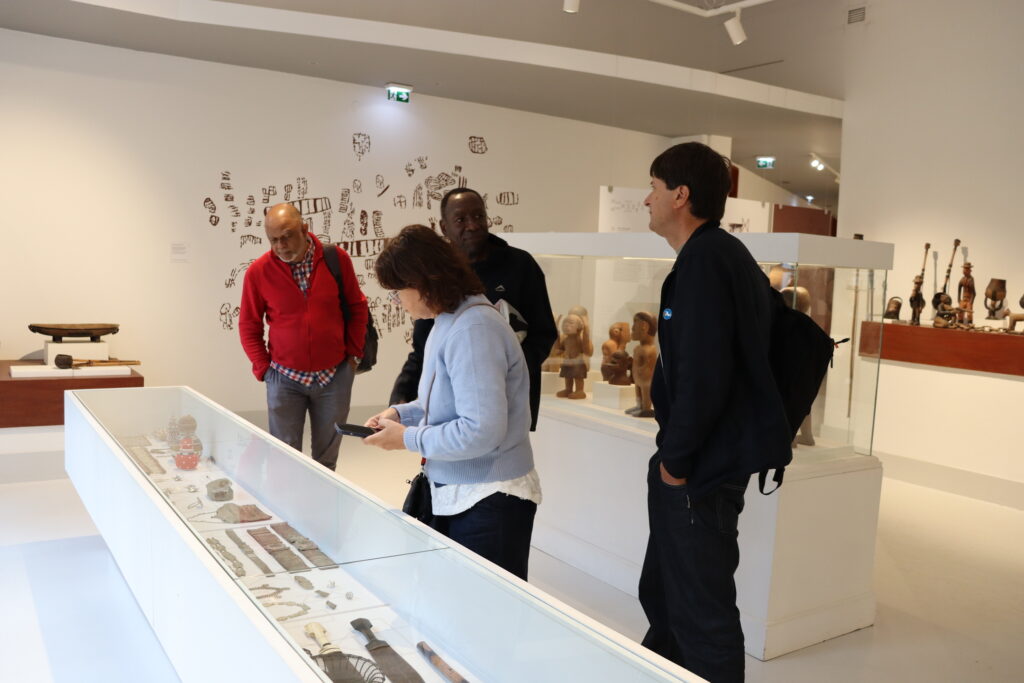
Later in the afternoon, we headed to the Camões – Portuguese Cultural Centre to see an exhibition of traditional Ujamaa-inspired wood carvings. Created through collective labour, these sculptures, originating from the Makonde people, became visual symbols of anti-colonial liberation and African socialism.
Day Three
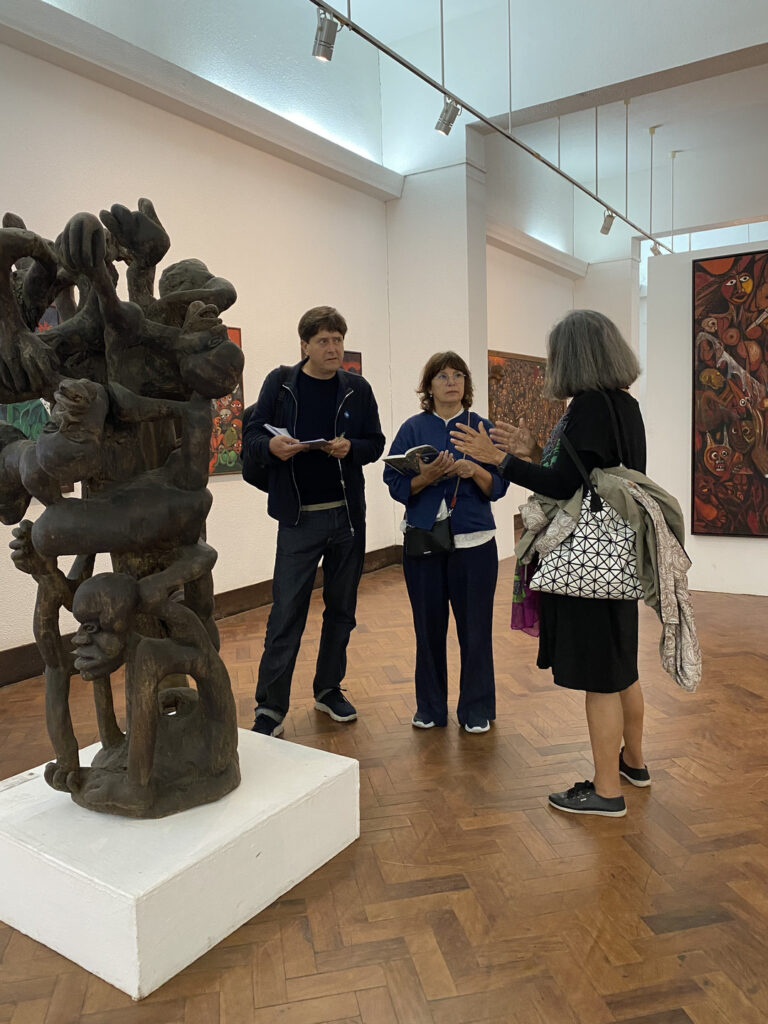
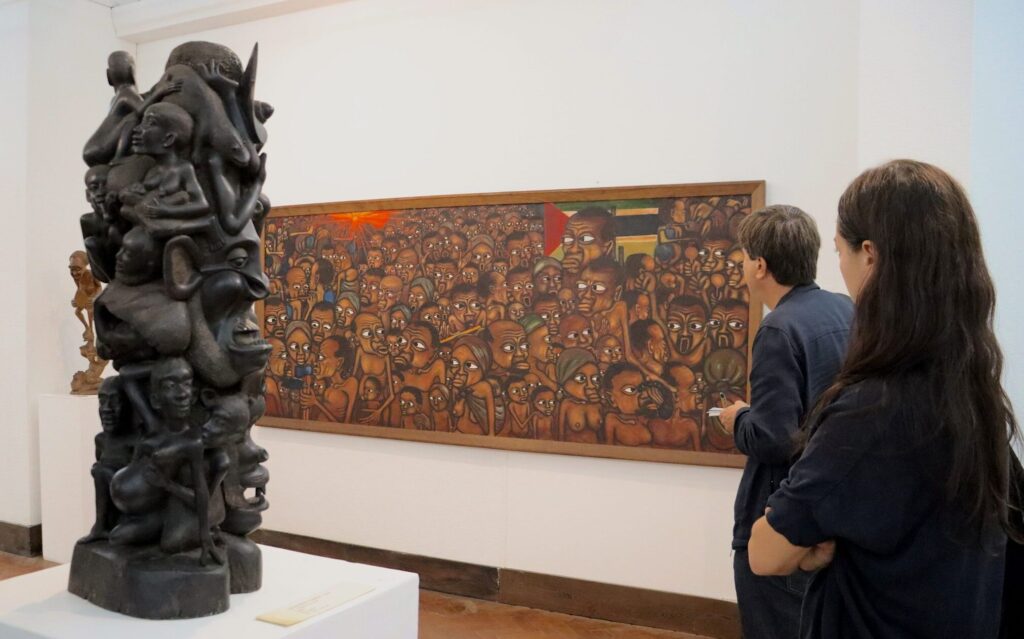
On our third day in Maputo, we visited the National Museum of Art accompanied by the art historian Alda Costa, who provided expert insight and historical context for the works on display.
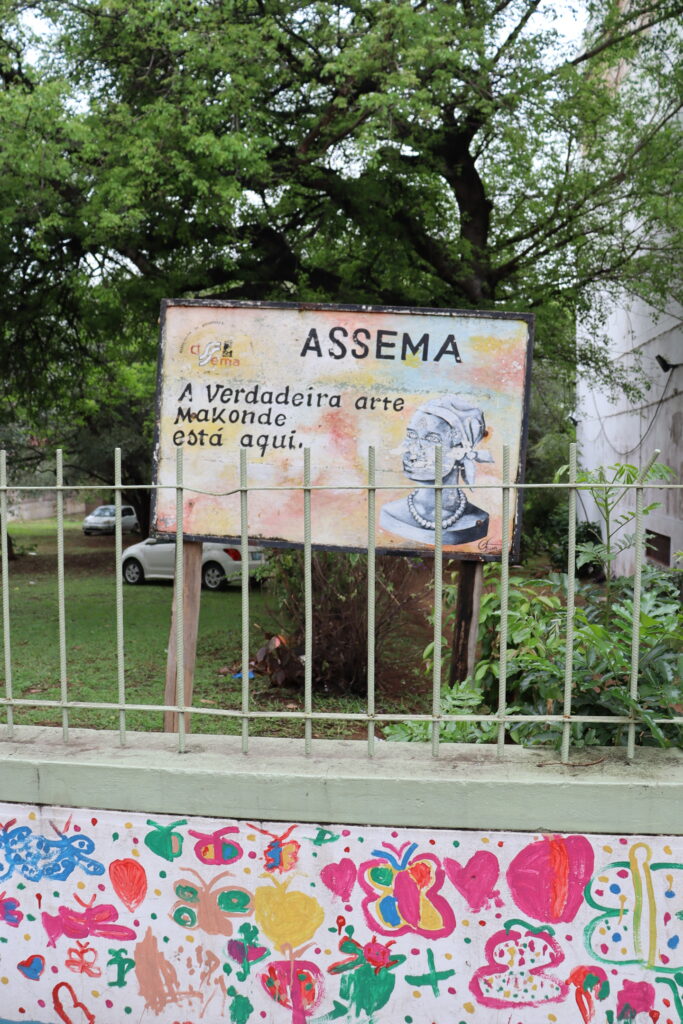
Right next to the National Gallery was a Makonde ujamaa cooperative, where we stopped for a quick visit – unfortunately, the workshops were closed at the time.
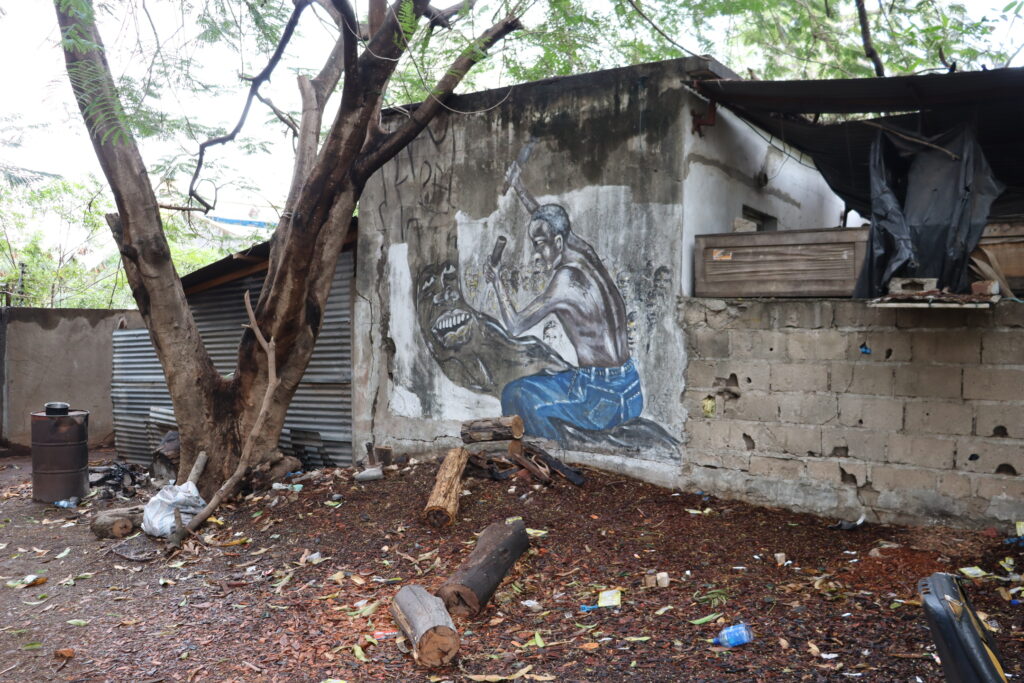
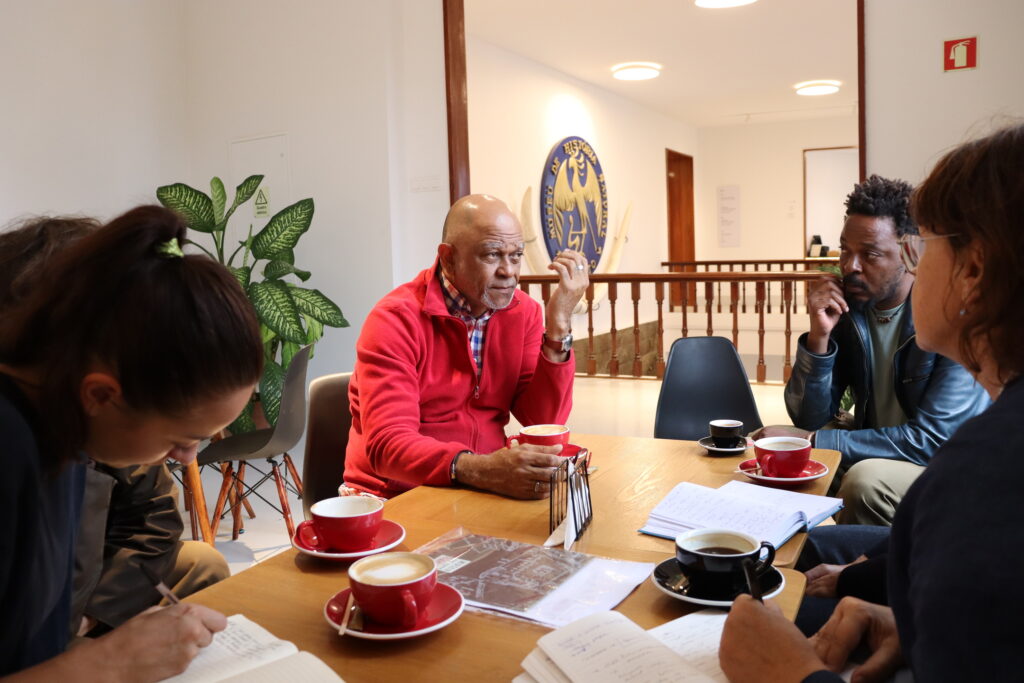
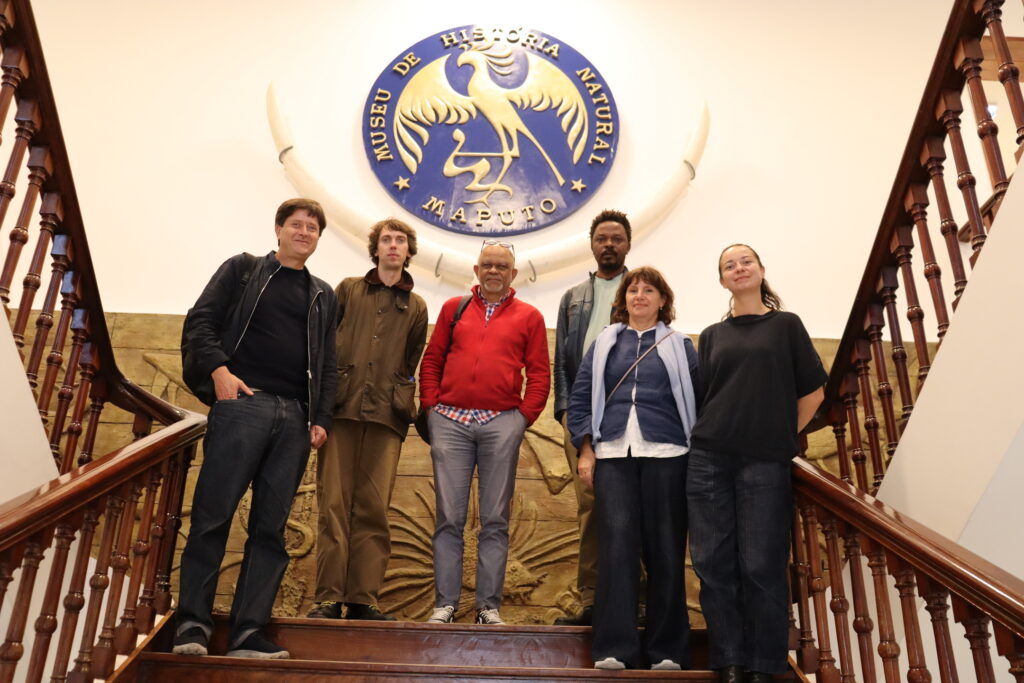
In the afternoon, we headed to the Natural History Museum. The museum chief curator Dr. Almeida Guissamulo kindly introduced their collection and accompanied us through the display, offering valuable insights into Mozambique’s biodiversity, local ecosystems, and inter-species dynamics.
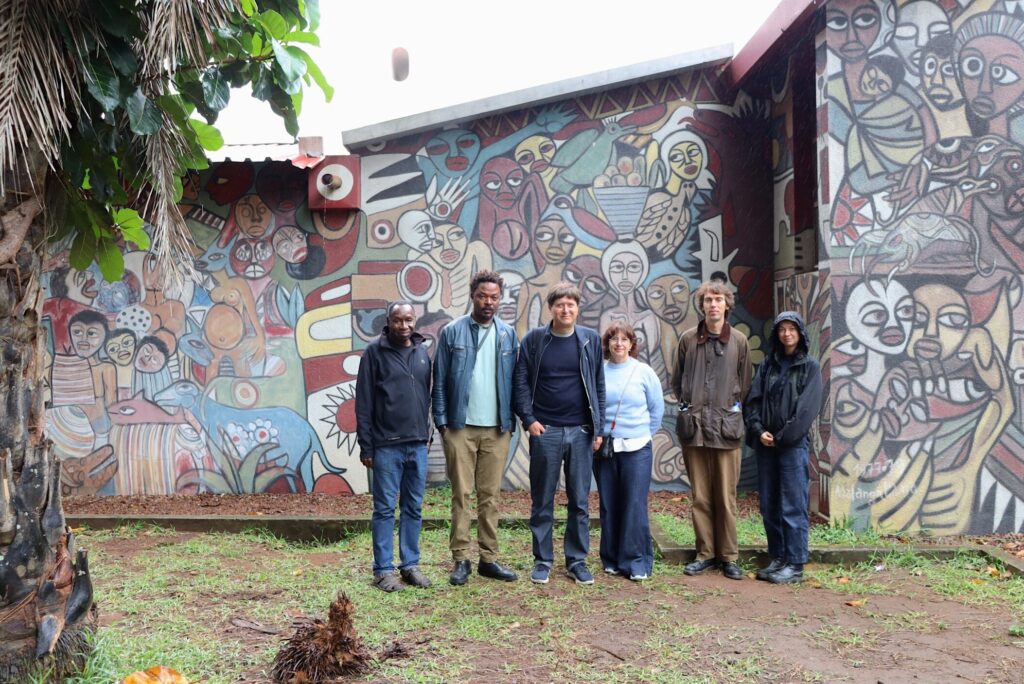
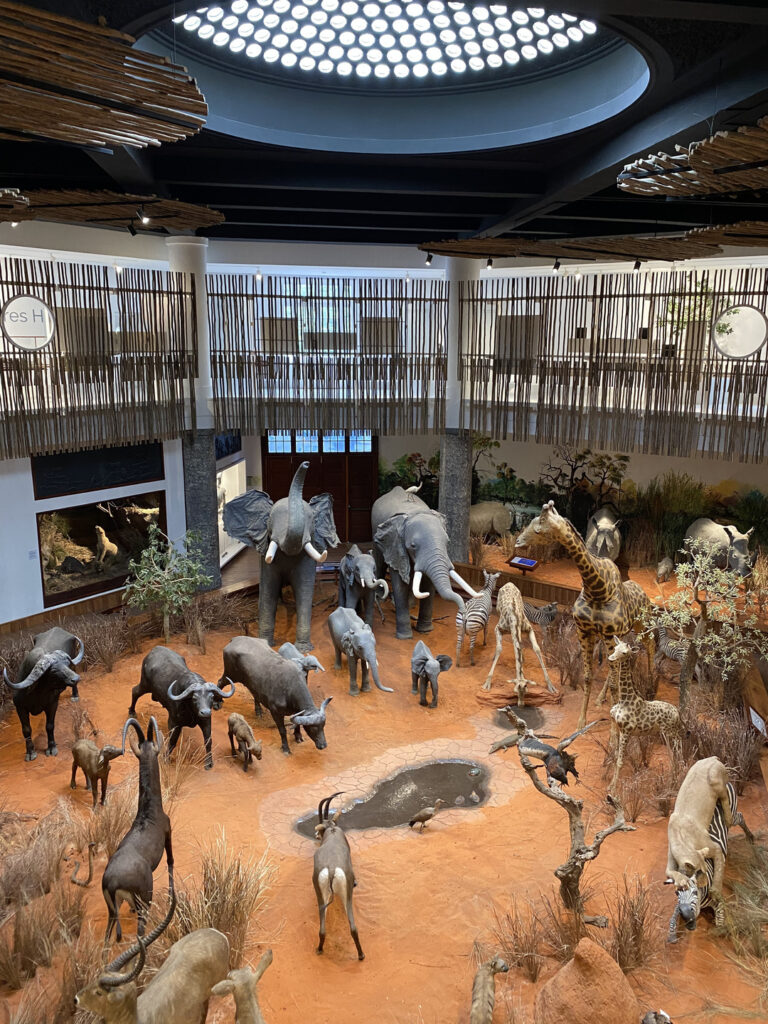
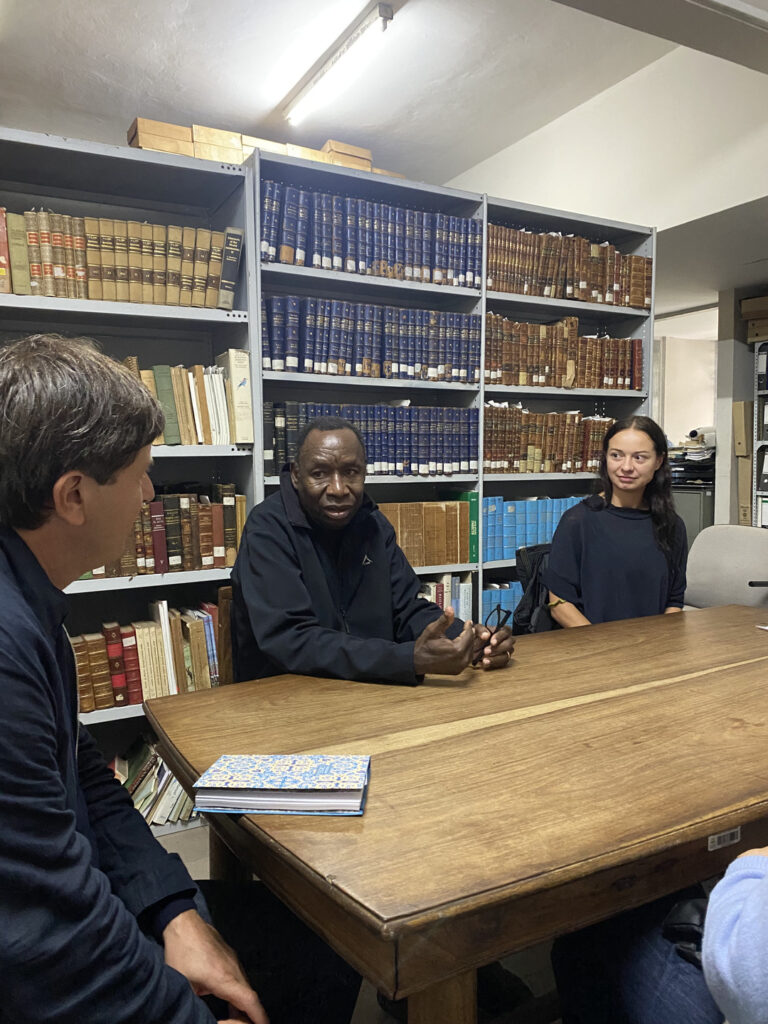
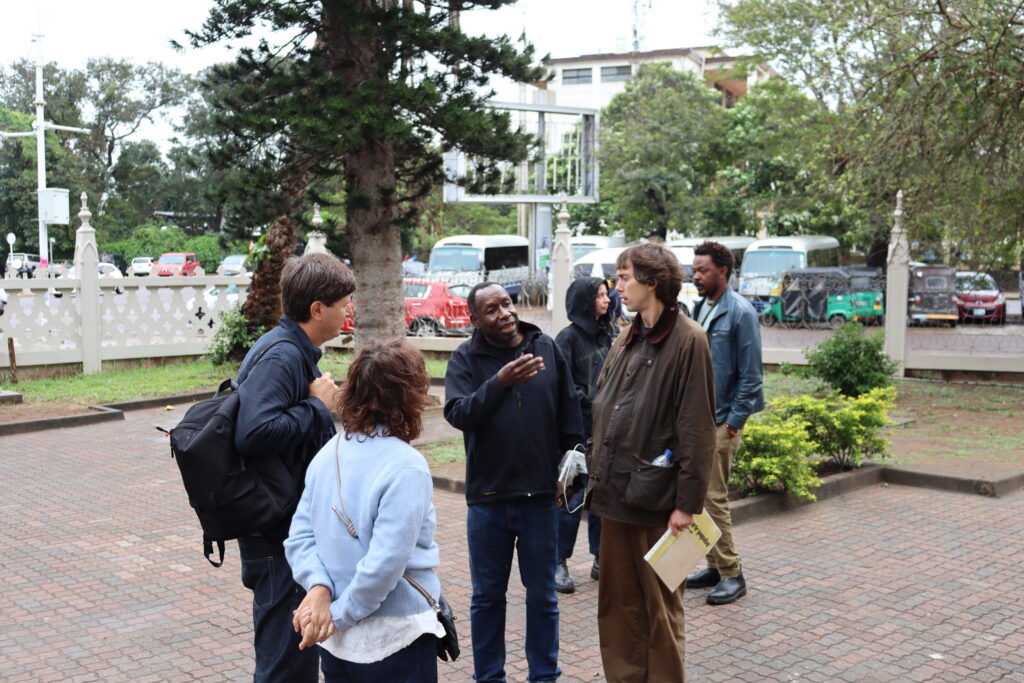
While at the museum, we met with environmentalist Samiro Magane for an in-depth discussion on Mozambique’s biodiversity, the history of wildlife conservation, and the profound ecological disruptions caused by colonialism and civil conflict.
Day Four
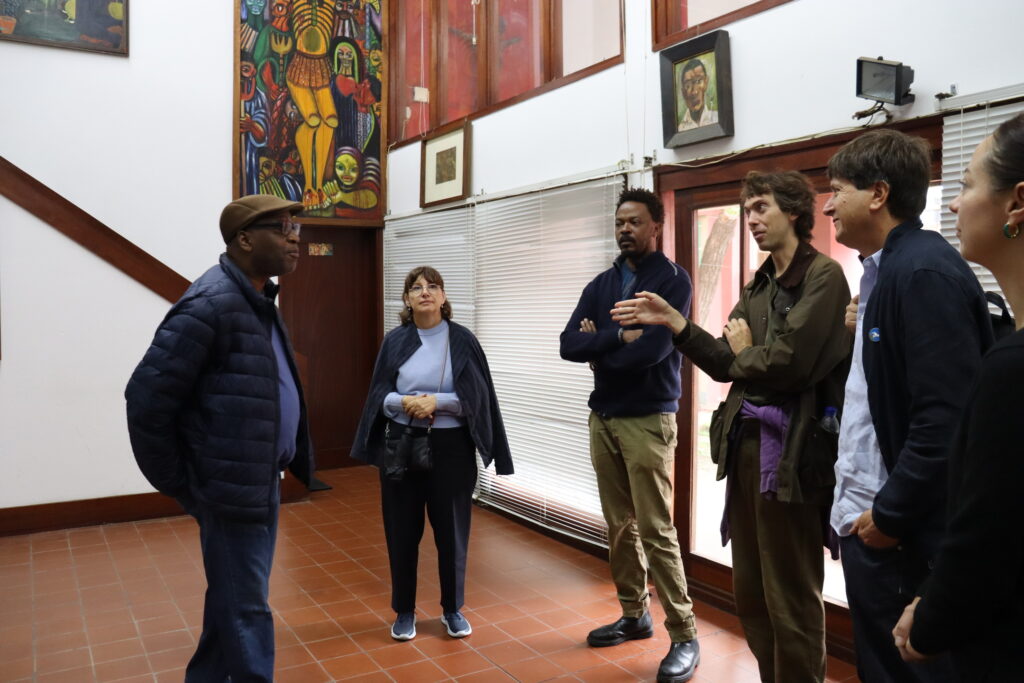
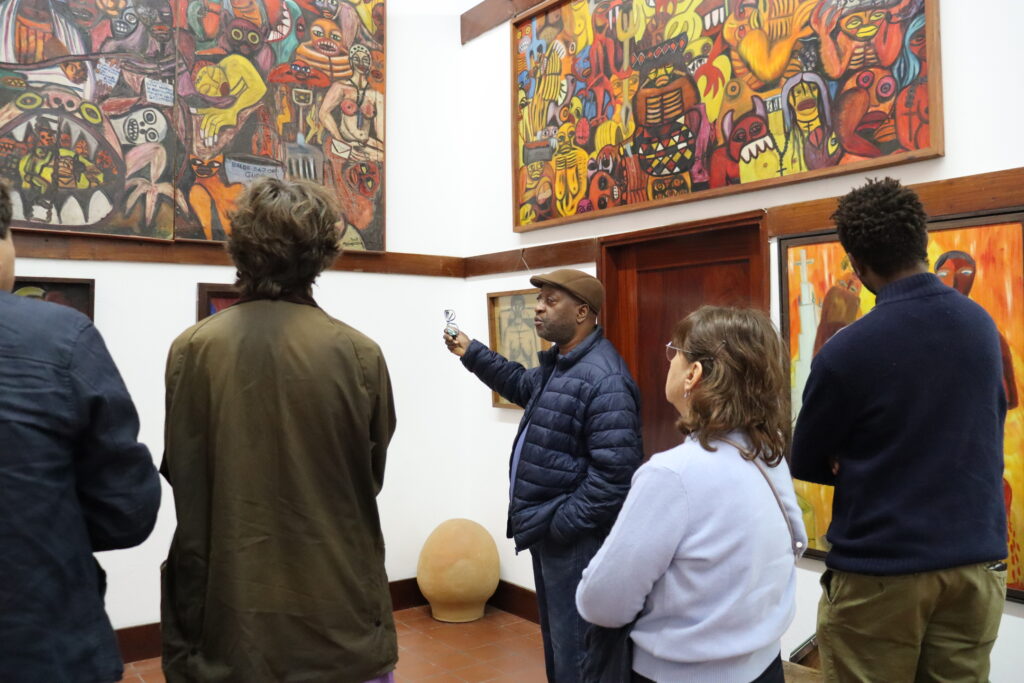
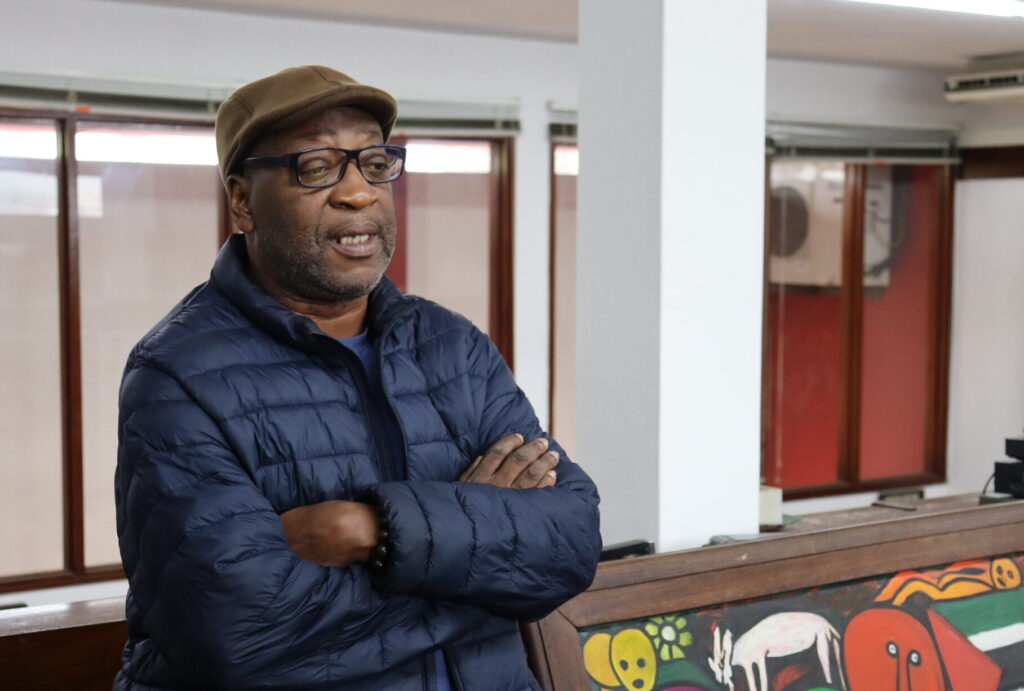
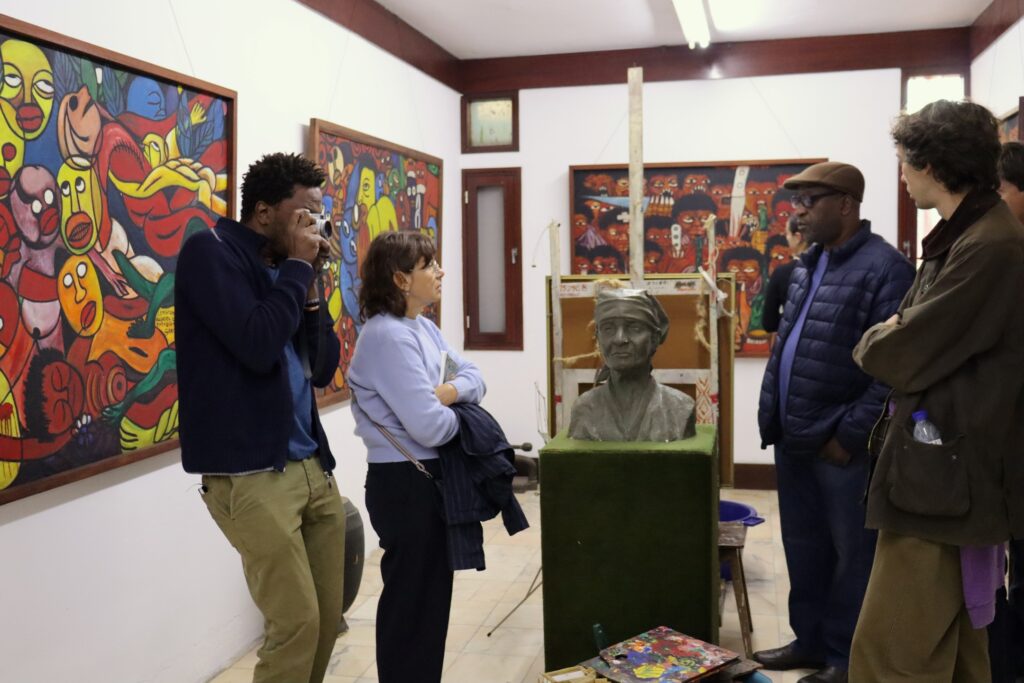
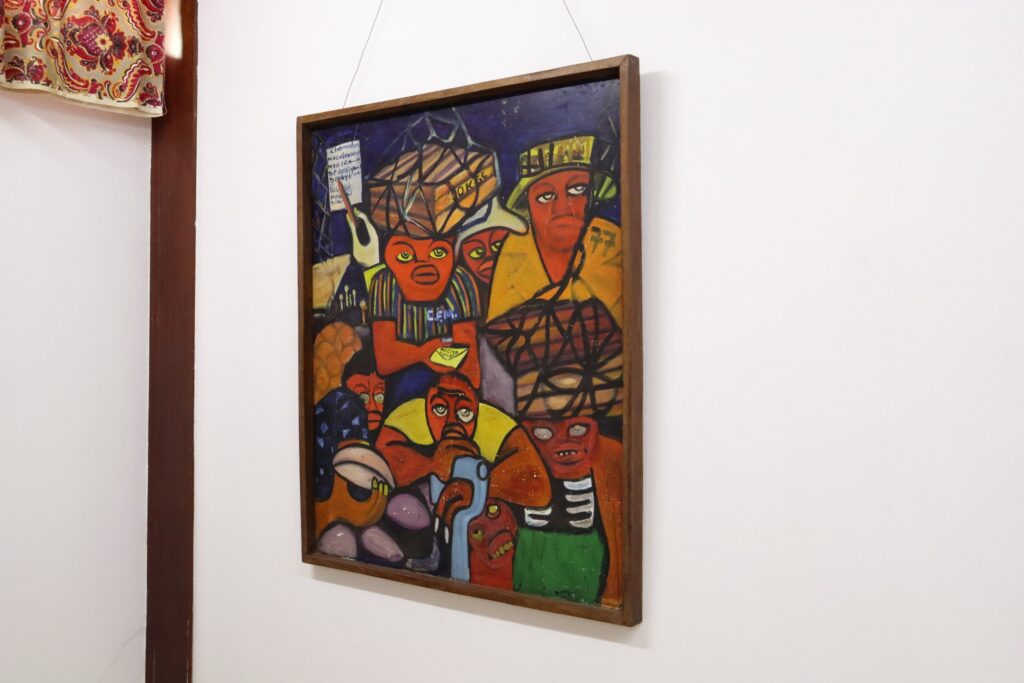
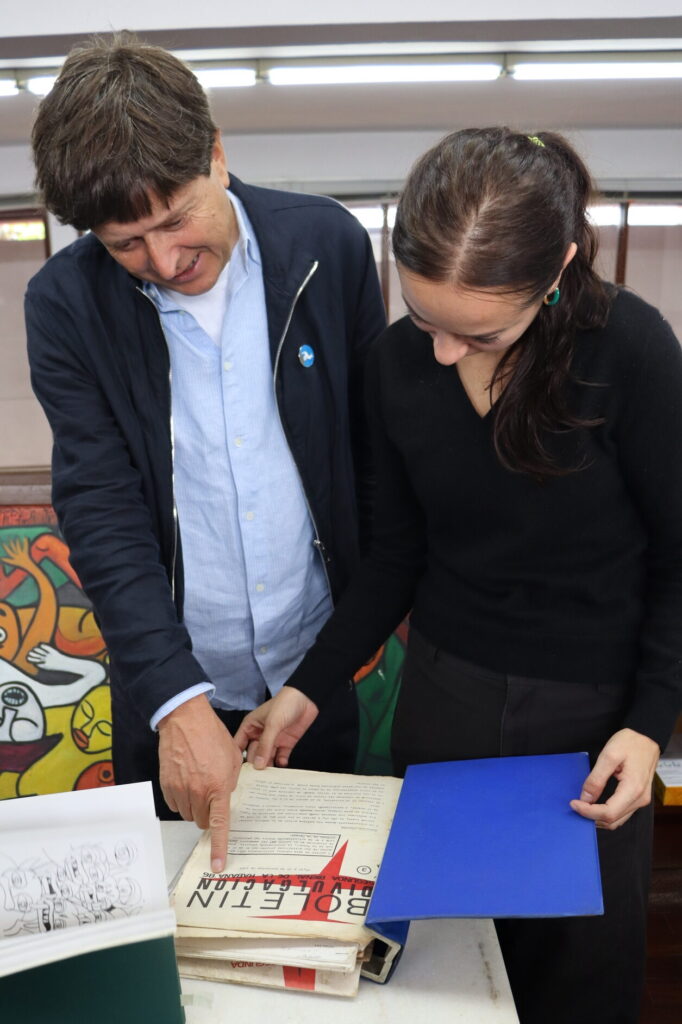
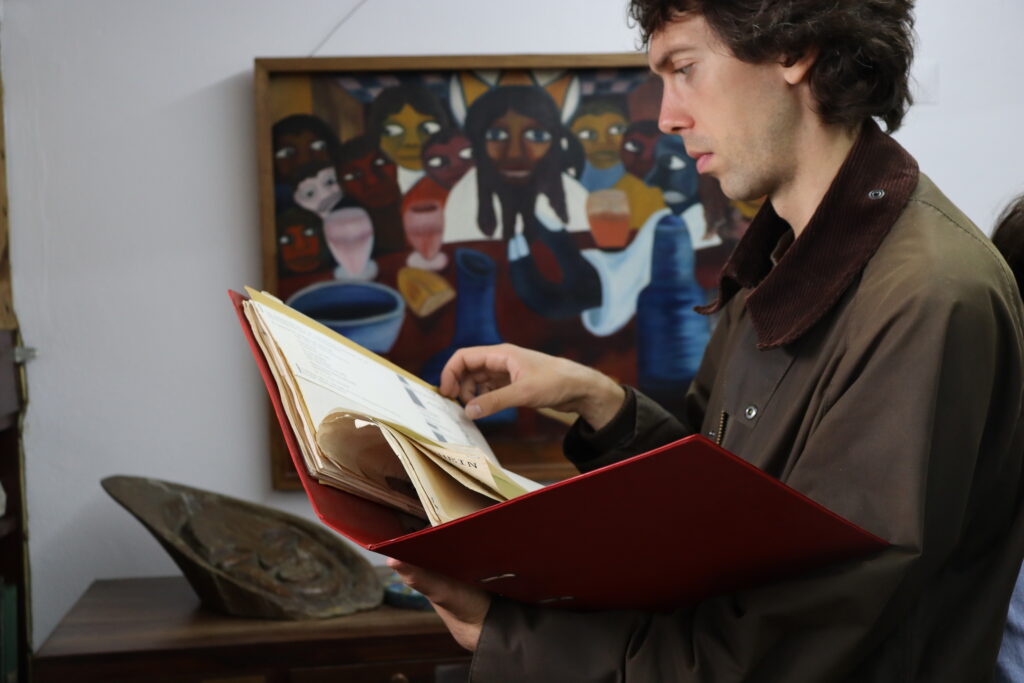
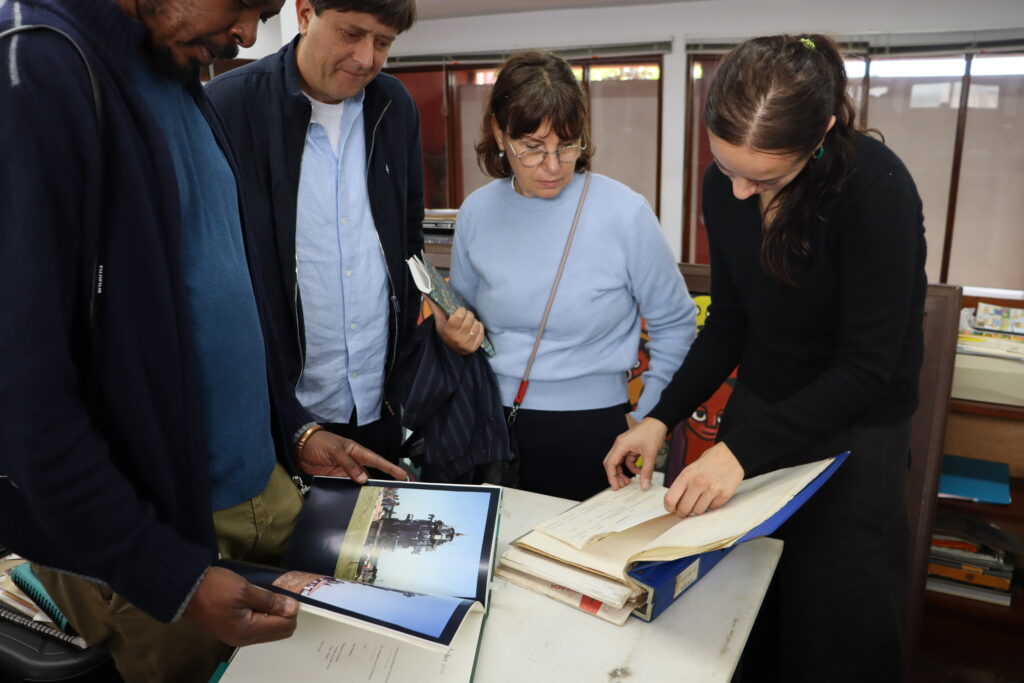
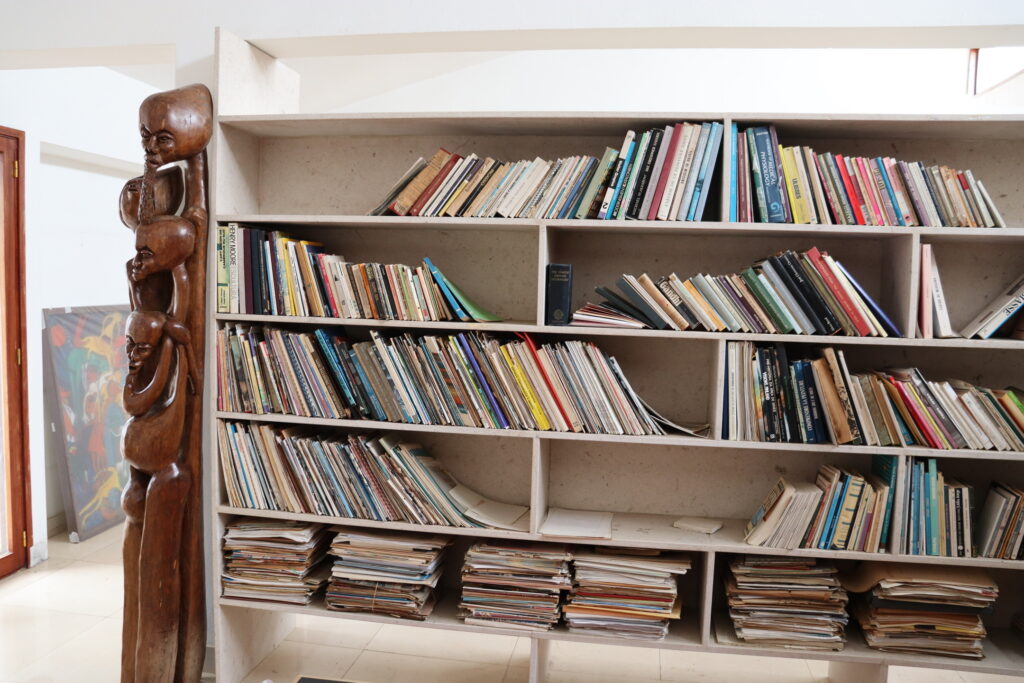
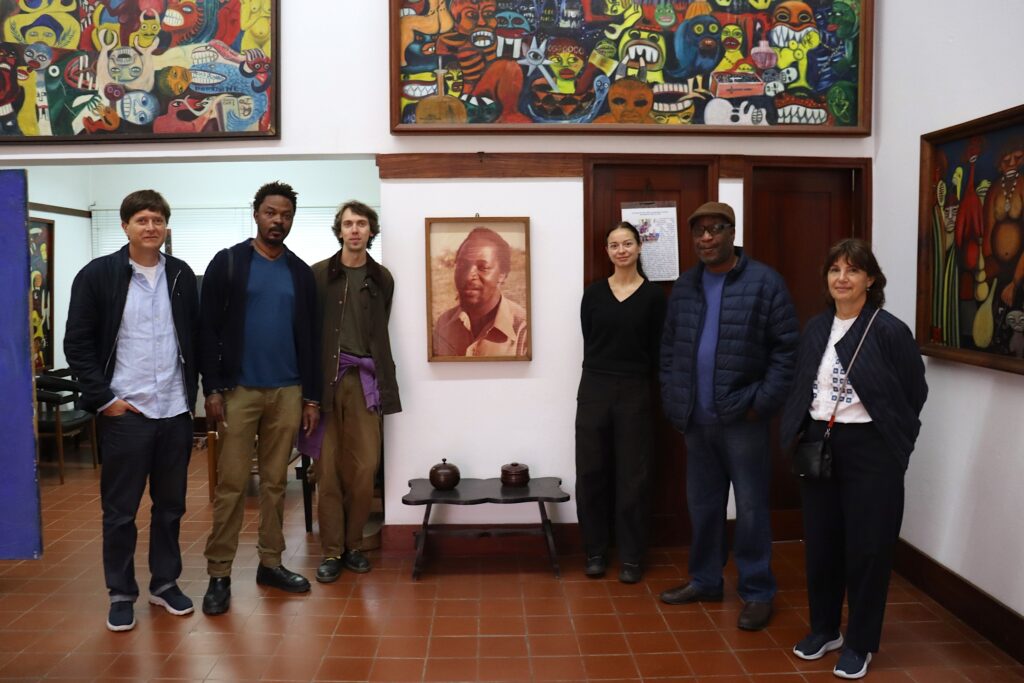
On our fourth day, we visited the Casa-Museu Malangatana, house and studio of one of Mozambique’s most celebrated artists, whose murals we had encountered across Maputo, including at the Natural History Museum and university campus. Guided by his son, Manguiza Malangatana Ngwenya, who alongside his brother runs the artist foundation, we explored Malangatana’s rich body of work, including a collection of socialist pieces depicting the struggles of workers and the revolution. We also had a chance to discuss Malangatana’s use of animalistic characters and monsters, and had the opportunity to browse his library and extensive archive.
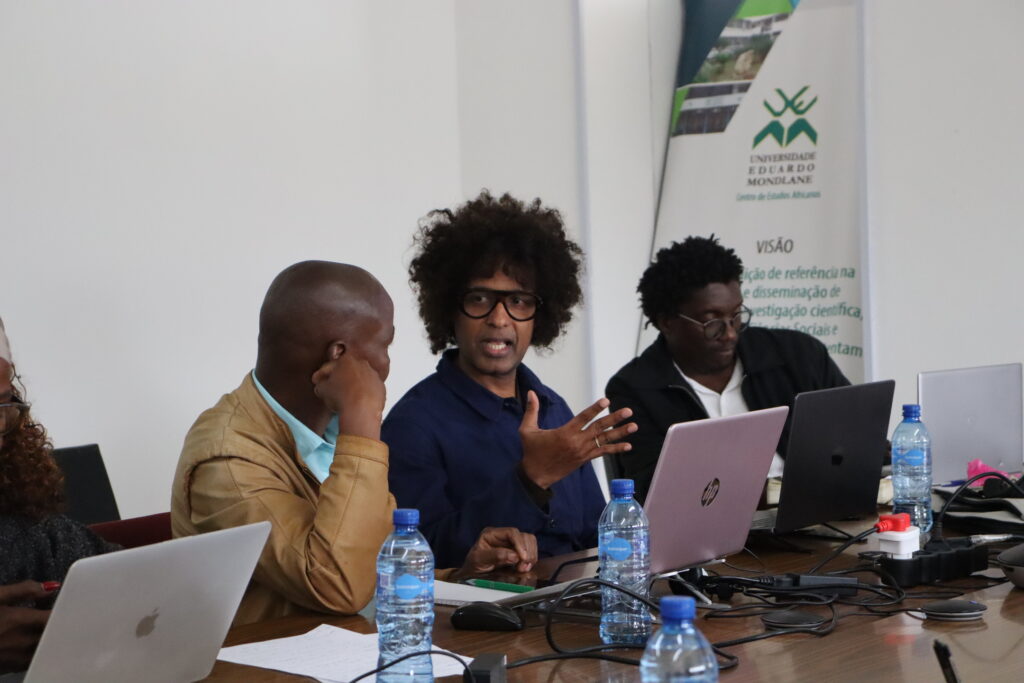
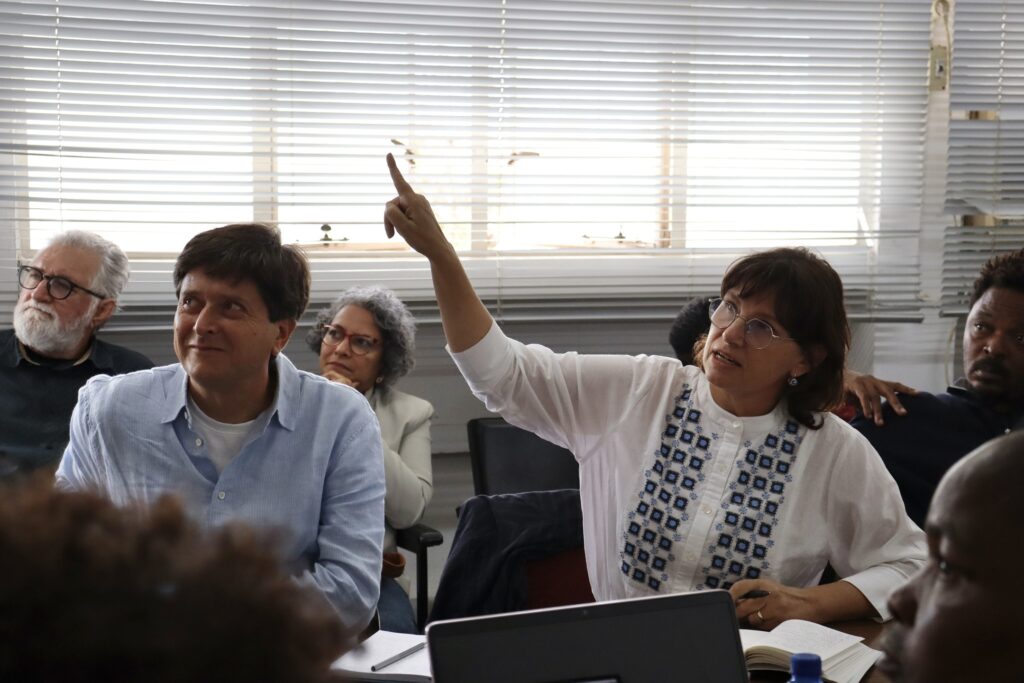
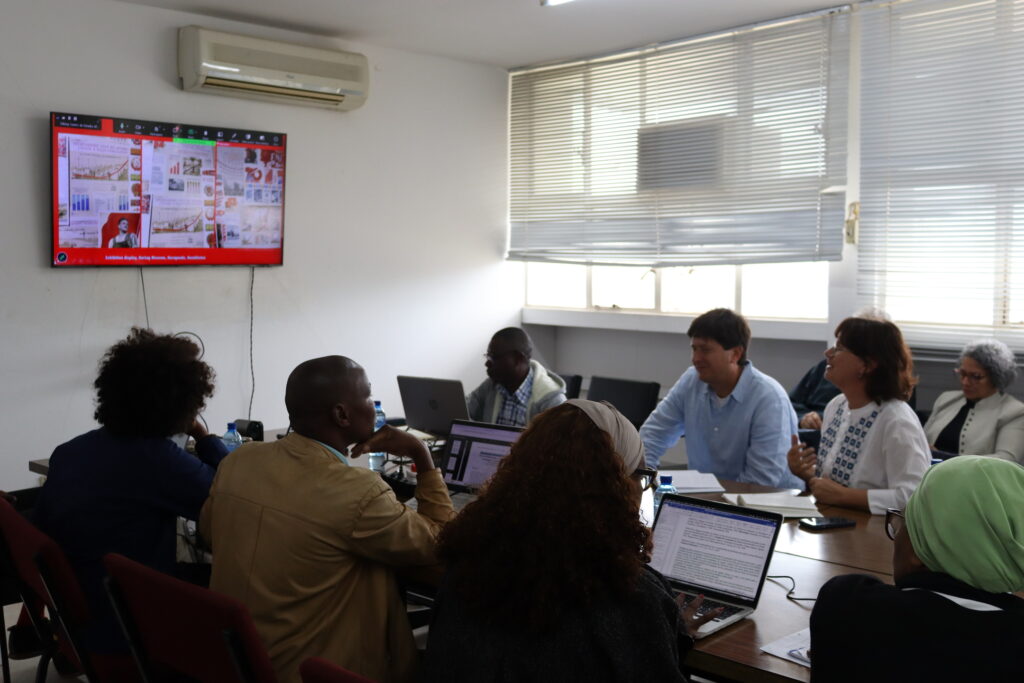
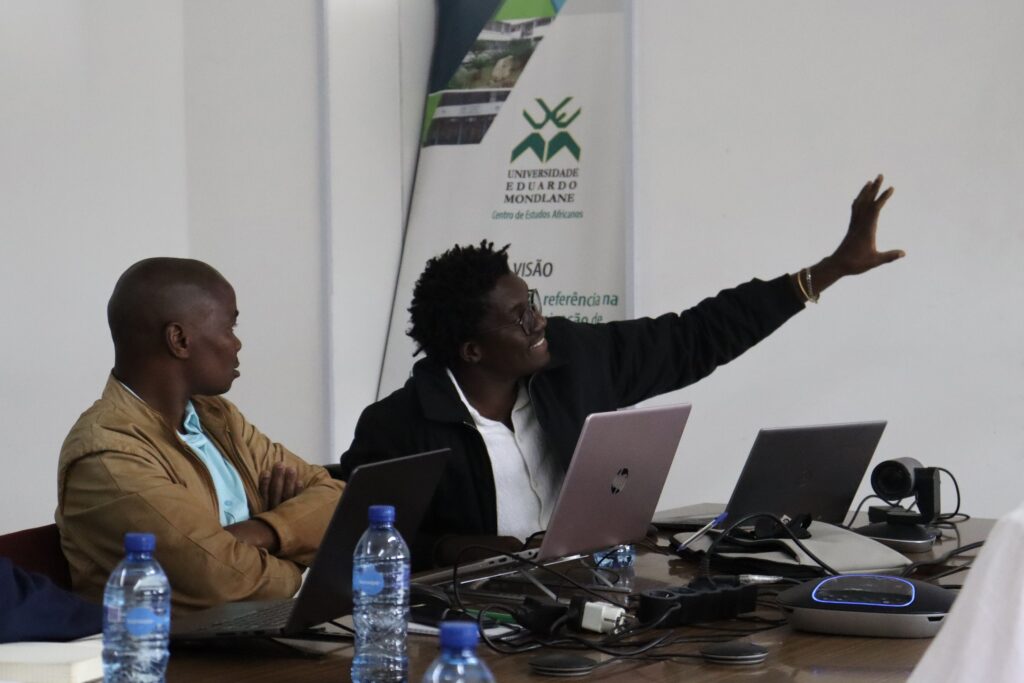
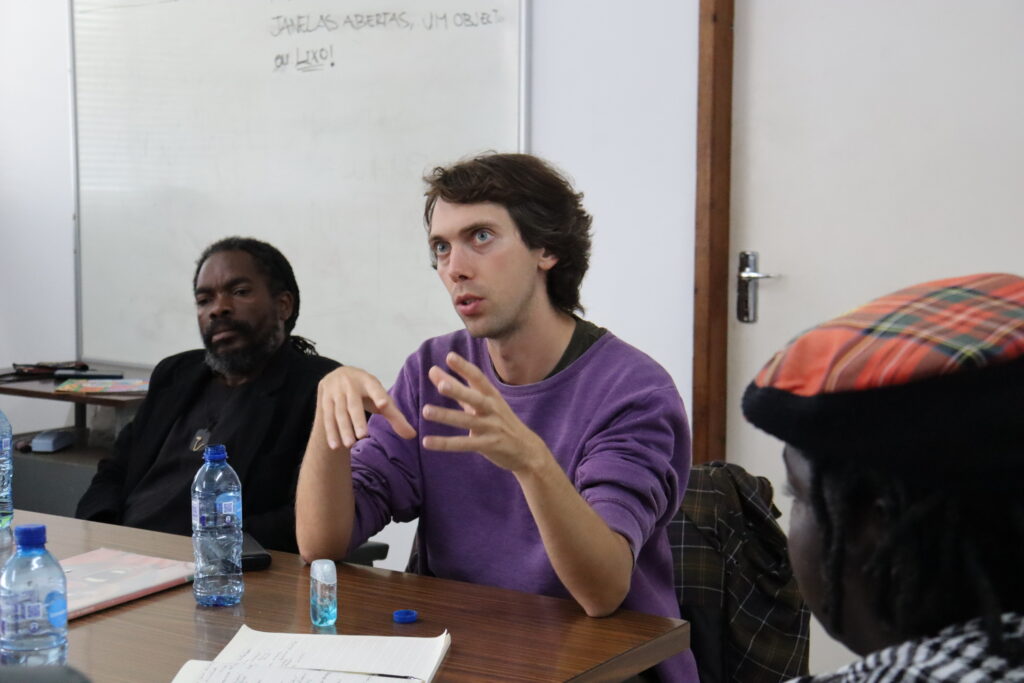
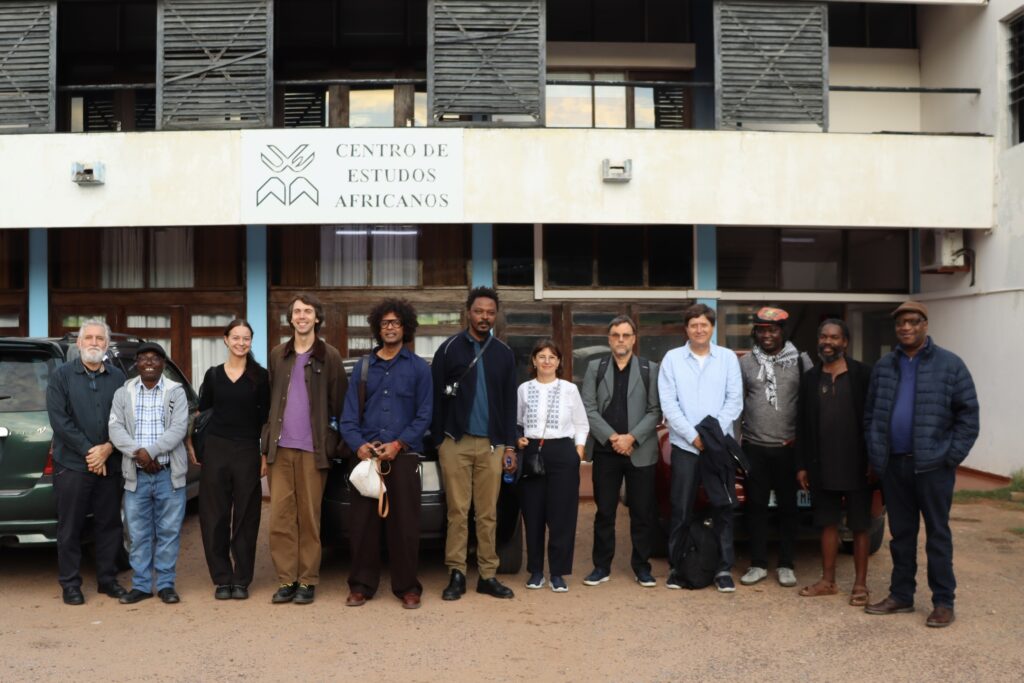
In the afternoon, SAVA Team was invited to participate at a special seminar held at the African Studies Centre (CEA) at Eduardo Mondlane University: ‘Mozambique and the Socialist Anthropocene: Intellectual History, Sound History, Arts, Politics, Memory and Rural Transformation’.
Featuring speakers Carlos Fernandes, Hélio Maúngue, and Janne Rantala (CEA-UEM), alongside an introduction to SAVA by Maja Fowkes and responses from the SAVA team, the seminar opened up productive discussions on how socialist transformation was conceived, represented, and materialised within Mozambique.
Day Five & Six
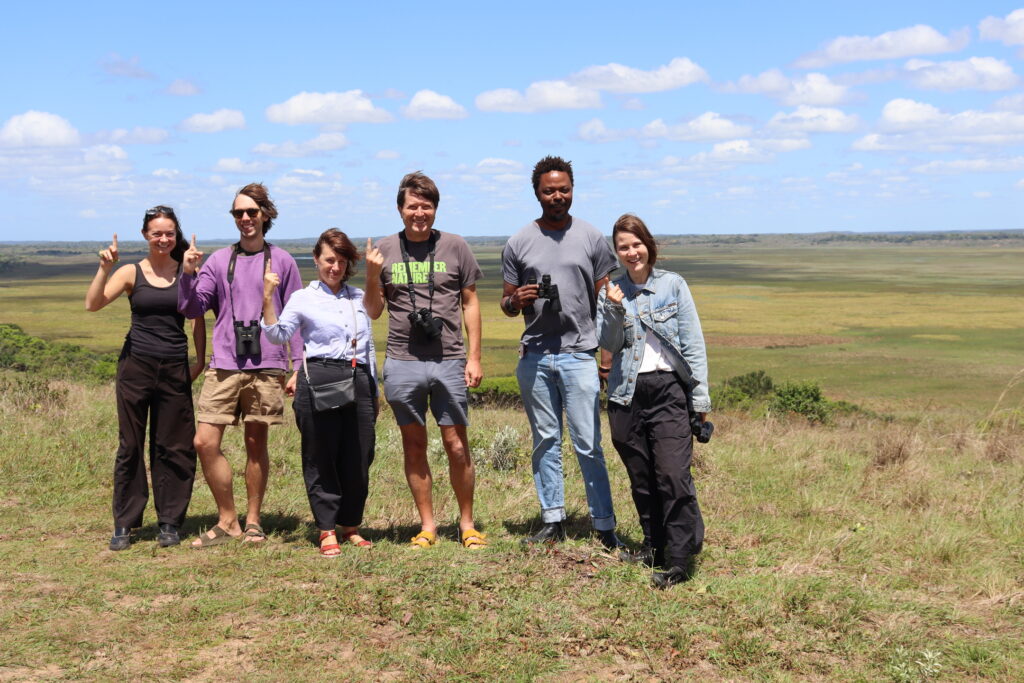
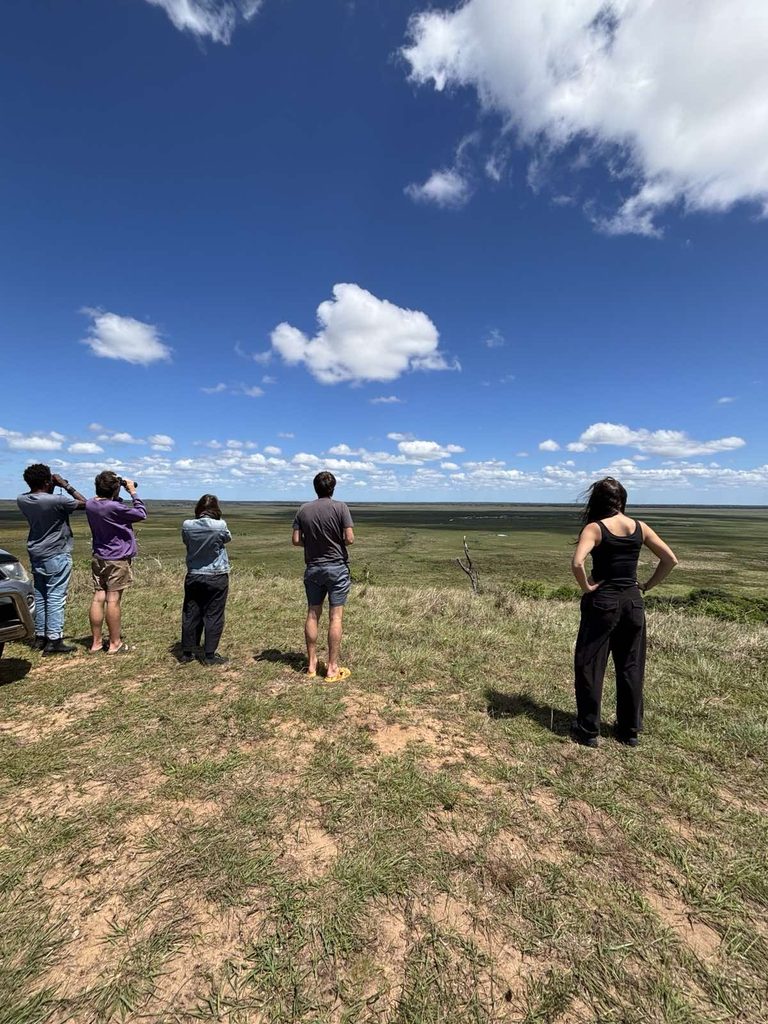
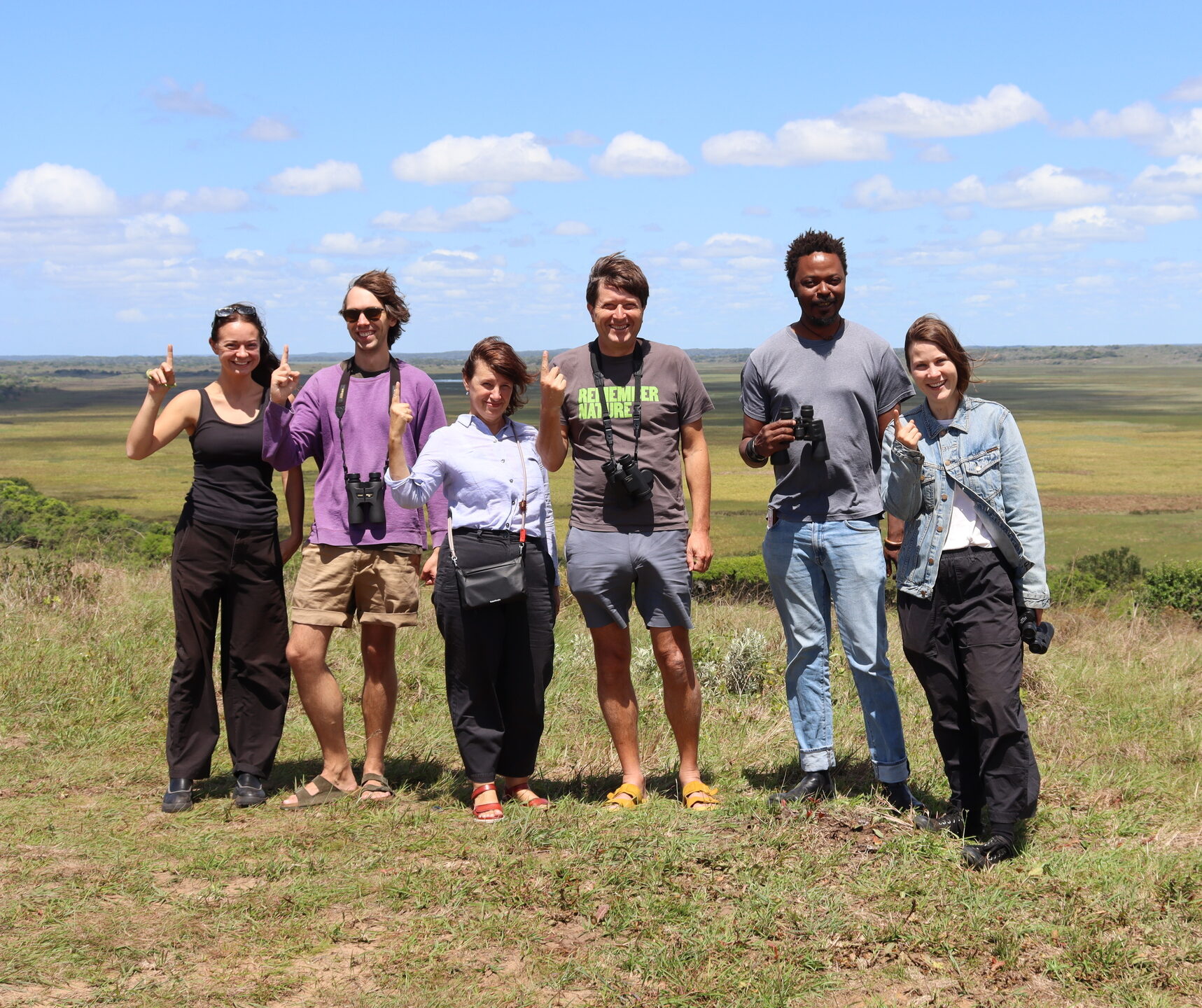
Our final days were spent in Maputo National Park, where we experienced Mozambique’s diverse ecosystems and reflected on the legacies of socialist environmentalism. The park served as a case study for the promise of rewilding and nature reconnection, bringing together everything we had learned about socialist transformation and the ecological recovery from past disruptions within the country’s historical context – much like in the photo below, where we are pointing forward, reflecting Samora Machel’s conviction that those who destroy nature ultimately harm the people of Mozambique.