SAVA Research Week 7: Non-Aligned Ecologies

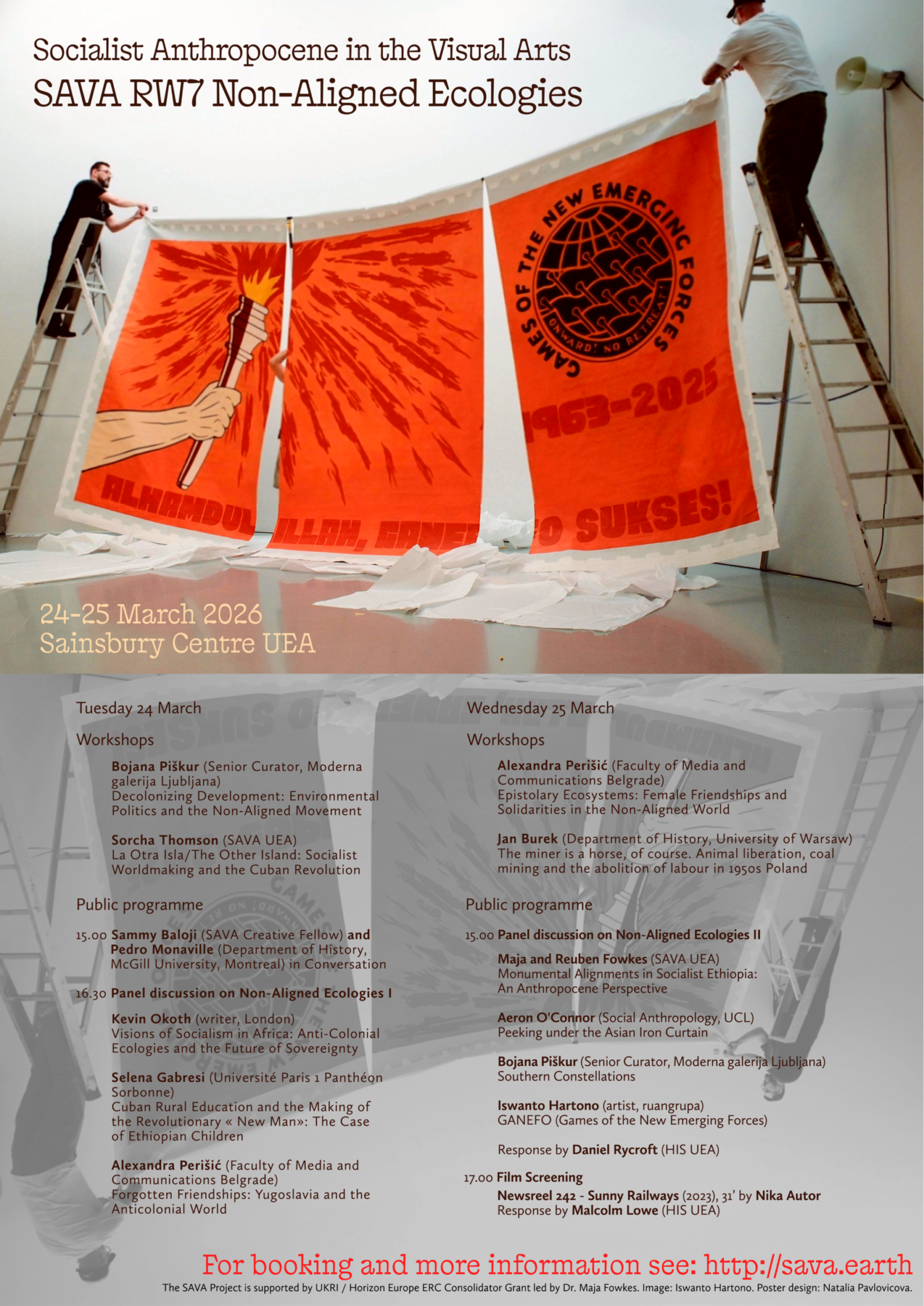
The seventh SAVA Research Week on Non-Aligned Ecologies considers the environmental entanglements of socialism across its global geographies, bringing to discussion of the Socialist Anthropocene decolonial perspectives from beyond the Soviet Union and Eastern Bloc to illuminate the environmental histories and visual culture of socialist movements and states in Southeast Asia, Latin America and Africa. Transnational exchanges are explored as a conduit of diverse social and ecological visions between third-way Yugoslavia and the countries of the Non-Alignment Movement, among the anti-colonial nations of the Alliance of Sahel States, through the revolutionary internationalism of Cuba and Ethiopia, and in cross-border connections between Tadjik and Persian communities. Highlighting the role of artistic networks, public monuments, cinematic culture and contemporary art in actualizing the multiplicity of global socialism and its ecological potentialities, this gathering of researcher-artists, -curators and -scholars also explores how socialist solidarity could be extended to more-than-humans.
Public events
Workshops
Speaker biographies
Documentation
Programme
Public presentations are held in the Sainsbury Centre Lecture Theatre. If you would like to participate in one of the workshops, please contact sava@uea.ac.uk.
Public events
Tuesday 24 March 2026
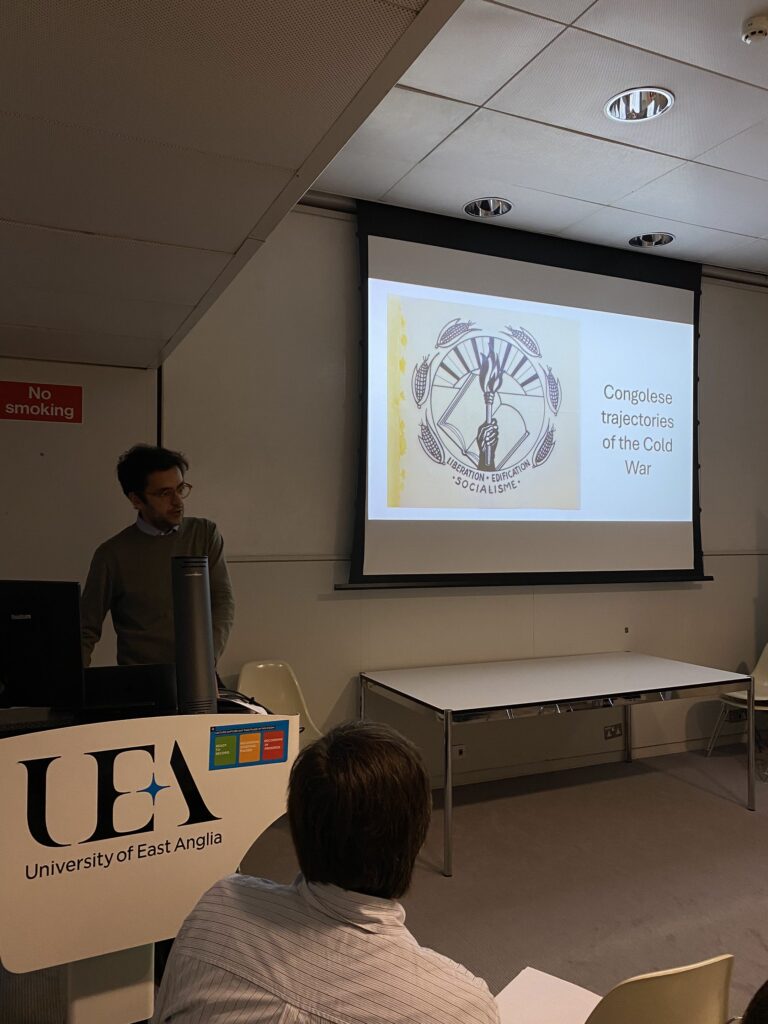
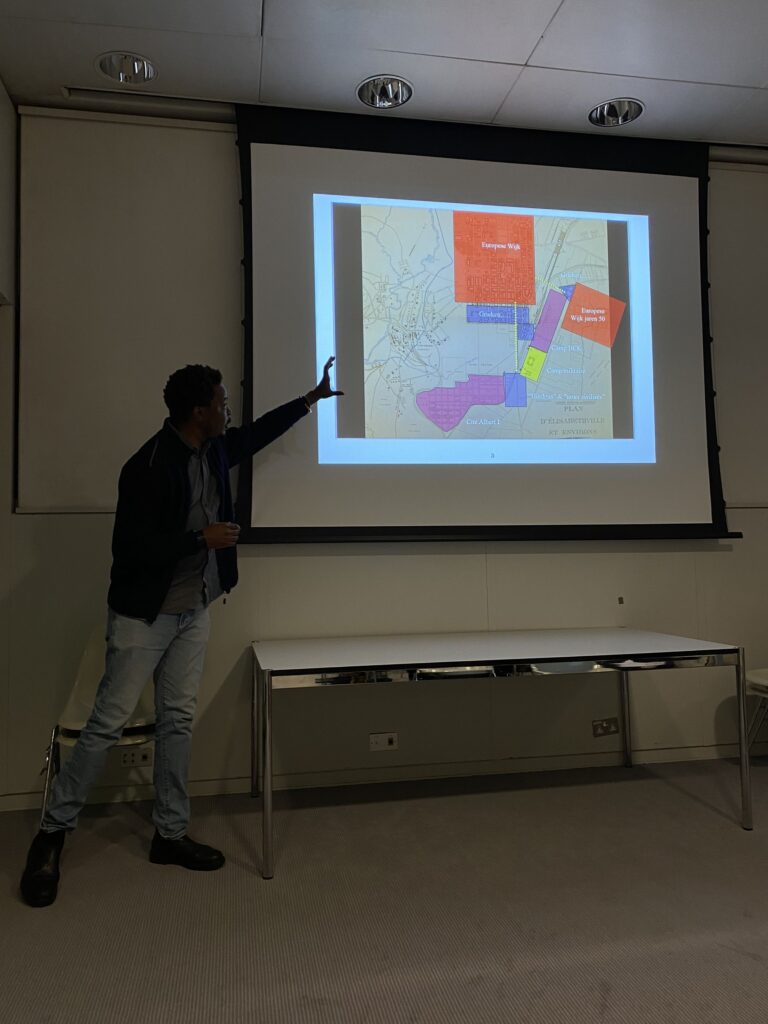
15.00 Artist Sammy Baloji (SAVA Creative Fellow UEA) and Pedro Monaville (Department of History and Classical Studies, McGill University Montreal) in Conversation

In this discussion, Sammy Baloji and Pedro Monaville present their on-going collaboration on the Congo in the Cold War. Although the Congo’s importance as a site of extractivism and geopolitical rivalries is well established, Congolese are rarely considered as historical agents. In their research, Baloji and Monaville revisit Cold War archives to recover Congolese forms of worldmaking that developed in response to the techno-political tensions of the atomic age.
16.30 PANEL ON NON-ALIGNED ECOLOGIES I
Visions of Socialism in Africa: Anti-Colonial Ecologies and the Future of Sovereignty
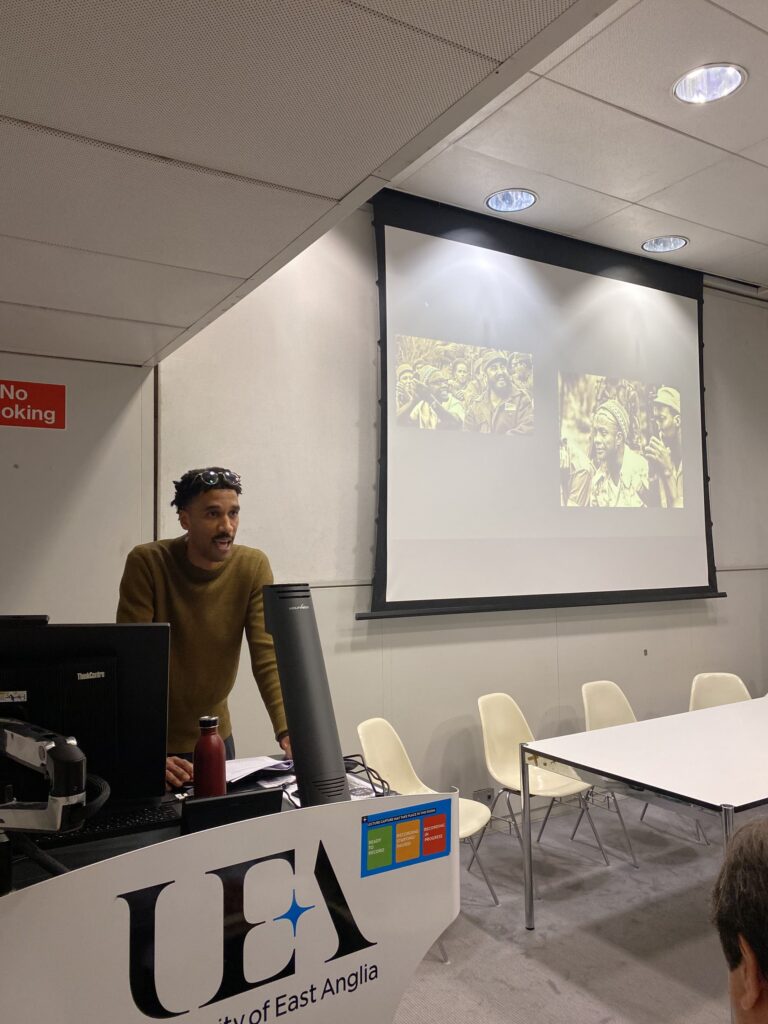
Kevin Okoth (writer, London)
This talk will contrast two socialist conceptions of postcolonial sovereignty as articulated by an anti-colonial movement (Amílcar Cabral’s PAIGC in Guinea-Bissau and Cape Verde) and an independent state (Ghana under Kwame Nkrumah). In doing so, it explores how these competing visions of sovereignty shaped and were shaped by their approach to industrialisation, resource extraction, and agrarian reform. The talk will tie these histories in with the contemporary discourse on anti-imperialism in Africa—especially in relation to the Alliance of Sahel States (AES)—which has focused on militarism and resource sovereignty. It concludes by asking what we might learn from anti-colonial approaches to ecology while recognising how our vision of possible futures is constrained by the extractivist impulses of imperialism.
Cuban Rural Education and the Making of the Revolutionary «New Man»: The Case of Ethiopian Children
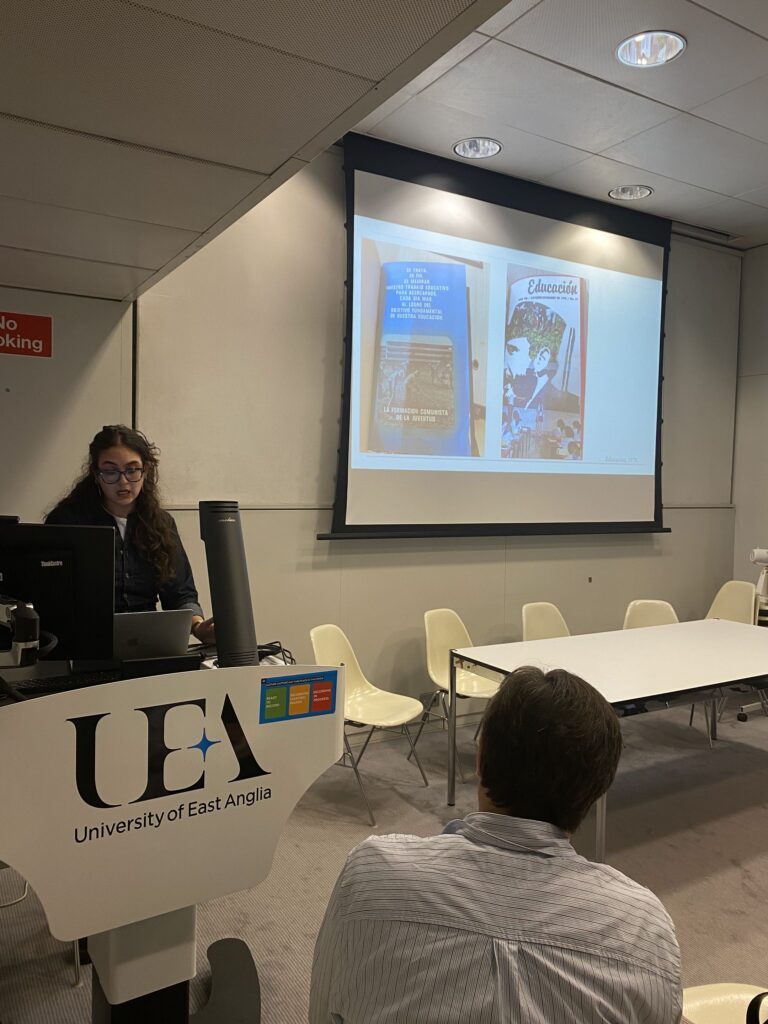
Selena Gabresi (Paris 1 Panthéon-Sorbonne University)
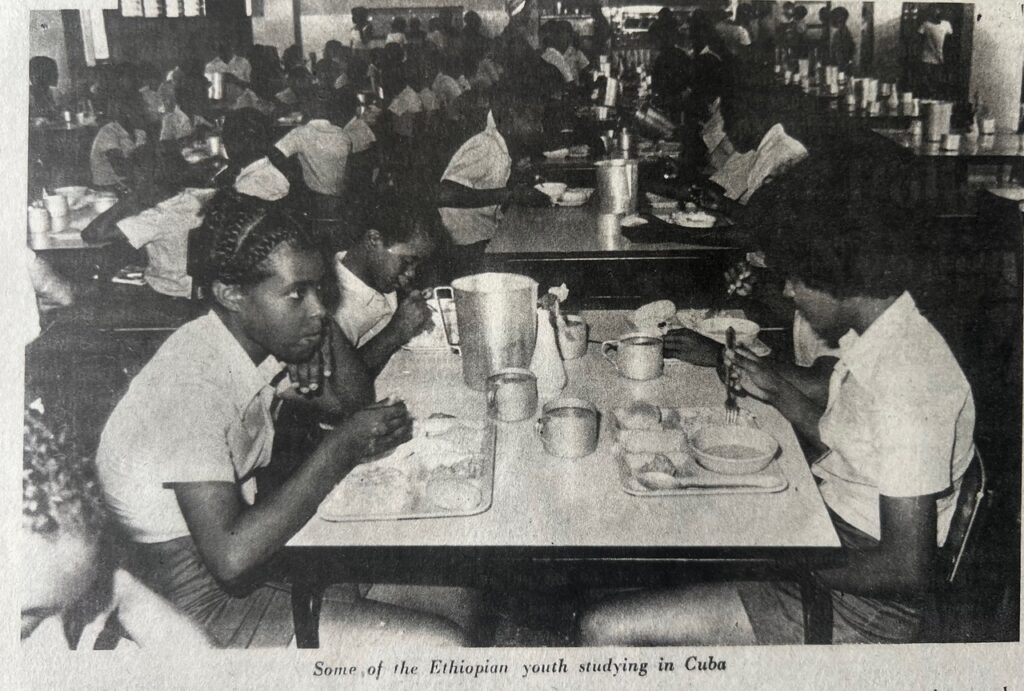
This paper examines Cuba’s commitment to South–South solidarity through the lens of educational cooperation. Beginning in 1978, Cuba welcomed around 15,000 African children to the Isle of Youth, including 5000 from Ethiopia. The program was bilingual (Spanish and Amharic) and included the history of both countries. Its aim was to train young people who would return to Ethiopia and help consolidate the 1974 revolution. More broadly, this initiative reflects the Cuban educational project, based on rural schools, whose aim is to shape a “New Man” by connecting education with land and culture, while promoting the circulation of revolutionary ideas.
Forgotten Friendships: Yugoslavia and the Anticolonial World
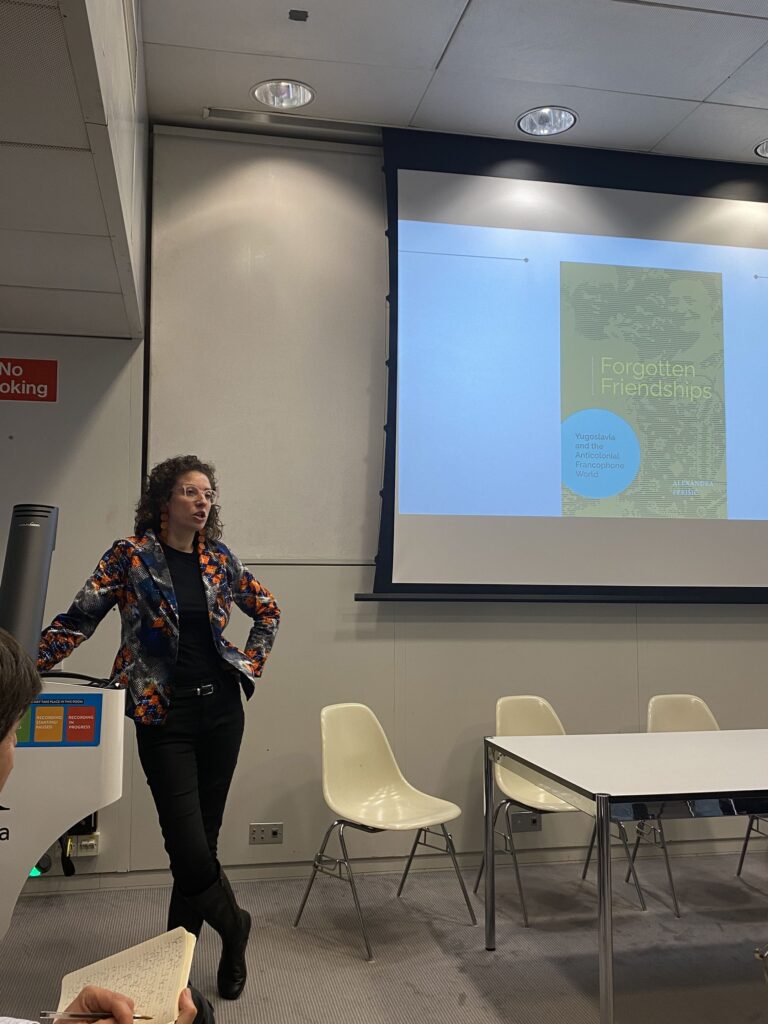
Alexandra Perišić (Faculty of Media and Communications Belgrade)
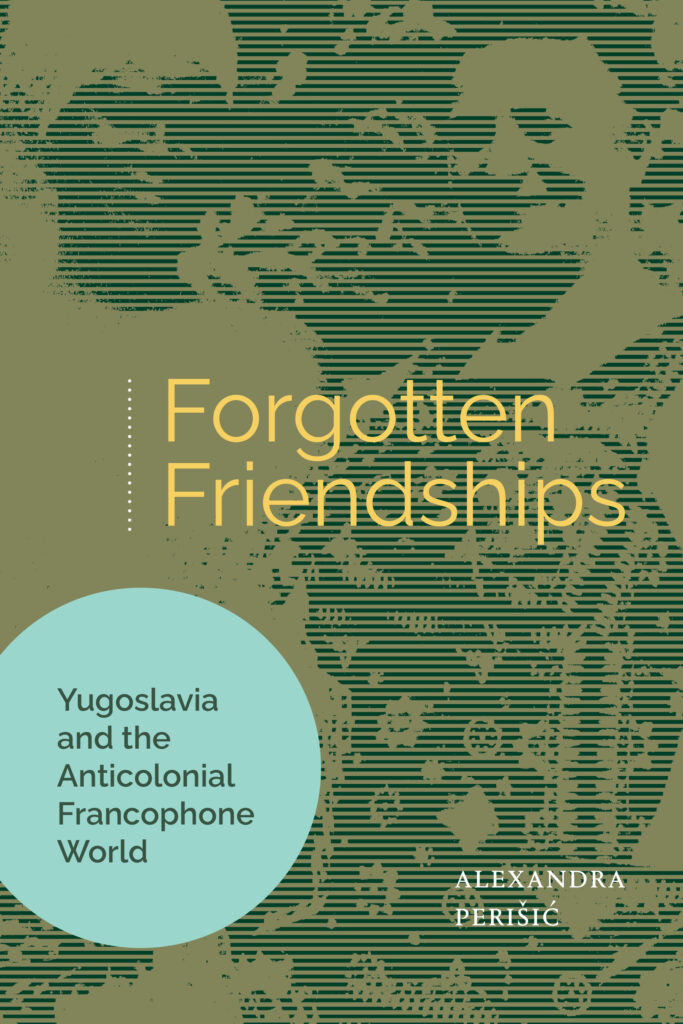
A presentation of Aleksandra Perišić’s book titled Forgotten Friendships: Yugoslavia and the Anticolonial Francophone World (Amherst College Press, 2025), which examines transnational friendships and alliances between intellectuals from Yugoslavia and the Francophone African and Caribbean world during the mid-twentieth century. The book argues that transnational political friendships helped shape major intellectual movements like Négritude, African socialism, and global socialist feminisms, which surged beyond national, regional, and even diasporic spaces. Blending archival research, literary analysis, and biography, the book fills a significant gap in our understanding of how intellectuals from the Global South and the socialist world collaborated on shared goals of decolonization, anti-racism, and socialist worldmaking.
Response by Makar Tereshin (SAVA UEA)
Wednesday 25 March 2026
15.00 PANEL ON NON-ALIGNED ECOLOGIES II
Monumental Alignments in Socialist Ethiopia: An Anthropocene Perspective
Maja and Reuben Fowkes (SAVA UEA)
This paper considers the role of sculptors from socialist countries in the building of public monuments in Ethiopia, in order to illuminate the multidirectional and interdependent artistic exchanges that took place within the framework of socialist internationalism. Focussing on memorials erected in Addis Ababa from the mid-1950s to the mid-1980s with comradely assistance from Yugoslavia, North Korea and East Germany, it asks what they disclose about the environmental histories of socialism and how they might be approached as symbolic and material archives of the Socialist Anthropocene.
Peeking under the Asian Iron Curtain
Aeron O’Connor (Social Anthropology, UCL)
How do the unlikely friendships formed across opposite sides of the Cold War rivalry – along its ‘peripheries’ – complicate our understandings of internationalism? Through the exchanges and travels of Pakistani and Soviet Tajik poets, multi-layered friendships that cross different epistemologies of time-space emerge. These are not only grounded in anti-colonialism or socialism, but also in far older understandings of the self and Other that are rooted in Persianate history, for instance. Reciting poetry, visiting shrines, translating and printing texts, and attending internationalist, Non-Aligned forums offer chances for cultural exchange that bleed out of commonplace understandings of socialist internationalism.
Southern Constellations
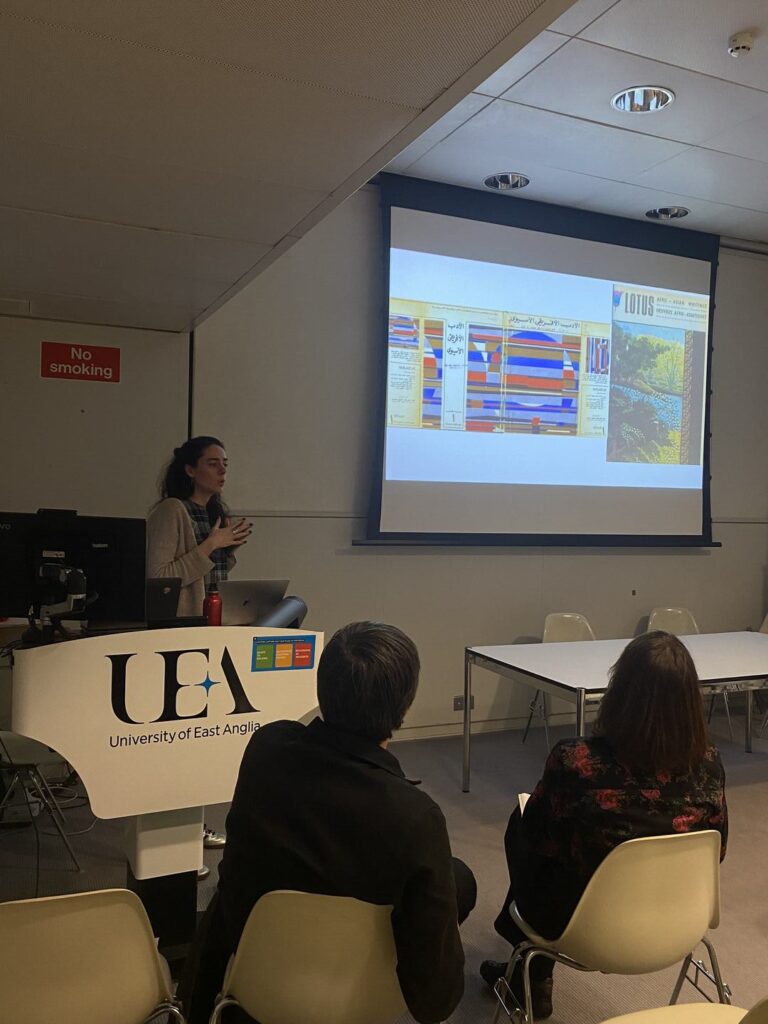
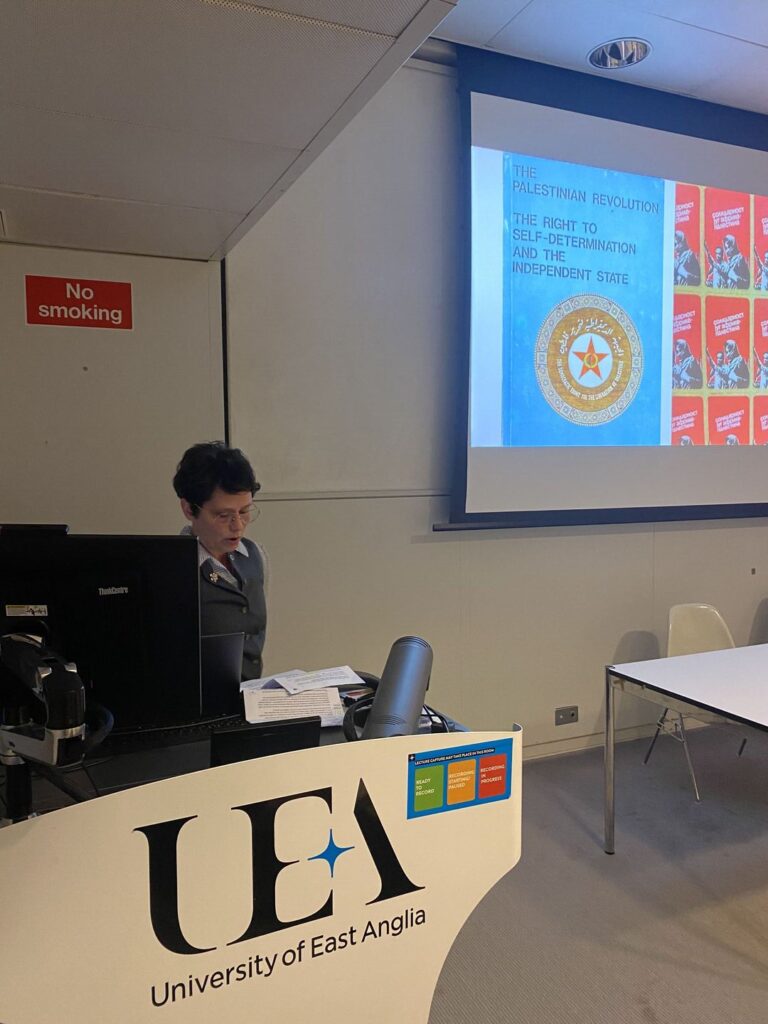
Bojana Piškur (Senior Curator, Moderna galerija Ljubljana)
Southern Constellations is a long-term project that traces cultural and artistic networks of the Non-Aligned Movement, exploring how exhibitions and cultural exchanges across the Global South challenged colonial legacies and fostered cross-cultural solidarity. Presented in Ljubljana, Gwangju, Rijeka, Podgorica, Skopje, Ramallah, and London, these exhibitions connect past and present, reimagining art as a tool for emancipation, alternative knowledge, and dialogue across diverse communities.
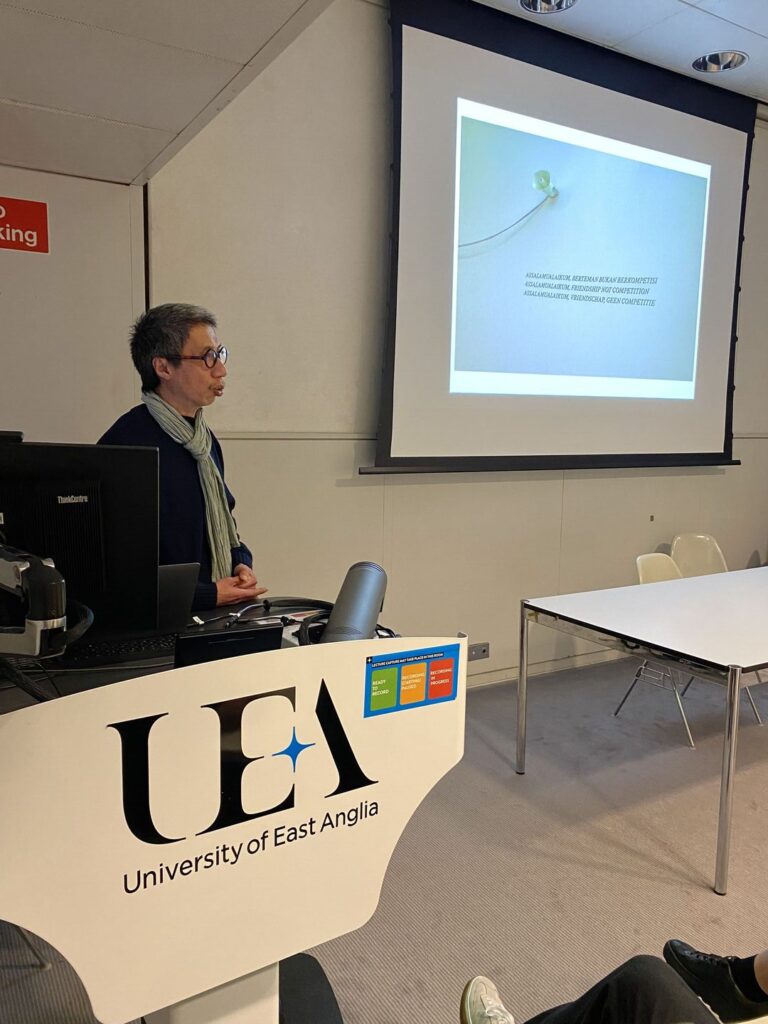
GANEFO (Games of the New Emerging Forces)
Iswanto Hartono (artist, ruangrupa)
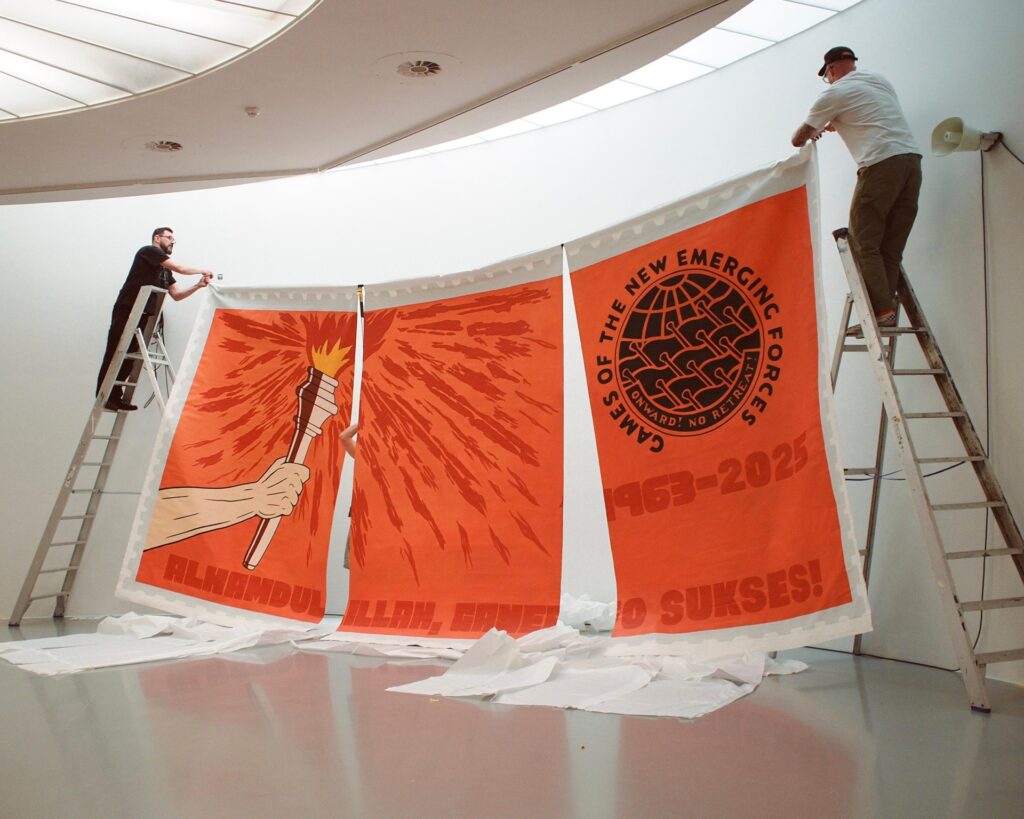
ALHAMDULILLAH, NAMA KAMI GANEFO
ALHAMDULILLAH, OUR NAME IS GANEFO
ALHAMDULILLAH, ONZE NAAM IS GANEFO
ALHAMDULILLAH, NOTRE NOM EST GANEFO
الحمد لله، اسمنا غانيفو
2025
4 single-channel videos, murals, flags, audio installation
Mirwan Andan and Iswanto Hartono. Presented by Iswanto Hartono.
Alhamdullilah, Nama Kami GANEFO #1 seeks to unearth and reimagine the remnants of political imagination and social transformation in Indonesia since the era of decolonisation, while tracing their enduring cultural ramifications. Through field research in Indonesia, this project explores the lingering traces of GANEFO not only in archival fragments but in the fabric of everyday life. We encountered individuals who bear GANEFO as part of their names, alongside streets, shops, and products that still carry the legacy of this radical experiment in sport and politics. These vestiges reveal how GANEFO has endured in unexpected, intimate ways—transformed into cultural memory and woven into the identities of communities.
The work has been exhibited at the M HKA, Antwerp as part of the The Geopolitics of Infrastructure: Contemporary Perspectives in 2025. Curated by Nav Haq.
Response by Dan Rycroft (Art History and World Art Studies, UEA)
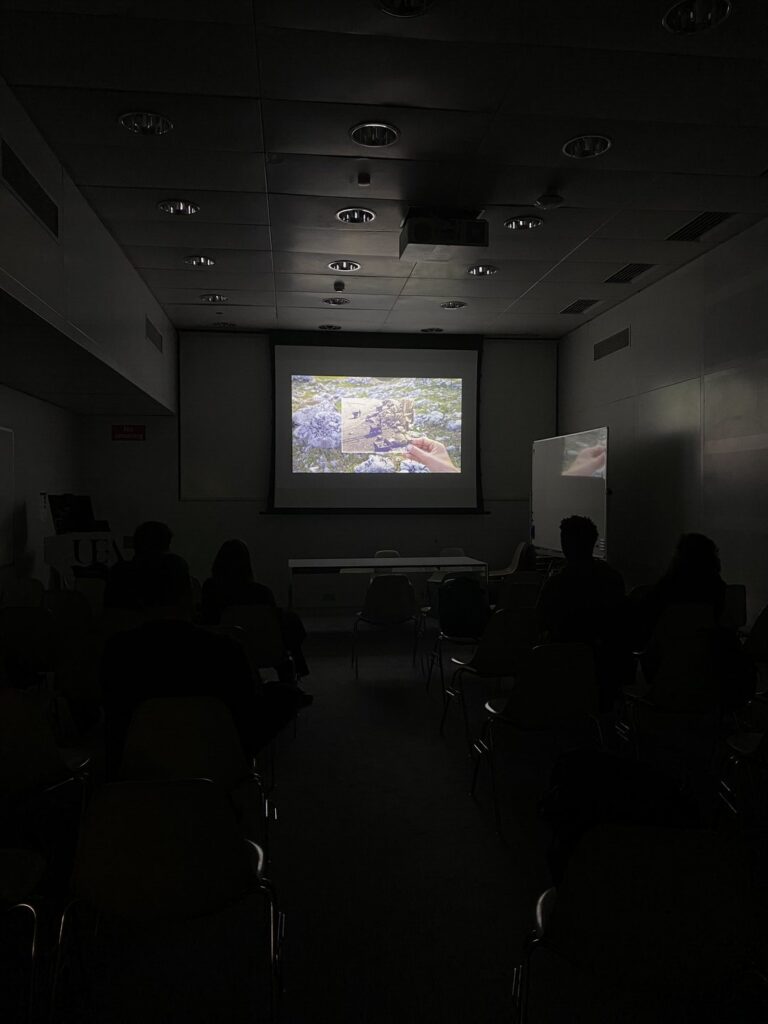
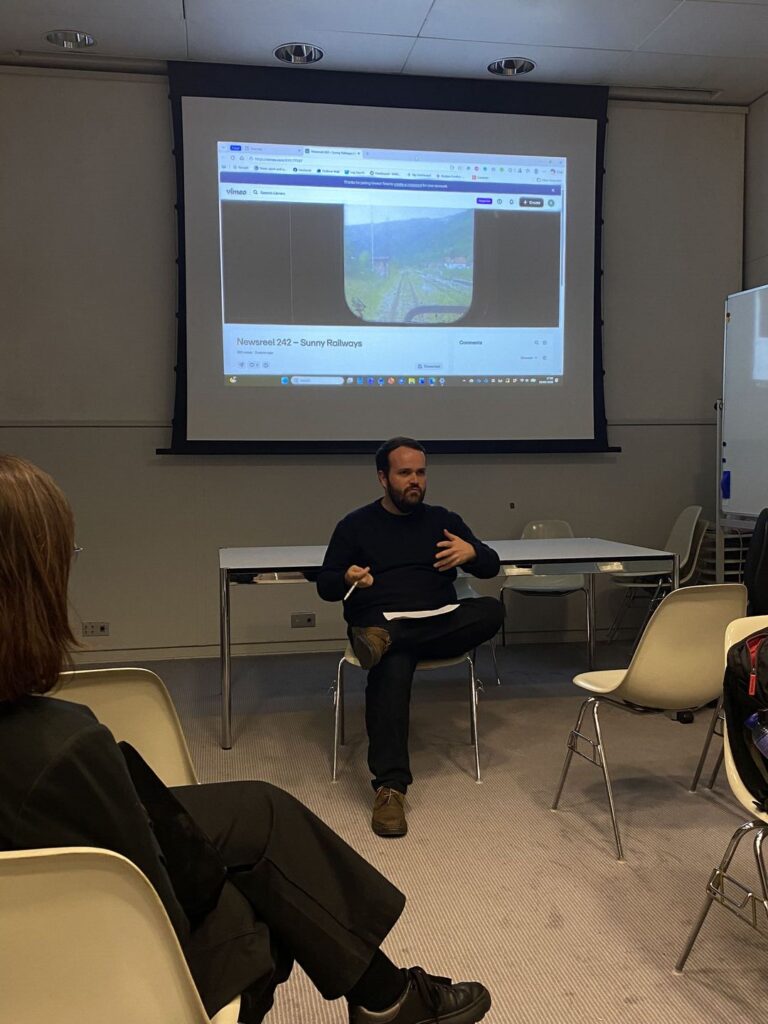
17.00 Special screening of Newsreel 242 – Sunny Railways (2023), 31′ by Nika Autor
In Yugoslavia in 1947, 211,000 of the country’s young people, joined by 5,735 from abroad, worked with great enthusiasm building the 242 kilometre railroad between Sarajevo and Samac. A newsreel from the period shows them toiling away with spades, pickaxes and shovels to complete the job in just seven months. Newsreel 242-Sunny Railways is both a tribute to these idealistic young people and an elegy for the loss of hope for a better world. This documentary essay argues that the story of the railroad harbours enduring ideas for a world beyond capitalism, and that we must rediscover the values of times past.
Response by Malcolm Lowe (School of History and Art History UEA)
Workshops
Tuesday 24 March 2026
11.00 SAVA Introduction
An introduction to the Socialist Anthropocene in the Visual Arts and the theme of the Research Week with Maja Fowkes and the SAVA Team.
11.30 Workshop on Decolonizing Development: Environmental Politics and the Non-Aligned Movement
Led by Bojana Piškur (Senior Curator, Moderna galerija Ljubljana)
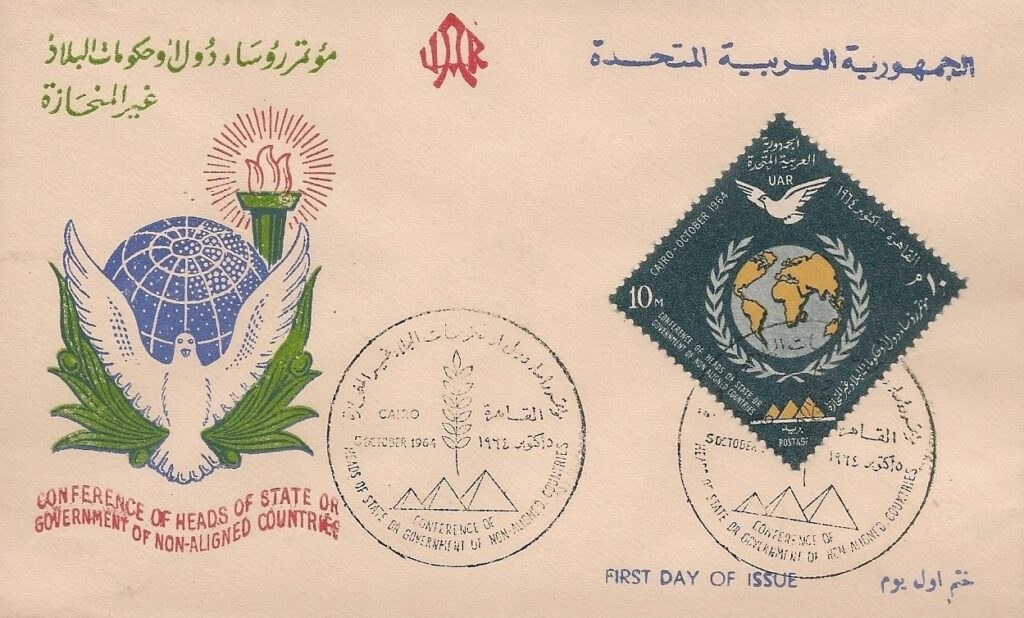
This project, currently at its initial stage, explores the Non-Aligned Movement’s engagement with environmentalism within the broader context of anti-colonialism and economic development. It examines the influence of Indira Gandhi’s 1972 United Nations Conference on the Human Environment speech in Stockholm on emerging debates about environmental protection and nature conservation within NAM, including discussions at the 7th NAM Summit in New Delhi in 1983. The project will continue to develop as it investigates NAM’s strategies for sustainable development that integrated ecological concerns with post-colonial priorities.
14.00 Workshop on La Otra Isla/The Other Island: Socialist Worldmaking and the Cuban Revolution
Led by Sorcha Thomson (SAVA UEA)
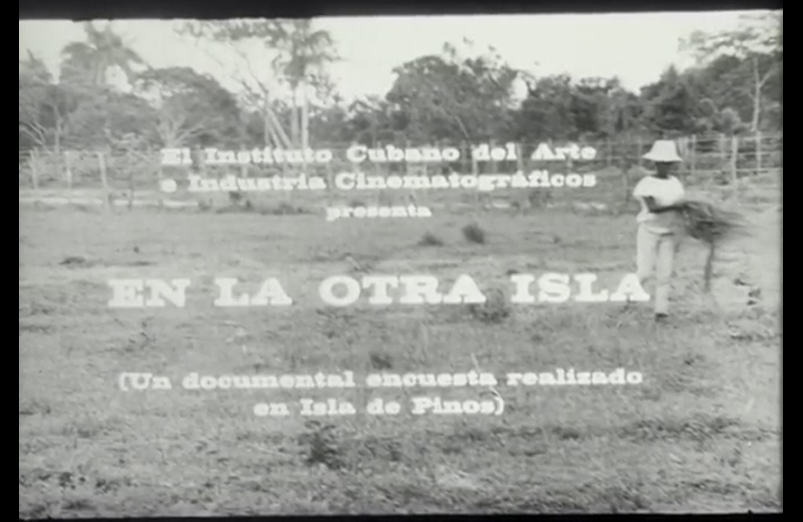
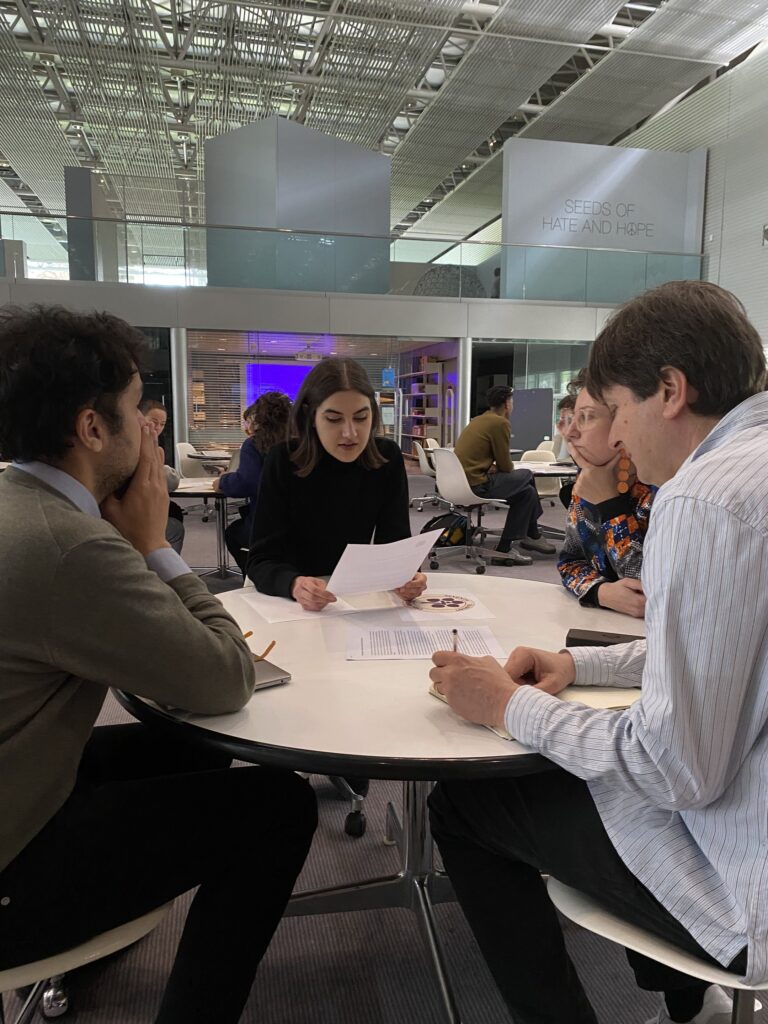
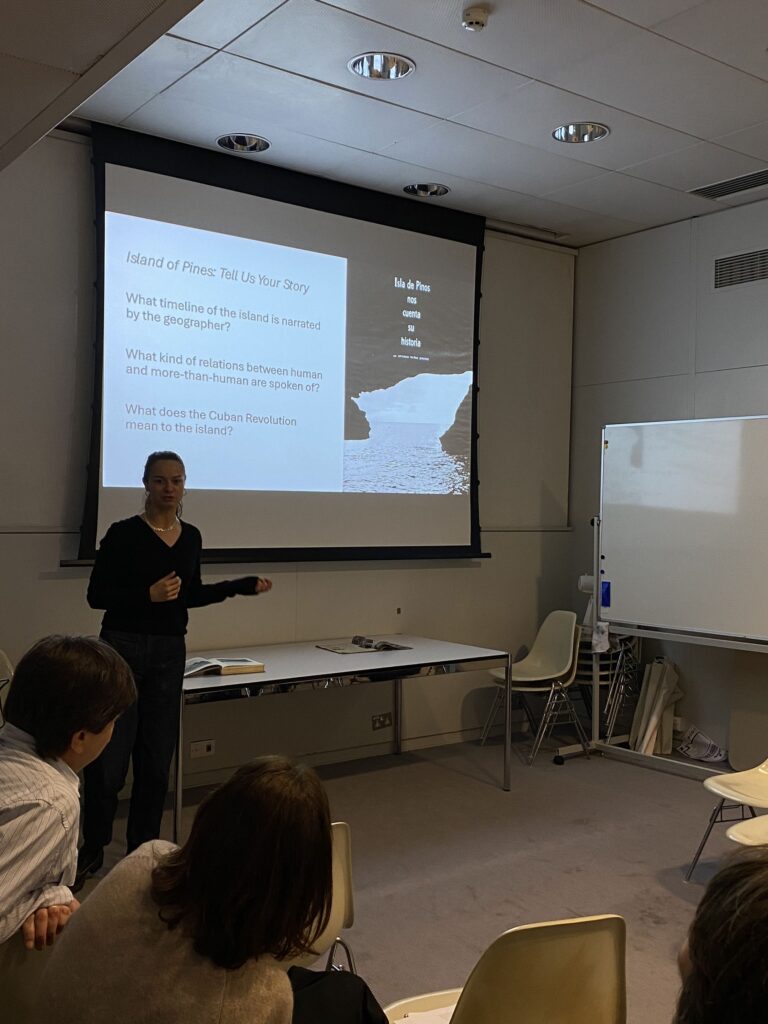
This workshop presents archival materials from and on the Isla de Juventud, an island 50km from the Cuban mainland where the revolutionary government set out “not only to revolutionise nature, but also to revolutionise minds.” From the 1960-80s, tens of thousands of young Cubans and students from Africa, Asia, the Americas and Europe went to the island to live, study, work, farm and build. From these materials, we will collectively consider the ecopolitical dimensions and imprints of socialist worldmaking.
Wednesday 25 March 2026
10.30 Workshop on Epistolary Ecosystems: Female Friendships and Solidarities in the Non-Aligned World
Led by Alexandra Perišić (Faculty of Media and Communications Belgrade)
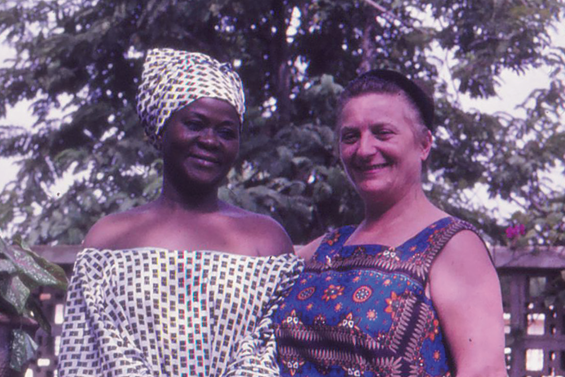
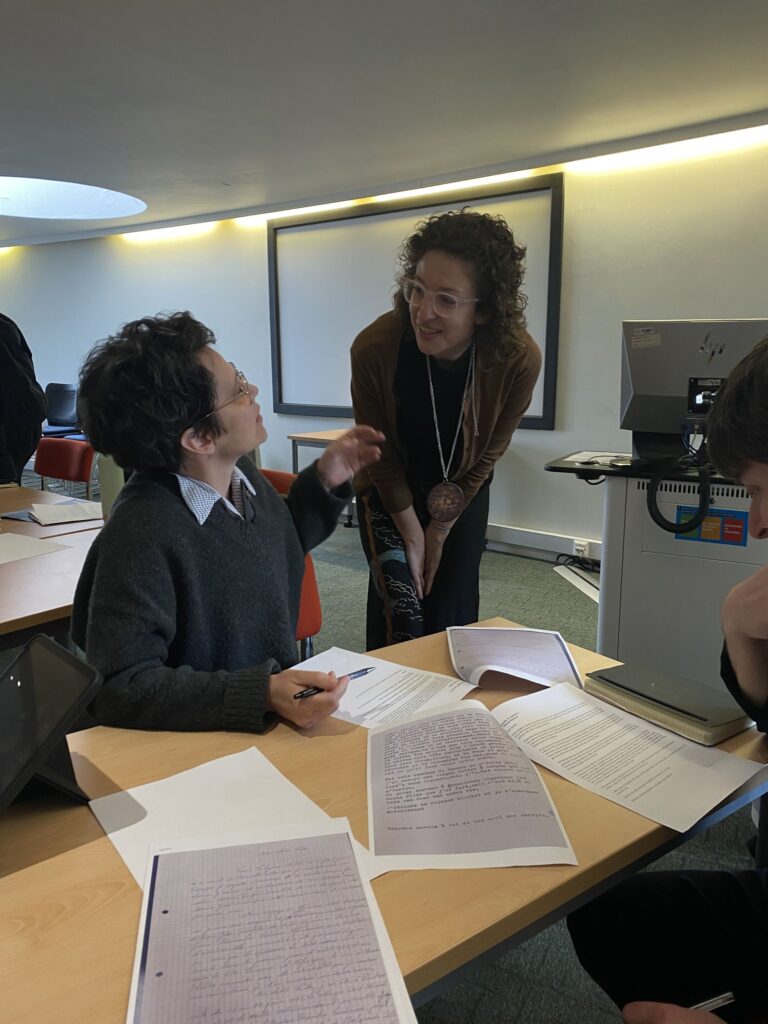
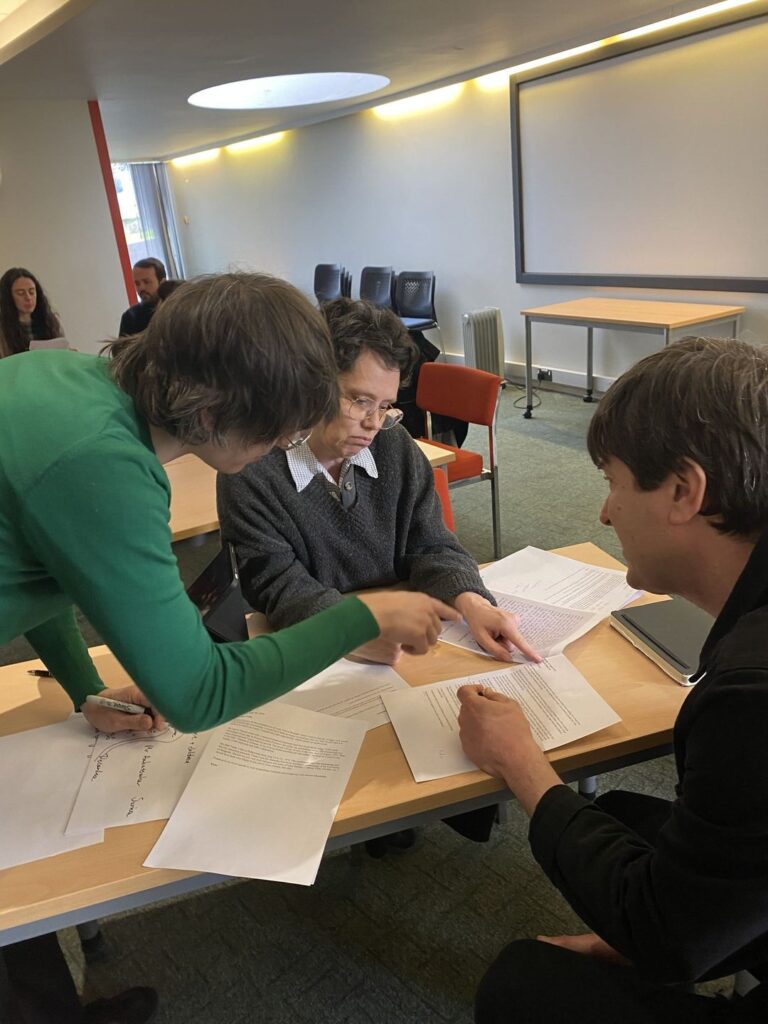
This interactive workshop explores epistolary archives as a way of understanding transnational feminist solidarities within the Non-Aligned Movement. Through close reading and collaborative mapping of letters exchanged between Malian midwife and politician Aoua Kéita and Yugoslav activists Veda Zagorac and Vida Tomšič, participants will explore how friendships across continents were built through travel, shared political work, and experiences of social and environmental change. A creative writing component invites participants to respond to archival gaps by composing imagined “missing letters,” encouraging reflection on the fragility, effort, and emotional labor involved in maintaining transnational connections.
14.00 Workshop on The miner is a horse, of course. Animal liberation, coal mining and the abolition of labour in 1950s Poland
Led by Jan Burek (Department of History, University of Warsaw)
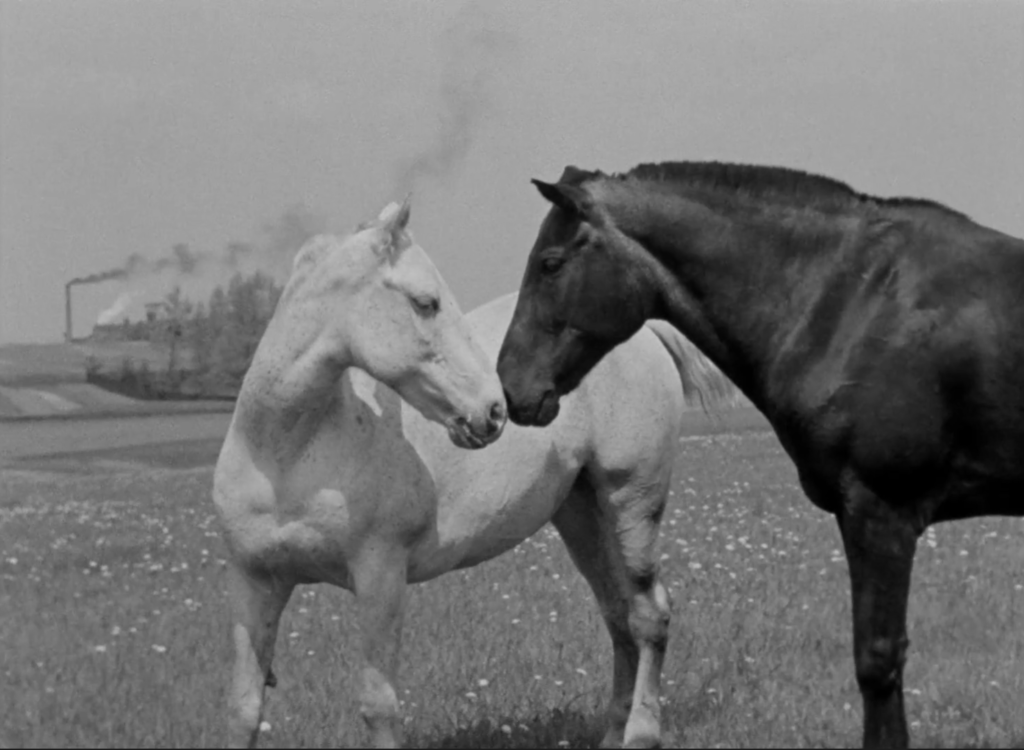
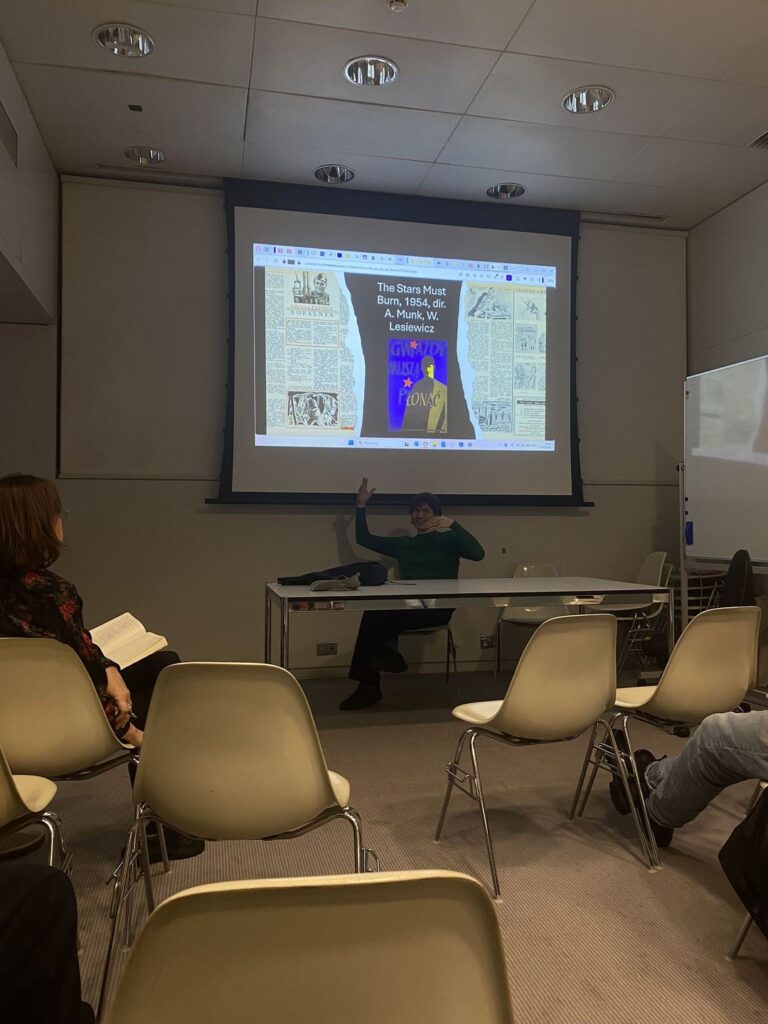
Using the theoretical framework of Jason Hribal’s multi-species history from below, the workshop discusses the limitations of the traditional animal history paradigm in the context of Andrzej Munk’s socialist realist documentary film “The Stars Must Burn” (“Gwiazdy muszą płonąć”, 1954).
Speaker biographies
Sammy Baloji is a photographer, visual artist and filmmaker living between Lubumbashi and Brussels. His work explores the colonial history of the Democratic Republic of Congo under Belgian rule, and its lasting ecological impact and entanglements into the present, with a particular focus on the cultural, architectural and industrial heritage of the contested and resource-rich region of Katanga. Drawing on archival records, personal testimonies and scientific analysis, he examines the enduring legacy of colonial extractivism, underscoring its human, more-than-human and environmental consequences whilst urging a reassessment of our relationship with the planet. He has exhibited in Athens, Brussels, Florence, London, Moscow, Sydney, Toronto, and at the Venice Biennale and Documenta 14 amongst other places.
Jan Burek (University of Warsaw) is a social and cultural historian whose primary focus is on the environmental and labor history of state socialist Poland. As a SAVA Research Fellow in Environmental History (2022-25) at the UCL IAS, he studied an early 1960s international project of the Druzhba (Przyjaźń) oil pipeline from a local perspective of Płock, a town in Central Poland (where an enormous refinery and petrochemical plant was constructed as part of the Druzhba pipline network). His research focused on uncovering how the inhabitants of Płock dealt with the impact of the pipeline and the plant on the environment and their daily lives, in the context of the emerging environmental awareness.
Selena Gabresi (b. 2001, Addis Ababa) is a PhD candidate in History at Paris1 Panthéon-Sorbonne University, working on a dissertation entitled On the Benches of the Revolution: Cuban Socialist Education and Ethiopia (1974–1991) under the supervision of Geneviève Verdo and Giulia Bonacci. She obtained a bachelor’s degree in history and a master’s degree in history of international Relations with a focus on Latin America at the Paris1 Panthéon-Sorbonne University. Her research explores the intersections of revolutionary movements, education, and global history, with a particular focus on the transnational ties between Cuba and Ethiopia during the Cold War.
Iswanto Hartono (born 1972 in Purworejo, Central Java, Indonesia) is an artist, curator, architect and exhibition designer whose work explores the intersection of spatial practice, ecology and activism. His research projects explore concepts such as climate justice, decolonial pedagogies, and epistemologies from Global South contexts. He integrates methodologies focused on sustainability, upcycling, and collective design. He has taught at several leading global institutions and is currently pursuing a practice-based PhD at CREAM, University of Westminster, London. He is a part of ruangrupa, an artist collective based in Jakarta. He was one of the co-Artistic Directors when the collective led Documenta Fifteen/Lumbung #1 in Kassel, Germany, in 2022.
Pedro Monaville (McGill University, Montreal) is a historian of modern Africa. His research focuses on colonial and postcolonial Congo, revolutionary movements, political subjectivities, knowledge production, popular culture, memory work, and the connections between visual arts and history. His first book, Students of the World: Global 1968 and Decolonization in the Congo was published by Duke University Press in 2022. The book focuses on student activism in the Democratic Republic of Congo in the 1960s and 1970s. Through their activism and intellectual work, students introduced and mediated new ideas about culture, politics, and the world. In this book, Monaville shows how students reimagined the Congo as a decolonized polity by connecting their country to global discussions about revolution, authenticity, and equality.
Aeron O’Connor (UCL) is a social anthropologist focused on family and intellectual histories in urban Central Asia, particularly Tajikistan. Her research interests lie in knowledge and cultural production, social mobility and cosmopolitanism, and I draw on existing scholarship on the Persianate sphere to situate Central Asia in a more complex web of values and histories than its recent Soviet history allows.
Kevin Ochieng Okoth is a writer based in London. He is the author of Red Africa: Reclaiming Revolutionary Black Politics (Verso, 2023) and a regular contributor to the London Review of Books. His work focuses on anti-colonial histories and the political economy of imperialism.
Alexandra Perišić is Associate Professor at the Faculty of Media and Communications in Belgrade, Serbia . Her teaching and research interests include contemporary Francophone literature of Sub-Saharan Africa and the Caribbean, literatures of the Black Atlantic, and theories of globalization. Her first book, Precarious Crossings: Immigration, Neoliberalism, and the Atlantic, offers an account of a multilingual Atlantic under neoliberalism. Her Forgotten Friendships: Yugoslavia and the Anticolonial World was published in 2025.
Bojana Piškur is a senior curator at Moderna galerija in Ljubljana. Her research and curatorial work focus on the Yugoslav and post-Yugoslav context, the Non-Aligned Movement, and the evolving concept of the “East(s),” particularly in relation to art, culture, and politics. Her work examines how past emancipatory struggles and alternative geopolitical imaginaries can inform and reshape contemporary debates on power, identity, and solidarity, using art to challenge historical narratives and offer new perspectives on global political movements.
Sorcha Thomson (SAVA UEA) is an interdisciplinary historian of twentieth century anti-colonial and socialist movements. She is particularly interested in the role of tricontinental movements and their solidarity networks in shaping global political agendas and imaginations. As SAVA Research Fellow in Global Socialisms, her current project investigates the transnationalism of Cuban agrarian reform between 1959 and the 1970s, a program of land redistribution that transformed the island and its socio-ecological relations.
Makar Tereshin (SAVA UEA) is a social anthropologist and documentary photographer. He holds a PhD in Social Anthropology from University College London. His research interests concern material culture studies, environmental and visual anthropology. Makar specialises in the ethnographic study of large-scale technological and industrial infrastructures, with a focus on the social, political, and environmental transformations they generate in Russia and Kazakhstan.
Documentation
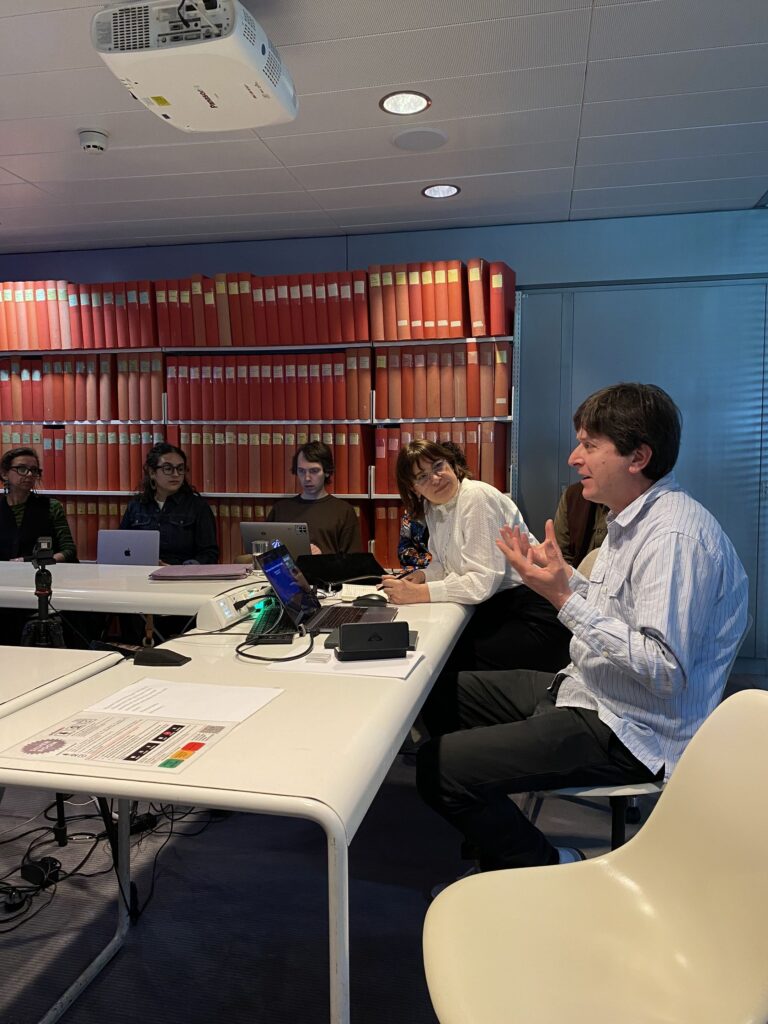
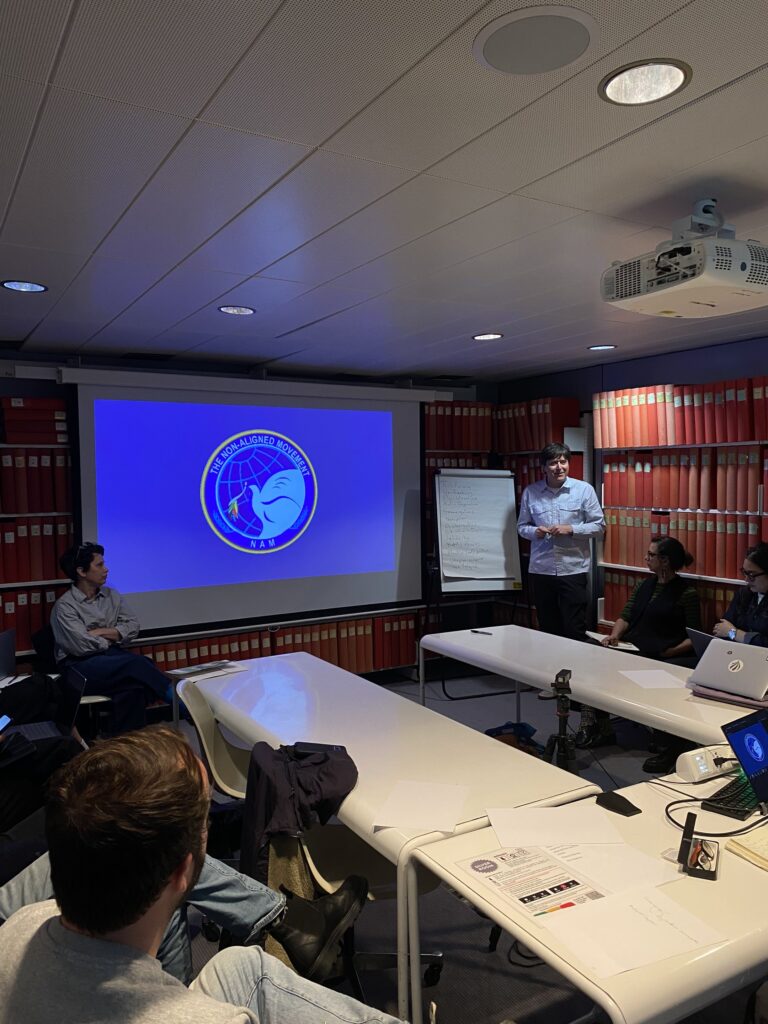
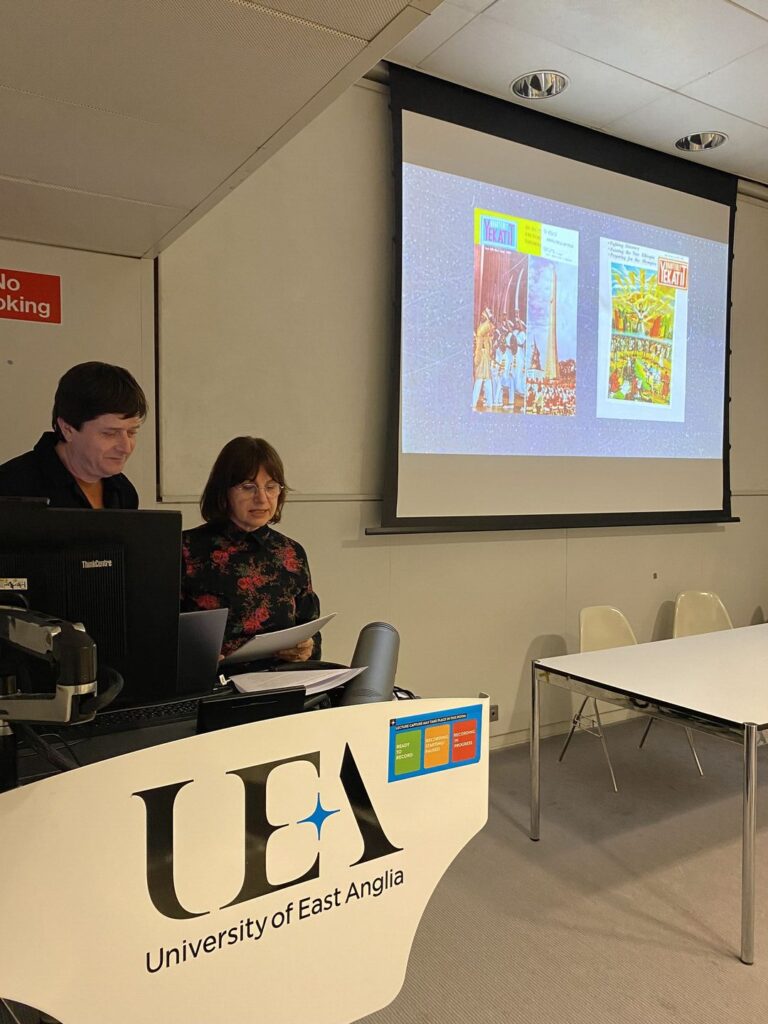
‘Monumental Alignments in Socialist Ethiopia: An Anthropocene Perspective’ by
Maja and Reuben Fowkes.
Bojana Piškur.