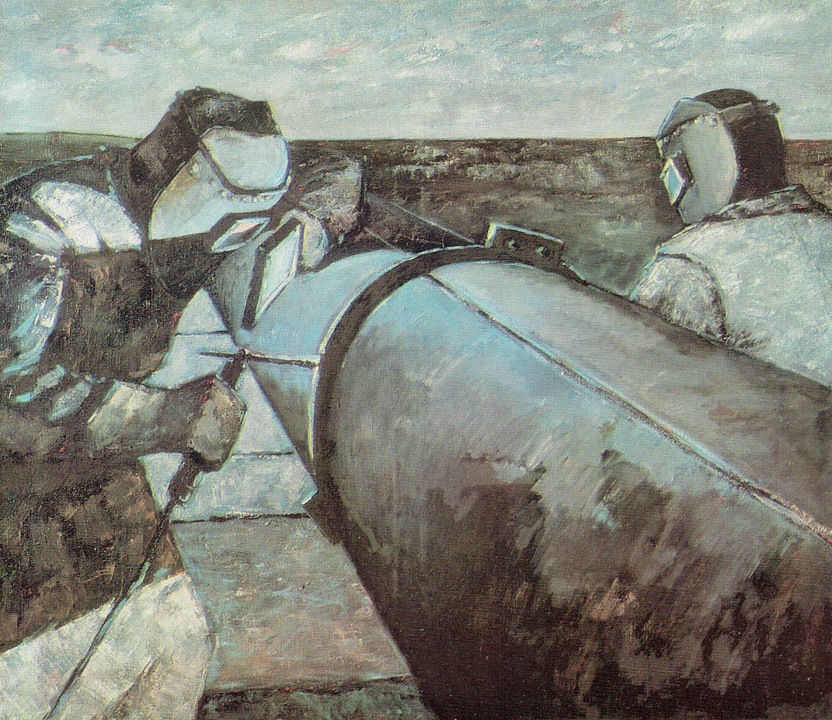
This panel presents research into environmental and economic policies, visions, activism and alternatives from state socialist and post-socialist societies, organized under the theme of the Socialist Anthropocene. Based in the concept of the Anthropocene as an event of human-driven geological change, the Socialist Anthropocene is a distinct, if not wholly discrete, expression of humanity’s will and ability to transform and harness nature in the service of equality, equity, and common solidarity, even when that ability has led to exploitation, violence, and environmental destruction.
From Poland’s chemical modernity in the 1960s to contemporary ecosocialisms and their genesis in state socialist nations, our panel seeks in part to understand how growth and productive modernity informed state socialist policies, as well as triggered sharp criticisms from diverse activists seeking a more sustainable relationship with the natural world. We also seek to contextualize degrowth in a longer intellectual and activist genealogy, as well as offer further paths of policies and activism, now and into the future.
Jan Burek’s panel is titled “Between Chemical Suicide and Chemical Welfare. Negotiating Chemical Modernity in Gomułka’s Poland”. And Alexander Petrusek is titled “Towards a Socialist Anthropocene: Debating Degrowth in East Germany, 1972-1989”.