SAVA Kazakhstan Research Trip
SAVA Research Trip
Kazakhstan
September 2024
Maja Fowkes
Reuben Fowkes
Alex Petrusek
SAVA Research Trip
Kazakhstan
September 2024
Maja Fowkes
Reuben Fowkes
Alex Petrusek
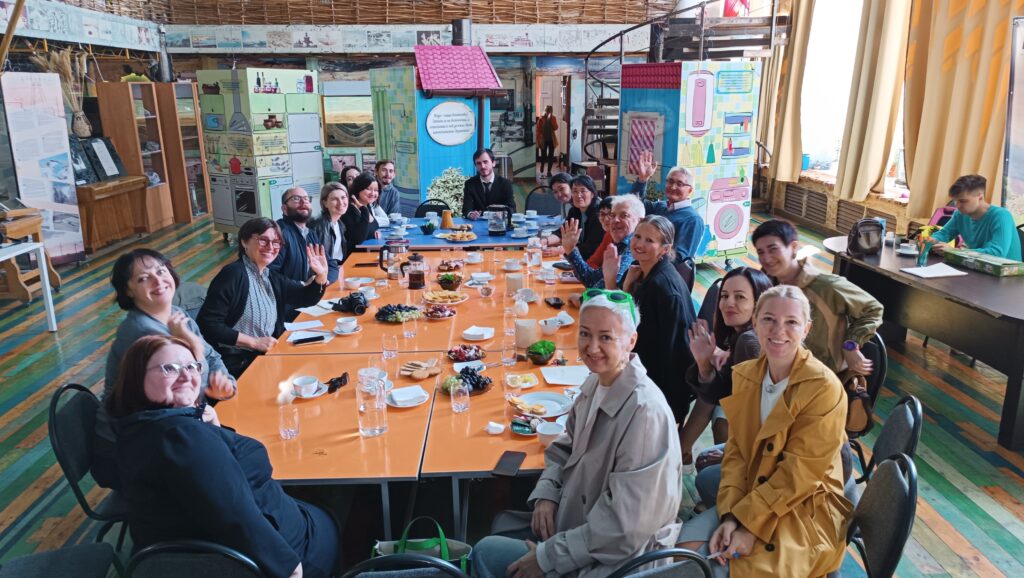
The second SAVA Team research trip was to the cities of Almaty, Karaganda and Astana in Kazakhstan and took place in September 2024. Visits to museums, sites of the Socialist Anthropocene and meetings with scholars and artists brought into focus the environmental history of socialist developmentalism in Central Asia.
Day One
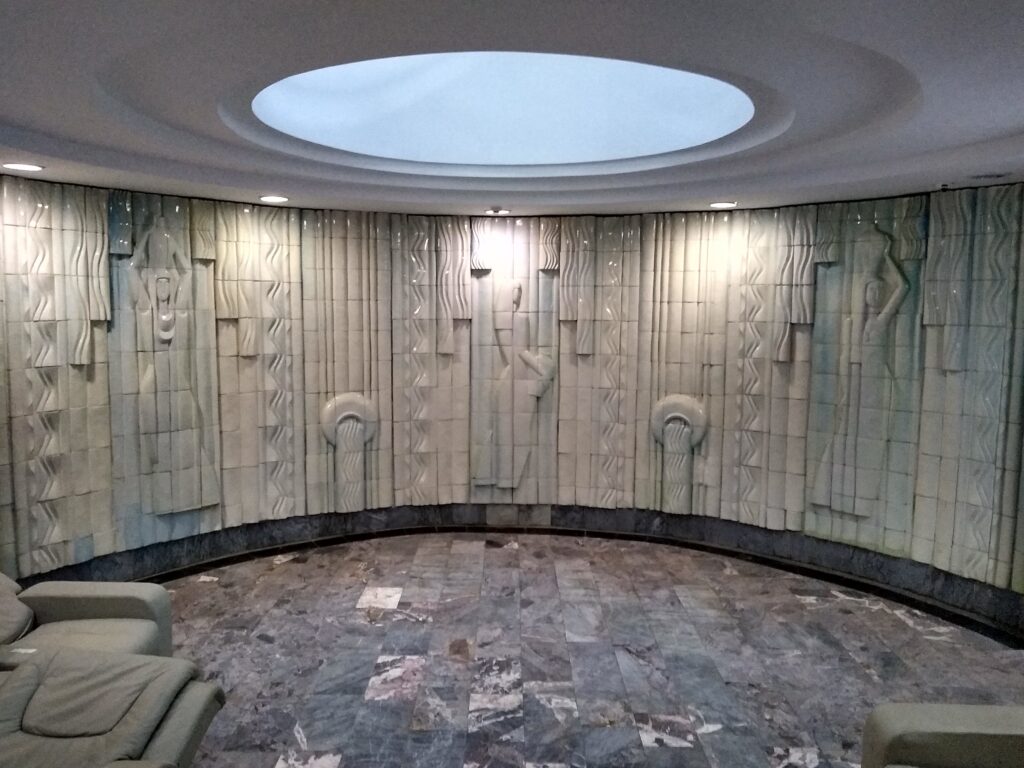
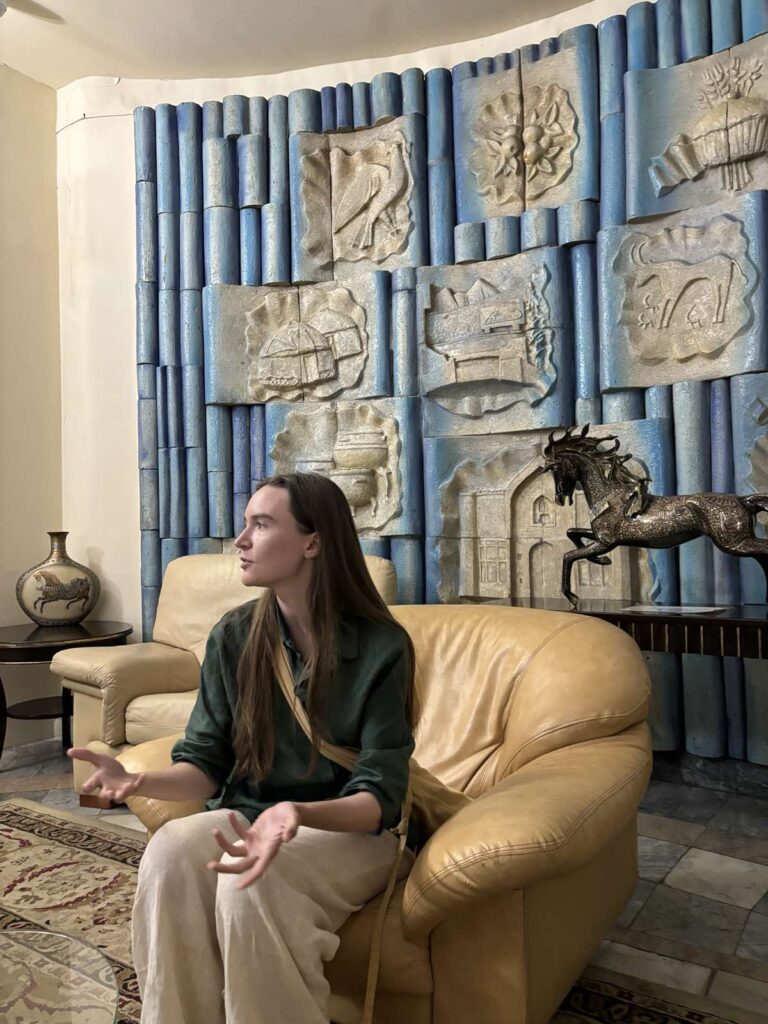
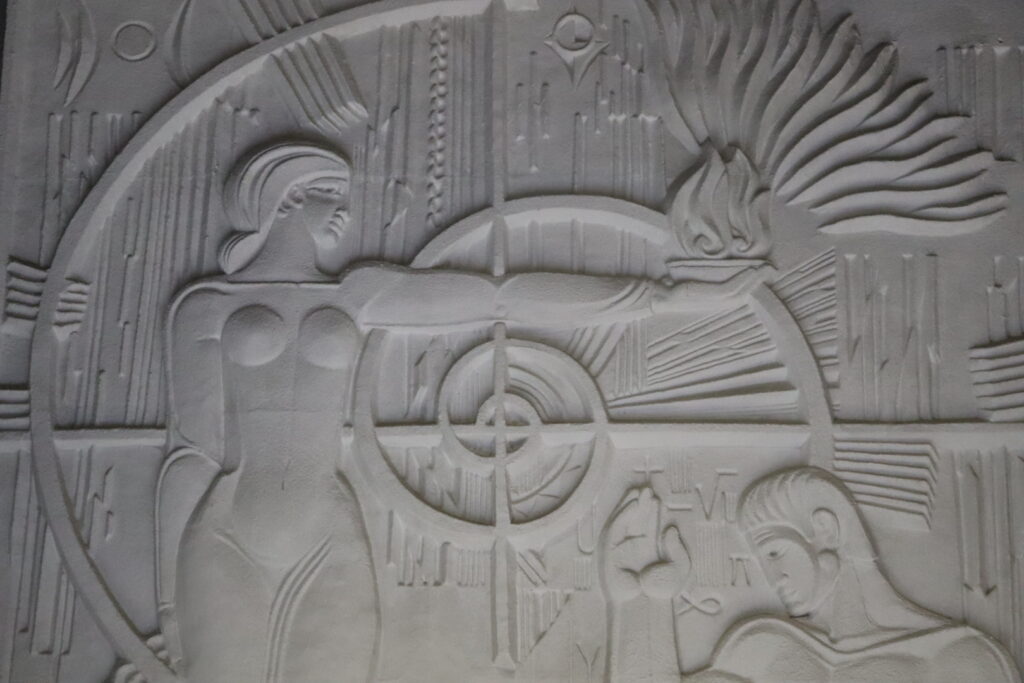
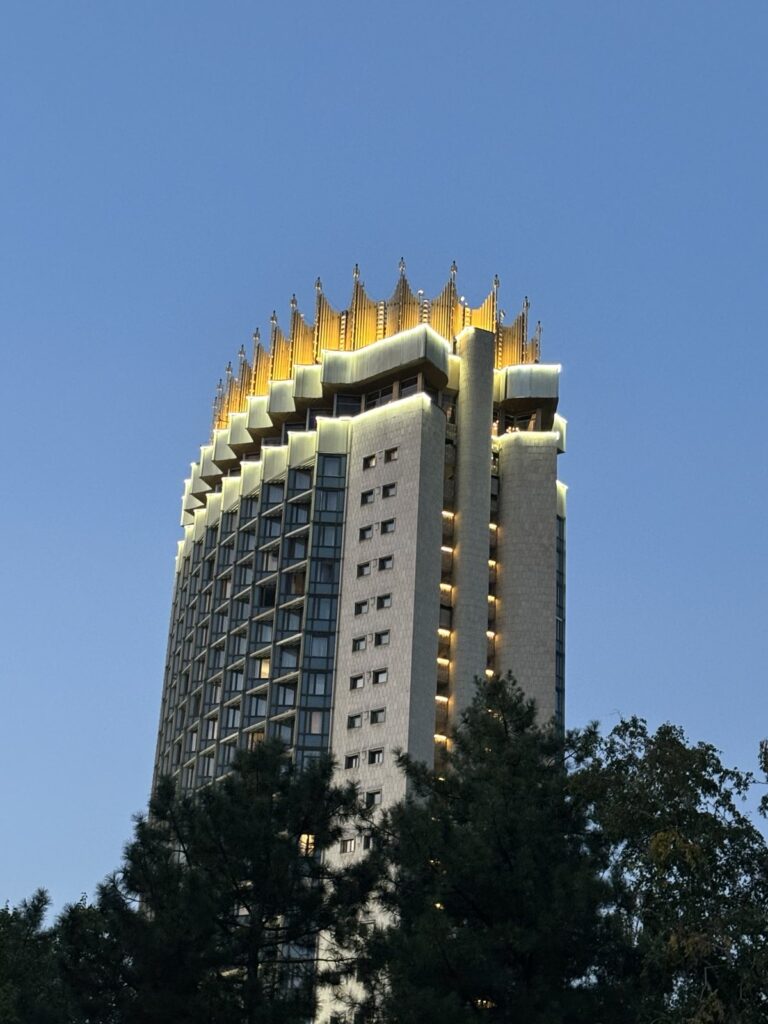
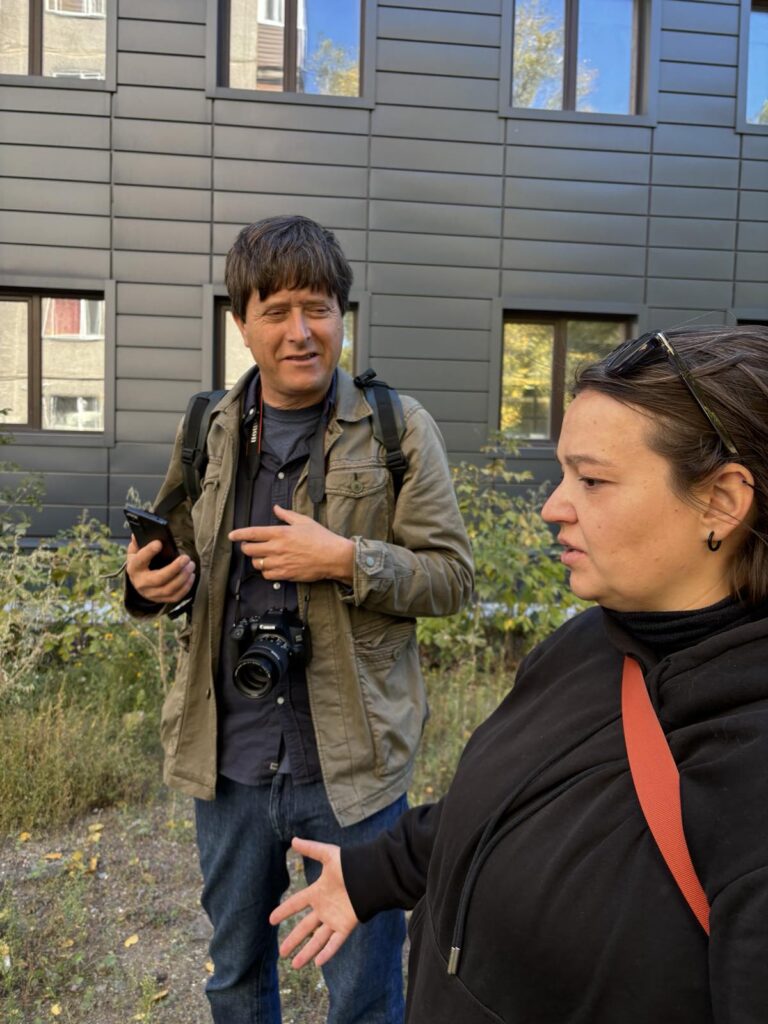
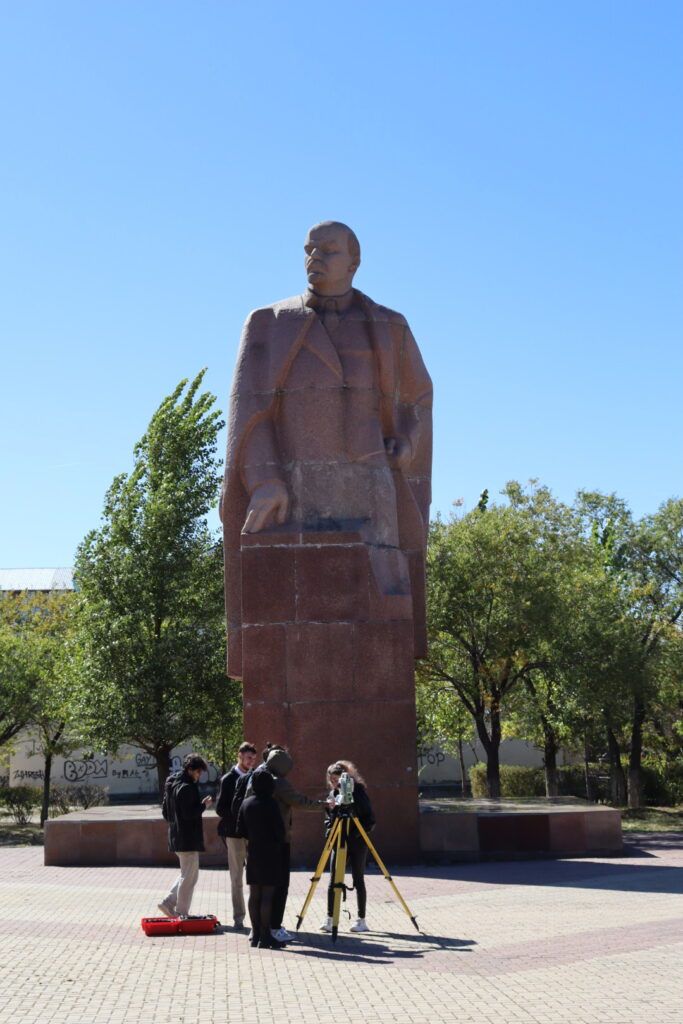
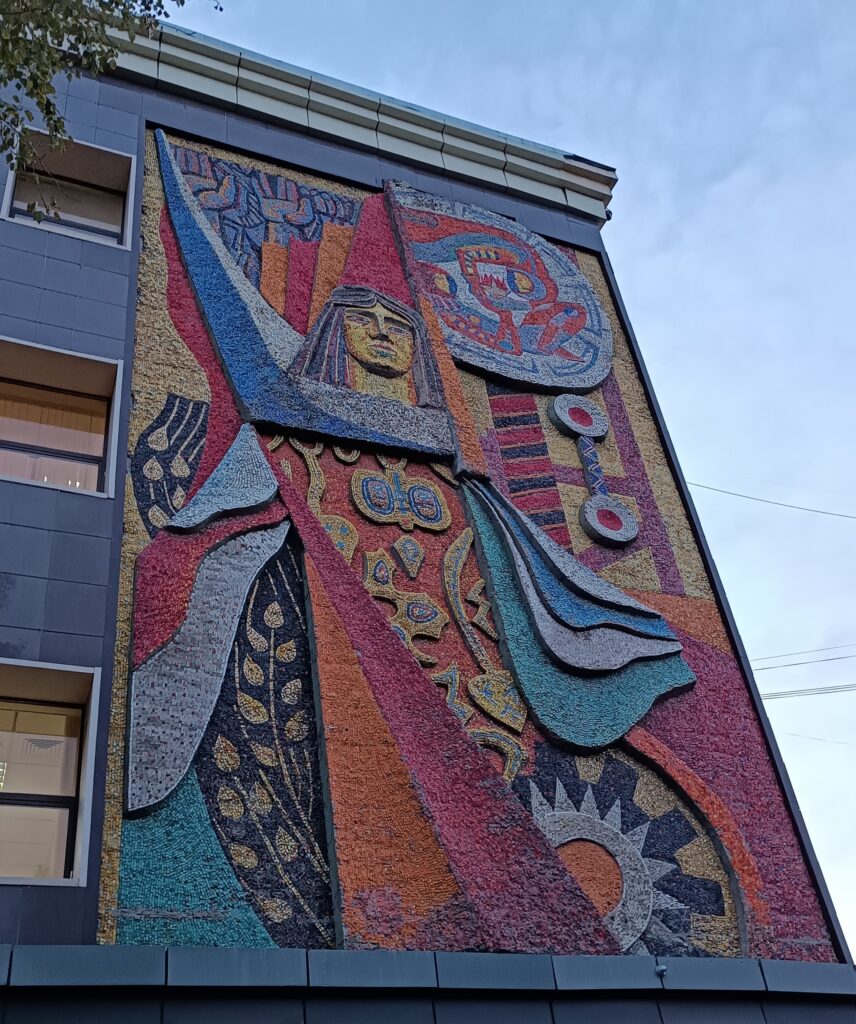
The first afternoon in Almaty was dedicated to a walking encounter with the traces of the socialist city, with art historian Antonina van Lier revealing the entanglements of late socialist iconography and Kazakh motifs in surviving examples of Soviet public art.
Day Two
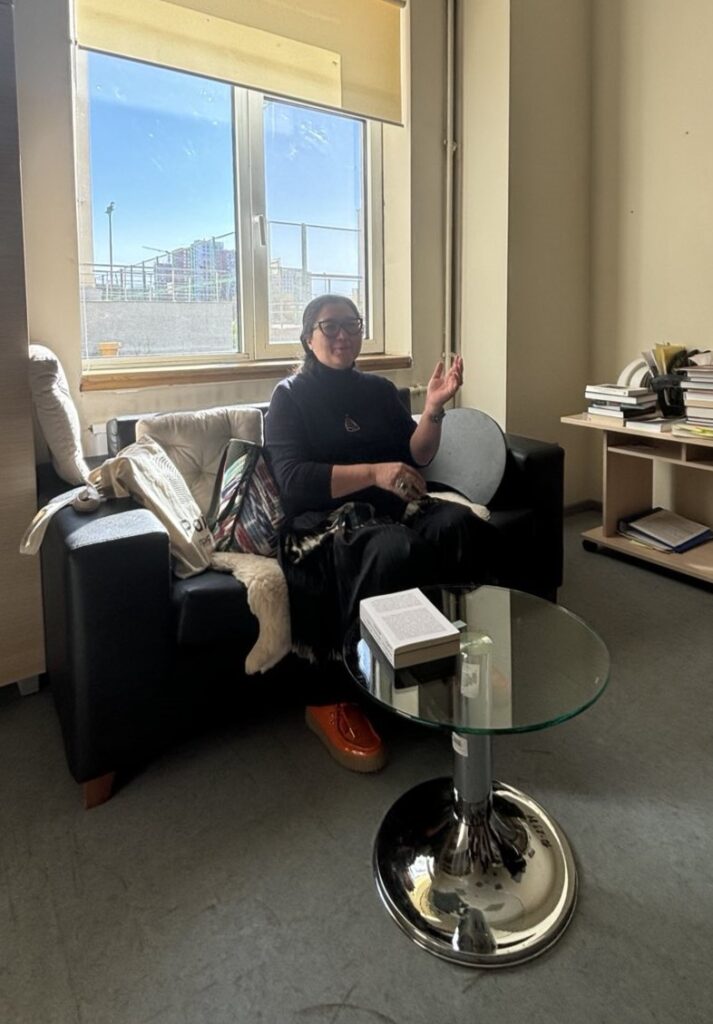
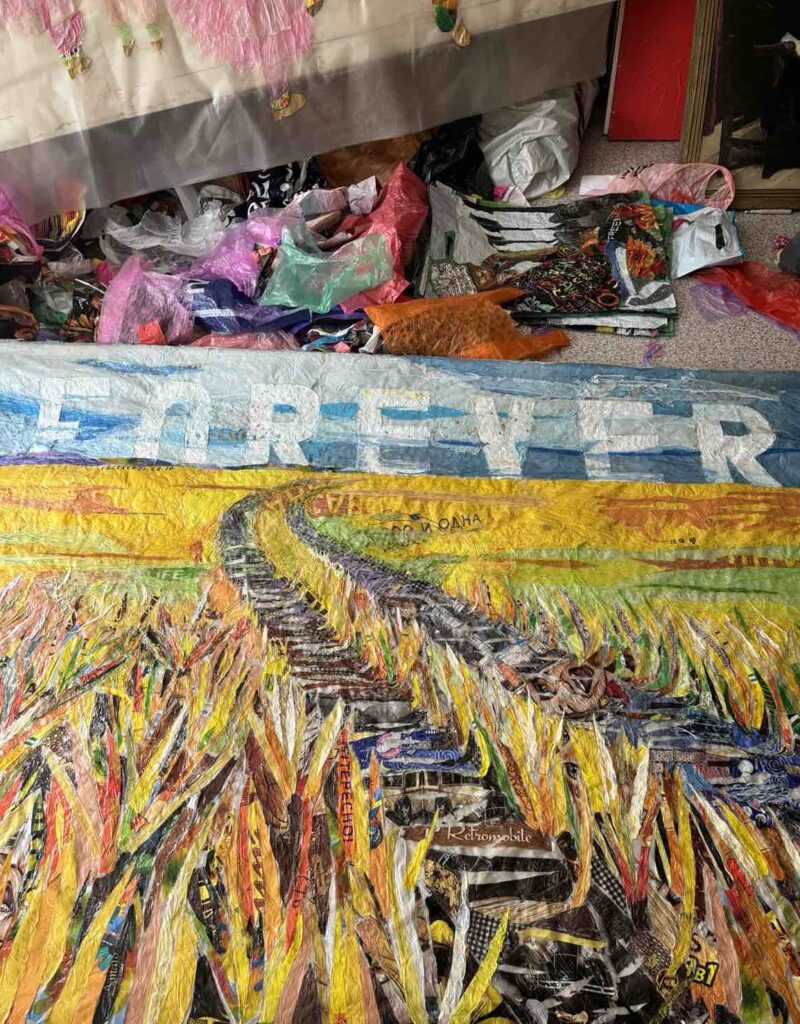
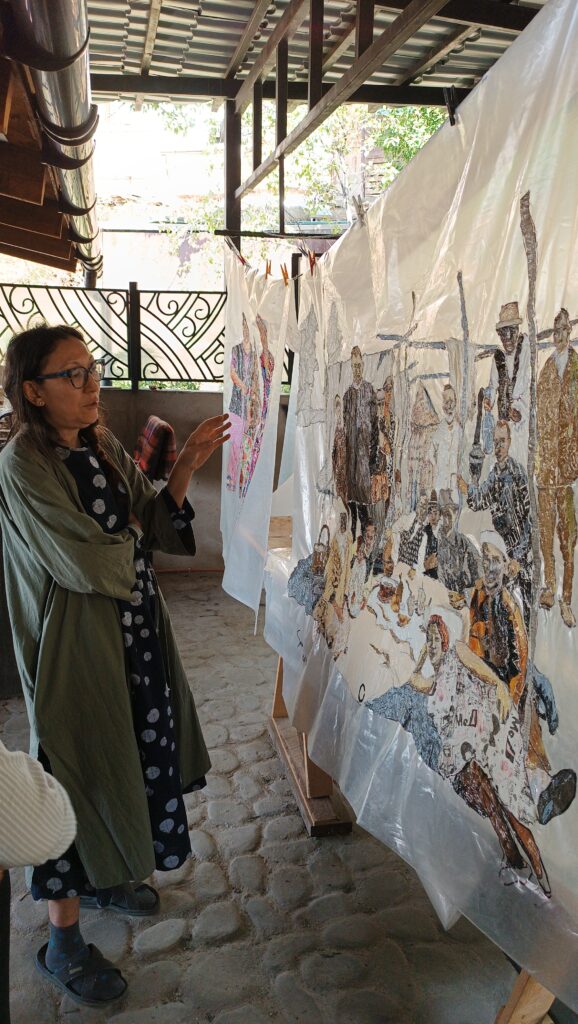
Questions of art activism, identity and ecology came to the fore in our visit to the studio of artist Saule Suleimenova, who showed us her paintings in the extended medium of repurposed plastic bags; the ultimate Anthropocene material that as the artist commented today blow across the steppe. Her works disclose the hidden history of the Asharshylyk famine, deportations and exodus of the1930s, as well as the challenges facing migrants returning to Kazakhstan in the post-socialist era.
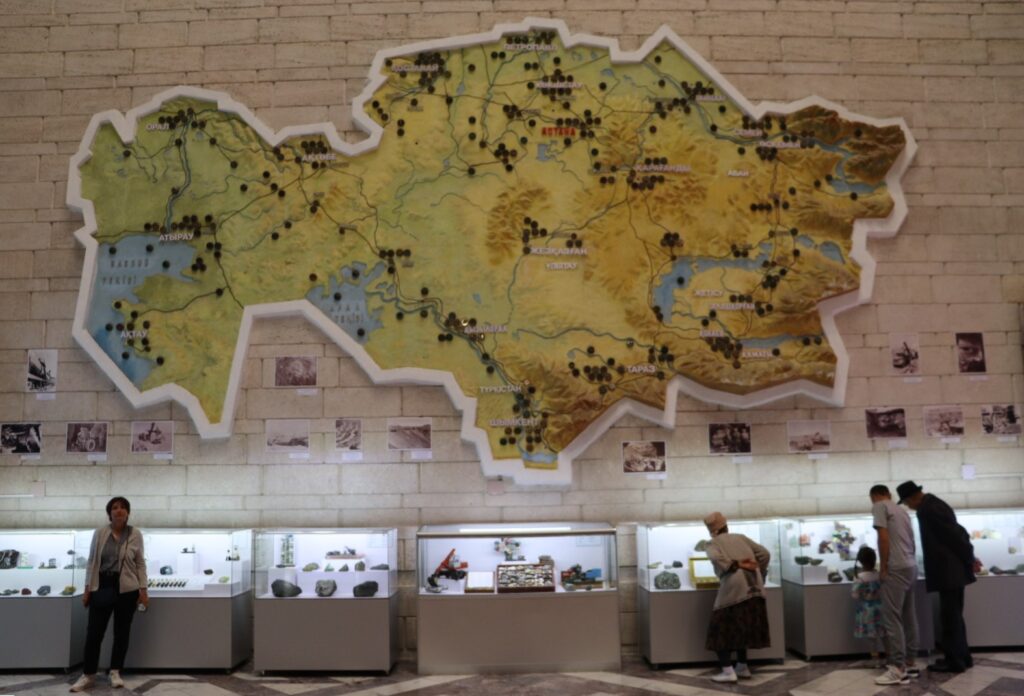
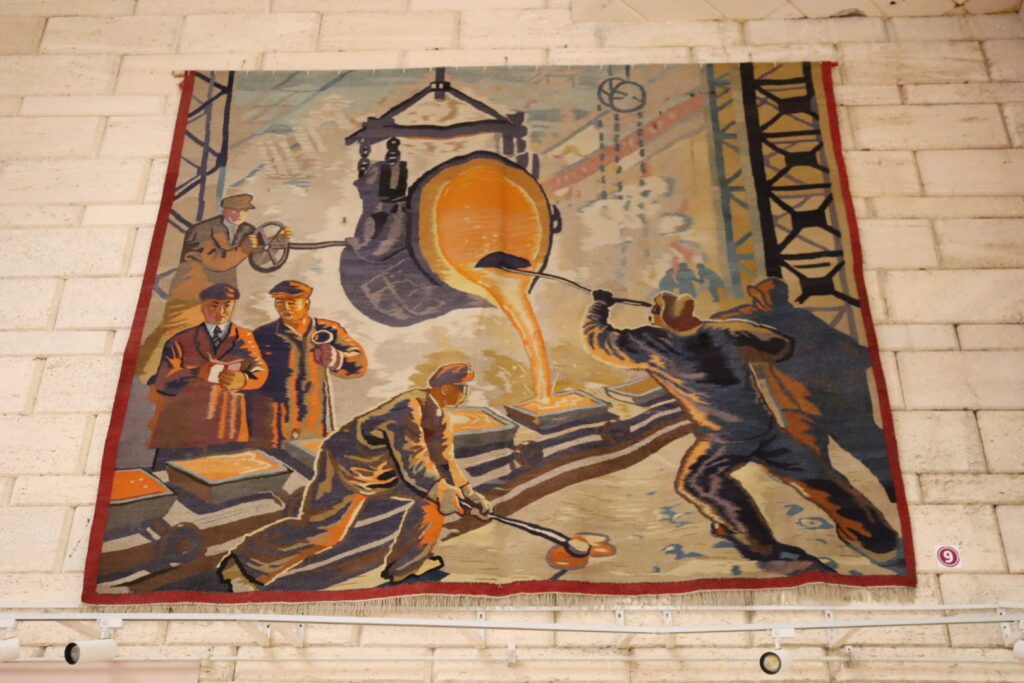
The cavernous atrium of the Central State Museum of Kazakhstan is dominated by a map of national resources and socialist era carpets memorializing agricultural and industrial achievements.
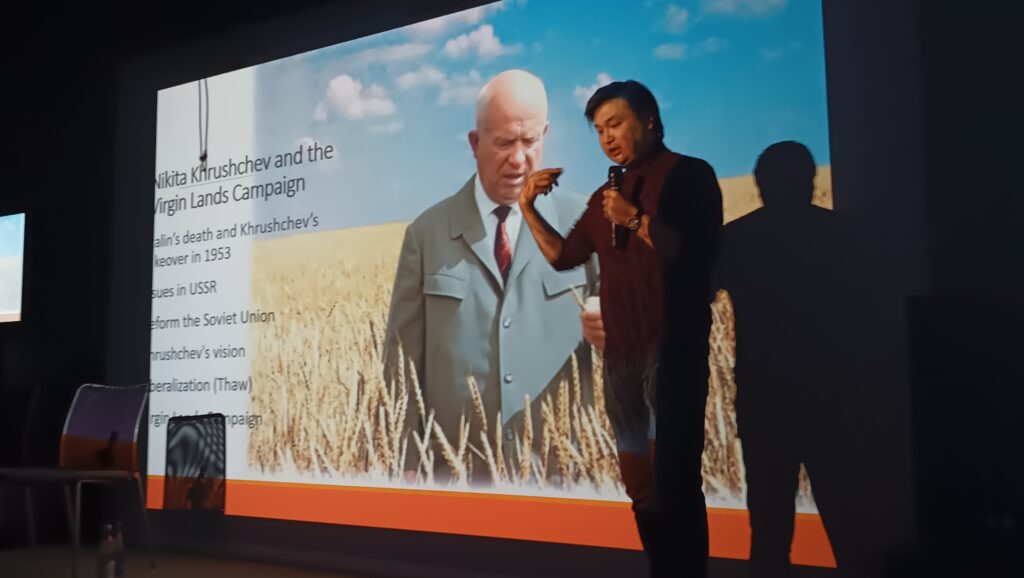
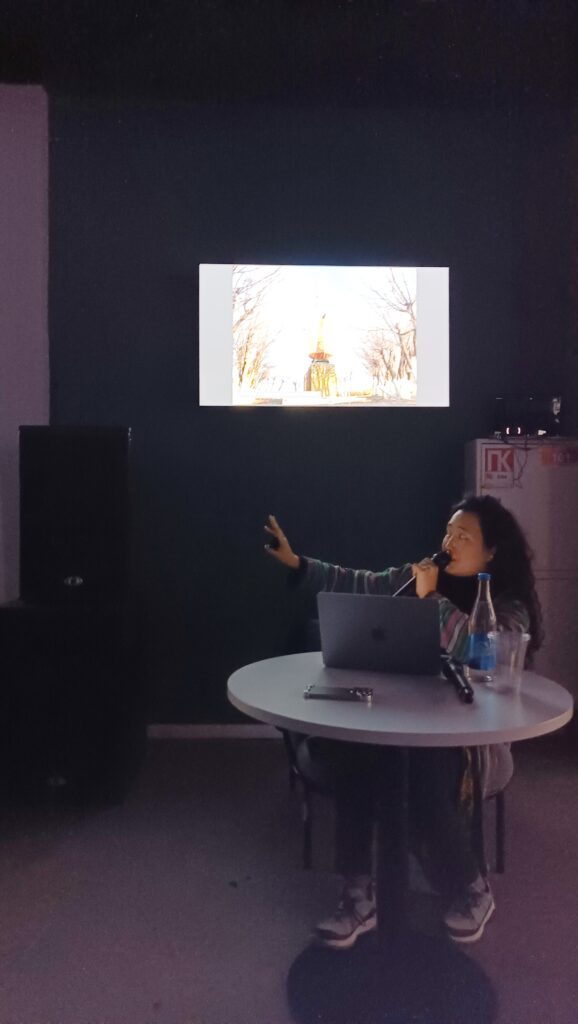
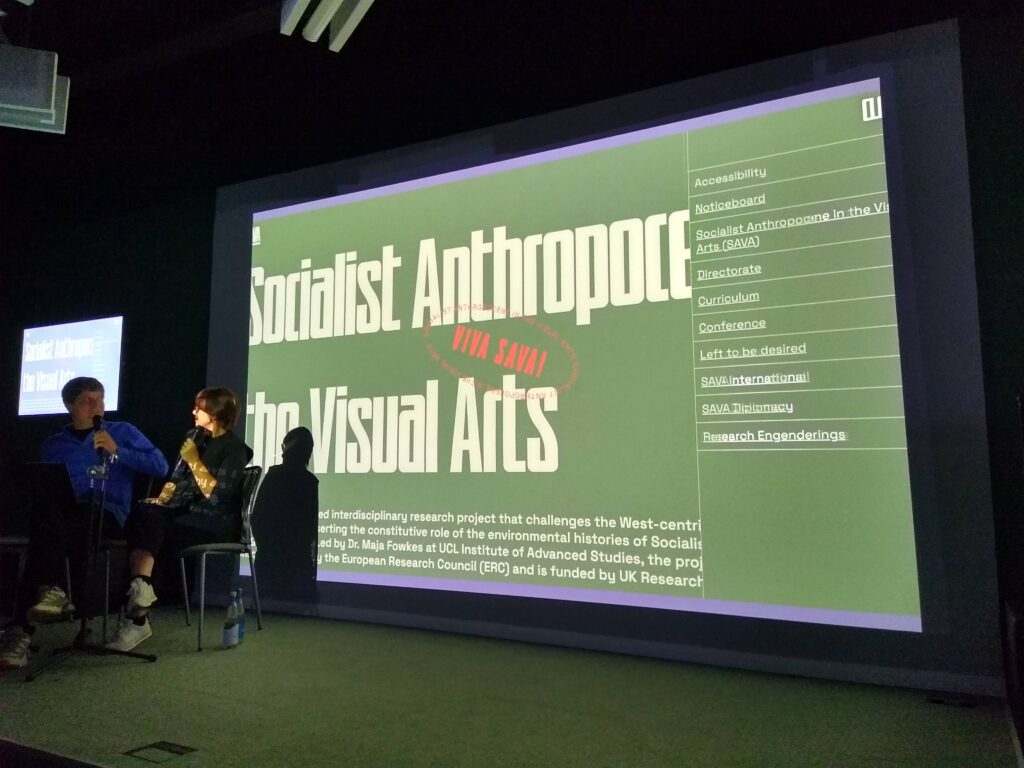
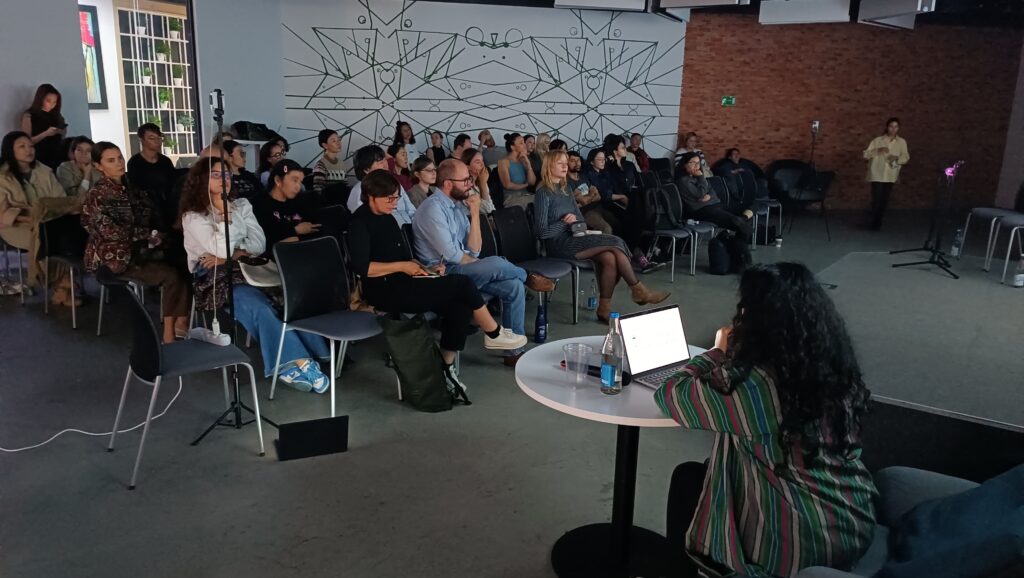
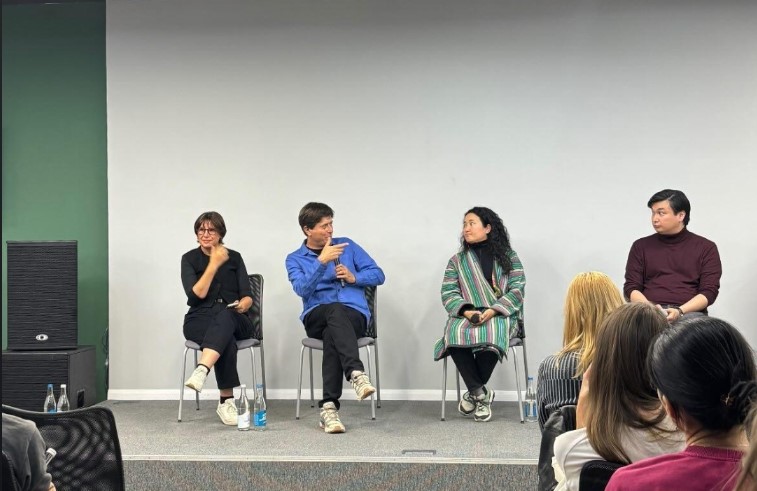
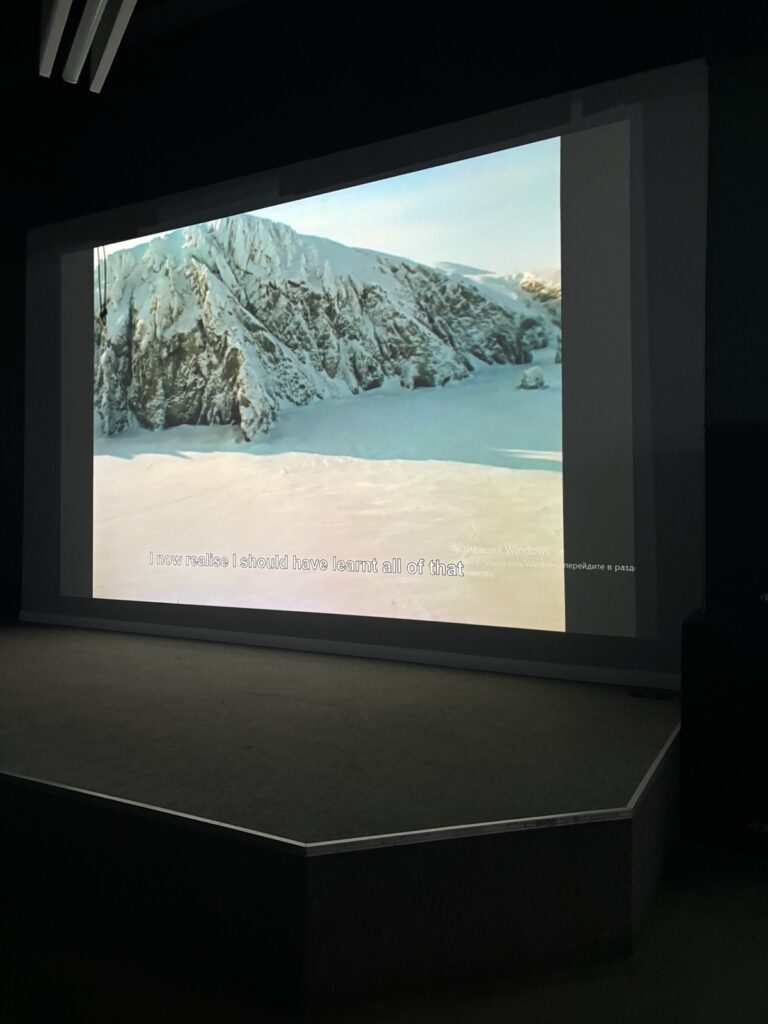
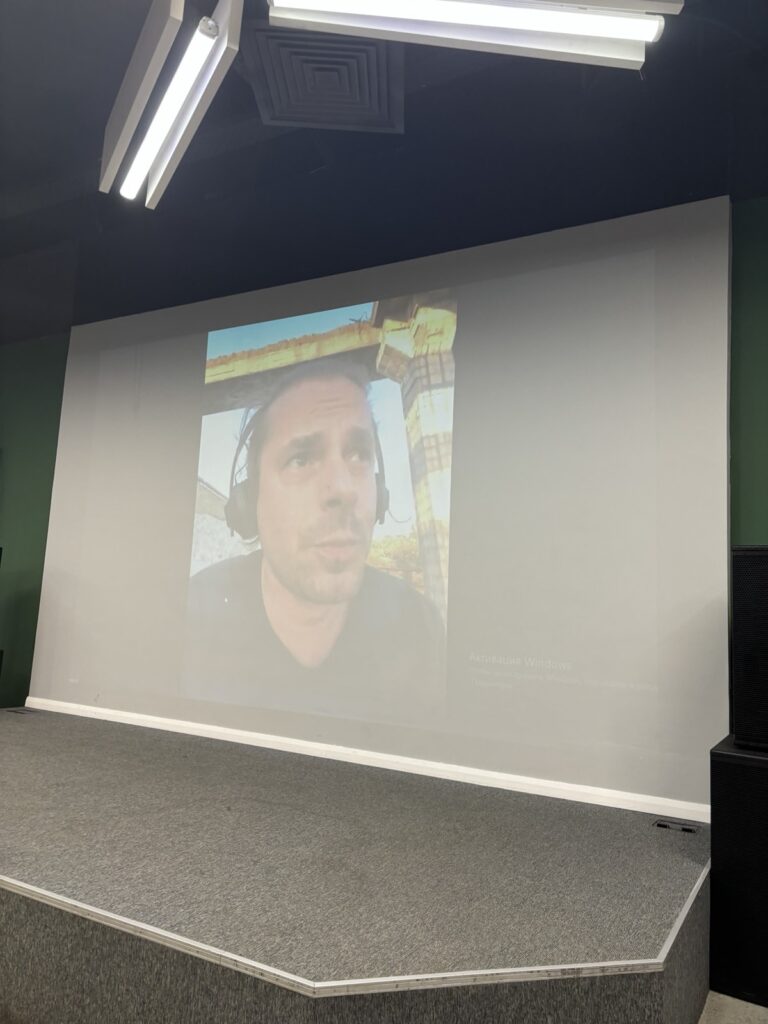
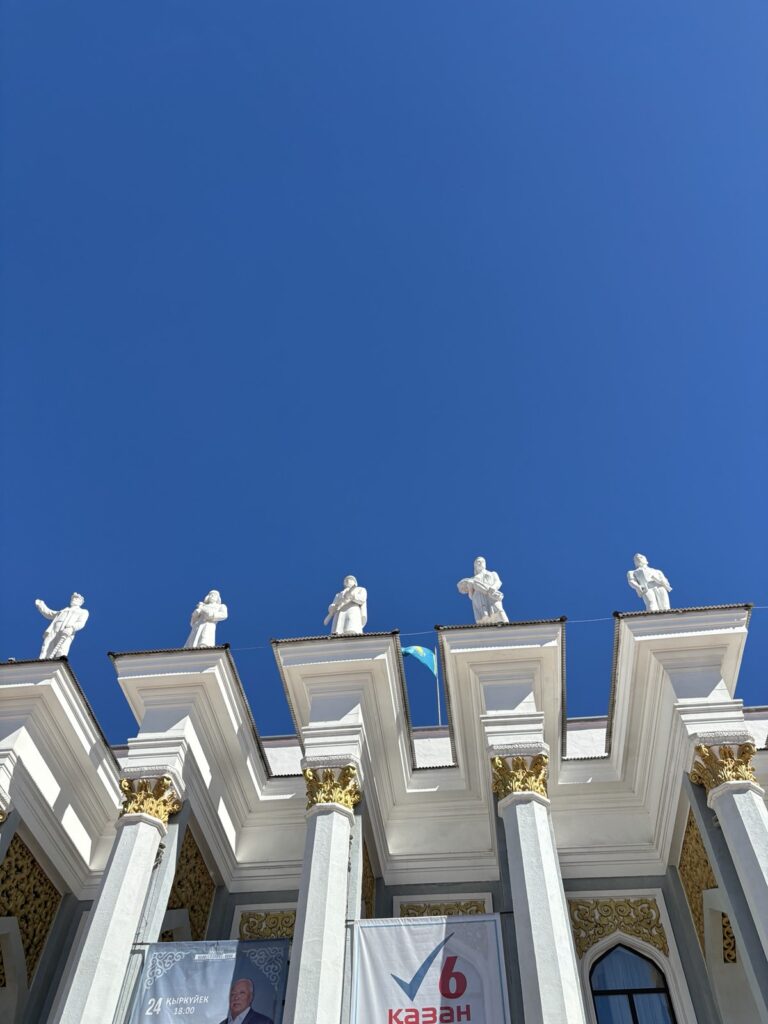
Socialist history and contemporary art come together at Tselinny Centre for Contemporary Culture, a research oriented art institution that is due to move into the restored socialist modernist cinema named after the Virgin Lands campaign. This was also the focus of the SAVA Workshop on The Virgin Lands in the Socialist Anthropocene organized in collaboration with Tsellinny, at which researcher Alen Askar shed light on the complex histories of Tselinograd in the Khrushchev era and artist Aigerim Kapar presented her research on the social and environmental history of Lake Balkhash. The contribution of the SAVA Team included a talk by Maja and Reuben Fowkes introducing the Socialist Anthropocene and a screening of SAVA Creative Fellow Oleksiy Radynski’s film Where Russia Ends (2024).
Day Three
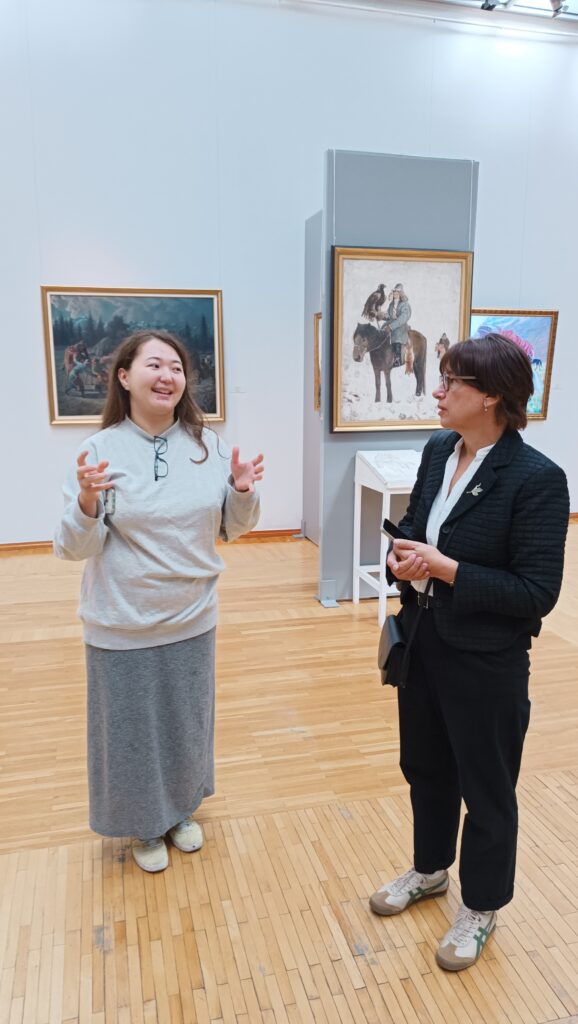
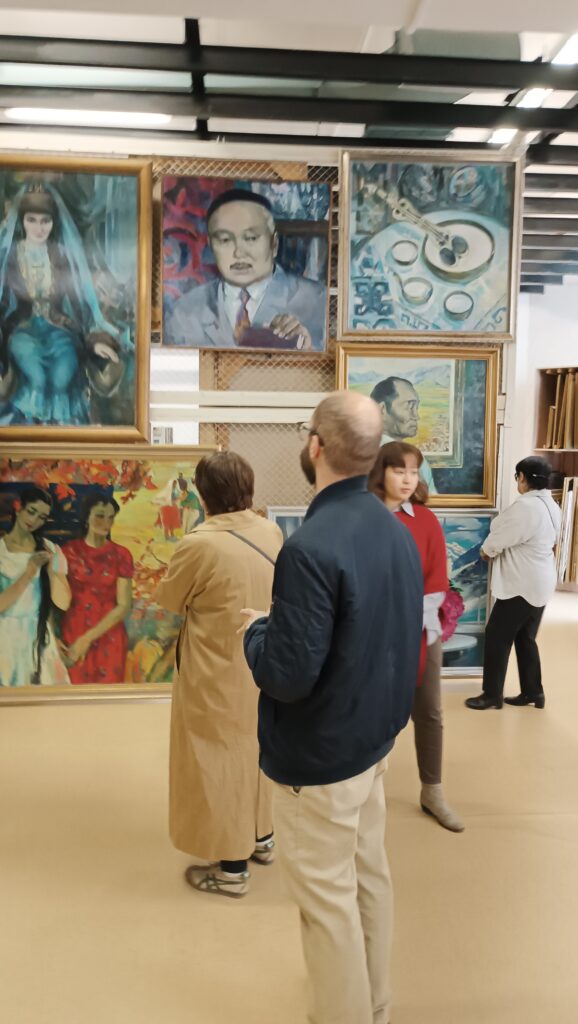
During our visit to the A. Kasteyev State Museum of Arts, we were shown key works from the art history of Soviet Kazakhstan by researcher Akzharkyn Kumarbayeva, including many works by Kasteyev himself that chart the transformation of the steppe in the era of the Virgin Lands campaign. We also had the precious opportunity to see other key canvases from their extensive collection in the museum depository.
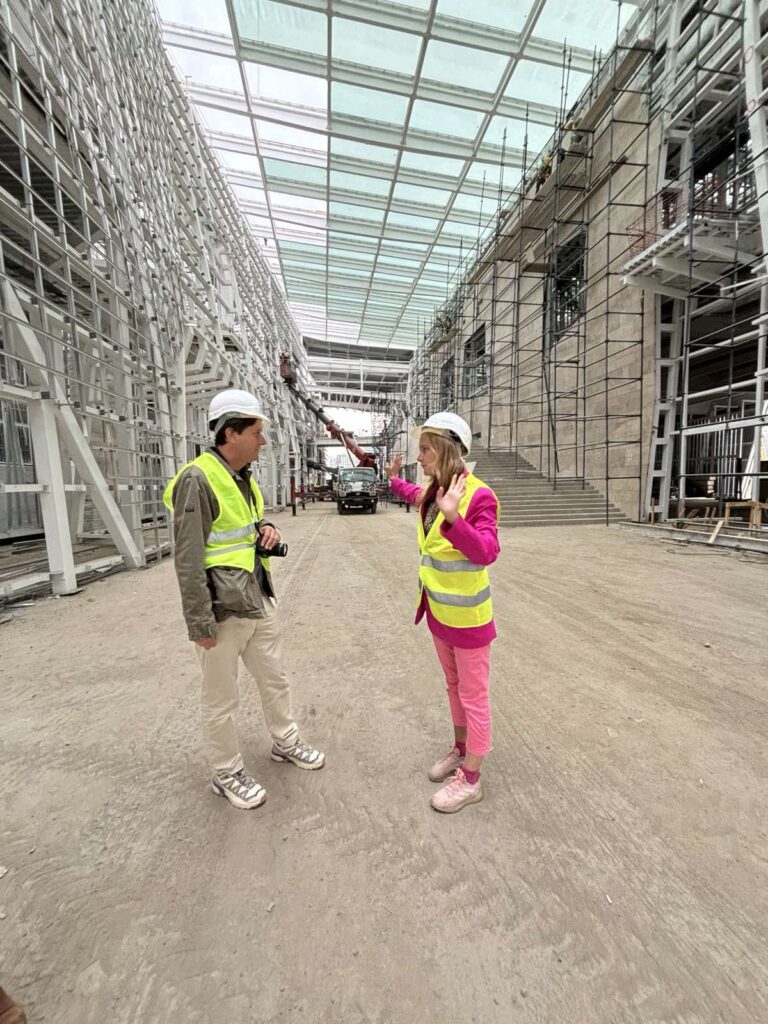
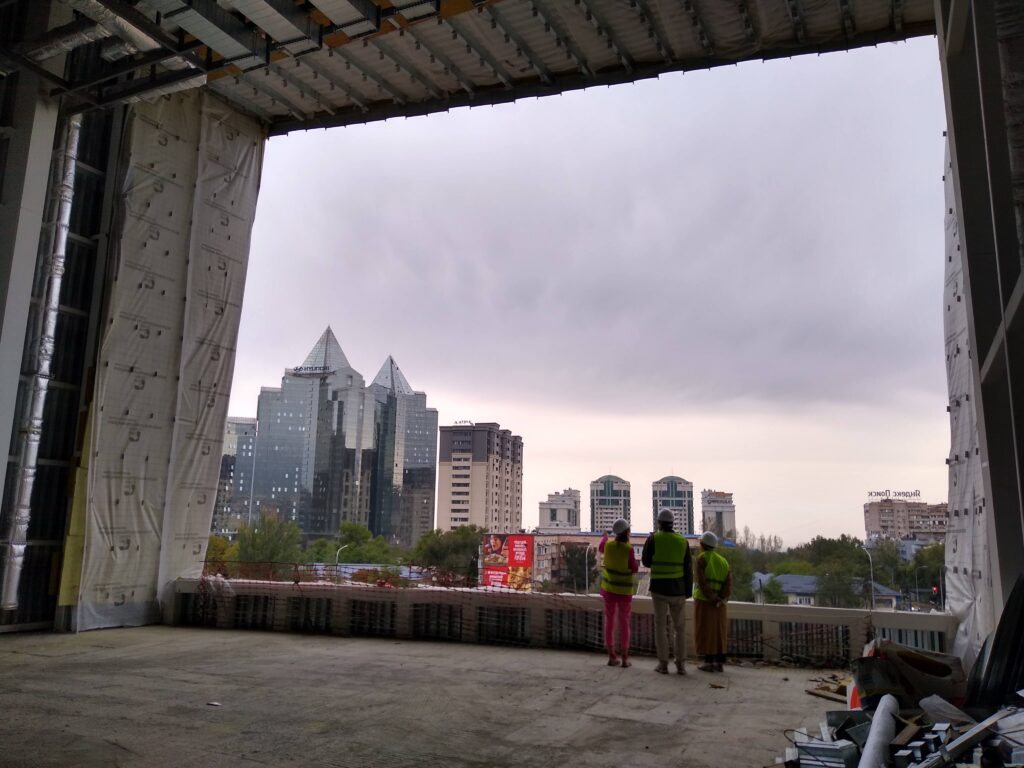
After the Kasteyev, we visited the construction site of the Almaty Museum of Arts in the company of chief curator Inga Lace, who explained that on completion, along with temporary exhibitions and installations of international artists, the museum will show pieces from a collection of Central Asian art rich in works from the late- and post-socialist periods.
Day Four
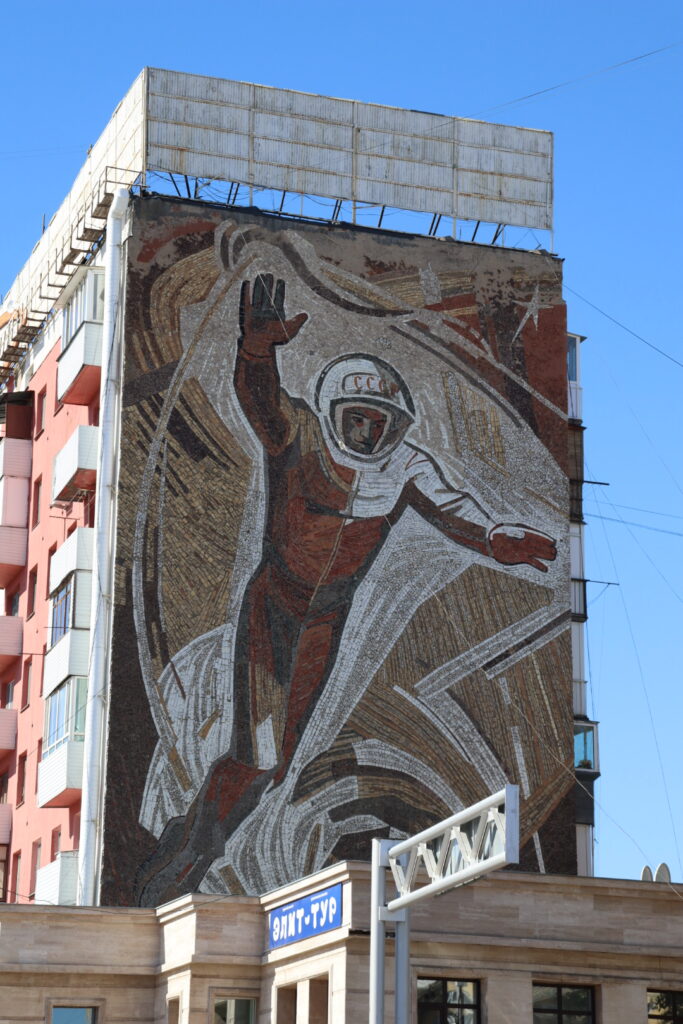
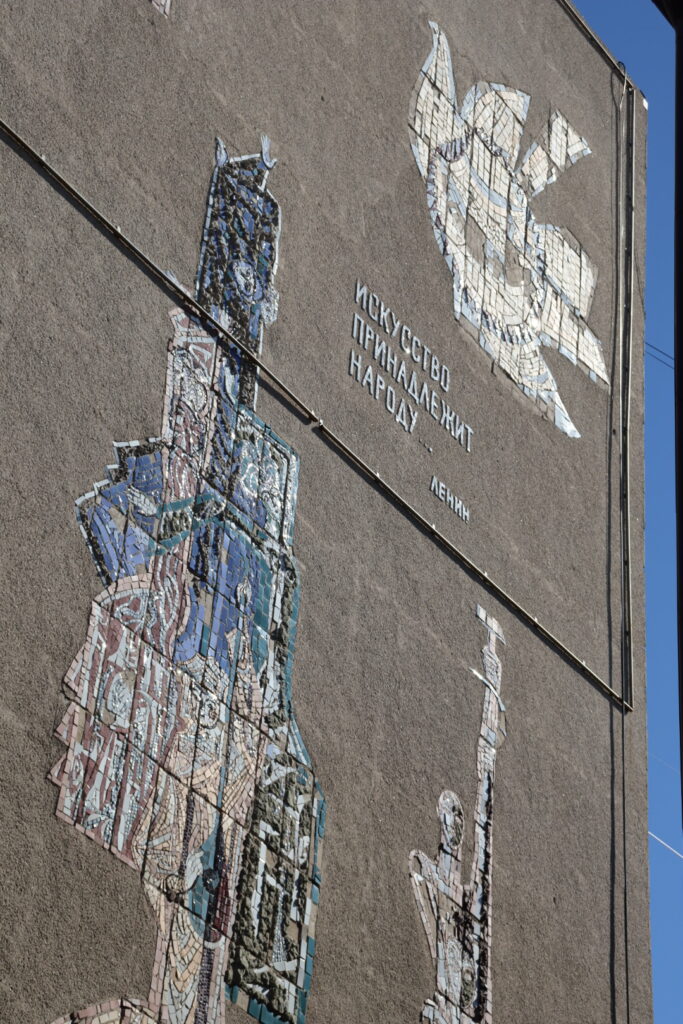
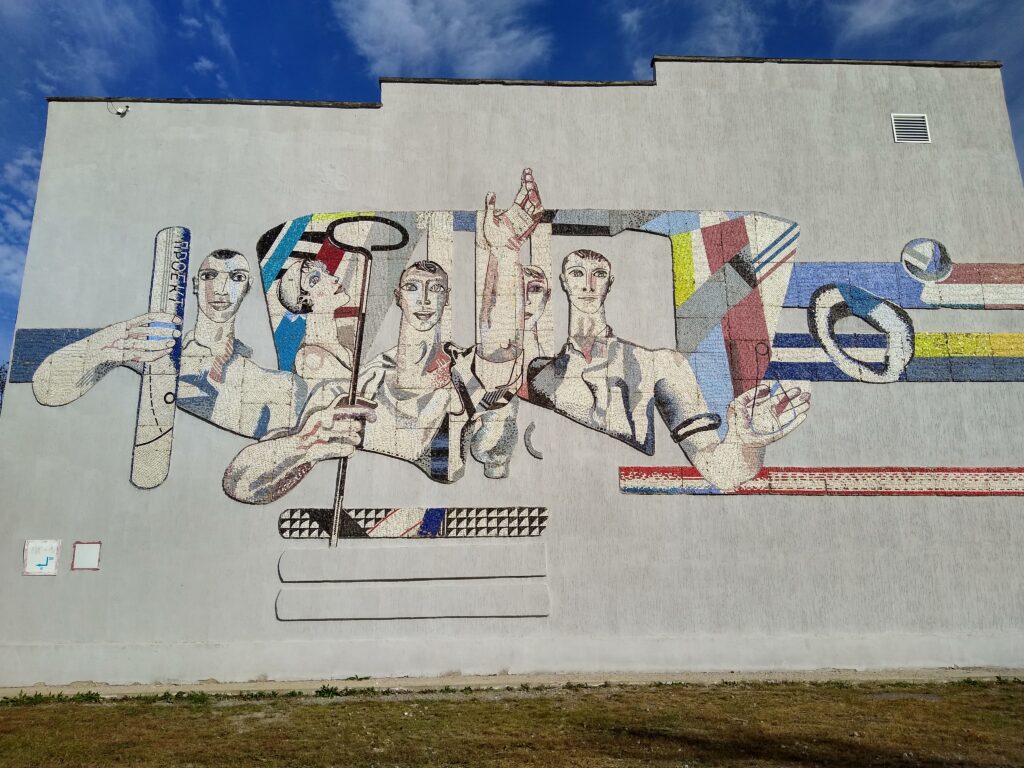
Our first sight of Karaganda was on a morning visit that brought to the surface the layered urban histories of the socialist industrial hub, with a grandiose Miners’ Palace of Culture, cosmonaut mosaics and statue commemorating the billionth tonne of coal revealing the inseparability of the growth of the city from socialist extraction and space exploration. A quotation from Lenin ‘Art belongs to the people’ adorning an unfinished and decaying mural took on new connotations in the post-socialist cityscape.
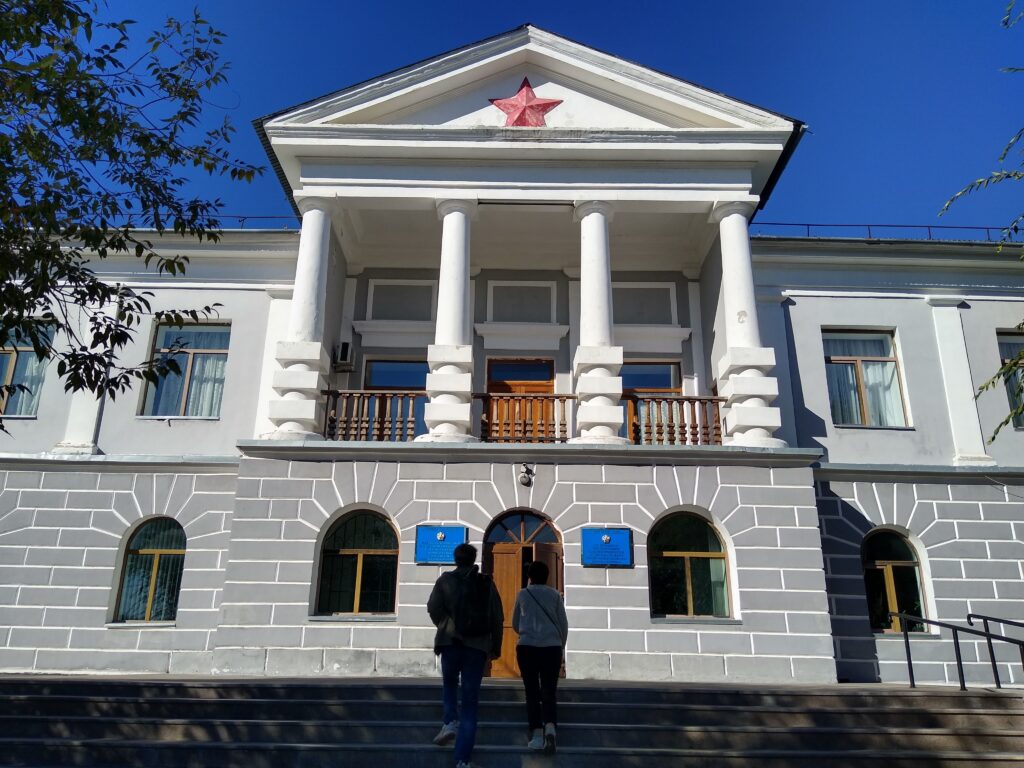
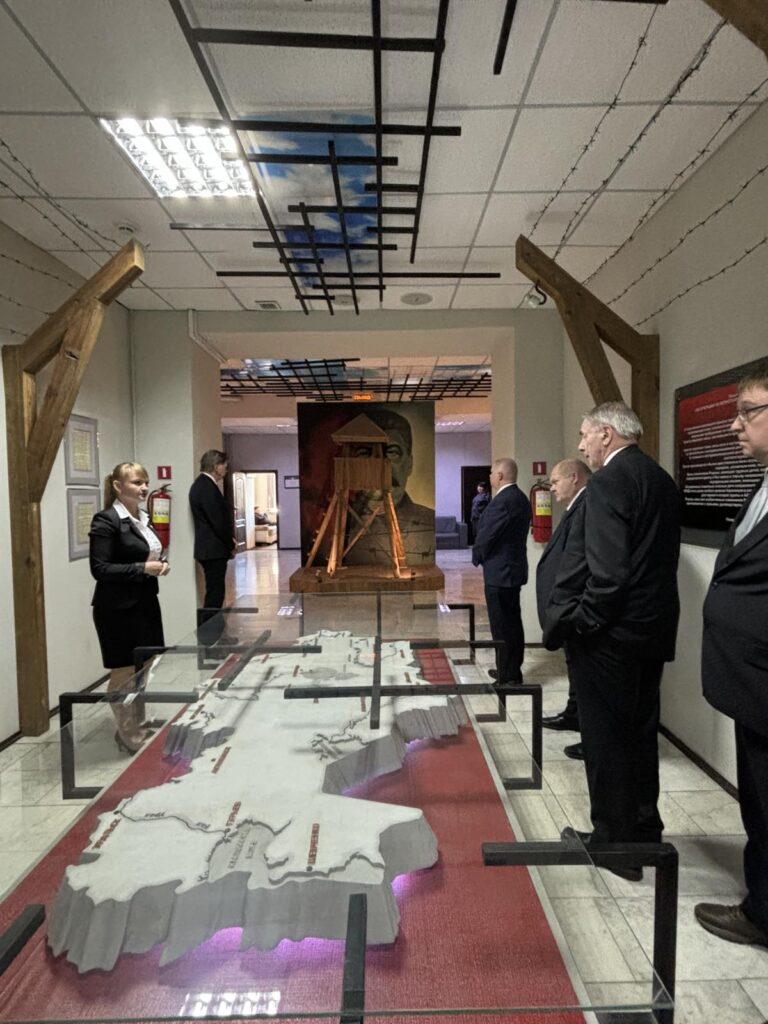
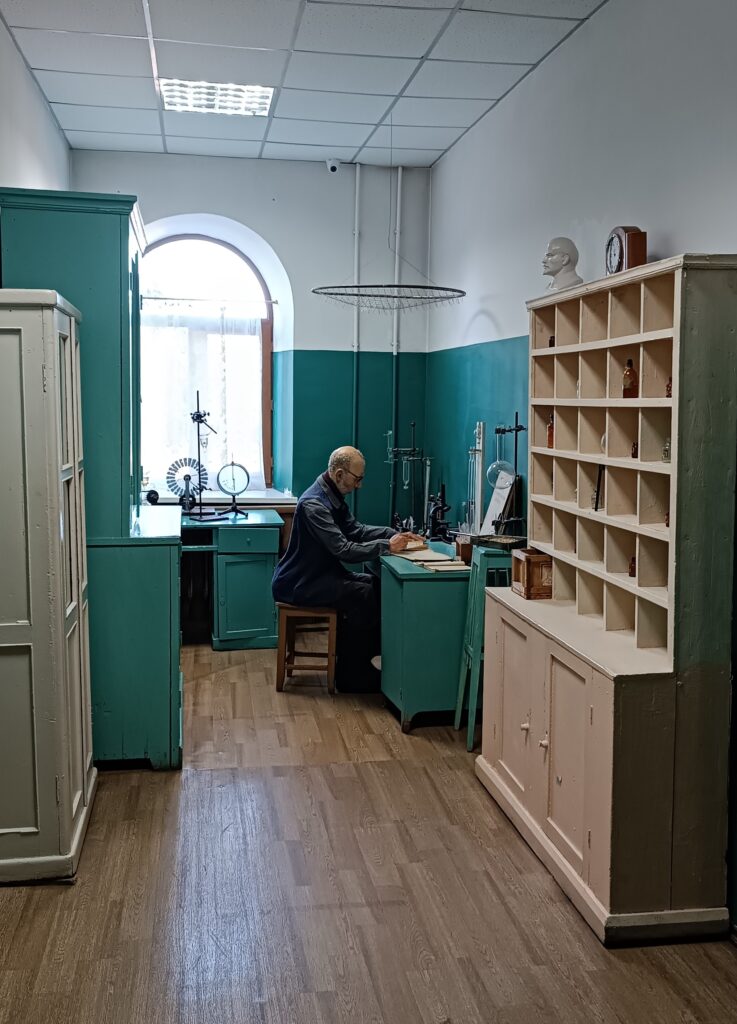
The depths and expanses of the Stalinist terror in Kazakhstan are systematically laid out in the KarLag memorial site in the village of Dolinka, which documents the suffering of its many thousands of victims in a museum housed in the former administrative headquarters of the camp. Also made clear is the role KarLag played in the economic expansion of the area around the coalmines of Karaganda, up to and including putting imprisoned scientists to work to maximize industrial and agricultural production.
Day Five
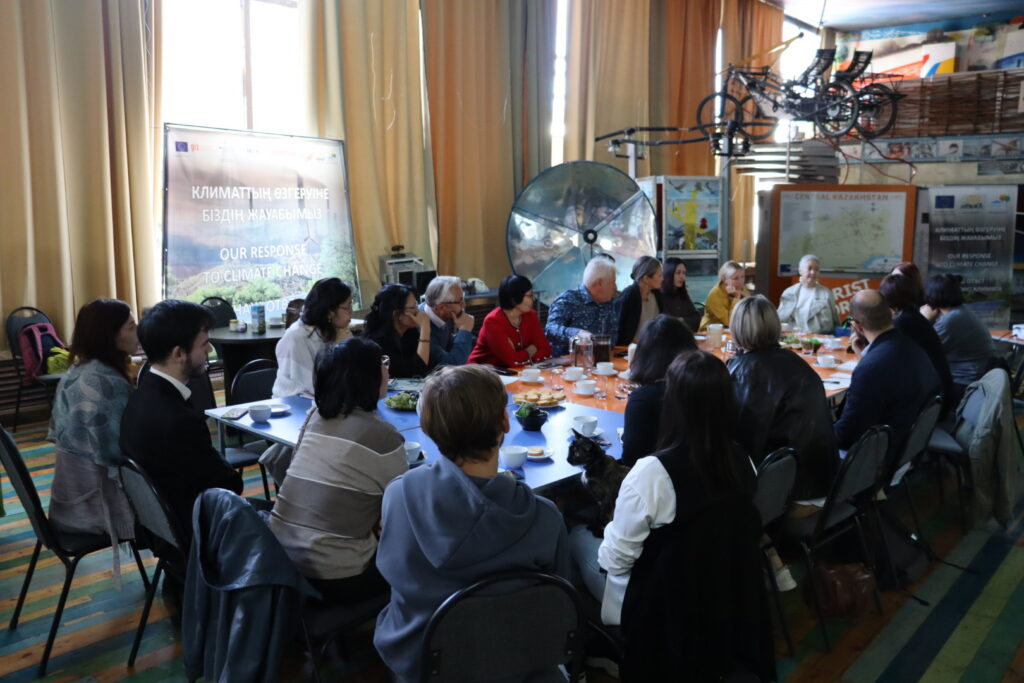
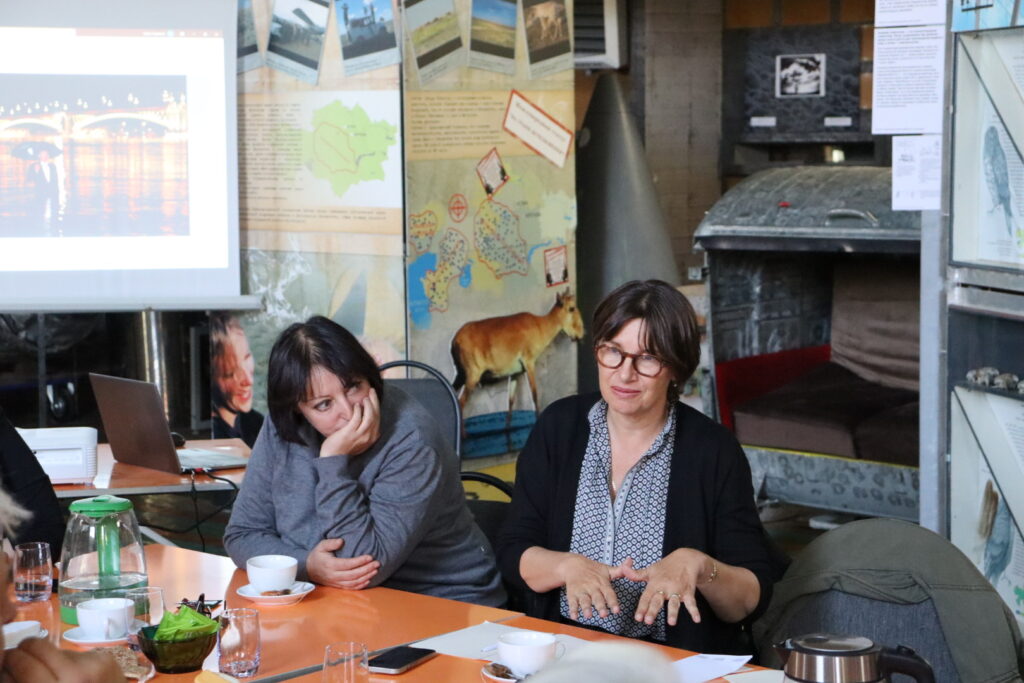
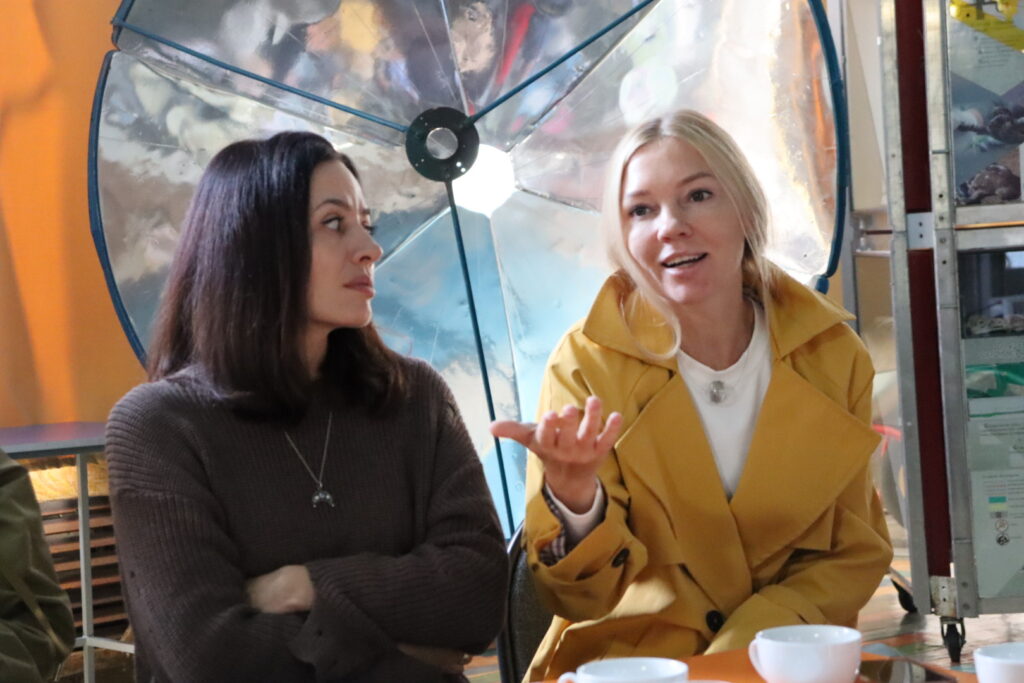
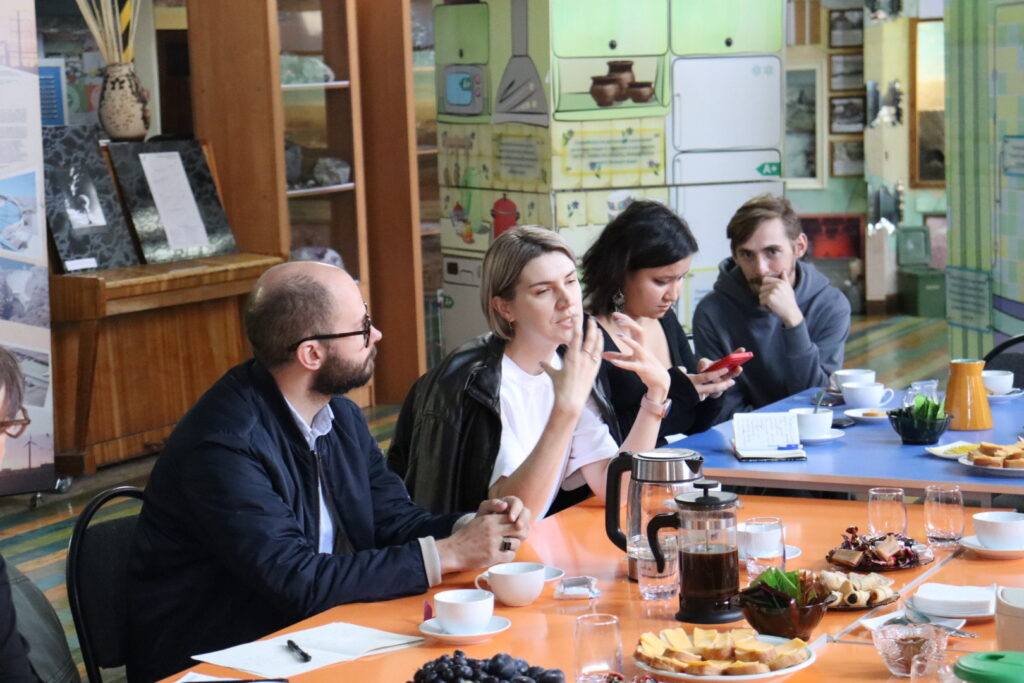
Our second day in Karaganda began at the Ecomuseum, a non-profit space dedicated to environmental education, with a co-organized workshop bringing together local academics, masters students, activists, curators and artists to discuss the Environmental Legacies of the Socialist System. Amongst the many issues debated were the health impacts of the Semipalatinsk nuclear testing site or polygon, the closure of which in 1991 followed civic pressure from environmental activists in Kazakhstan.
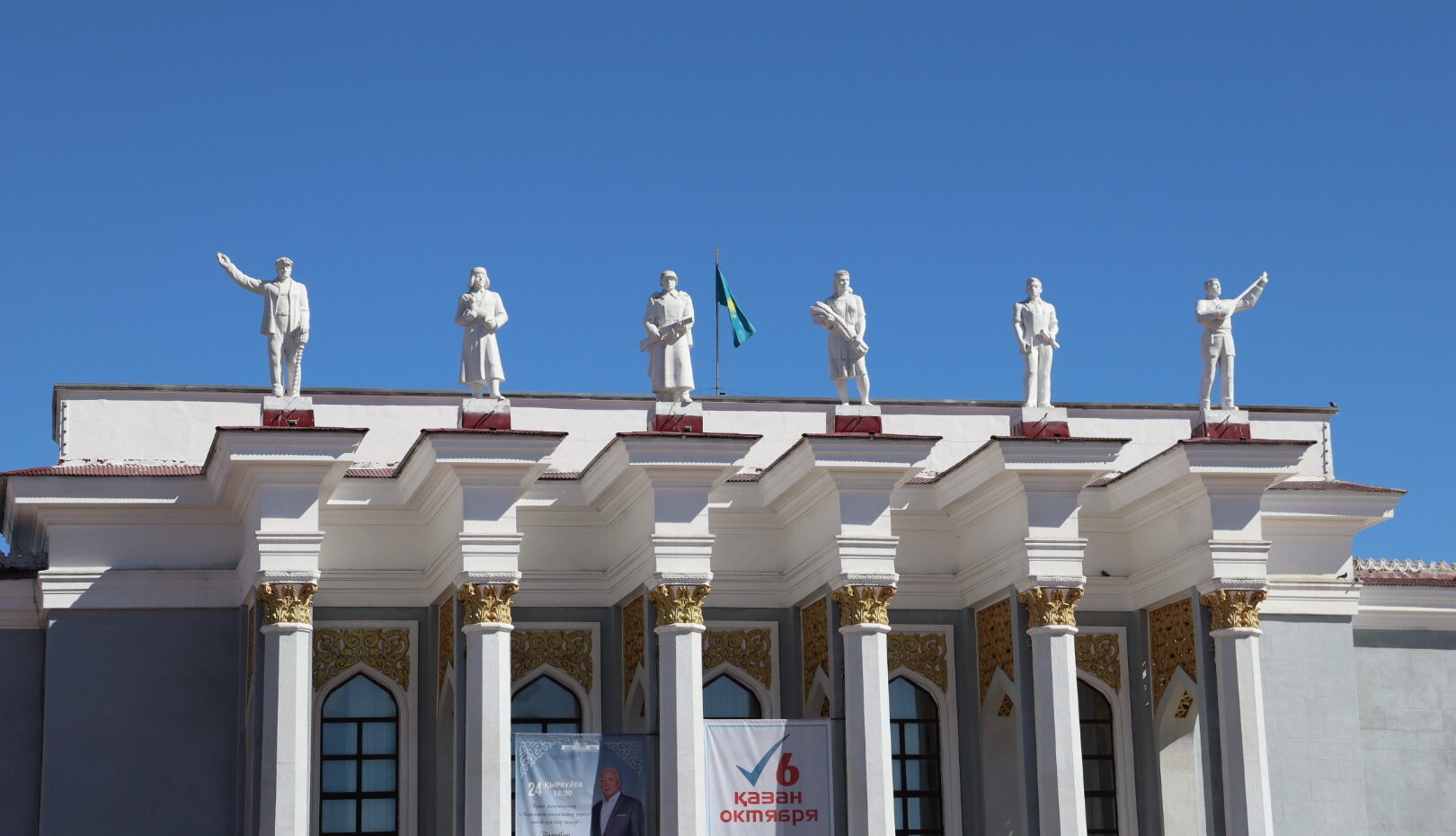
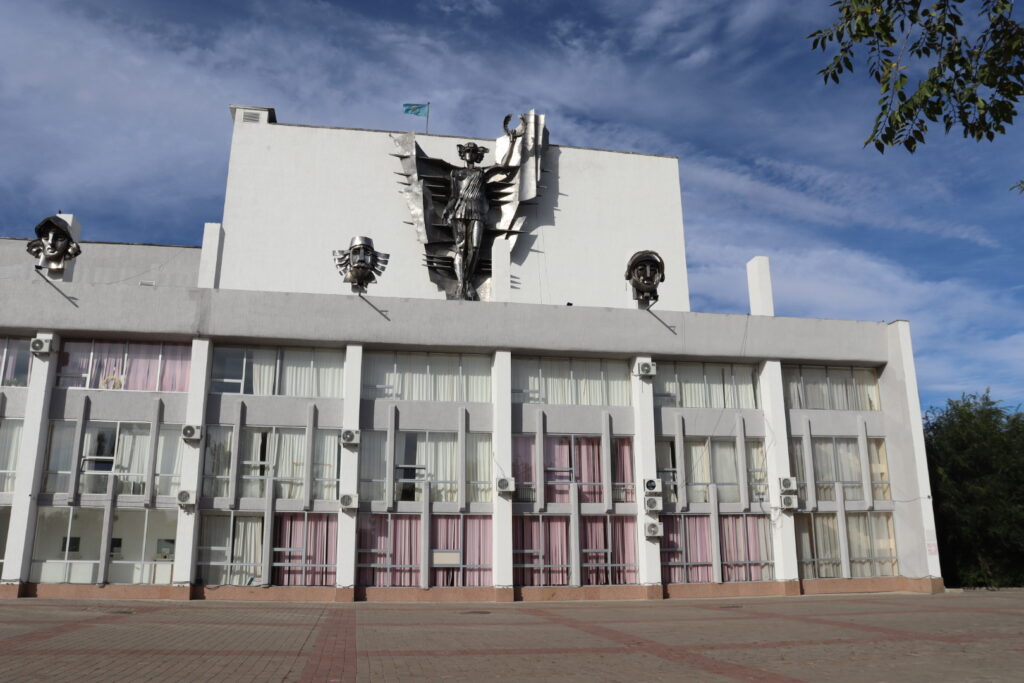
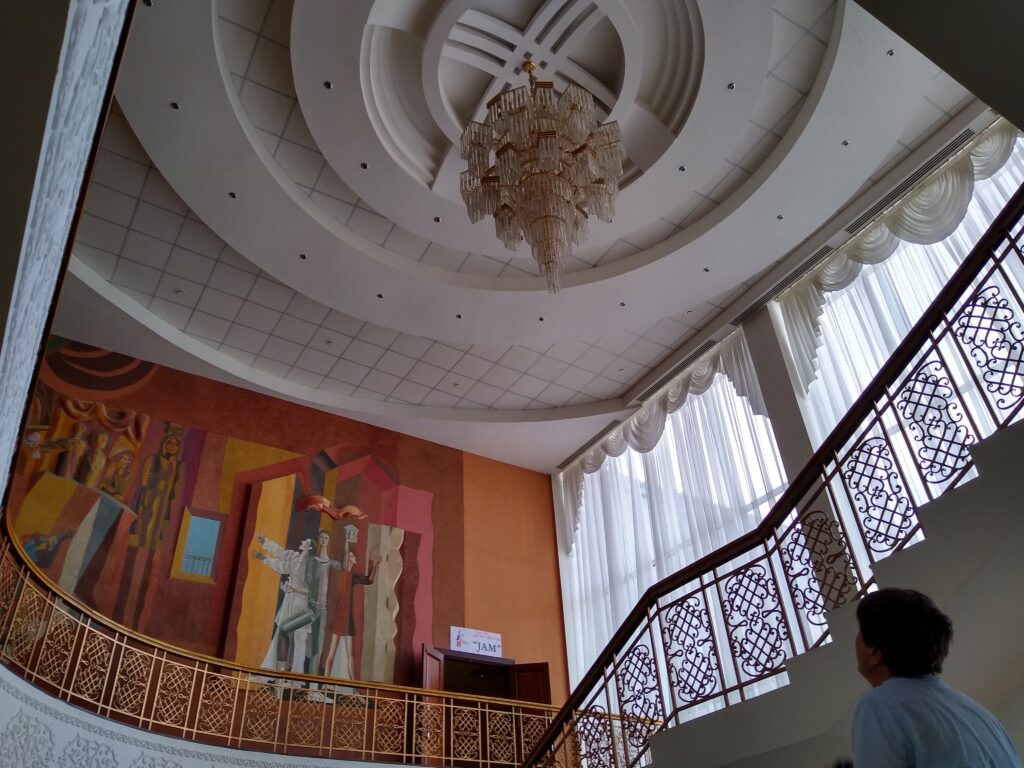
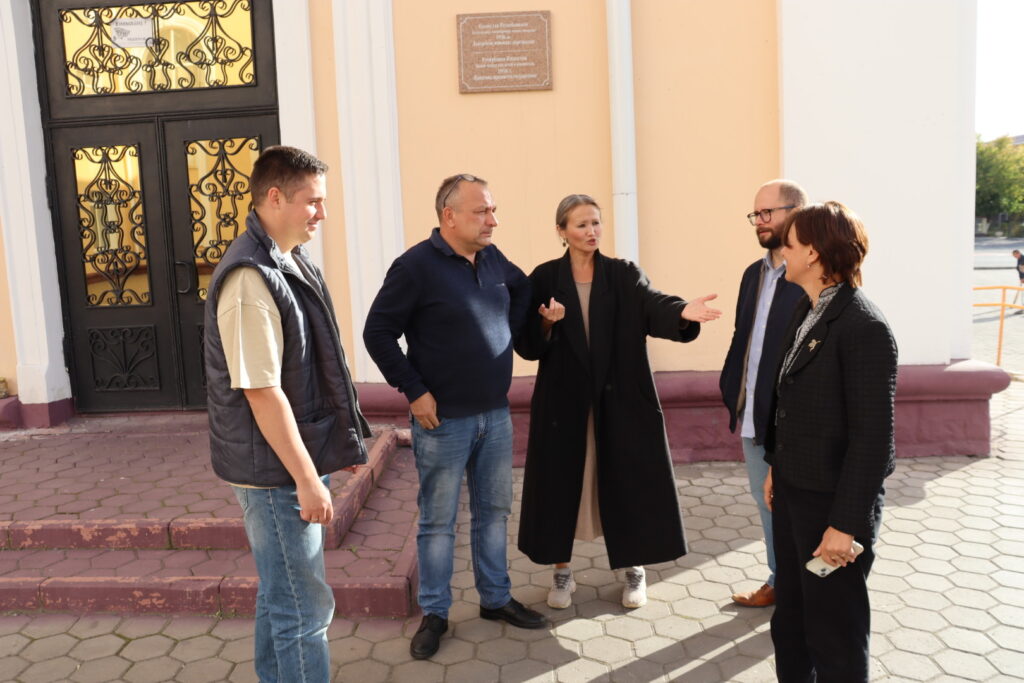
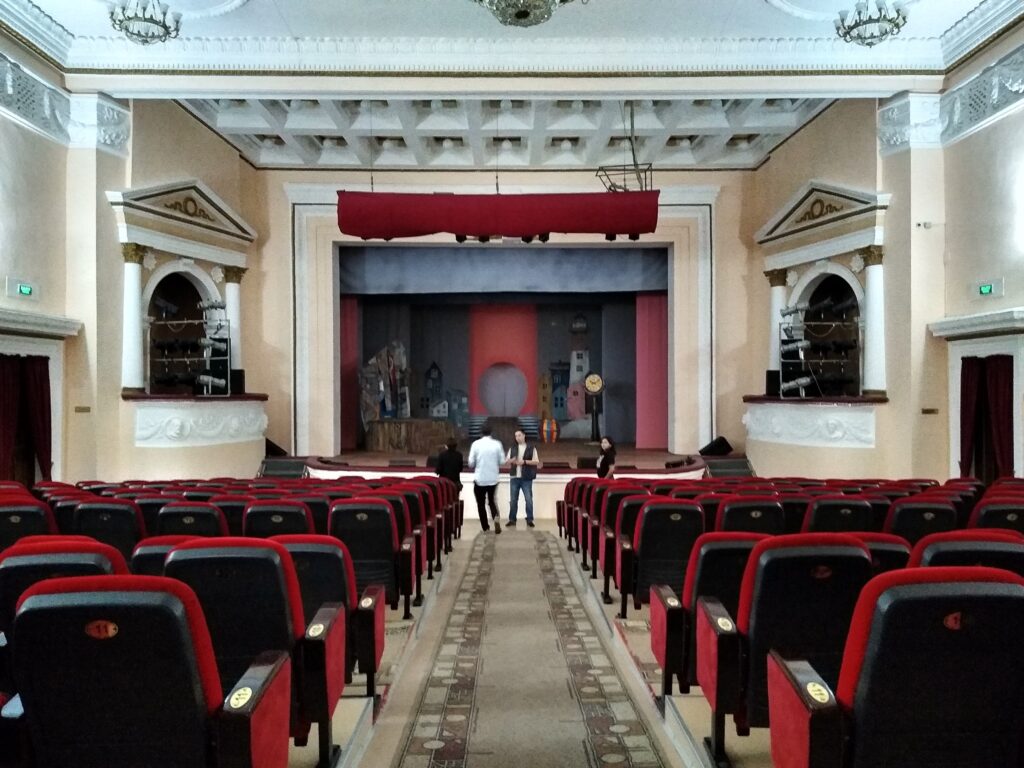
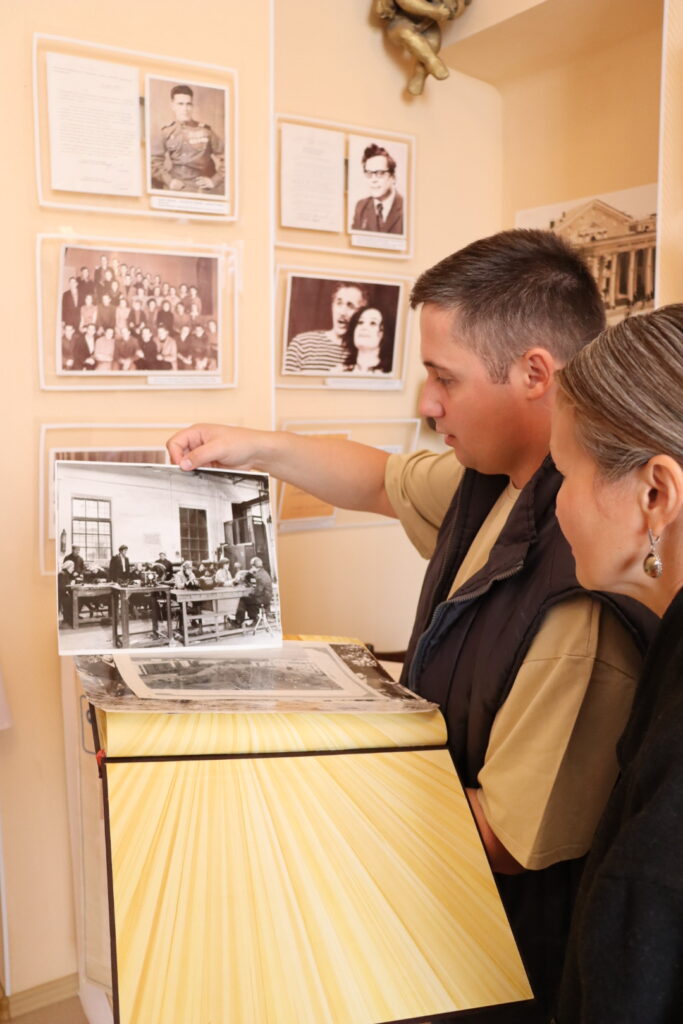
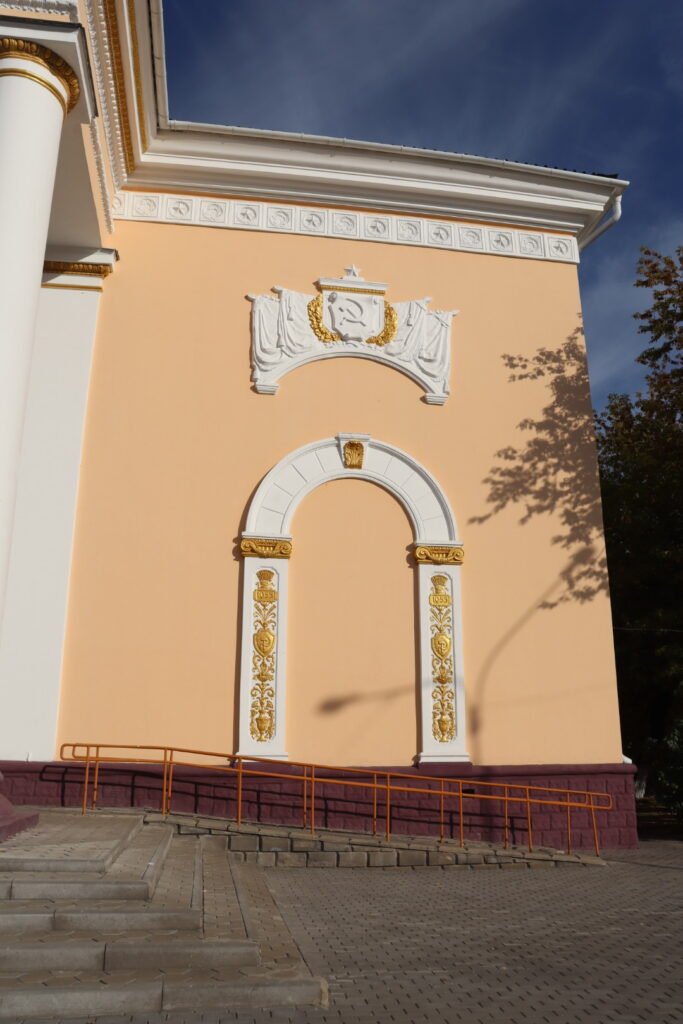
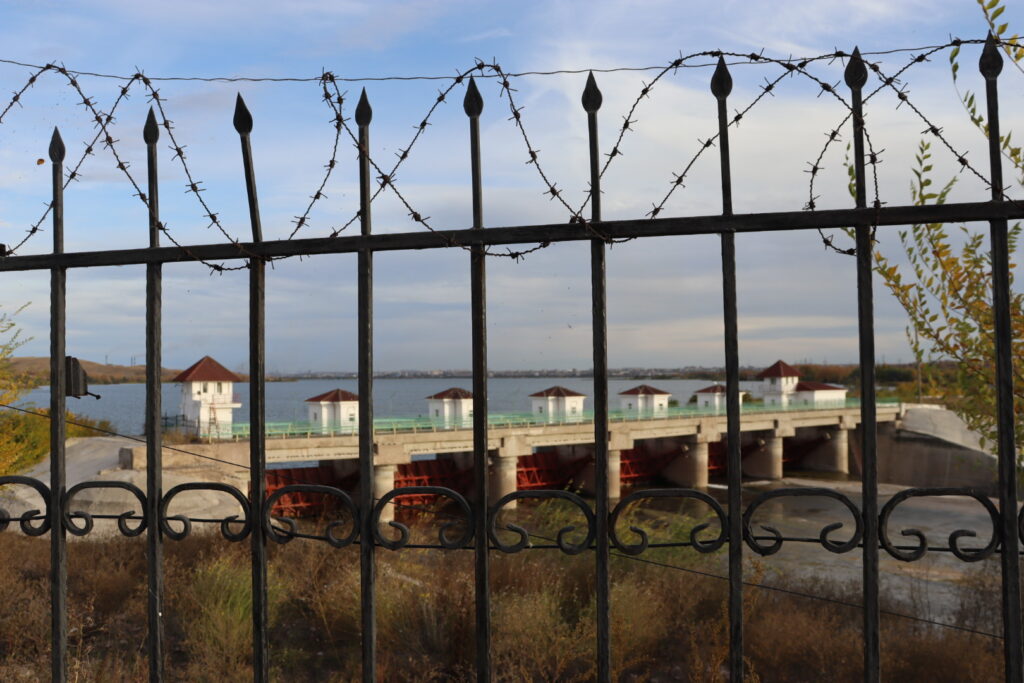
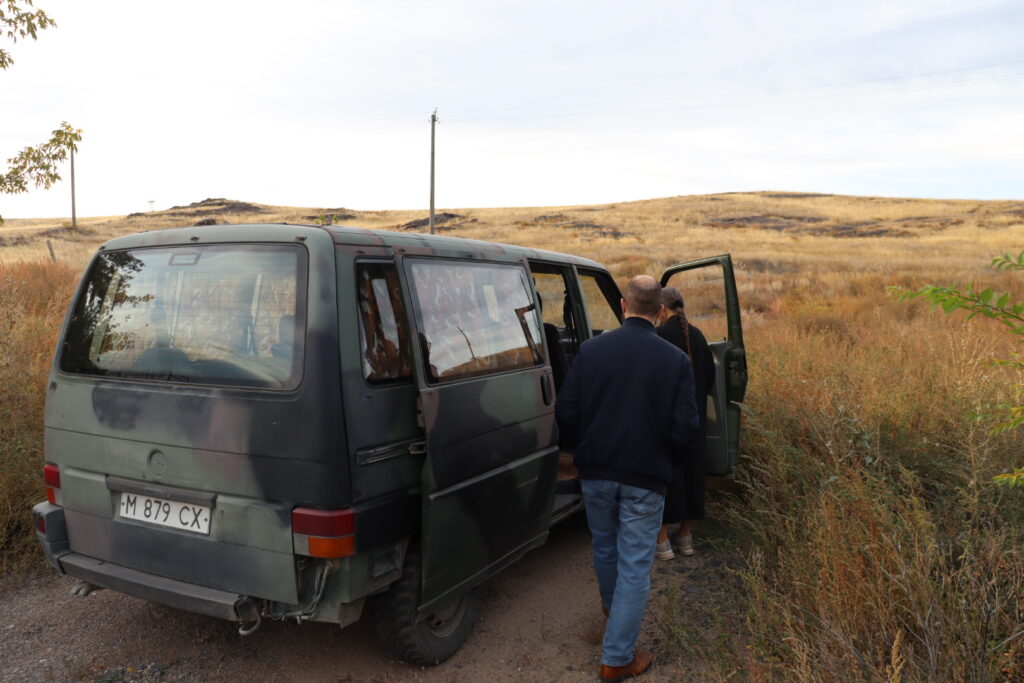
The working city of Temirtau is dominated by its colossal steel foundry powered by Karaganda basin coal and silhouetted against the Samarkand Reservoir, which was created when Soviet hydrologists ordered the building of a dam on the river Nura. We visited the ‘new’ Palace of Culture, dating to the 1980s and featuring stainless steel sculptures on its facade, and also its predecessor in the old part of Temirtau, built by Japanese prisoners of war in the KarLag era. The staff of what is now a children’s theatre are committed to preserving the authenticity of the socialist realist structure.
Day Six
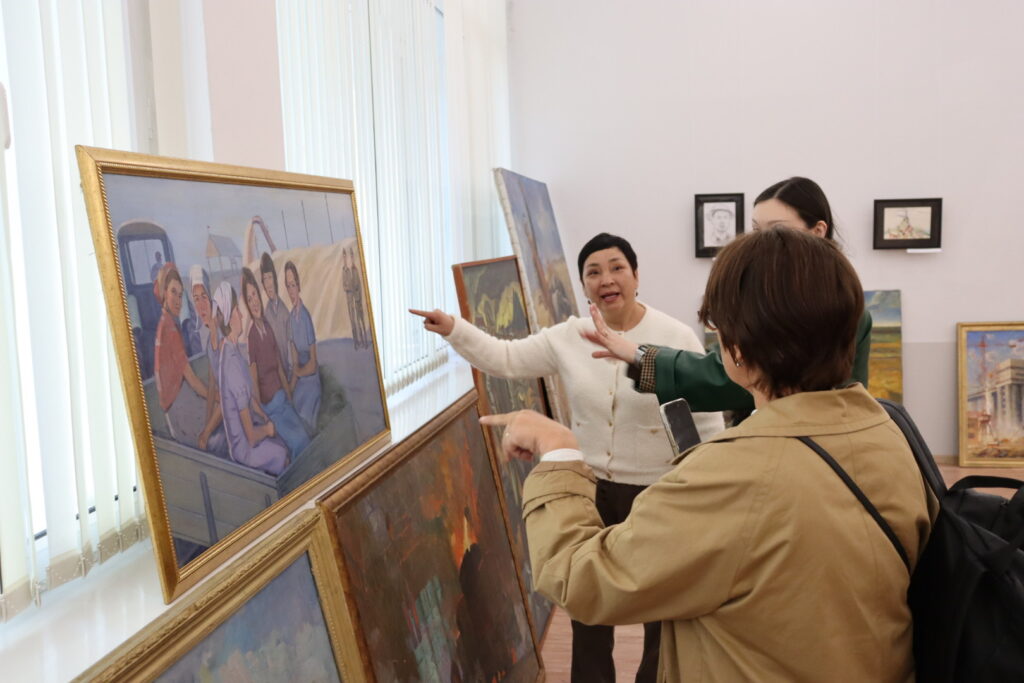
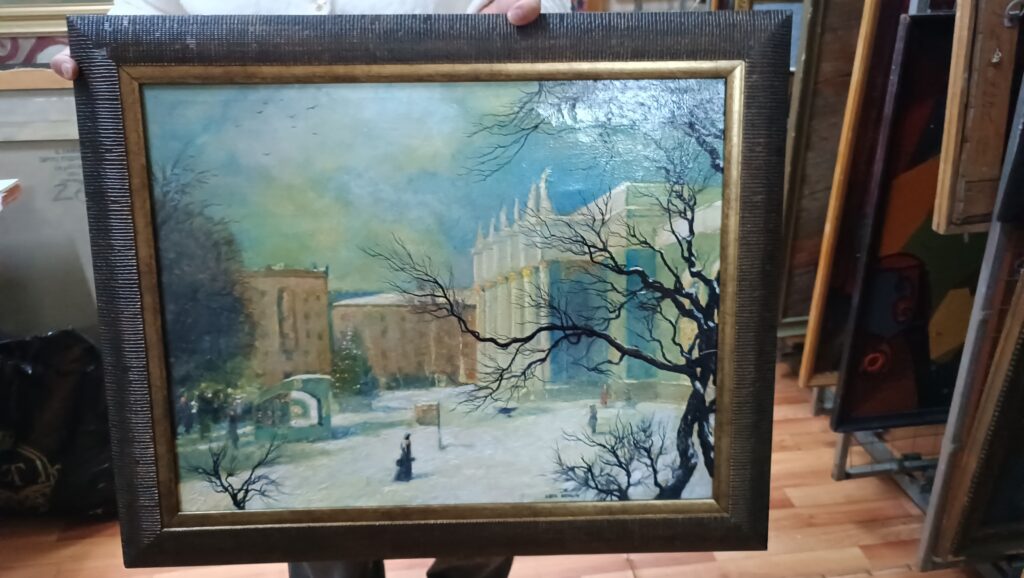
On our last morning in Karaganda we visited the Regional Museum of Fine Arts, which along with a rare collection of paintings by artists imprisoned in KarLag, has numerous socialist realist depictions of industrial expansion and the transformation of the countryside.
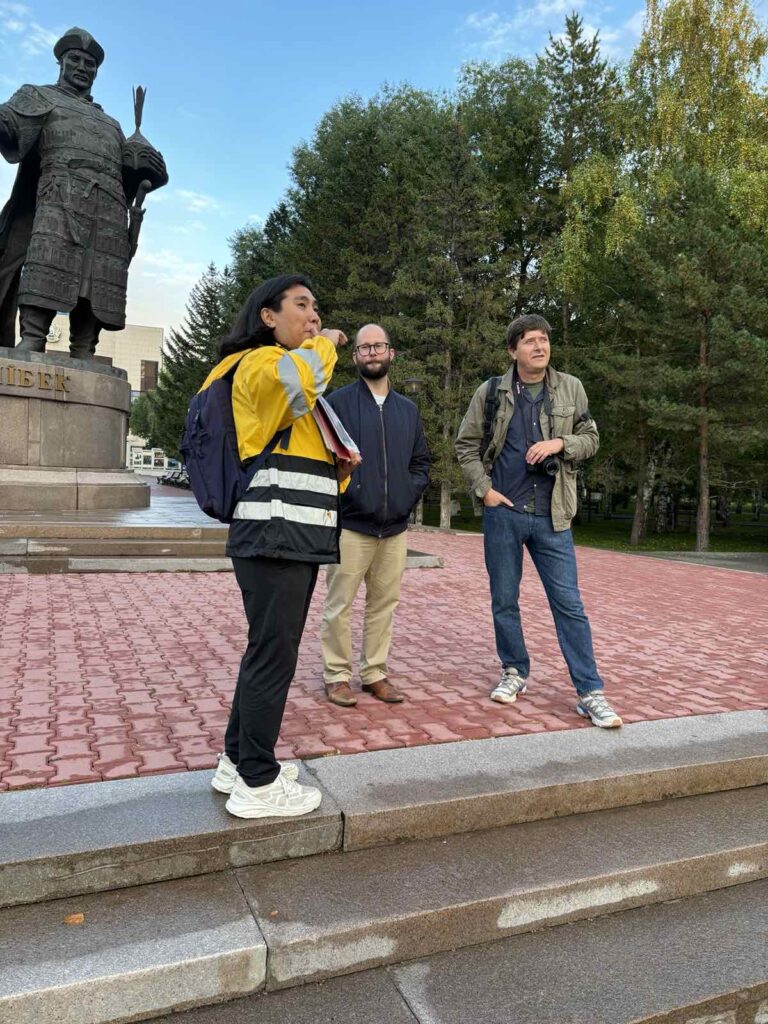
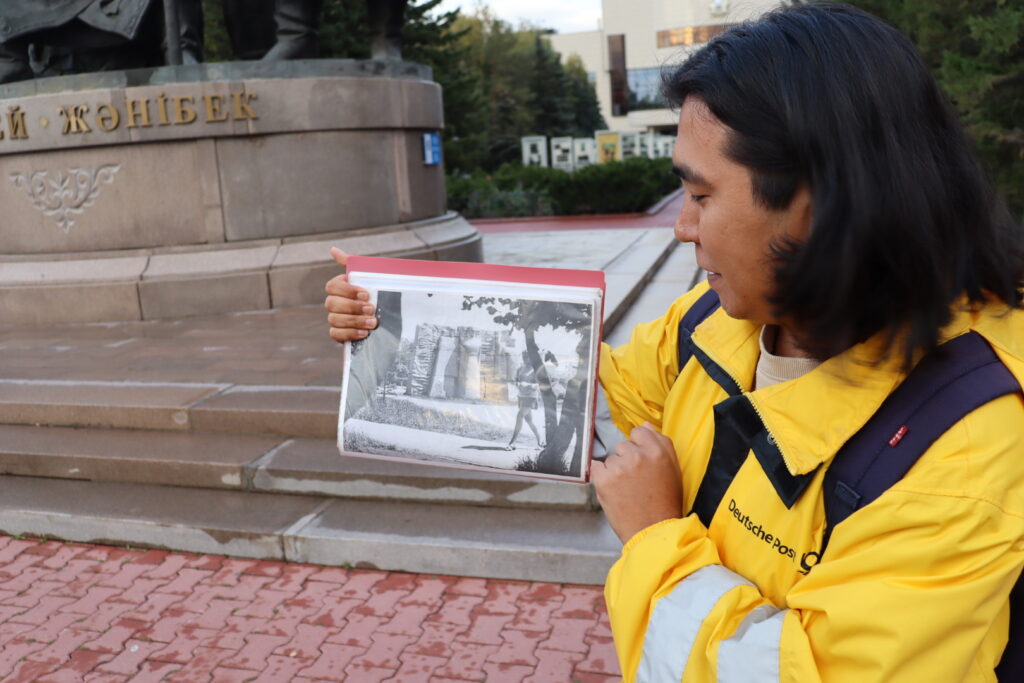
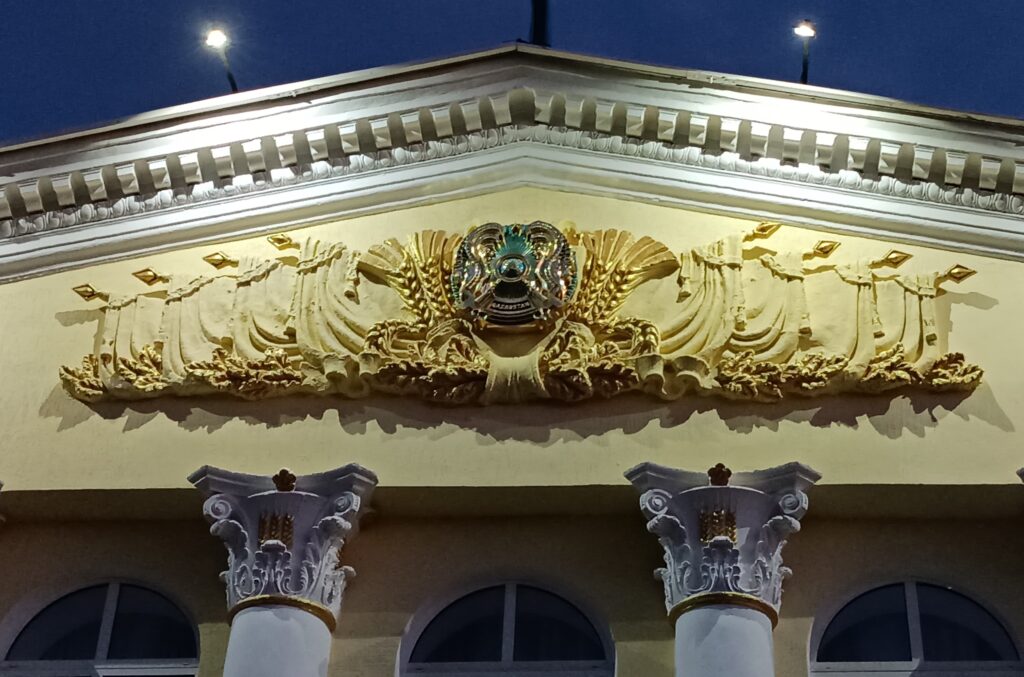
On reaching the capital of Kazakhstan that afternoon, we headed to the old part of Astana to disentangle Russian imperial, Stalinist, Khrushchev era and post-socialist architectural interventions in the company of researcher-activist and architectural historian Temirtas Iskakov.
Day Seven
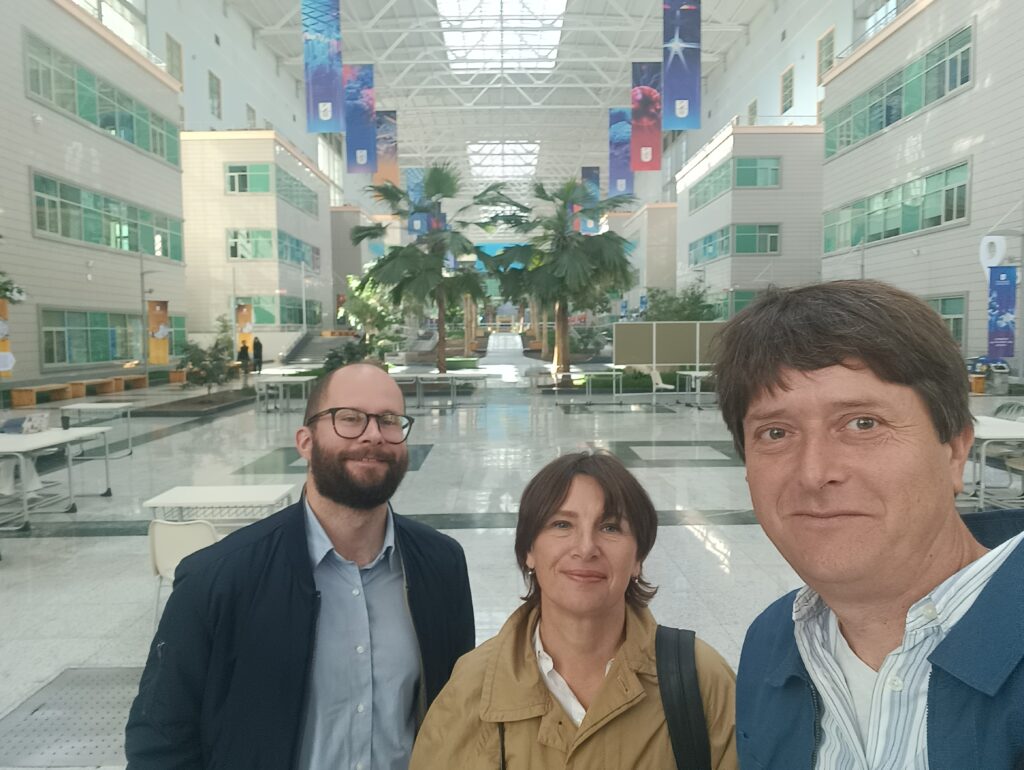
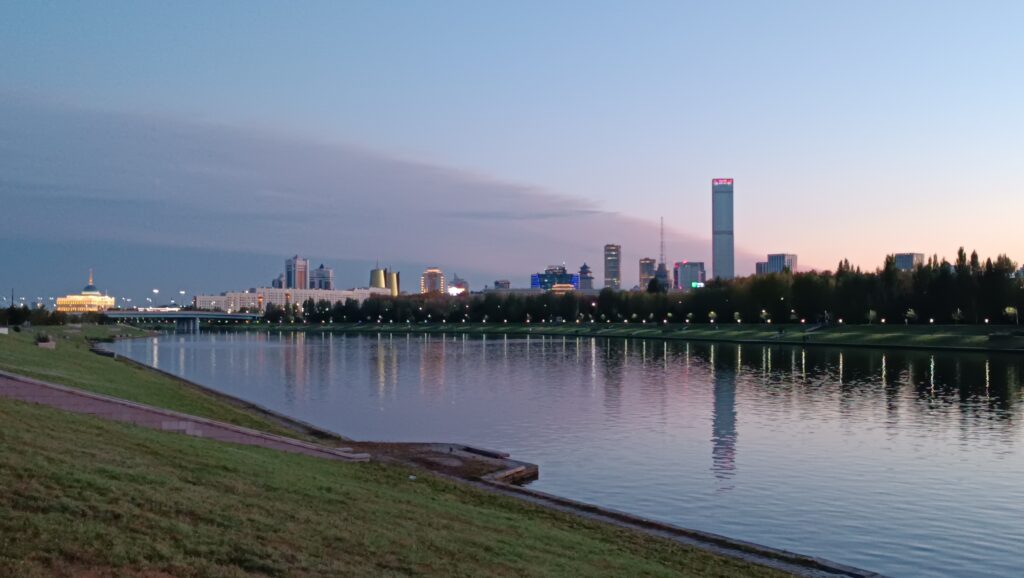
Our last day in Astana was focused on the newly developed left bank of the Ishim river and included a meeting with Alima Bissenova, Professor of Anthropology at Nazerbayev University, who spoke to the SAVA Team about her research into debates around decoloniality in Central Asia.