SAVA Research Week V: Geotransformación: Southerning the Socialist Anthropocene

The fifth SAVA Research Week on Geotransformación: Southerning the Socialist Anthropocene continues the collective investigation of the third SAVA annual theme on the Transformation of the Countryside, expanding consideration to non-European and non-Soviet geographies of the socialist world. It features presentations by contemporary artists working on the African histories of socialist collectivization and agronomical experimentation in revolutionary and decolonial states. Another focus is on the environmental history of socialist Cuba, with further presentations, responses and workshops bringing out the transnational and transversal connections, cultural and artistic as well as political and economic, between Third World liberation struggles. Trees and forest communities, from Central Europe to Central Asia and across the globe, will also be considered during this Research Week, for what they reveal about attitudes towards nature under socialism, for their more-than-human temporalities that are entwined with traditional and Indigenous epistemologies, and as beacons of renewed forms of terrestrial solidarity in the face of climate breakdown.
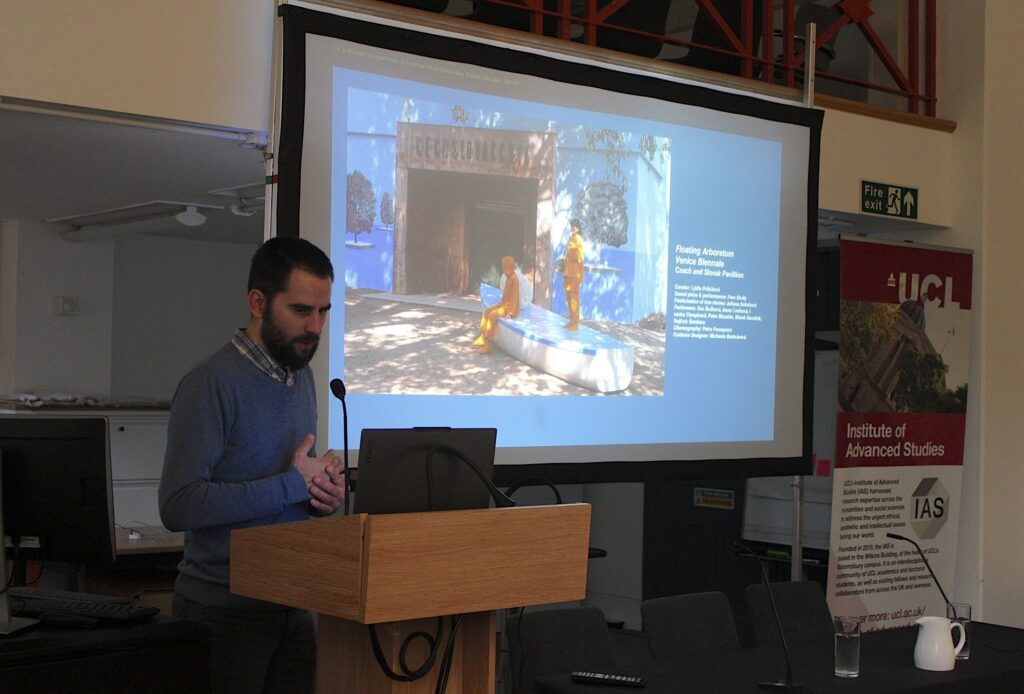
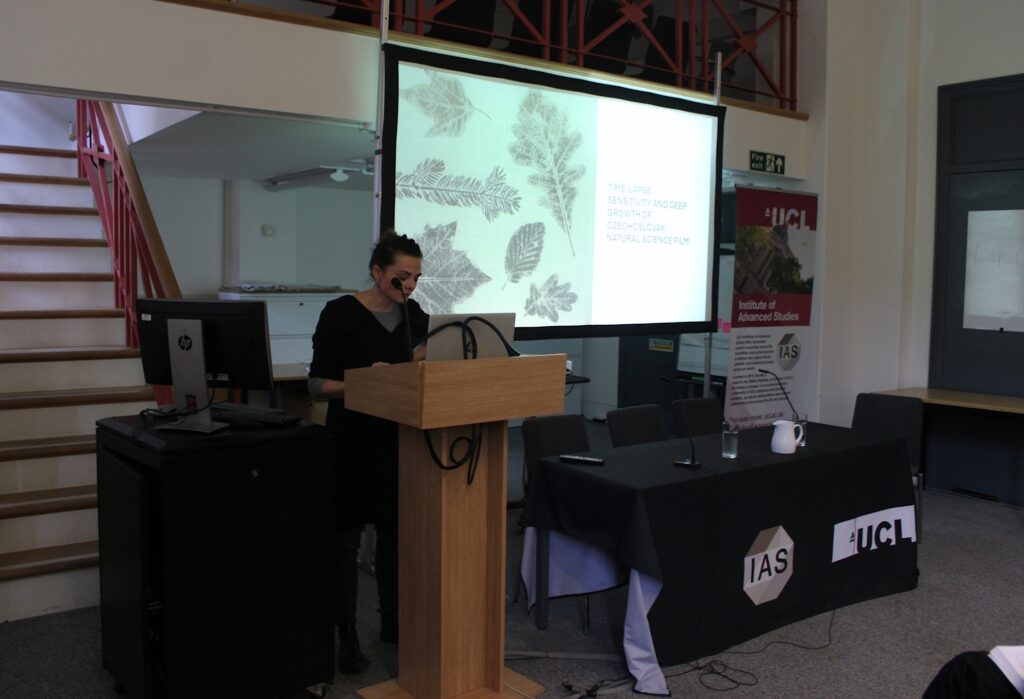
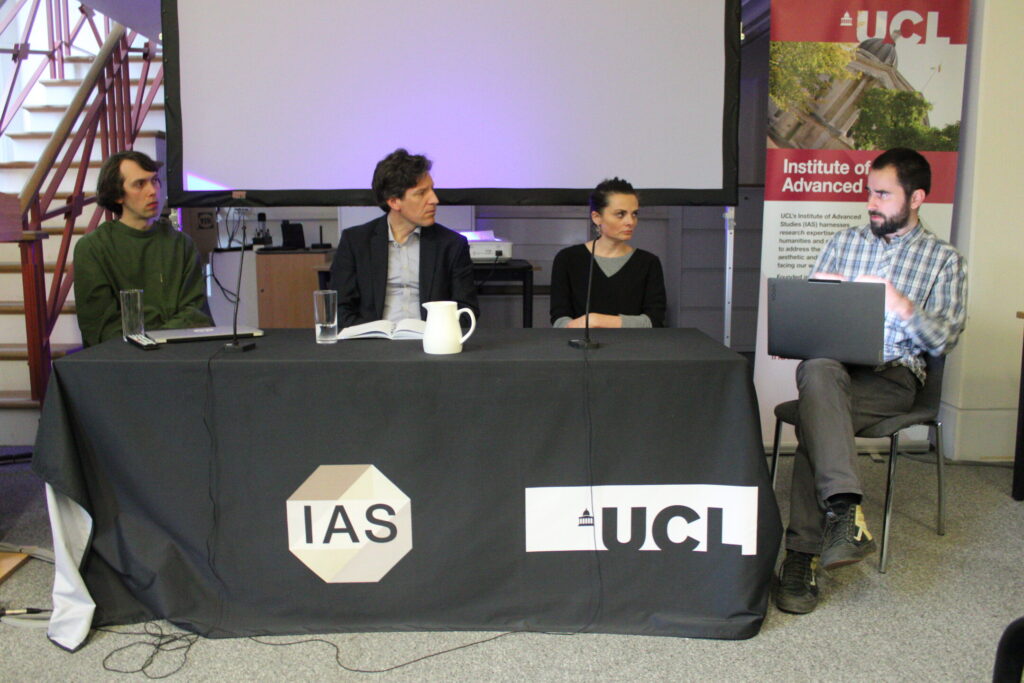
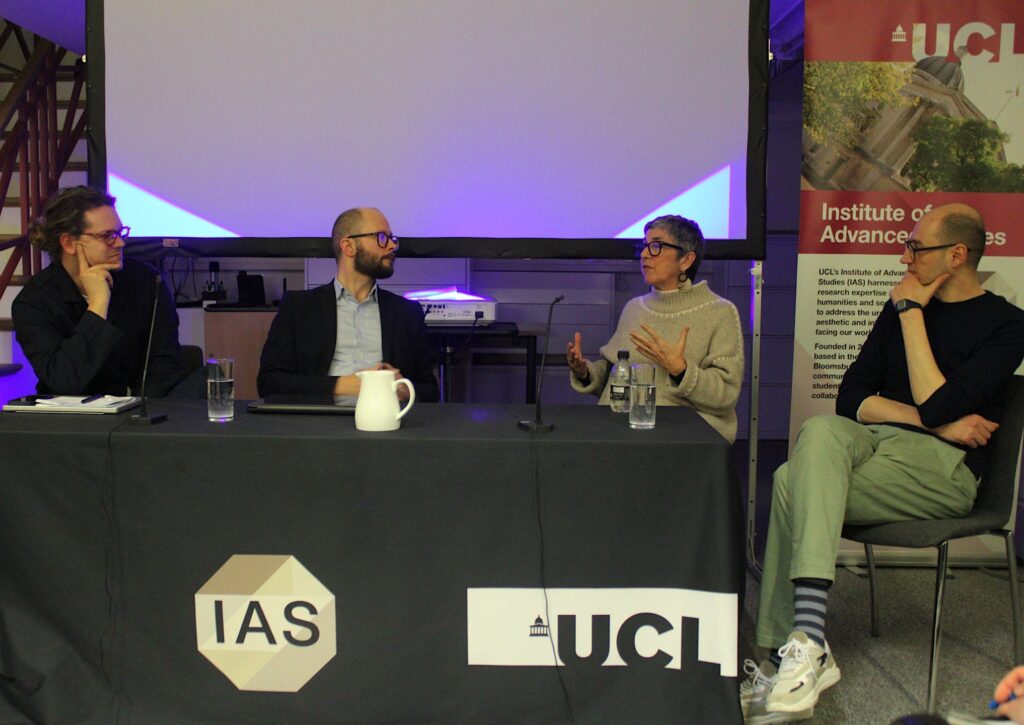
The first public event of the fifth SAVA Research Week on Geotransformación: Southerning the Socialist Anthropocene is a panel on Arboreal Politics with presentations by artist Oto Hudec on his Floating Arboretum project for the 2024 Venice Biennial and film scholar Lucie Česálková from Prague on Time-Lapse Sensitivity and Deep Growth of Czechoslovak Natural Science Film. Responses will be from scholar of peasant rebellions Jakub Beneš from SSEES and the SAVA Fellow of Environmental Anthropology, Makar Tereshin. This is followed by a panel on Revolutionary Agrarianism with presentations by artist Massinissa Selmani, who lives between Tours in France and Tizi-Ouzou in Algeria, on 1000 Socialist Villages, and by Lisbon based artist Ângela Ferreira on the Experimental Field of Mozambiquan socialist agricultural experimentation. The respondents are art historian Jonathan Cane from the University of Warwick and SAVA Fellow Alex Petrusek. The final public panel is titled the Cuban Anthropocene, the main presentation of which will be by Reinaldo Funes Monzote from the University of Havana on divergent visions of the Anthropocene in socialist Cuba, while SAVA Research Fellow of Global Socialisms, Sorcha Thomson, will present her research on Cuban agrarian reform in Third World internationalism. The respondents are art historian Polly Savage from the School of Oriental and African Studies and Jan Burek, SAVA Fellow and environmental historian of socialist Poland.
Public events
Workshops
Speaker biographies
Documentation
Programme
Public events
Wednesday 19 March 2025
IAS Common Ground, 4-5.30 pm
SAVA Panel on Arboreal Politics
This panel discussion considers the politics of trees in Central Europe and beyond, illuminating official attitudes to forests under socialism and the predicament of trees in the era of climate breakdown.
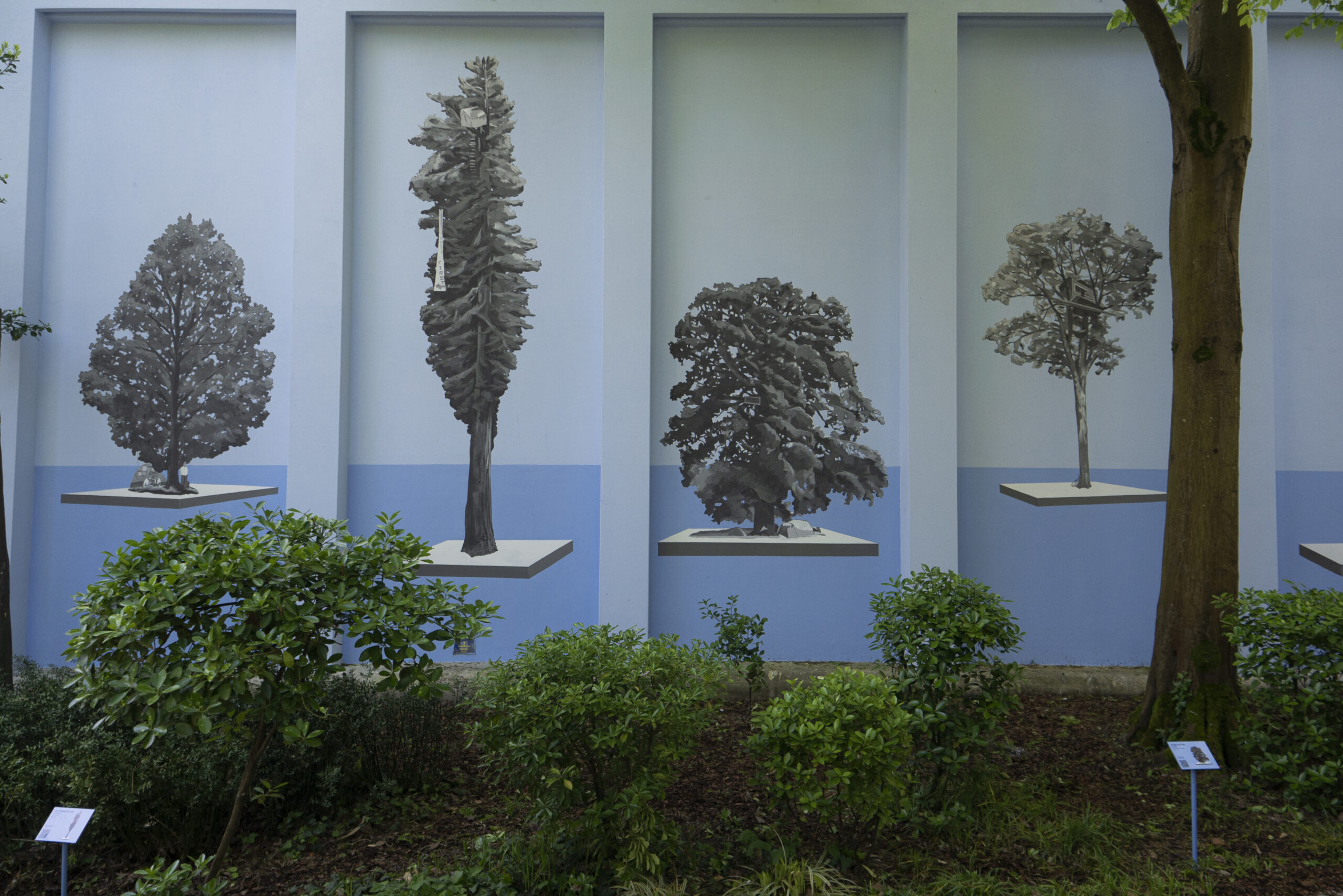
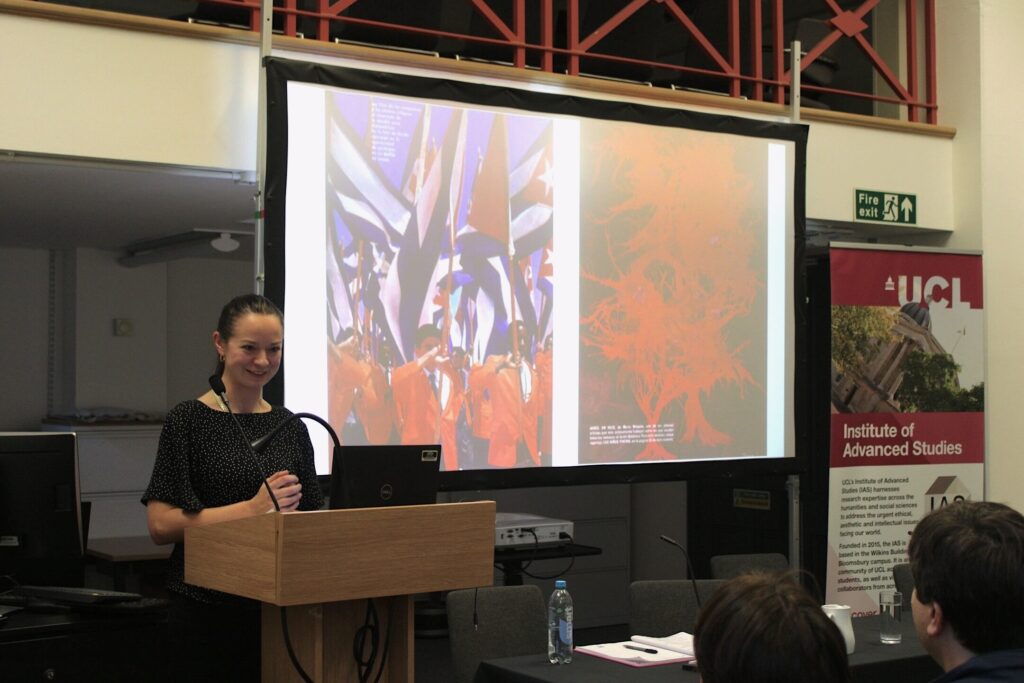
With presentations by artist Oto Hudec, who represented Slovakia at the 2024 Venice Biennial with his project Floating Arboretum, and by film studies scholar Lucie Česálková on spruce monocultures in socialist science documentaries, followed by responses from historian of peasant rebellions Jakub Beneš and SAVA researcher on utopian socialist agriculture Makar Tereshin.
Wednesday 19 March 2025
IAS Common Ground, 6-7.30 pm
SAVA Panel on Revolutionary Agrarianism
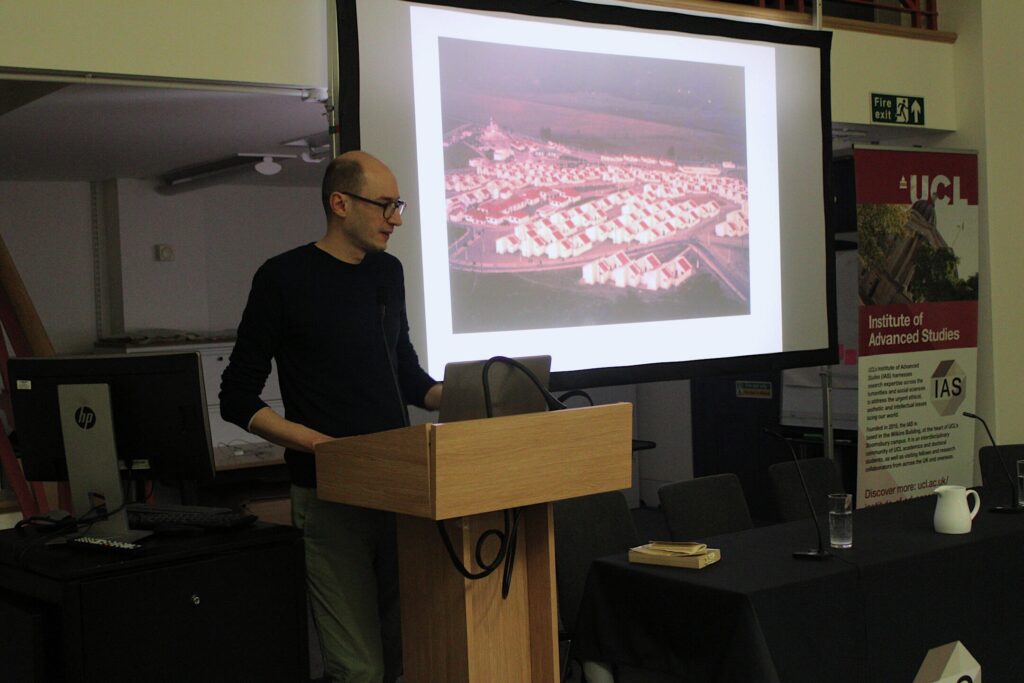
The artist presentations in this SAVA Panel on Revolutionary Agrarianism illuminate episodes in the socialist history of experimental agricultural and rural transformation.
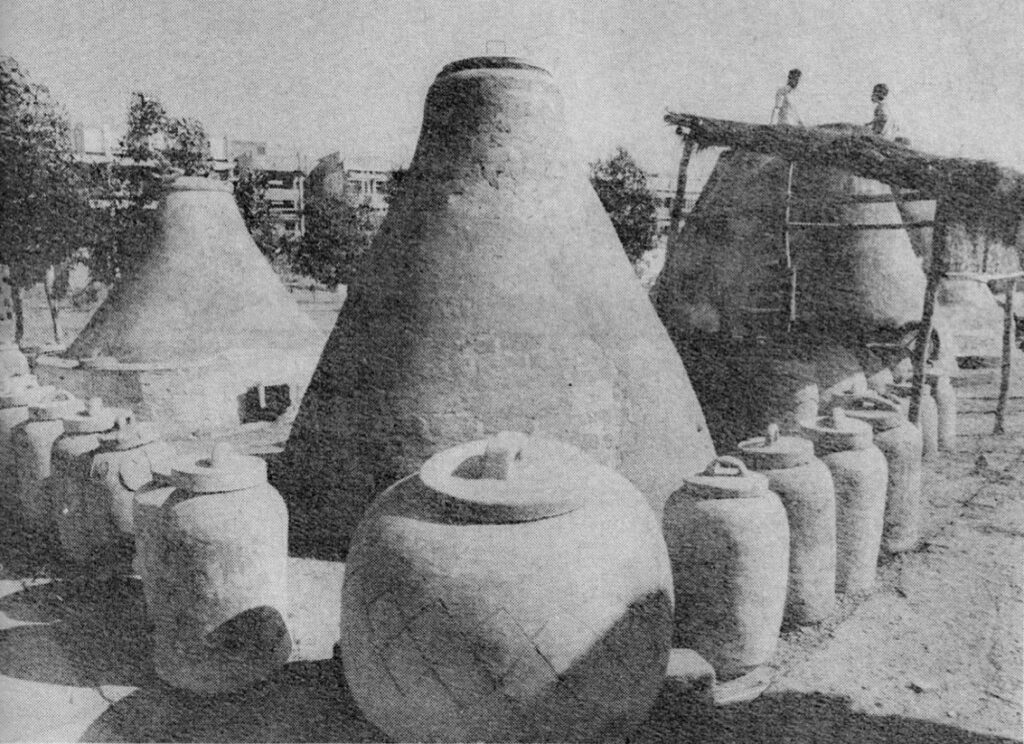
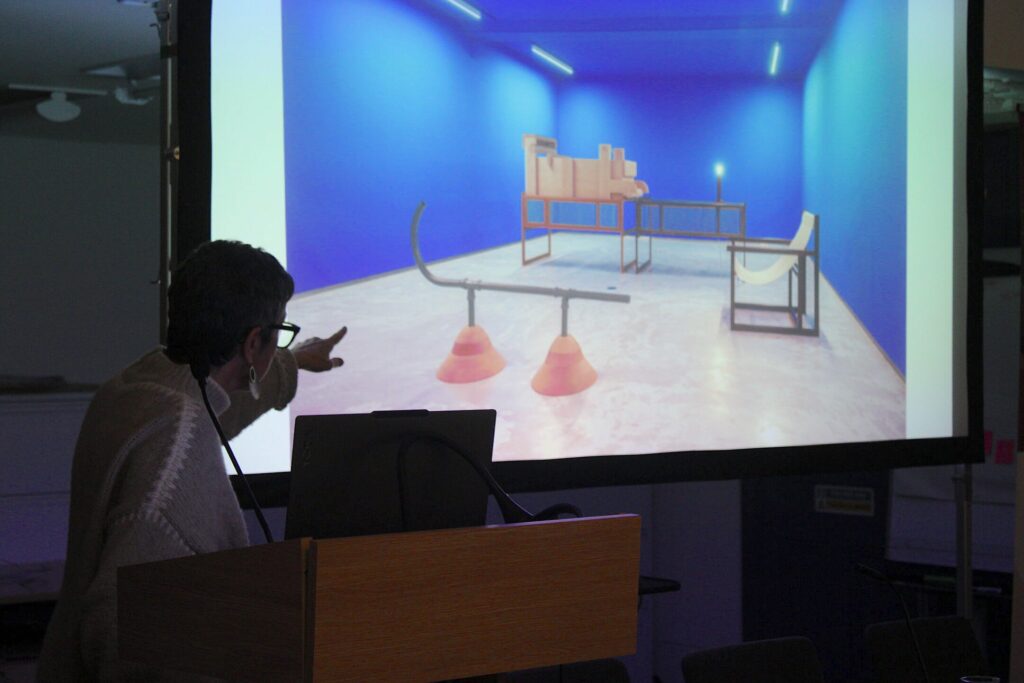
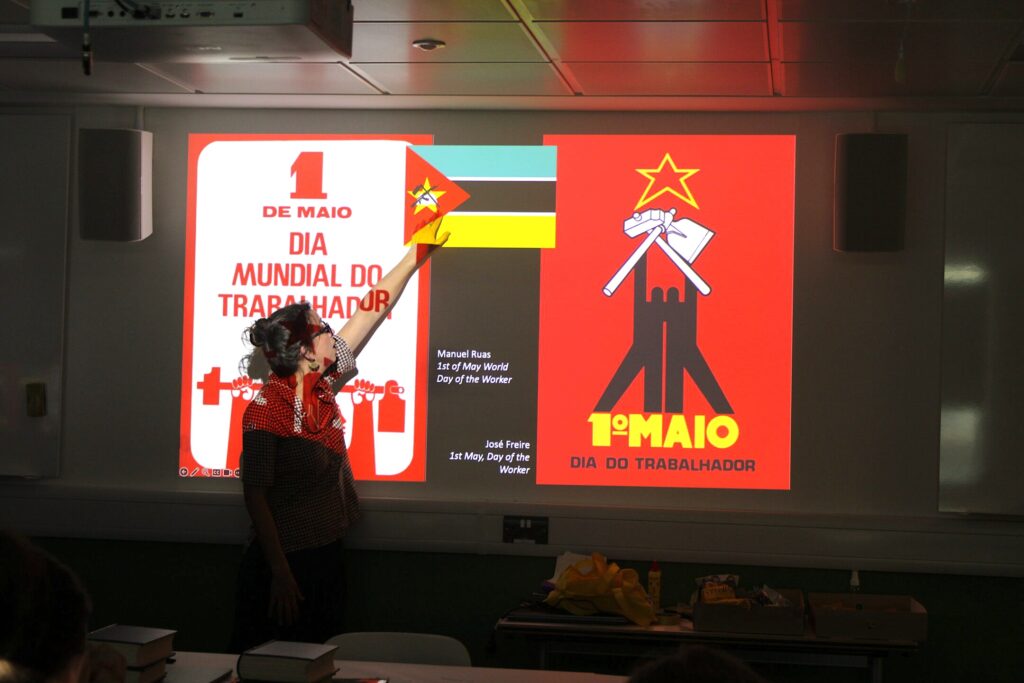
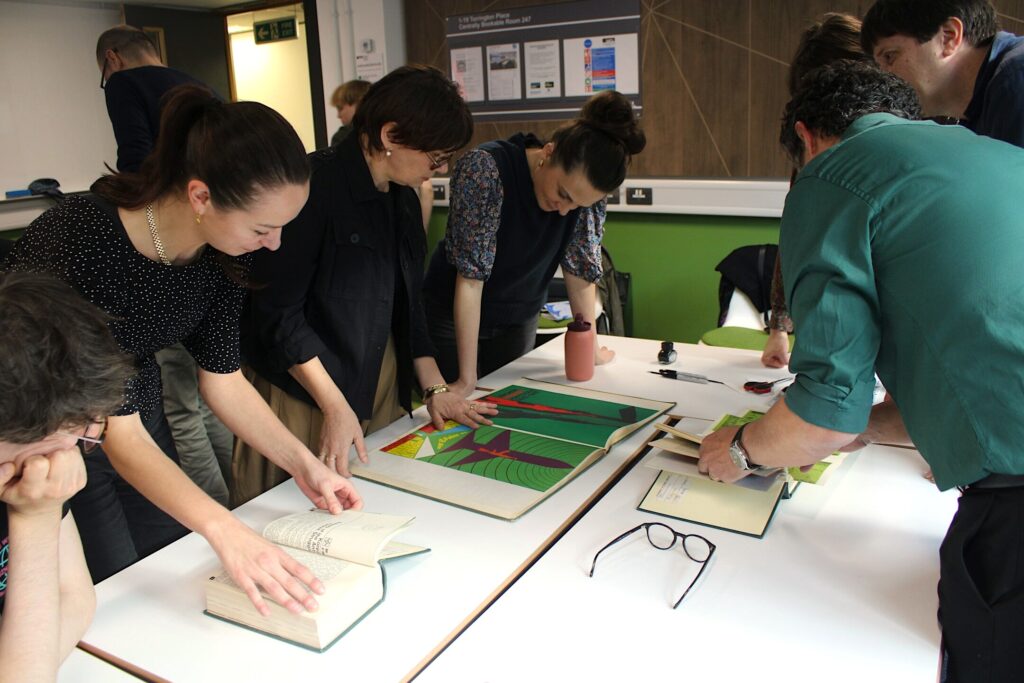
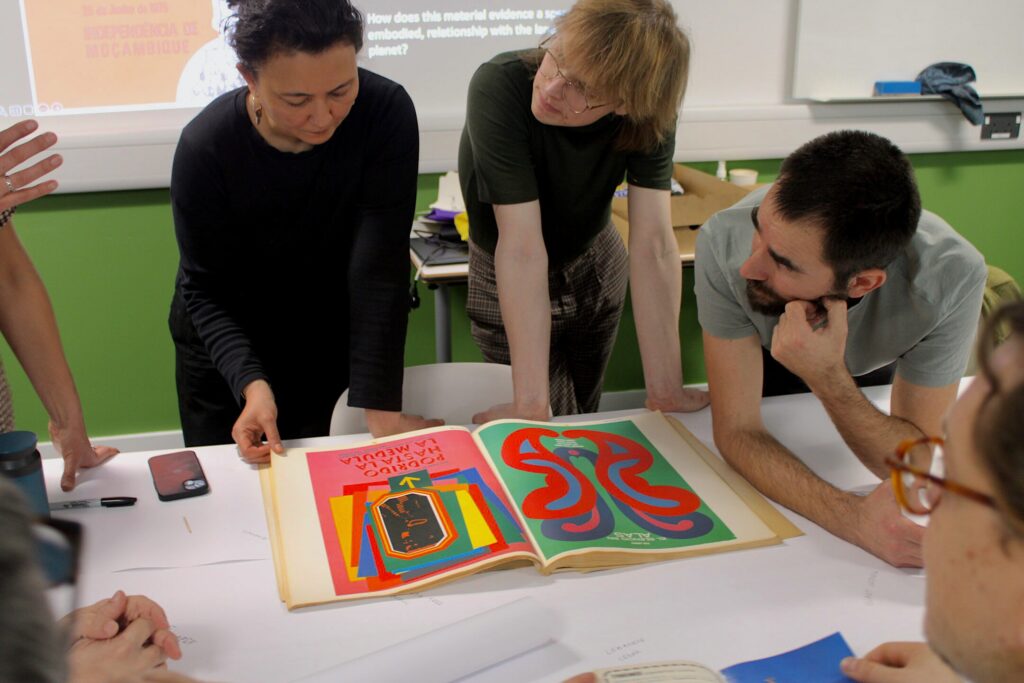
Massinissa Selmani’s talk is based around his artistic research into the 1000 Villages project that set out to transform rural life in Algeria during the 1970s, while Ângela Ferreira excavates traces of experimental agronomy in socialist Mozambique. Responses are by art historian Jonathan Cane, whose work engages decolonial approaches to African art, architecture and the built environment, and SAVA Research Fellow Alex Petrusek, who is researching East German extractivism in Namibia.
Thursday 20 March 2025
IAS Common Ground, 5-6.30pm
SAVA Panel on the Cuban Anthropocene
This panel considers the social and cultural transformations in revolutionary Cuba through the lens of the Socialist Anthropocene.
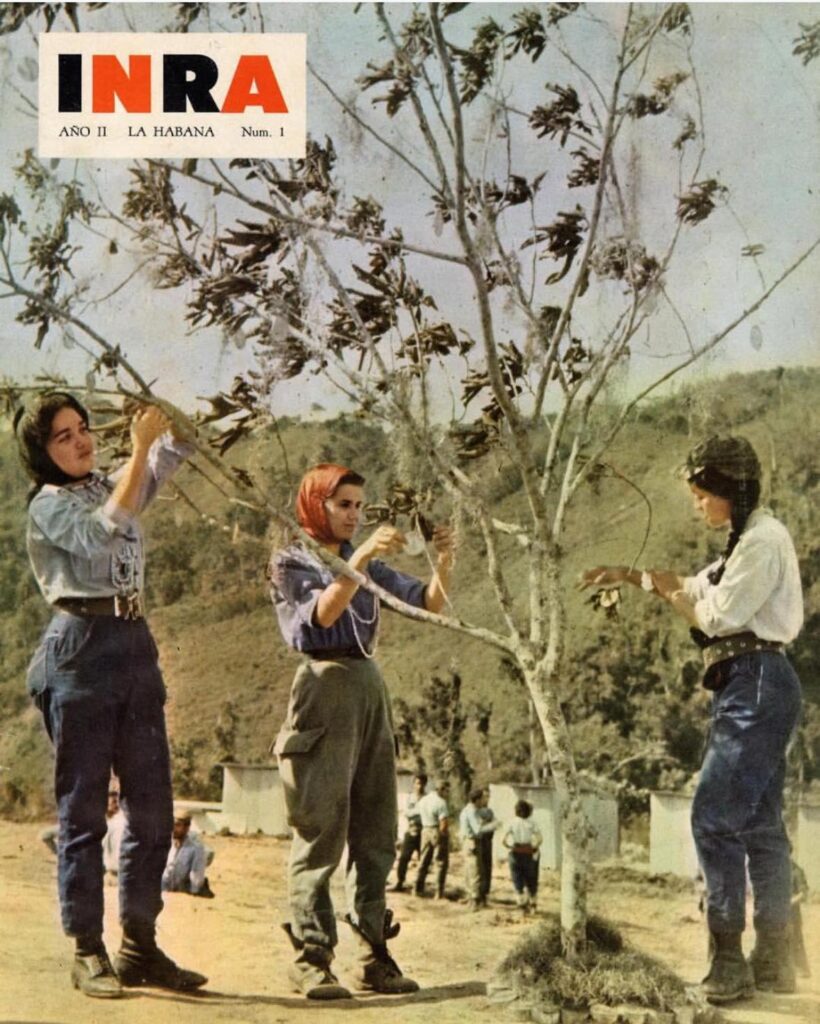
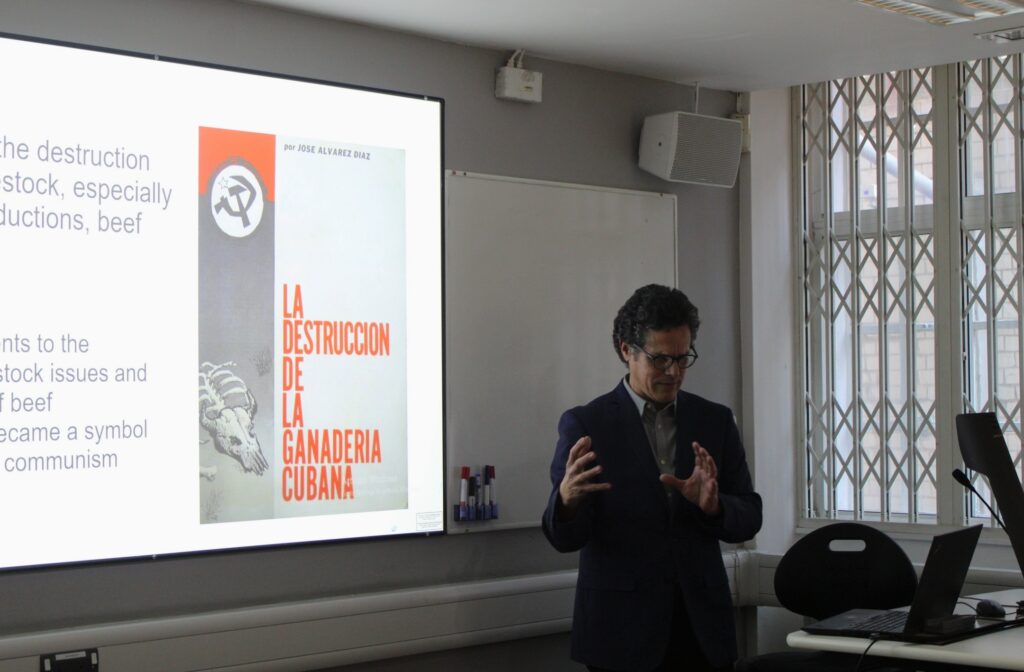
Professor Reinaldo Funes Monzote from the University of Havana will share some of his extensive research into the environmental history of Cuba, focusing on divergent visions of the natural world from the 1960s to the present day. SAVA Research Fellow Sorcha Thomson will shed light on the ways in which Cuba engaged the world in its agrarian reform through Third World internationalism. Responses are by art historian Polly Savage, who has researched Africa’s Cold War visual art networks, and SAVA Research Fellow Jan Burek, who is deals with the environmental history of Poland in the socialist period.
Workshops
To request to join one or more of these closed workshops designed for the SAVA Team, invited speakers and a limited number of additional participants, please email ias.pact@ucl.ac.uk.
Wednesday 19 March 2025
11am-1pm
Maja and Reuben Fowkes (SAVA UCL) Introductory Remarks on the Political Life of Trees in Socialist Art, or how sylvan worlds were enfolded in socialist systems that by turns instrumentalized and exploited, but also protected and sought harmonious relationships with trees.
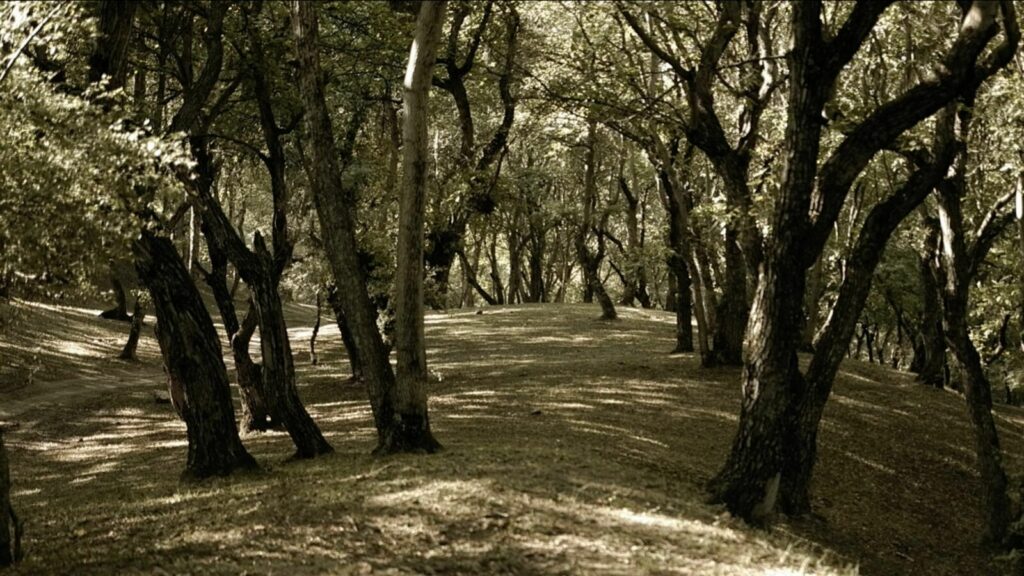
Workshop led by SAVA Creative Fellow Saodat Ismailova on Kyrgyzstan’s Arslanbob Forest, where ancient walnut trees, oral tradition and socialist and post-socialist temporalities intertwine.
Wednesday 19 March 2025
2-3.30pm
Workshop led by Reinaldo Funes Monzote (University of Havana).
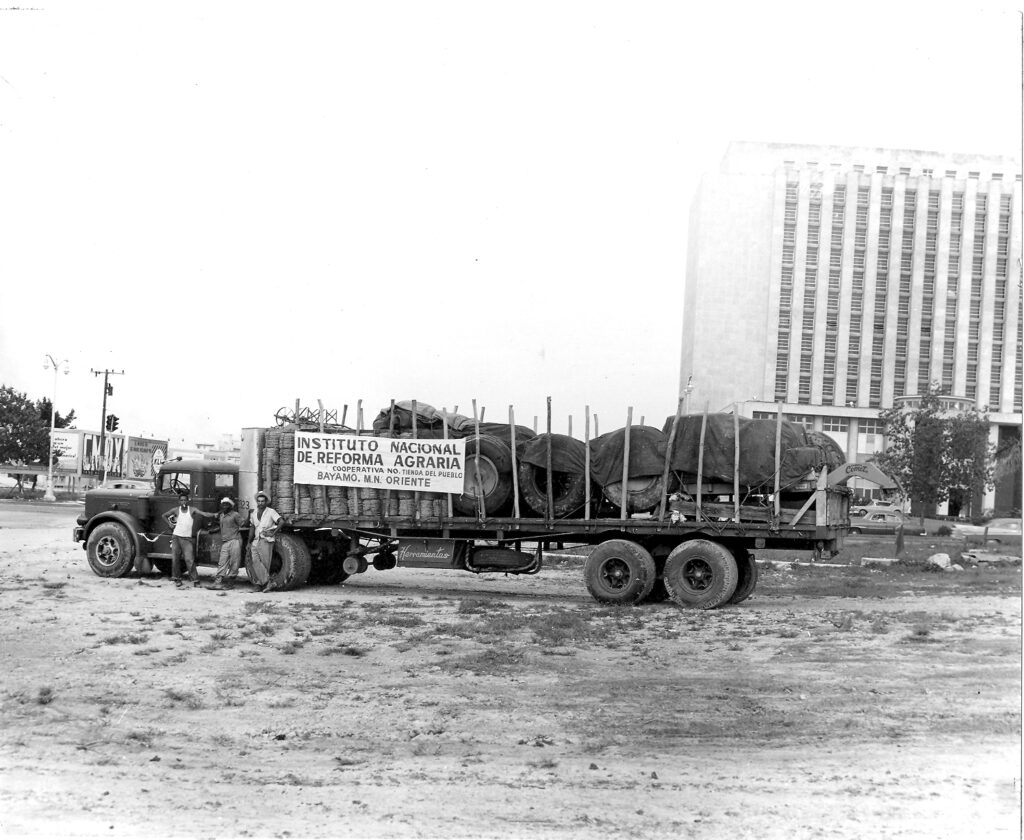
In this workshop participants will be invited to explore the history of a ‘cow named Ubre Blanca (White Udder),’ whose record breaking milk production was presented as an achievement of the socialist Cuban model, with aspirations to bring dairy development to tropical areas and Third World countries.
Thursday 20 March 2025
11.00-12.30
‘No Work, No Cake’ Workshop led by Lucie Česálková (Charles University Prague).
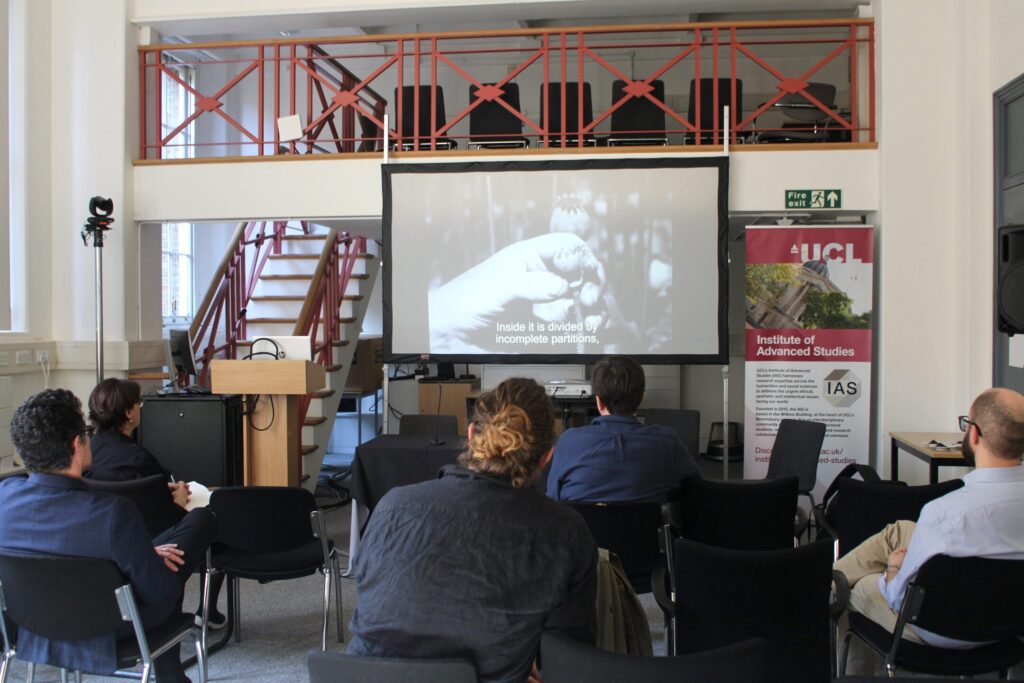
The film Mák (Poppy, 1956) was commissioned by the Czechoslovak Ministry of Agriculture to instruct farmers on the principles and importance of poppy cultivation. It was intended for agricultural film screenings and provides an understanding of the socialist utilitarian approach to the land as a source of abundance dependent on human cultivation and labour, as well as opens up the question of how could rural audiences of the time relate to film education.
Thursday 20 March 2025
1.30-3pm
Workshop with Oto Hudec (artist, Košice).
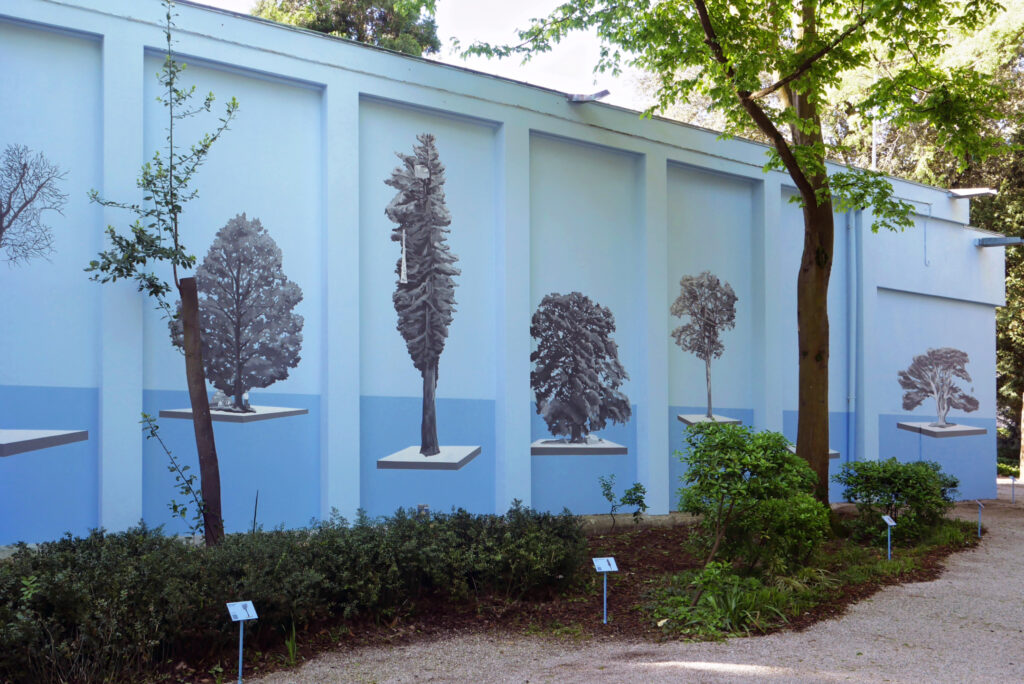
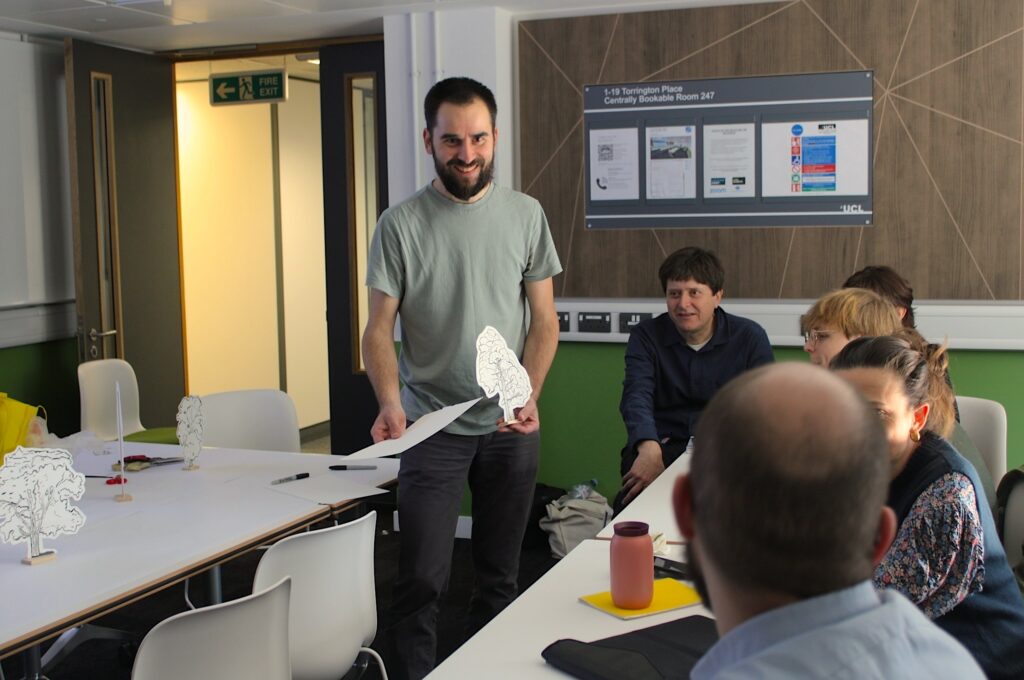
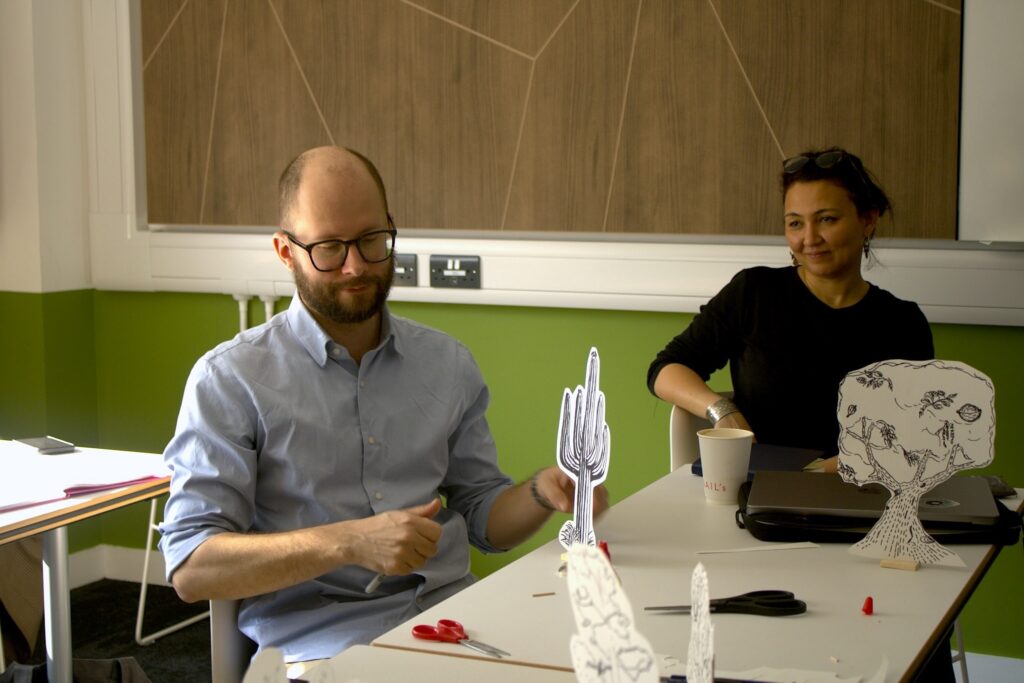
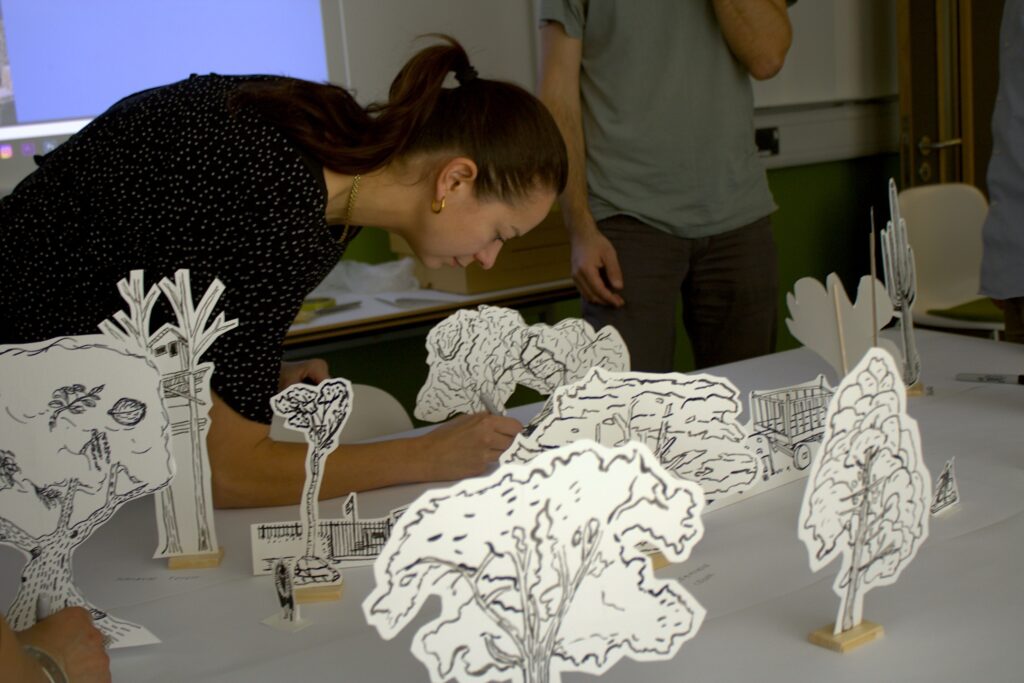
In this workshop participants will navigate examples of existing protests to save trees and forests, discussing the the strategies of protest and non-violent civil unrest, moving towards the selection of possible trees, forests, localities that needs protection. We will consider which forms of protest work, as well as the sentimental value and poetic aspects of trees, with the potential to create a submission of new, specific trees into Floating Arboretum.
Thursday 20 March 2025
3-4.30pm
Workshop led by Polly Savage (SOAS).
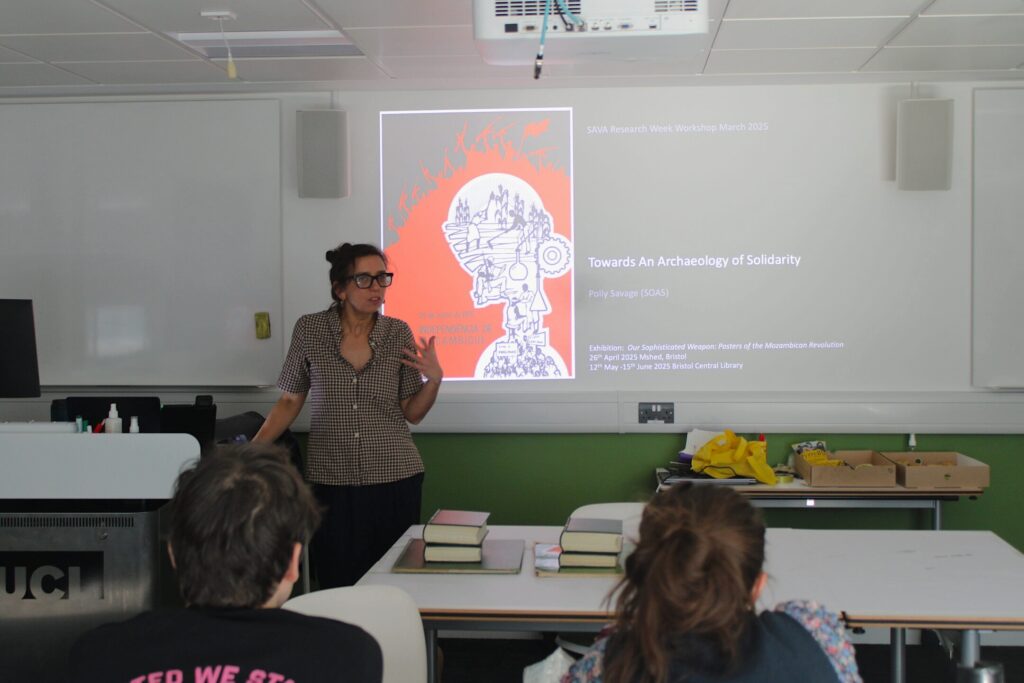
This workshop on socialist internationalisms will draw on research into the aesthetic geographies of solidarity, the revolutionary mobilisation of images and the transnational artistic networks of the socialist world.
Speaker biographies
Lucie Česálková is a Czech film historian based at the Department of Film Studies at Charles University in Prague. She is also the editor-in-chief of ‘Iluminace’, published by the National Film Archive, Prague. In her research, she focuses on the history of nonfiction cinema, specifically its educational, promotional or instructional variants, on the history of noncommercial film exhibition and moviegoing. Česálková has been publishing articles in such journals as Film History, Memory Studies, The Moving Image, Studies in Eastern European Cinema, and others, as well as many book chapters in edited volumes. Recently, she co-edited a volume Non-Fiction Cinema in Postwar Europe. Visual Culture and the Reconstruction of Public Space (eds. Lucie Česálková, Johannes Preatorius-Rhein, Perrine Val, Paolo Villa, AUP 2024). Her current project focuses on the visual regimes of coal, water, oil, natural gas and nuclear power, its surrounding narratives and imagery in state-socialist Czechoslovakia. Engaging the environmental and energy humanities perspective, she analyses the ways nature was framed as a resource specifically in Czech industrial and agricultural film. She is a member of the research group Environmental Humanities Prague, and together with Christian Ferencz-Flatz she co-leads an international research group Socialist and Post-Socialist Useful Film.
Reinaldo Funes Monzote is Professor of History at the University of Havana and Coordinator of the Geo Historical Research Program at the Antonio Nunez Jimenez Foundation in Cuba. Member of the Academy of History of Cuba and President of the Cuban Society for the History of Science and Technology. Author of De bosque a sabana. Azúcar, deforestación y medioambiente en Cuba: 1492-1926, winner of the Caribbean Thinking Award in 2003 and published by Siglo XXI de México in 2004. A version translated into the English, From Rainforest to Cane Field: A Cuban Environmental History since 1492 (2008), received the Elinor Melville prize by the Conference on Latin American History. In 2019 his book Nuestro viaje a la Luna. La idea de la transformación de la naturaleza en Cuba durante la Guerra Fría, won the Casa de las Américas Award. Co-author of Reconstructing the Landscapes of Slavery. A Visual History of the Plantation in the Nineteenth Century Atlantic World (2021). A visiting professor at universities in Spain, Brazil, Puerto Rico, and the United States. Fellow at the Davis Center for Historical Studies at Princeton University (2023) and the Hamburg Institute for Advanced Studies, Germany (2023-2024).
Ângela Ferreira is an artist and researcher teaching Fine Art at the University of Lisbon (FBAUL) in Portugal and in Mozambique. Ferreira’s multi-disciplinary practice is concerned with the ongoing impact of colonialism and post-colonialism on contemporary society, an investigation that is conducted through in-depth research and distillation of ideas into concise and resonant forms. The contribution of this artistic practice lies in the construction of a solid and non-pamphleteering artistic decolonial discourse. The source of her archival reference materials often triangulates the three countries of her personal history: South Africa, Mozambique and Portugal, which she represented Portugal at the 52nd Venice Biennale in 2007.
Massinissa Selmani is a French-Algerian artist whose practice centres around drawing. His work, in which the gravity of the subjects is conveyed through humour, absurdity, and simple means, often presents drawings that depict strange or absurd situations made from assemblages, alongside images from the printed press, short animations, and installations. In 2015, Massinissa Selmani received a special mention at the 56th Venice Biennale. Selected solo and group exhibitions include the 56th Venice Biennale; Centre Pompidou, Paris; Palais de Tokyo, Paris; Sharjah Biennial 13, UAE; Modern Art Oxford, Oxford, UK; IVAM Valencia, Spain; Zachęta National Gallery, Warsaw; the 13th Biennale de Lyon, France; Centre de Création Contemporaine Olivier Debré (CCC OD), Tours, France; Museum of African Art, Belgrade, Serbia; 11th Dakar Biennial, Senegal; UGM Maribor, Slovenia, among others.
Oto Hudec is a Slovak visual artist who creates videos, murals, animations, sculptures and works for public spaces about the climate crisis, immigration, refugees and the environmental impacts of globalization. His work on climate change is intertwined with activism. He also collaborates on projects with children and youth from disadvantaged communities. In 2024, in collaboration with a wider artistic team, he created the Floating Arboretum project as the Slovak representation at the Venice Biennale. He is a teacher at the Faculty of Arts TUKE, Slovakia. He lives and works in Košice, Slovakia.
Polly Savage teaches and writes on art theory, curating, and the visual arts in Africa and the African diaspora at the School of Oriental and African Studies (SOAS). She has worked on a range of curatorial and research projects across Africa, Brazil and the Caribbean over the last two decades, and held a curatorial post at London’s October Gallery for 5-years. She has an MA in Postcolonial Studies from Goldsmiths and a PhD in Curating Contemporary Art from the Royal College of Art, and has taught at several other universties including Leeds, Goldsmiths and Birkbeck. Her most recent research focuses on the visual cultures of decolonisation and the Cold War in Lusophone Africa. Her book Making Art in Africa 1960-2010 (2014) compiled first-hand accounts from artists and curators in 13 countries across Africa, offering a broad overview of contemporary practice on the continent.
Jonathan Cane is a lecturer in the History of Art Department at Warwick University. He works on modern and contemporary art and architecture from Africa and the Global South, with a particular interest in the study of materiality and ecology. His practice-based research and design work has been exhibited and published on numerous platforms.
Sorcha Thomson is an interdisciplinary historian of twentieth century anticolonial and socialist movements. She is particularly interested in the role of tricontinental movements and their solidarity networks in shaping global political agendas and imaginations. As SAVA Research Fellow in Global Socialisms, her current project investigates the transnationalism of Cuban agrarian reform between 1959 and the 1970s, a program of land redistribution that transformed the island and its socio-ecological relations.
Saodat Ismailova is an Uzbek filmmaker and artist graduated from Tashkent State Art Institute and Le Fresnoy, National Studio of Contemporary Arts. Interweaving myths, rituality, and dreams within the tapestry of everyday life, her films investigate the historically complex and layered culture of Central Asia which stand at the crossroads of diverse material histories and migratory legacies. Departing from her personal history marked by growing up in the post-Soviet Uzbekistan, Ismailova reaches out to the collective dimension of memory. Her research encompasses the region’s ancestral knowledge and traditional spiritual practices as well as modern history of Uzbekistan which manifests through work on archival footage. She initiated Davra research collective in Central Asia, 2021. In 2022 she participated in 59th Biennale of Venice and presented new work at documenta fifteen. The same year, she received The Eye Art & Film Prize, Amsterdam. Her new film “Melted into the Sun” is presented at Nebula collective exhibition, commissioned by Fondazione in between Art and Film, during Venice Biennale of Arts, 2024. Her works are in the collection of Stedelijk Museum, Amsterdam, The Centre of Pompidou, Paris and others.
Jakub Beneš is Associate Professor in Central European History at UCL School of Slavonic and East European Studies. He is also the author of the award-winning Workers and Nationalism: Czech and German Social Democracy in Habsburg Austria, 1890-1918 (Oxford, 2017) and The Last Peasant War: Violence and Revolution in Twentieth-Century Eastern Europe (Princeton: Princeton University Press, 2025).
Jan Burek is a social and cultural historian whose primary focus is on the environmental and labour history of state socialist Poland. As a SAVA Research Fellow at IAS UCL, he studied an early 1960s international project of the Druzhba (Przyjaźń) oil pipeline from a local perspective of Płock, a town in Central Poland (where an enormous refinery and petrochemical plant was constructed as part of the Druzhba pipline network). His research aims to uncover how the inhabitants of Płock dealt with the impact of the pipeline and the plant on the environment and their daily lives, in the context of the emerging environmental awareness.
Makar Tereshin is a social anthropologist and documentary photographer. He is a PhD candidate at University College London, where he is part of the ETHNO-ISS project. His research interests concern material culture studies, environmental and visual anthropology with particular ethnographic focus on Russia and Kazakhstan. Currently, he is working on a project exploring politics and ecology of the Russian space programme in Central Kazakhstan.
Alexander Petrusek is a historian of modern Germany, the environment, and the global Cold War. He is a SAVA Research Fellow at PACT, UCL Institute of Advanced Studies. His research has included investigating East German support for the Namibian independence movement during the Border War in southern Africa, and how the East German practices of solidarity criticized, and at times uncomfortably reflected, the South African state’s self-designated “civilizing mission” in Namibia and its underlying exploitative extractivism.
Documentation