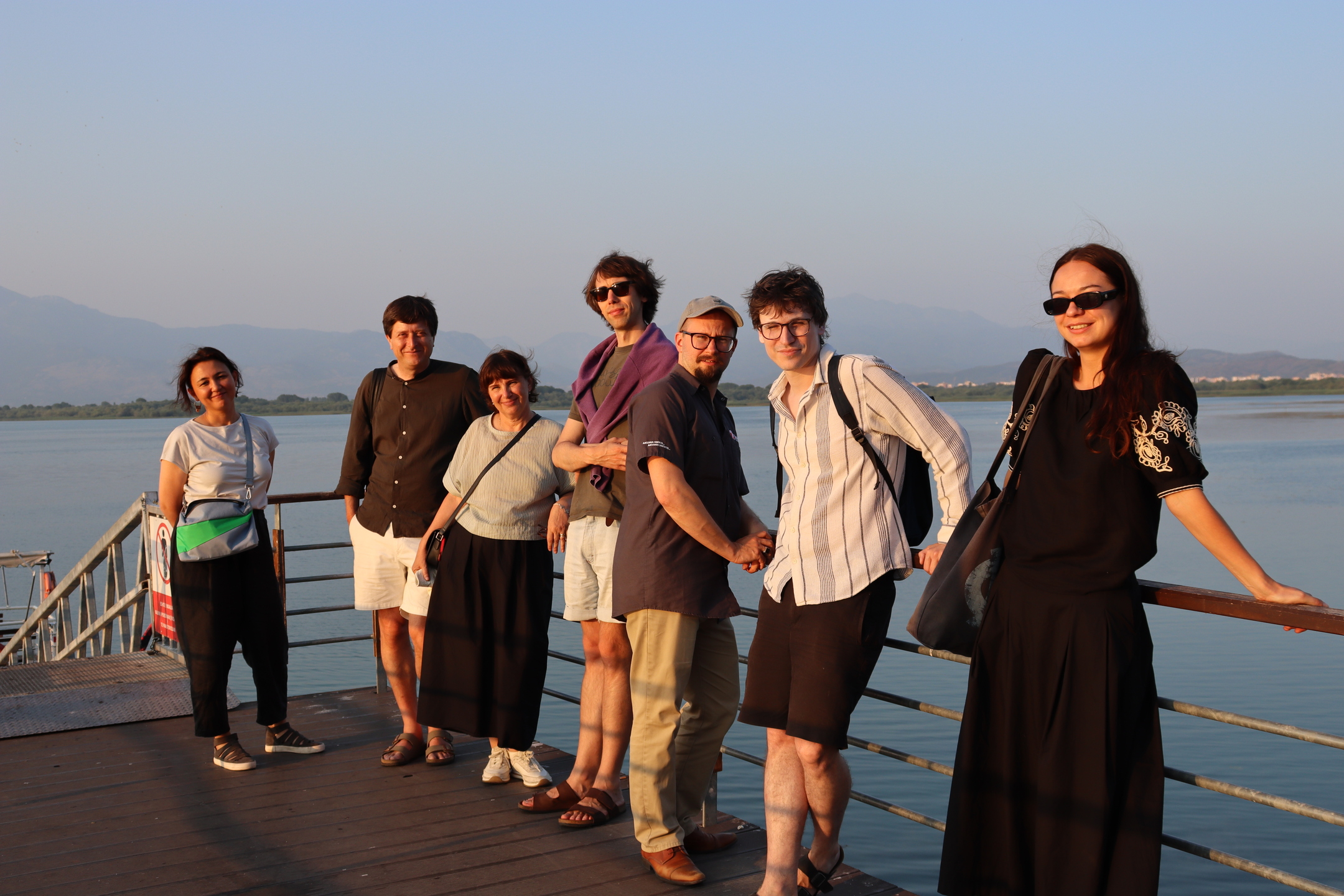
SAVA Balkan Research Trip
SAVA Balkan Research Trip
Kosovo & Albania
June 2025
Maja Fowkes
Reuben Fowkes
Alex Petrusek
Jan Burek
Saodat Ismailova
Sorcha Thomson
Makar Tereshin
Natalia Pavlovicova
SAVA Balkan Research Trip
Kosovo & Albania
June 2025
Maja Fowkes
Reuben Fowkes
Alex Petrusek
Jan Burek
Saodat Ismailova
Sorcha Thomson
Makar Tereshin
Natalia Pavlovicova
The third SAVA Research Trip, this time to Kosovo and Albania, took place in June 2025. Our programme, full of guided visits to the local museums, galleries, contemporary art spaces, and sites of the Socialist Anthropocene, provided us with opportunities to learn more about the countries’ environmental histories influenced by socialist development, as well as how these histories are currently perceived through the layer of more recent experiences of conflict and economic crisis.
Day One
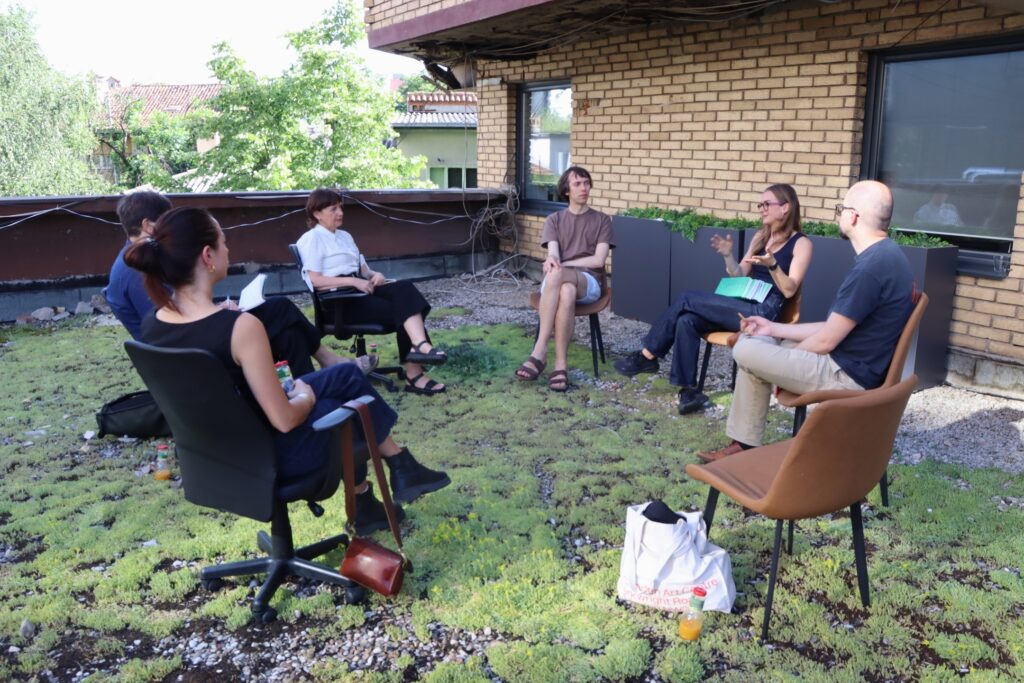
On our first afternoon in Pristina, Kosovo, we began with a visit to the National Gallery of Kosovo, where curator Hana Halilaj introduced us to the institution’s operations and vision, and presented their recent exhibition, When Species Meet, which explored artistic representations of the natural world.
Following the gallery visit, Hana led us on a guided tour of the city. We visited the National Library of Kosovo, where we admired its architecture and interior details, including trees planted inside the building.
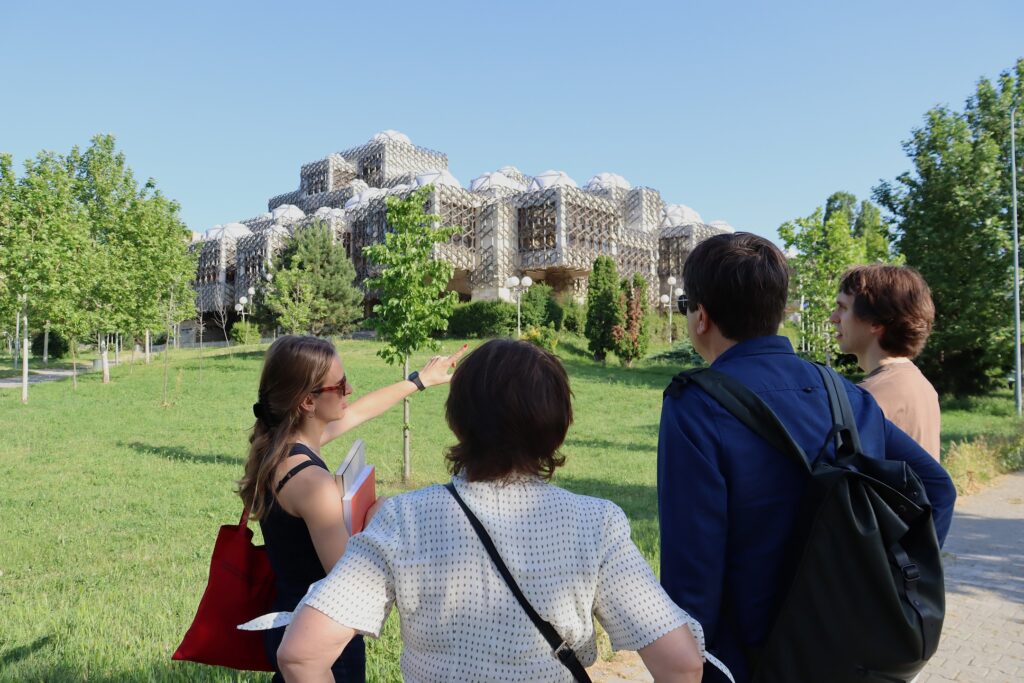
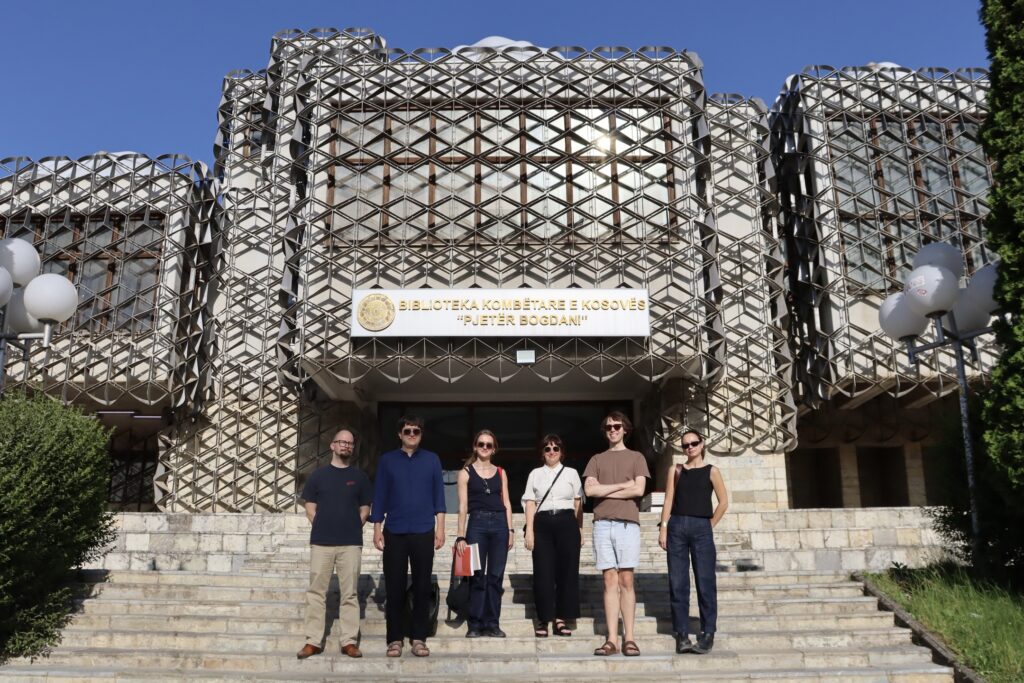
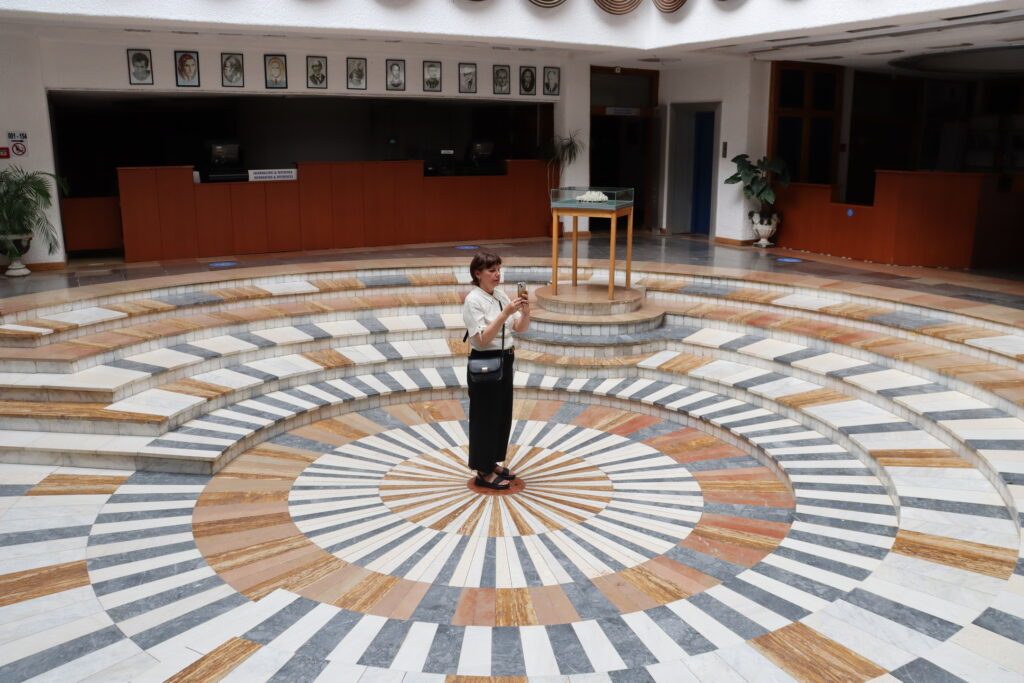
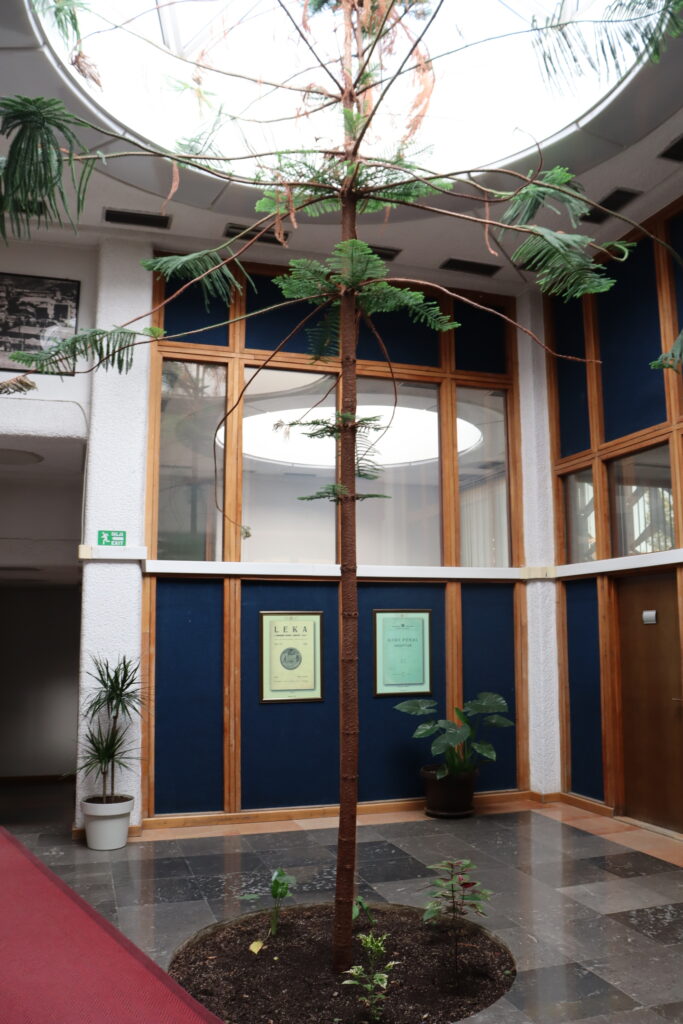
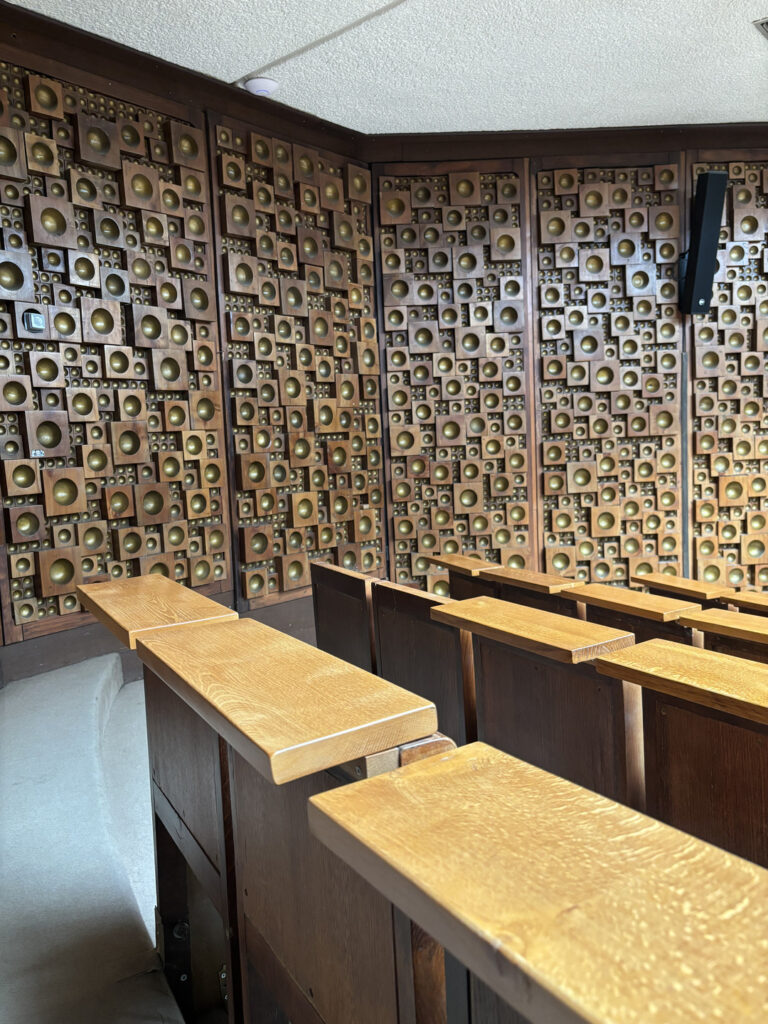
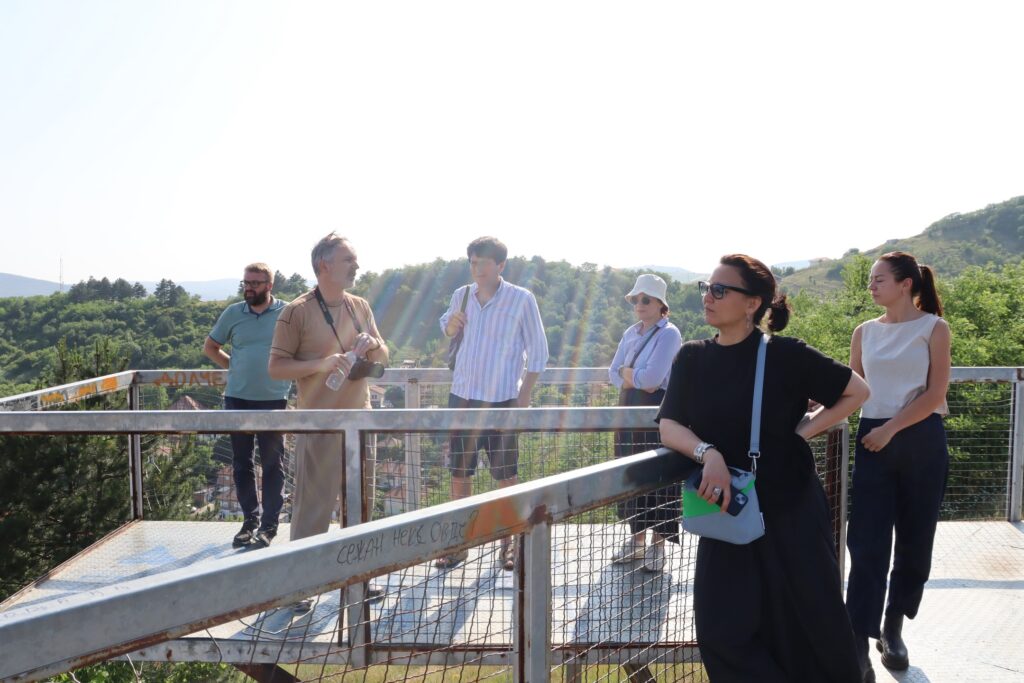
We then climbed to the rooftop, where we had a panoramic view of the entire city, including several socialist-era buildings we were soon to visit – the Grand Hotel Prishtina, the Palace of Youth and Sports and the National Theatre of Kosovo.
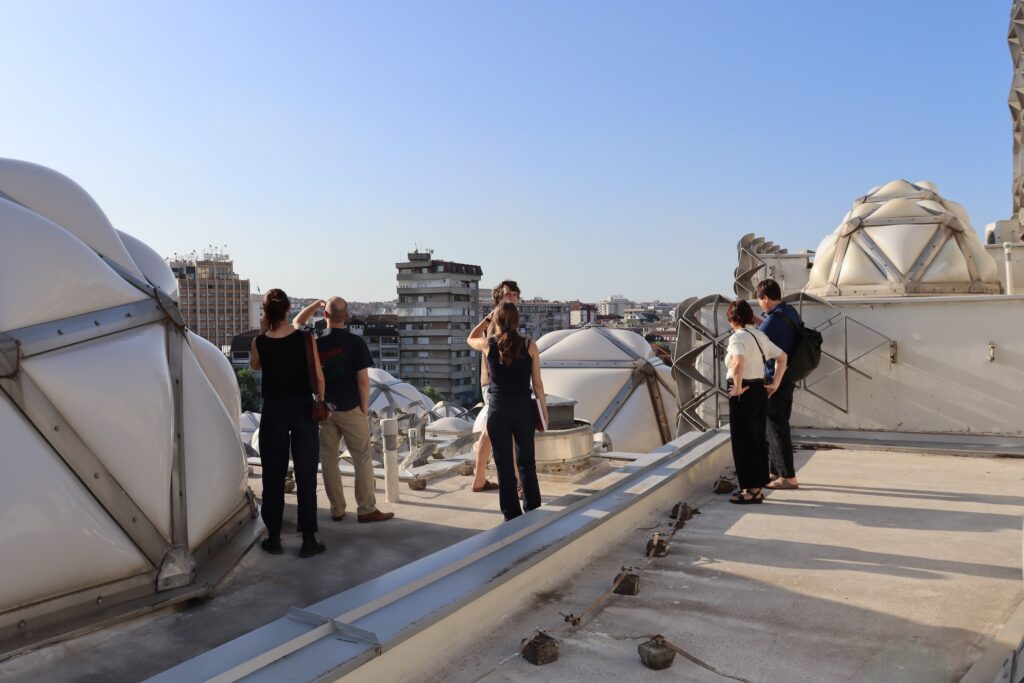
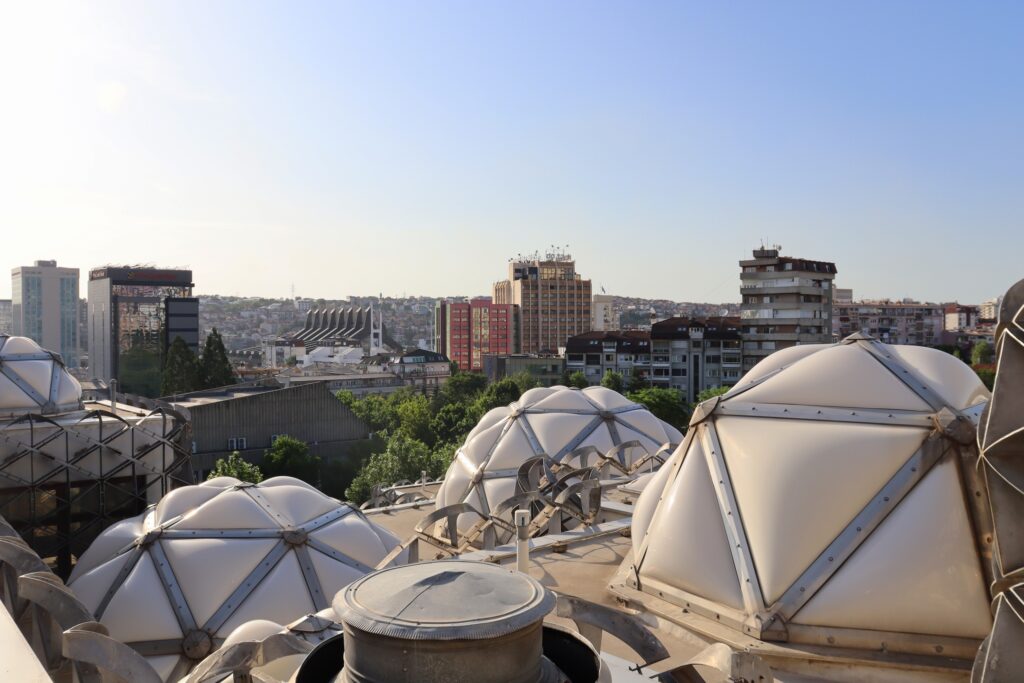
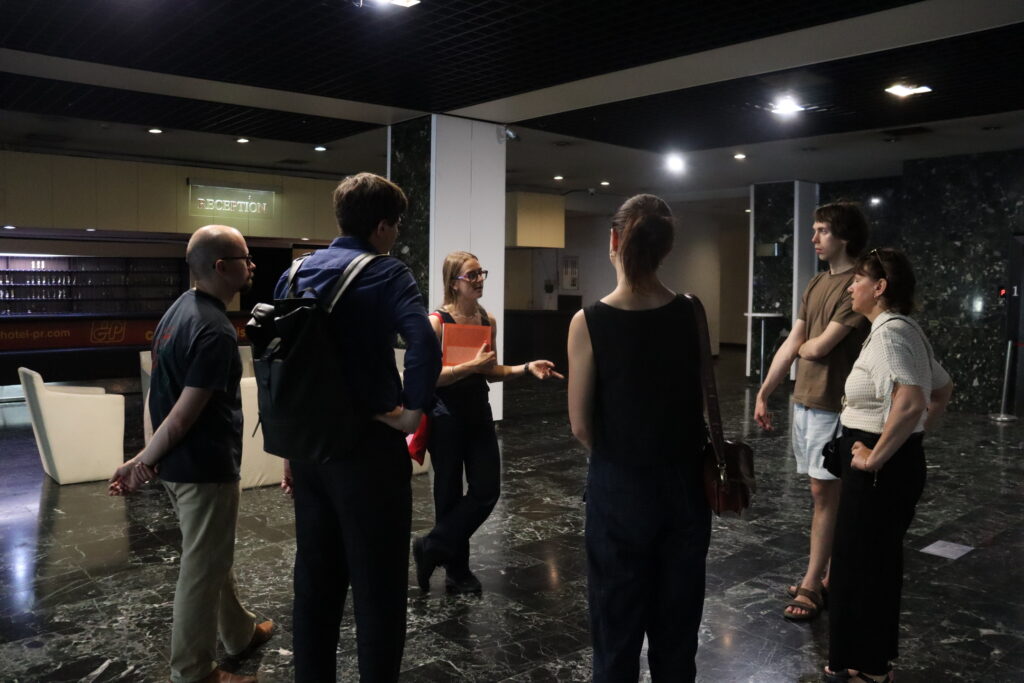
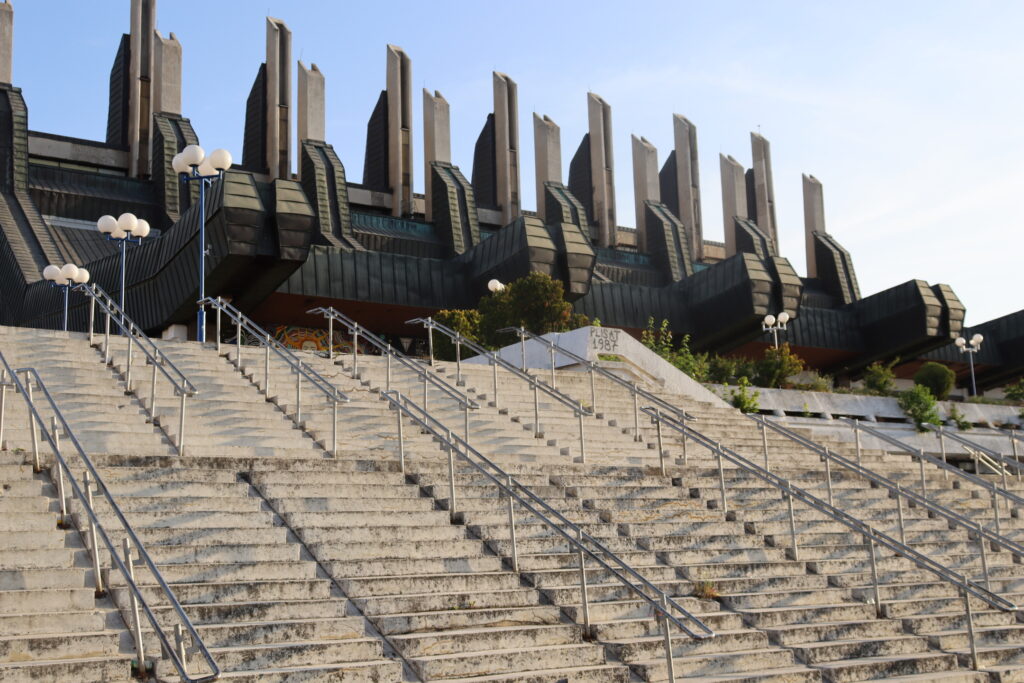
We then continued to the Grand Hotel Prishtina, the site of Manifesta 14 in 2022 and the current home of the Hajde! Foundation gallery. The tour also took us to the Palace of Youth and Sports and the National Theatre of Kosovo – two monumental socialist-era buildings currently undergoing reconstruction.
Day Two
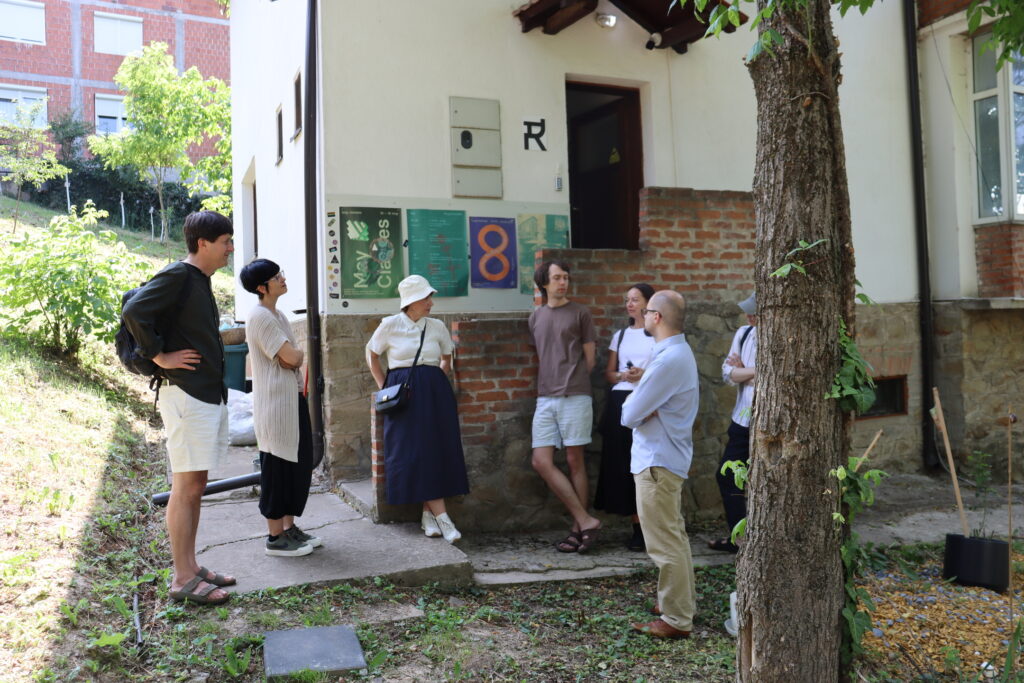
Our second day in Pristina began with a visit to Foundation 17, a non-profit organisation that supports the local artistic community through residencies and art exhibitions. We were welcomed by art director Fitore Isufi-Koja, who shared insights into the foundation’s programming and vision.
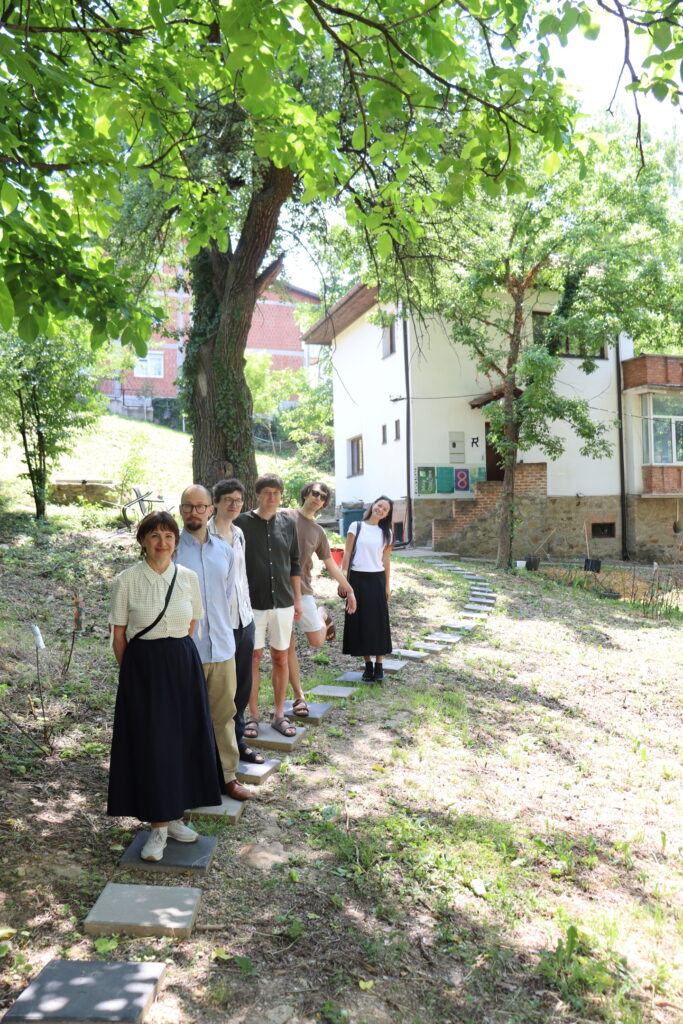
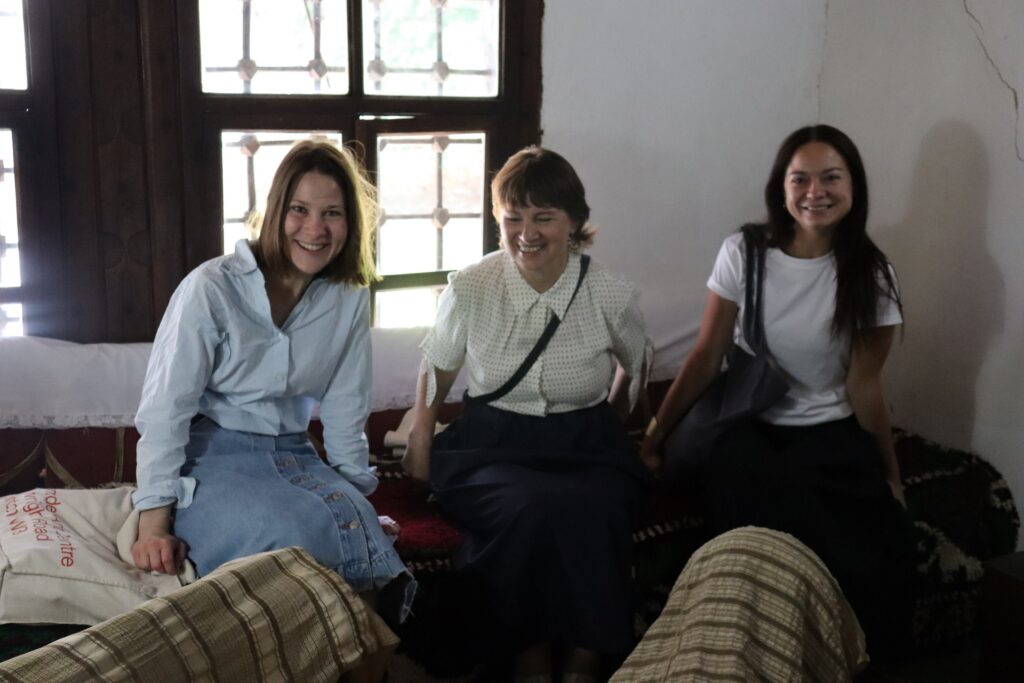
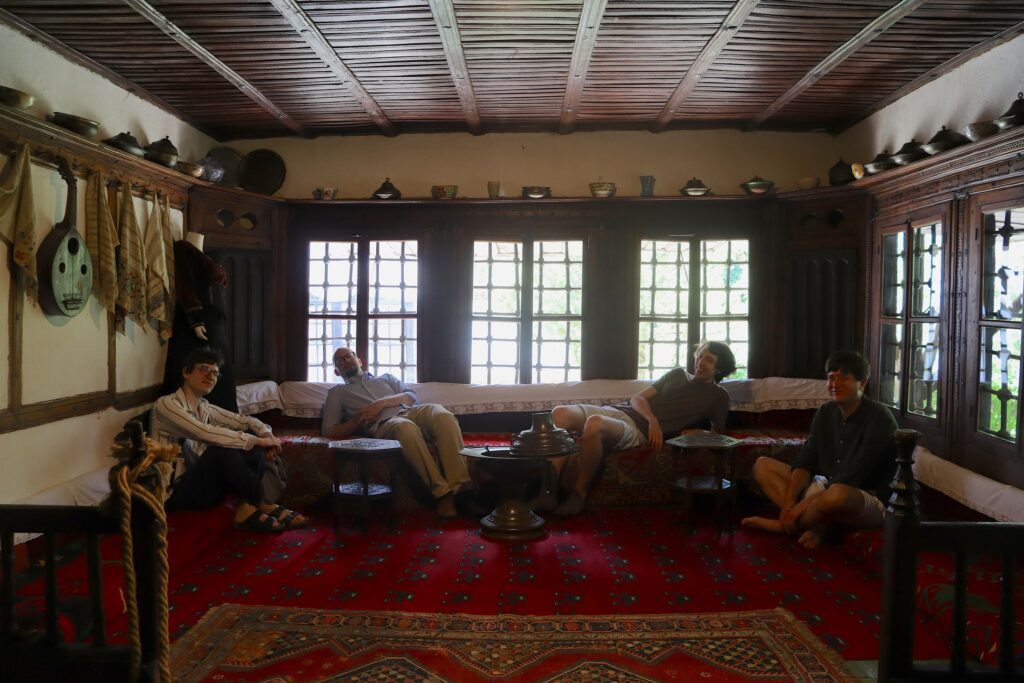
Then, we continued to the Ethnological Museum, where we learned about everyday life during the Ottoman period in Kosovo, including the traditional separation of spaces for women and men.
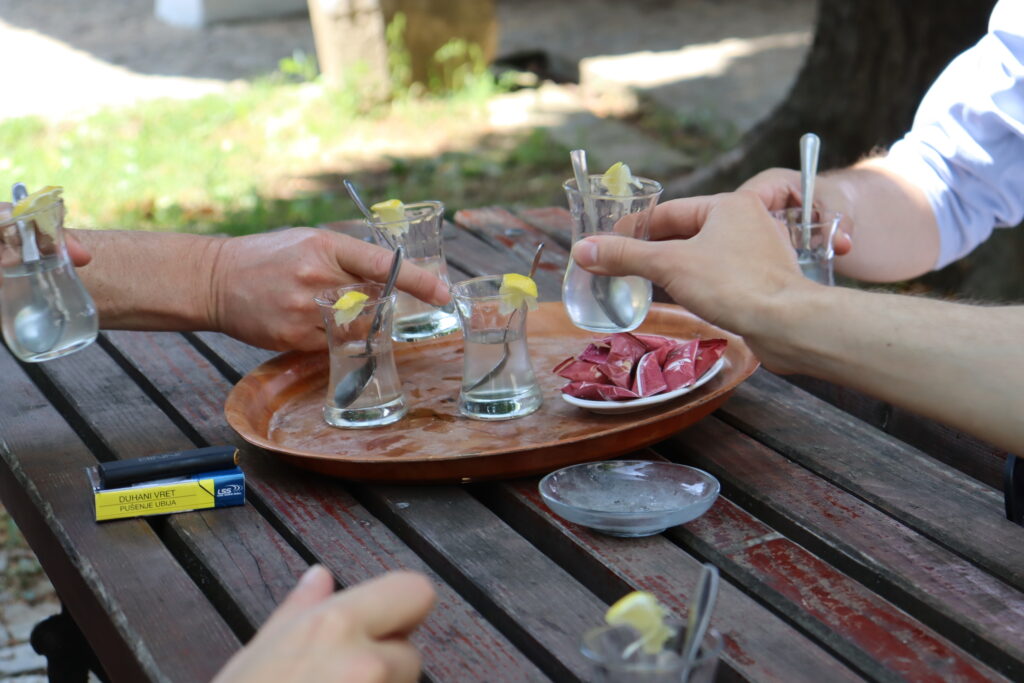
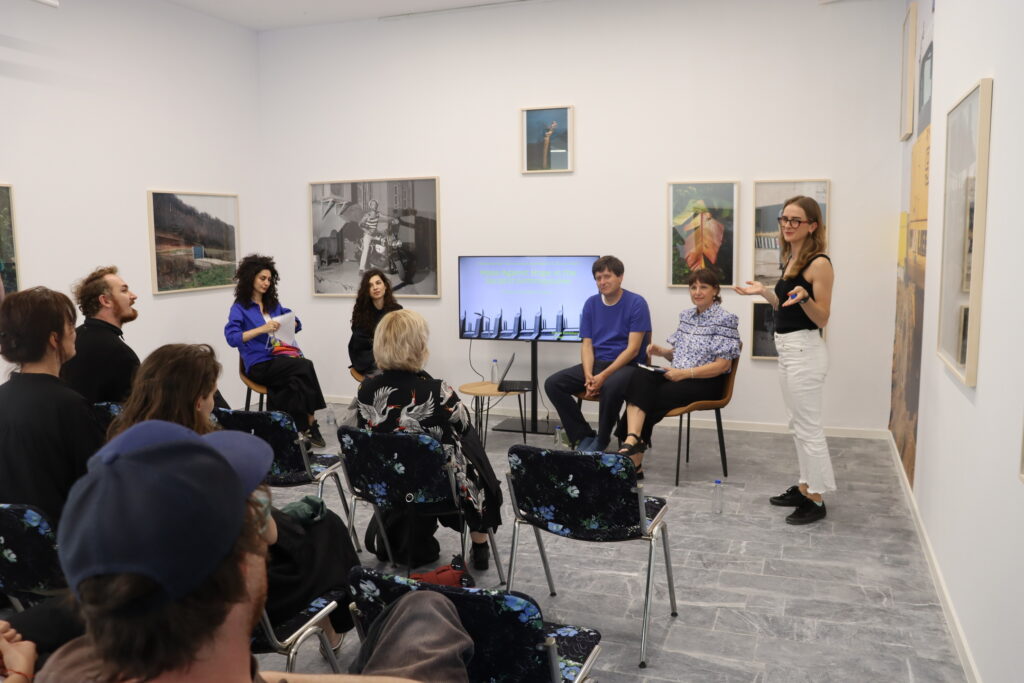
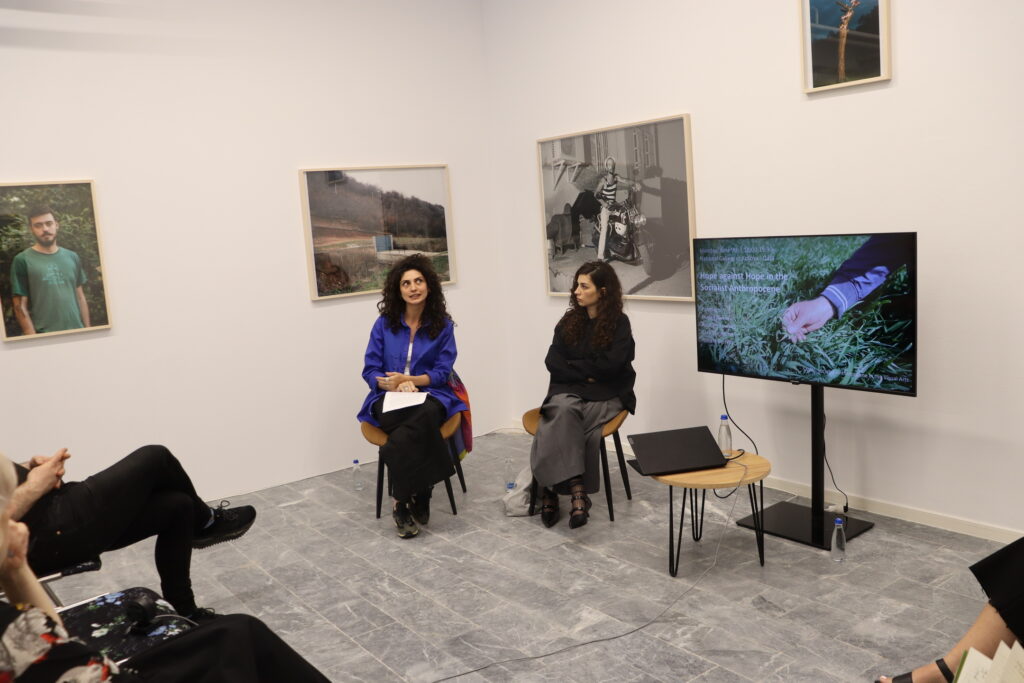
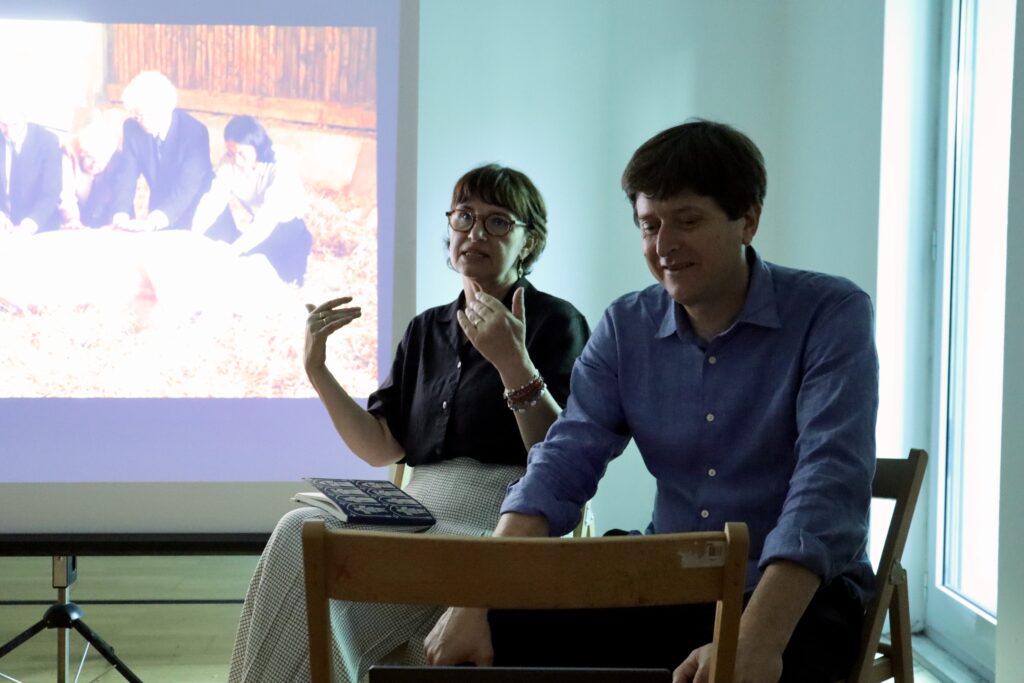
In the evening, the first SAVA Panel Discussion, titled Hope Against Hope in the Socialist Anthropocene, took place at the National Gallery of Kosovo. Maja and Reuben Fowkes presented the SAVA project to the local audience, followed by presentations by Rozafa Berisha and Erzë Dinarama, who explored how hopes for the future take shape within landscapes marked by ecological disruption and industrial decline.
Day Three
On the third day, we travelled to Mitrovica and began with a visit to the local museum, where the director, Nora Prekazi, provided us with insights into the history of Kosovo. Part of the museum also functions as a gallery, which was currently hosting an exhibition presenting the local Roma community. In addition, the museum also houses a space run by the association Voice of Parents, showing an exhibition dedicated to the missing persons and victims of the war.
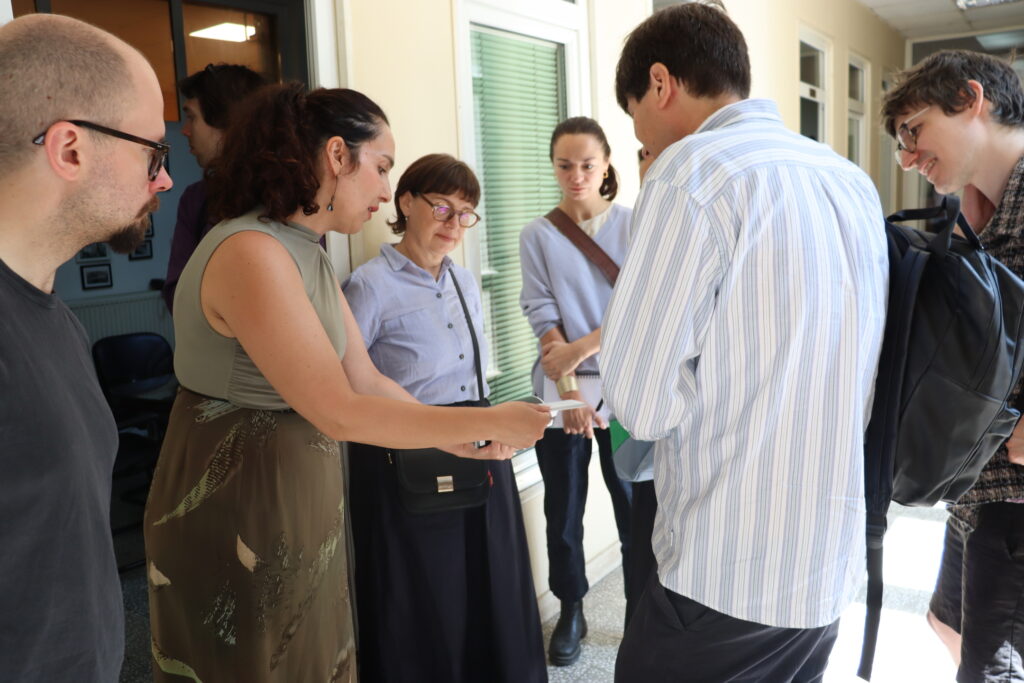
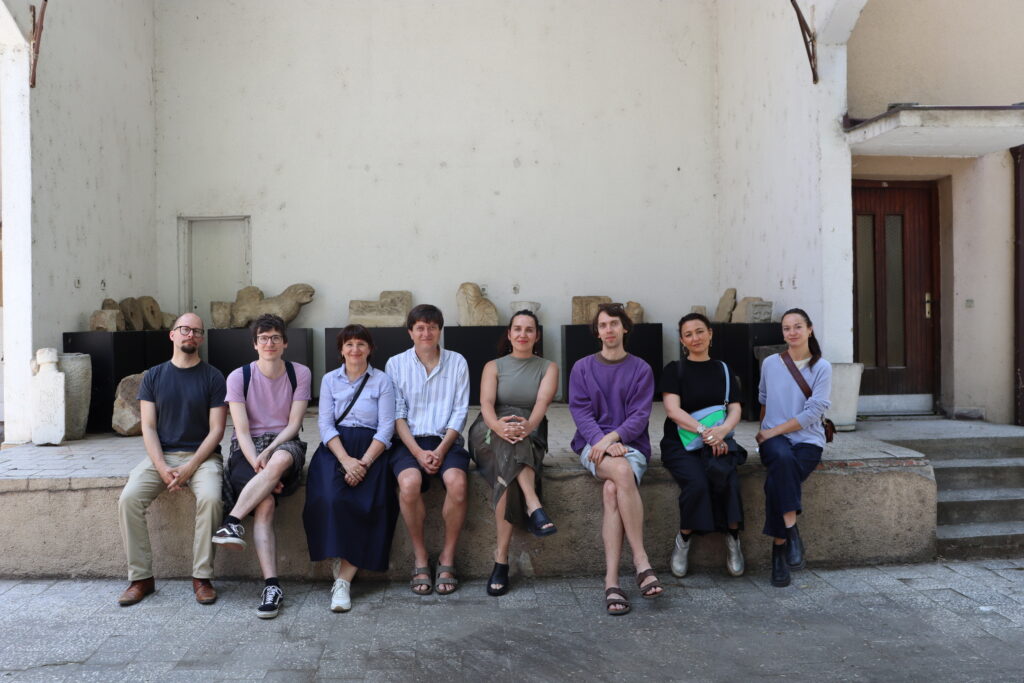
At the Museum of Mitrovica, we also discovered the history of a cinema that once operated in its courtyard – part of a larger network of cinemas in Mitrovica originally established for Trepça mine workers.
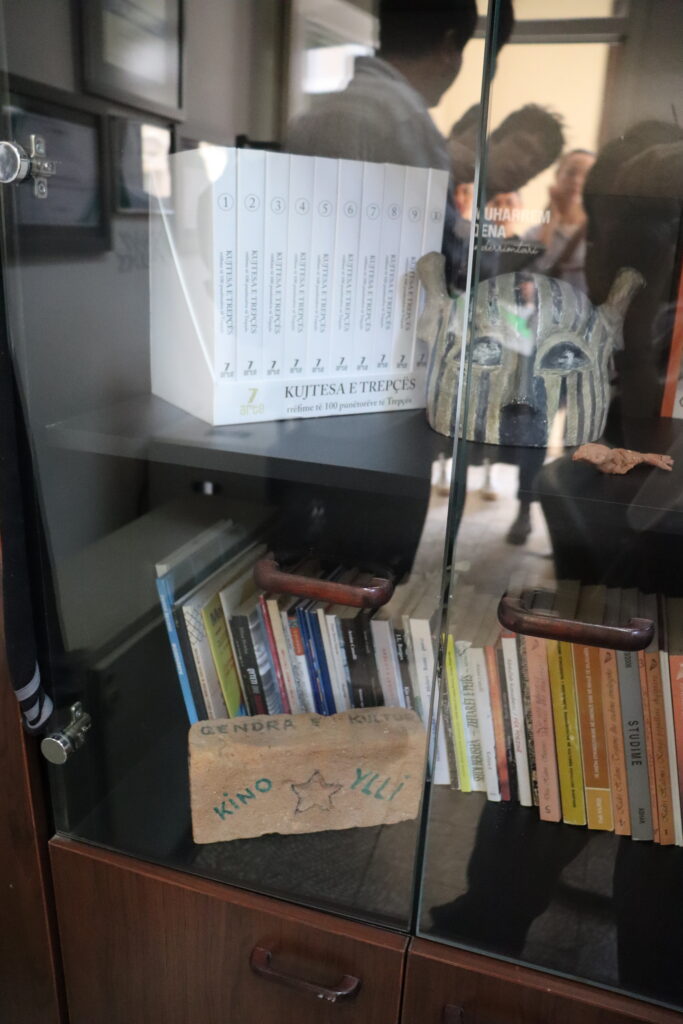
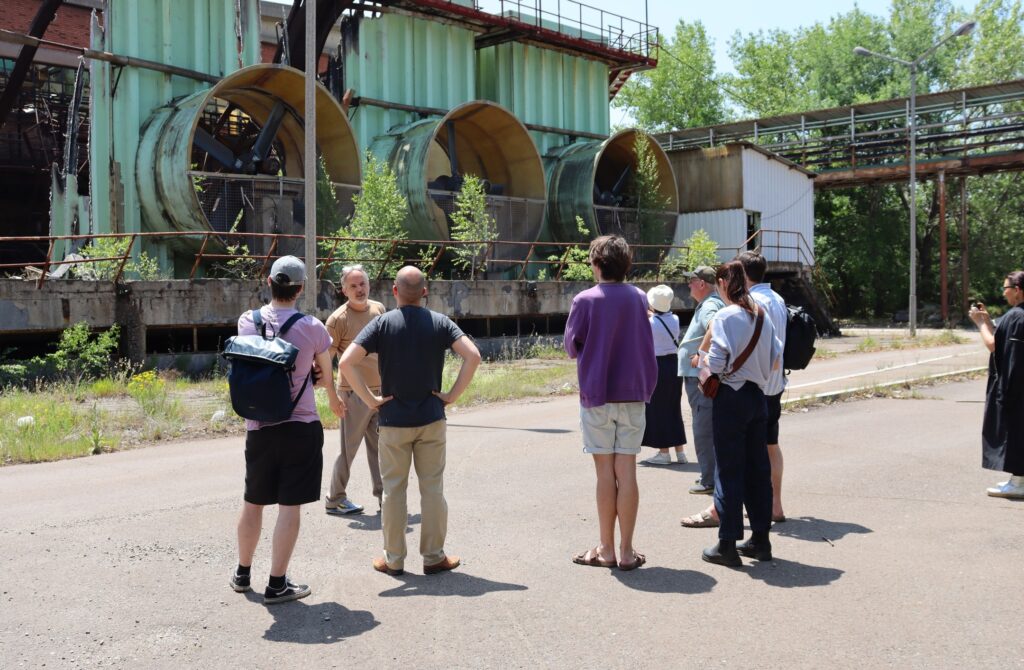
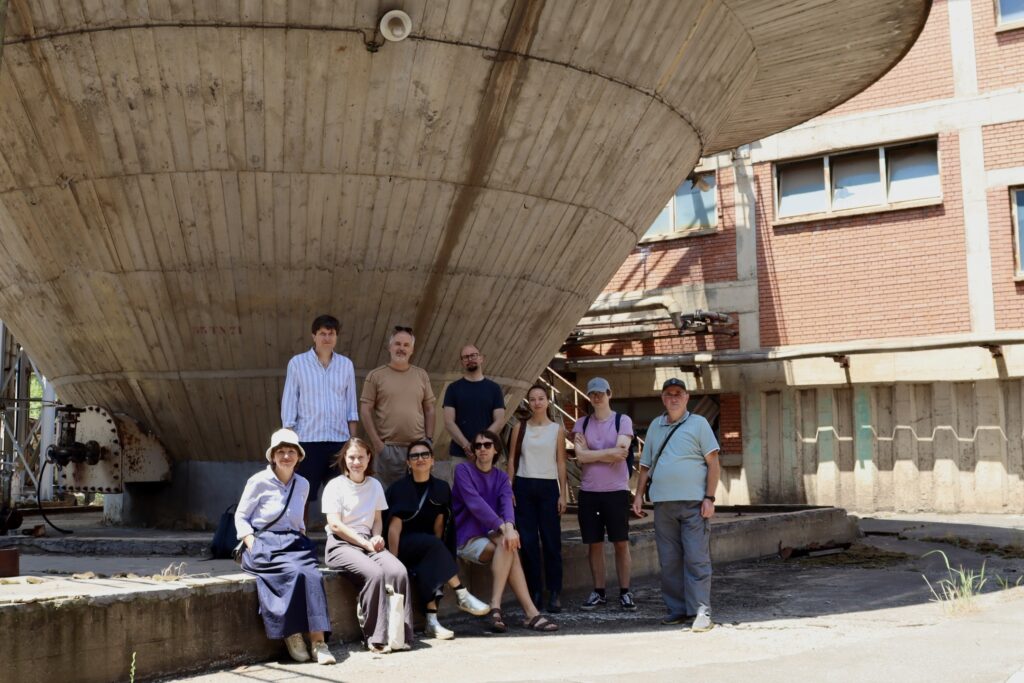
After the museum visit, we were joined by Lulzim Hoti and Ramazan Agha, who guided us through the Trepça mine and the battery factory where Ramazan used to work. We learned about the working conditions as well as the environmental and demographic impacts of industrial activity in the area.
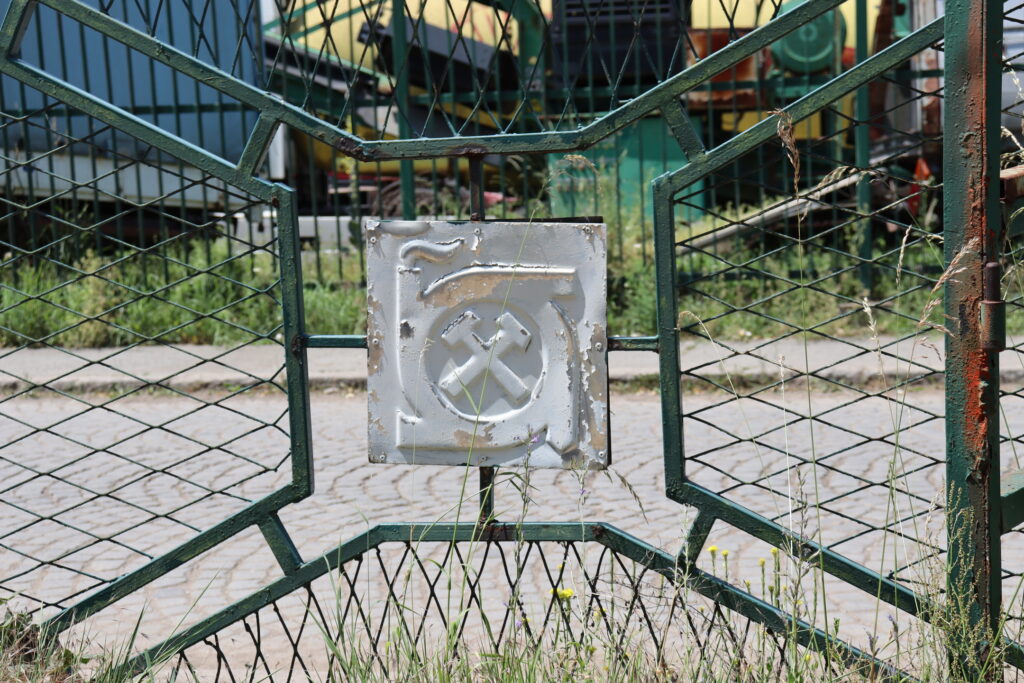
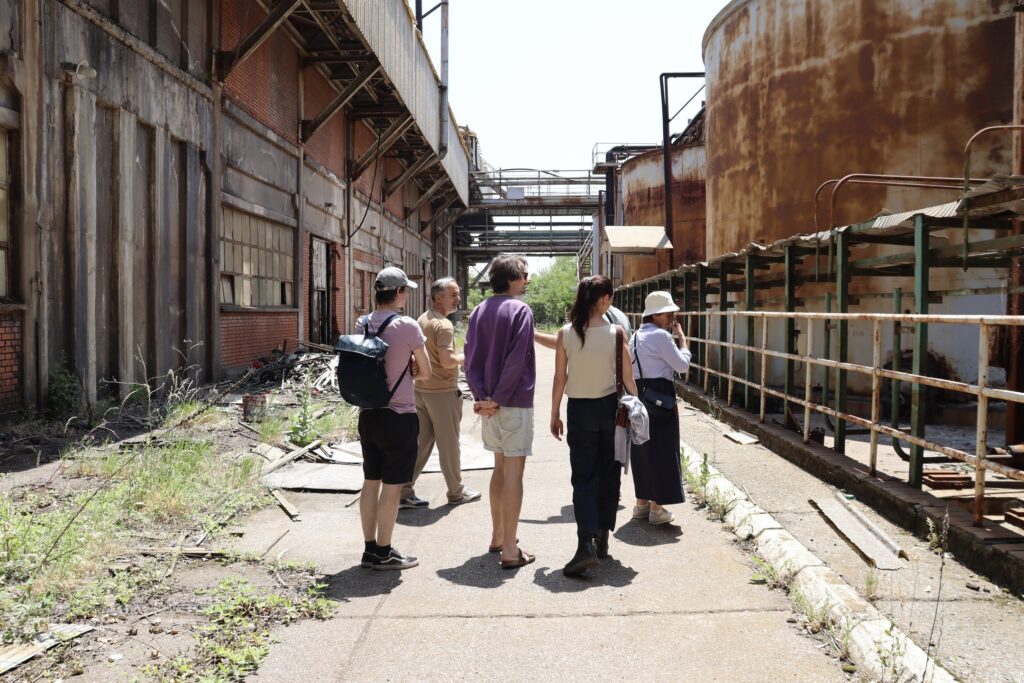
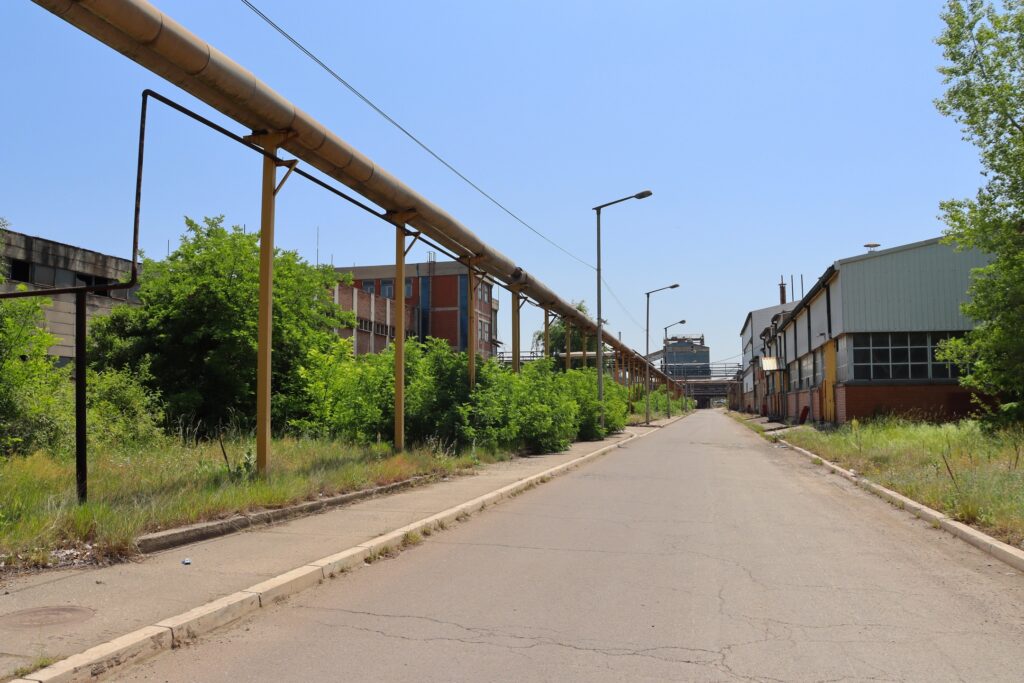
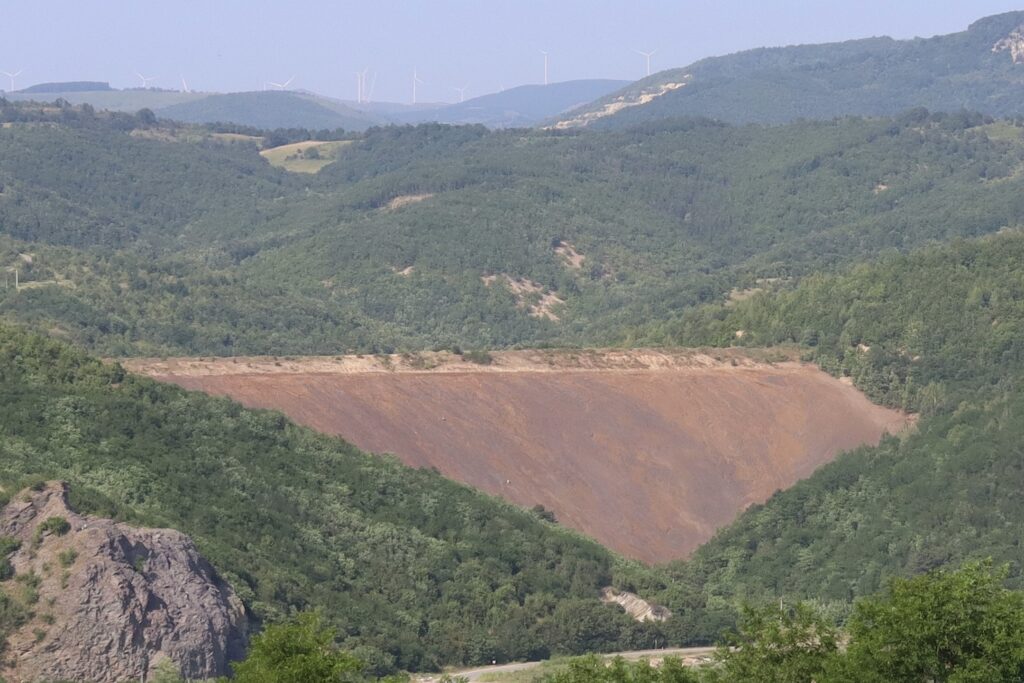
The mining industry also left its mark on the landscape; the debris from mining is now filling the natural depressions between hills.
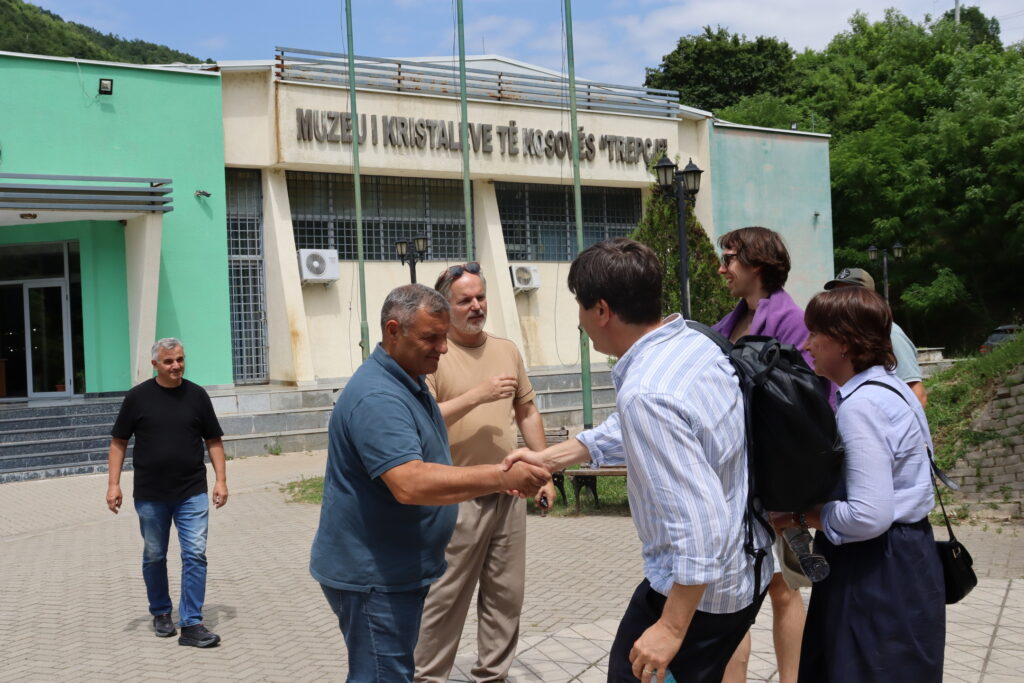
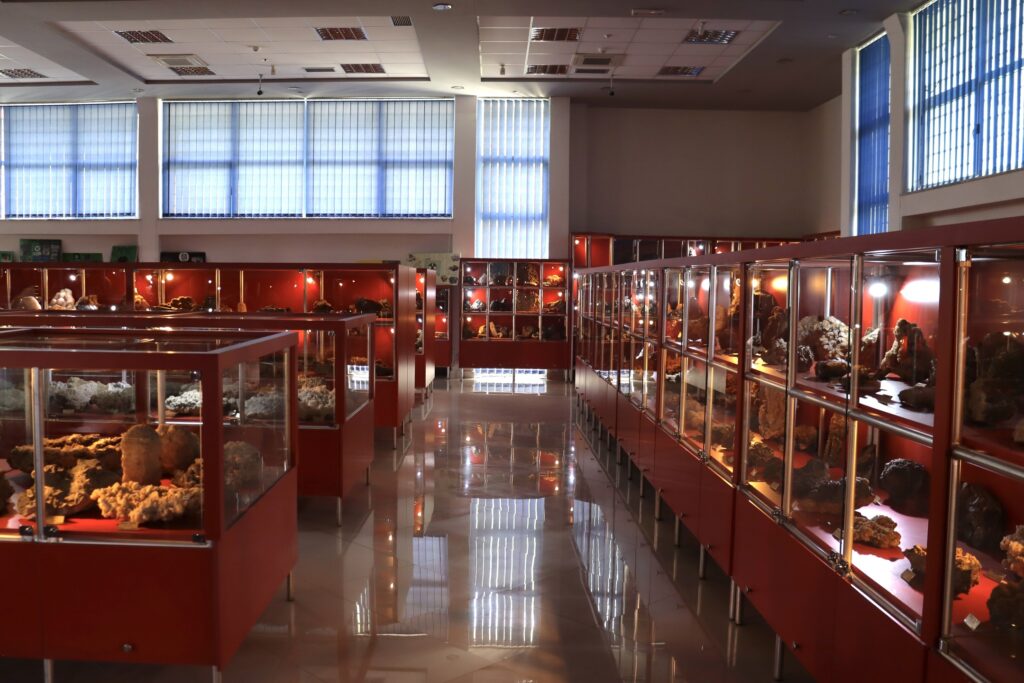
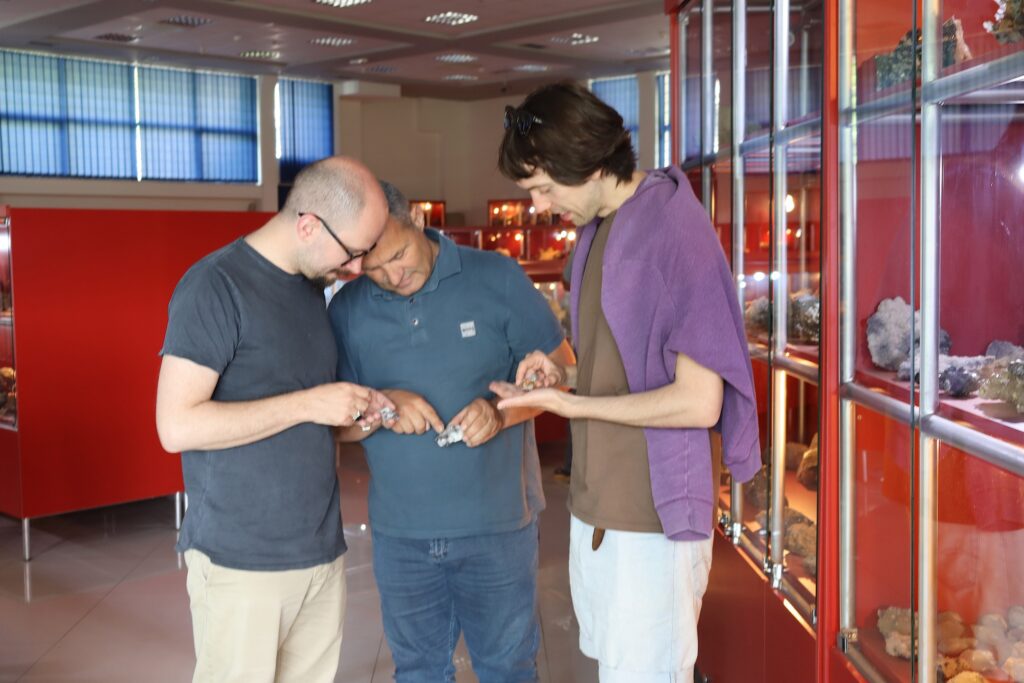
Our next stop was the Museum of Minerals and Crystals, established by local miners. There, we explored the region’s rich mineral heritage, discovering various types of minerals and their practical uses. We left happy, each of us gifted a small mineral specimen.
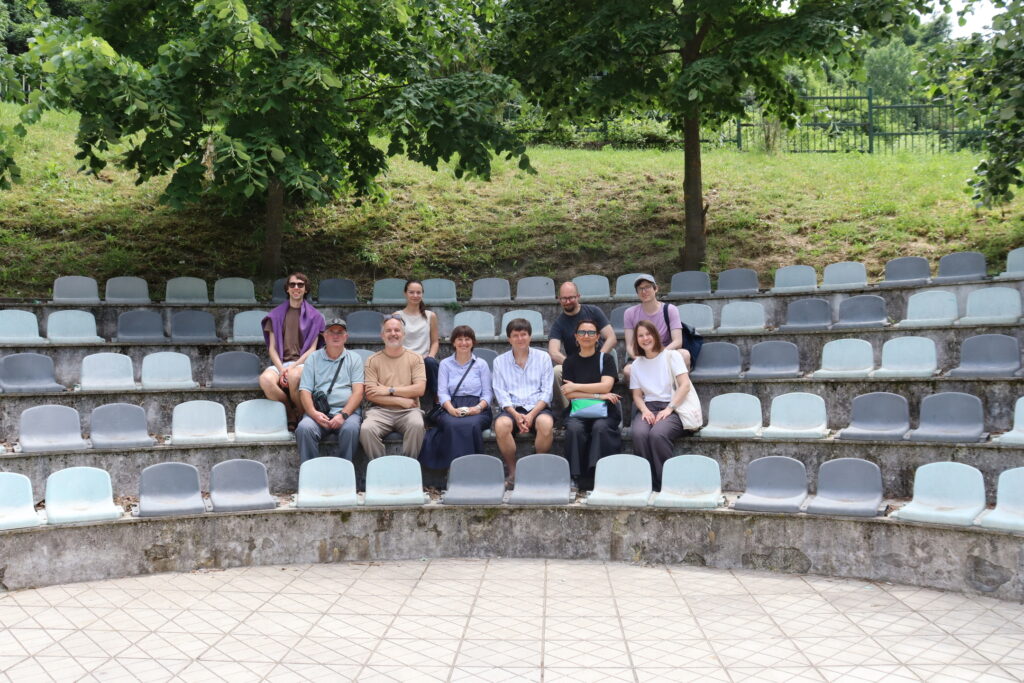
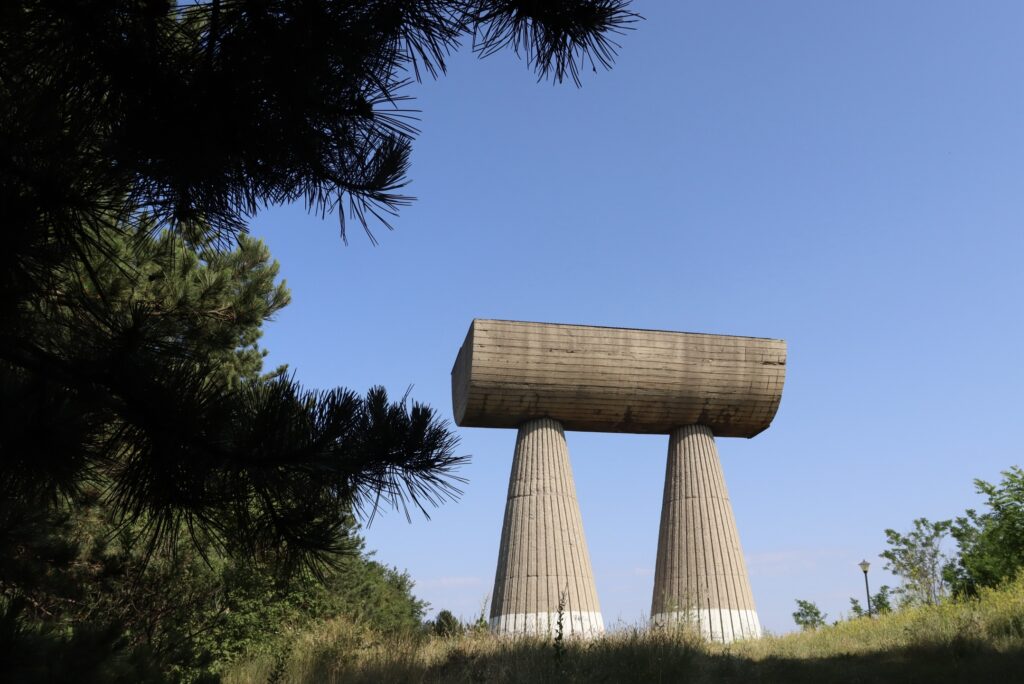
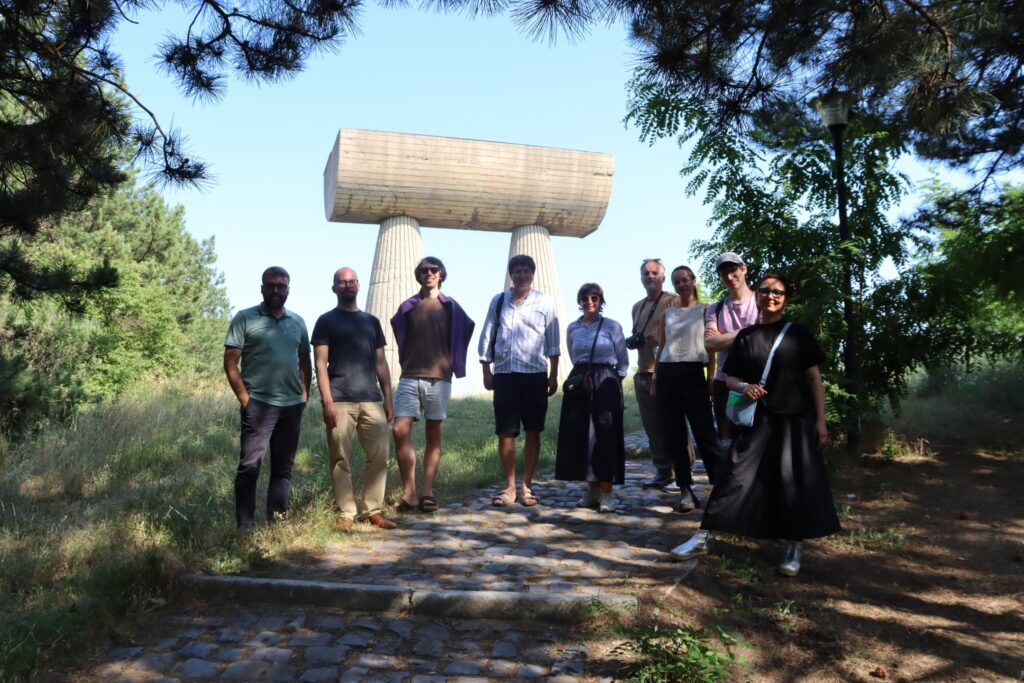
Our tour of Mitrovica concluded with a visit to the striking Miner’s Monument overlooking the city.
Day Four
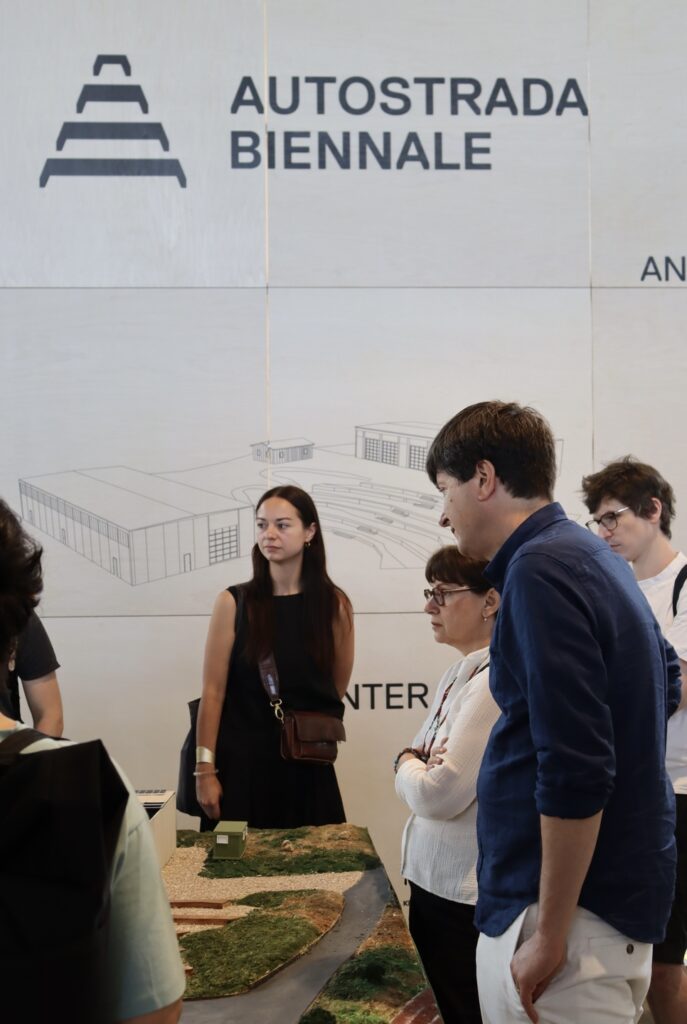
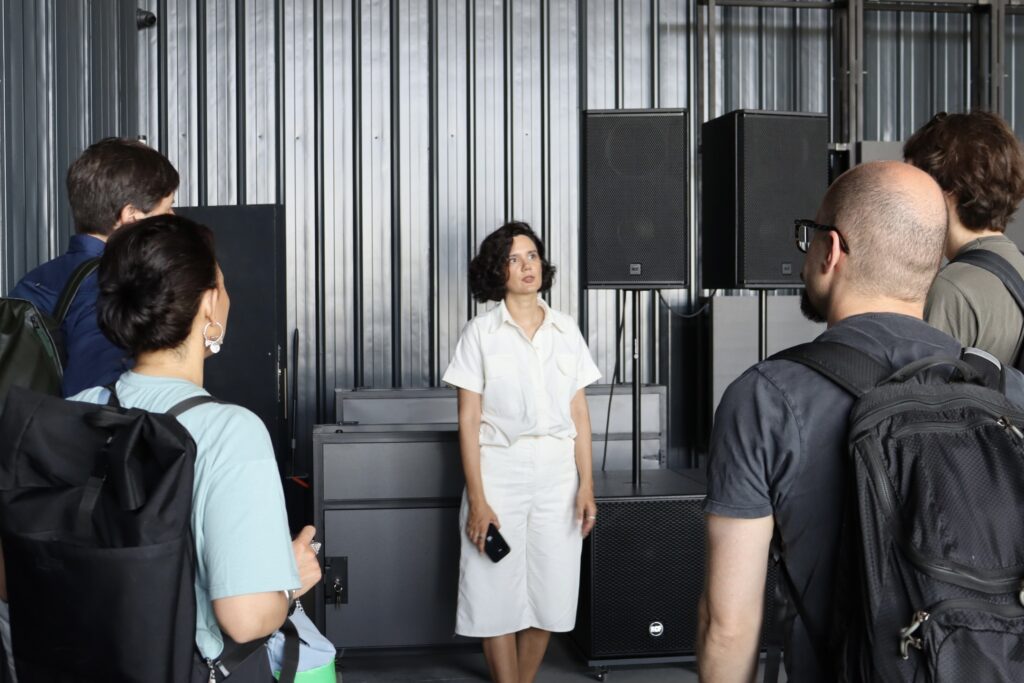
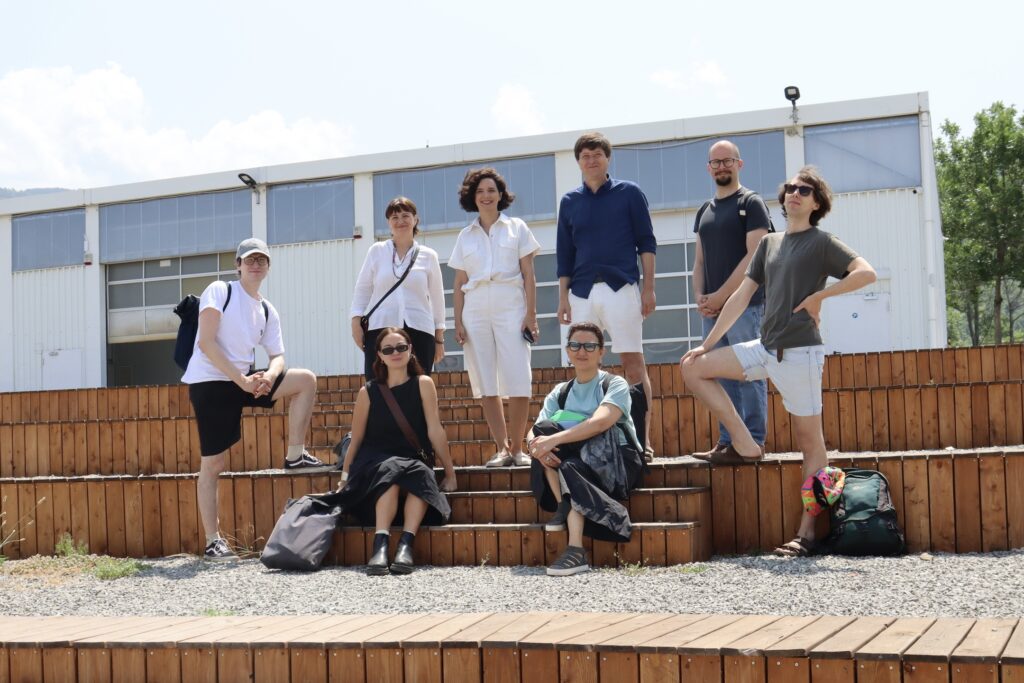
On our final day in Kosovo, we spent the day in Prizren, also called the country’s cultural capital. Our first stop was the Autostrada Hangar, a centre for contemporary art located on the grounds of a former military base. There, we were welcomed by Vatra Abrashi, co-founding director of the centre. She introduced us to the vision behind the Autostrada Hangar and the Autostrada Biennale of contemporary art, then guided us through the production spaces and workshops, which remain busy during the Biennale’s preparation periods.
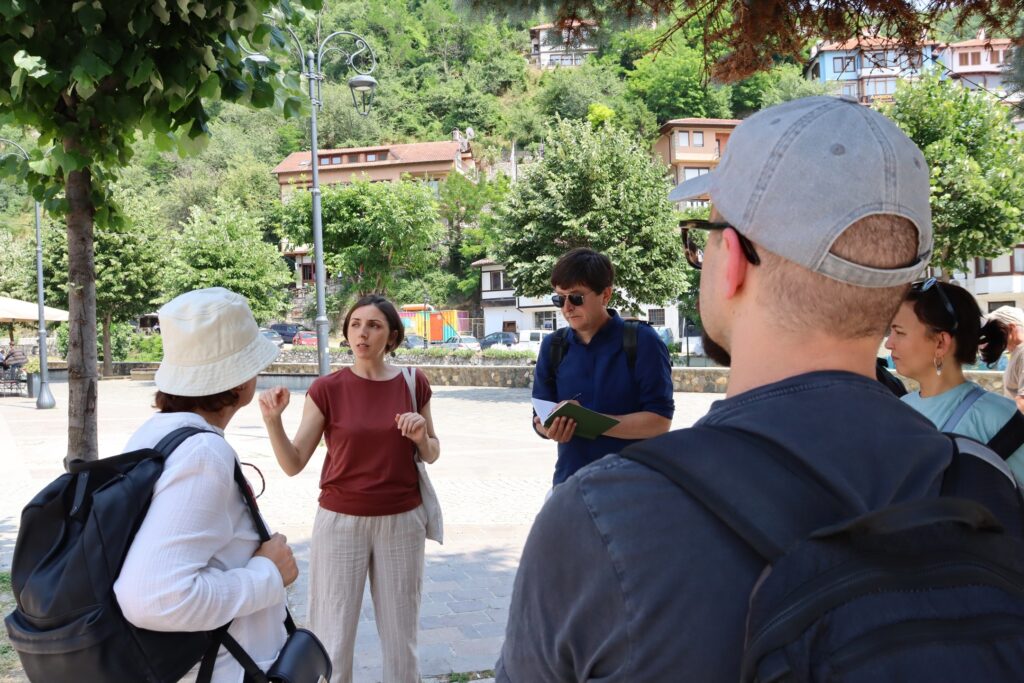
We then continued with a guided walking tour of Prizren’s historic city centre, led by Nora Arapi Krasniqi. She provided an introduction to the city’s diverse cultural heritage and showed us remnants of Ottoman, Byzantine, and socialist influences around the city.
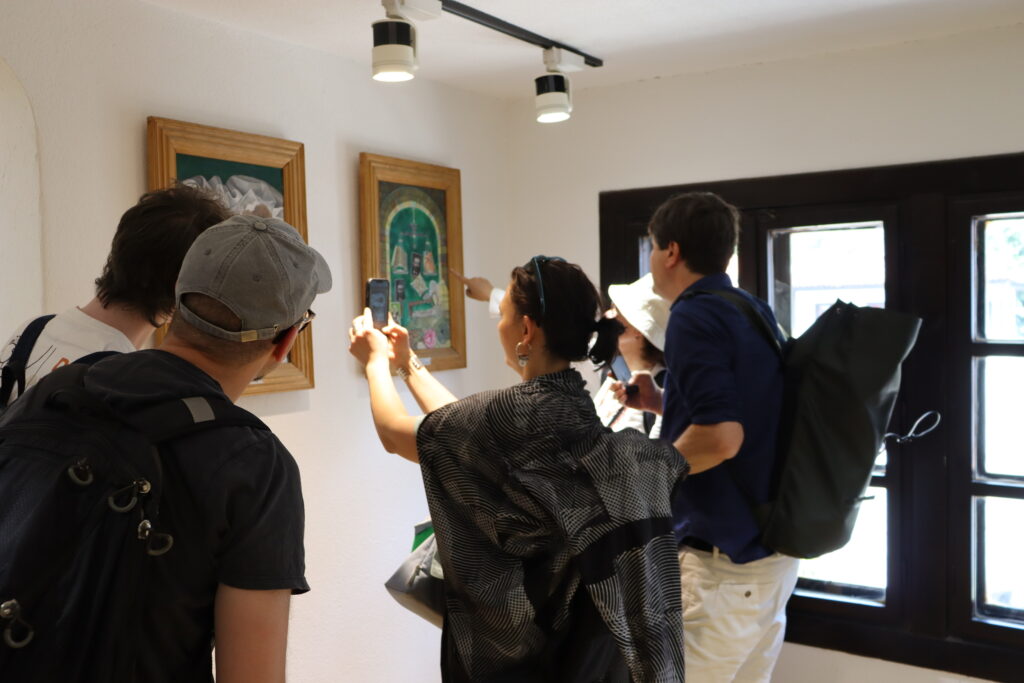
We also visited the Albanian League of Prizren where we found a small collection of art, including some Socialist Realist paintings and sculptures.
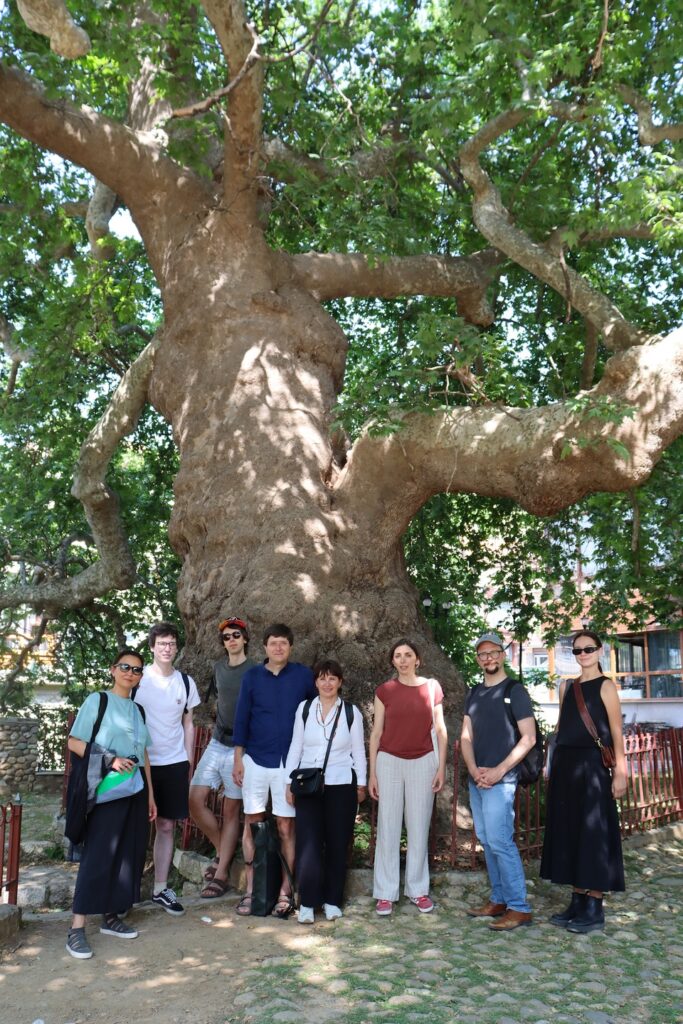
Then, we paused at the Marash Maple, a 500-year-old tree and local natural monument.
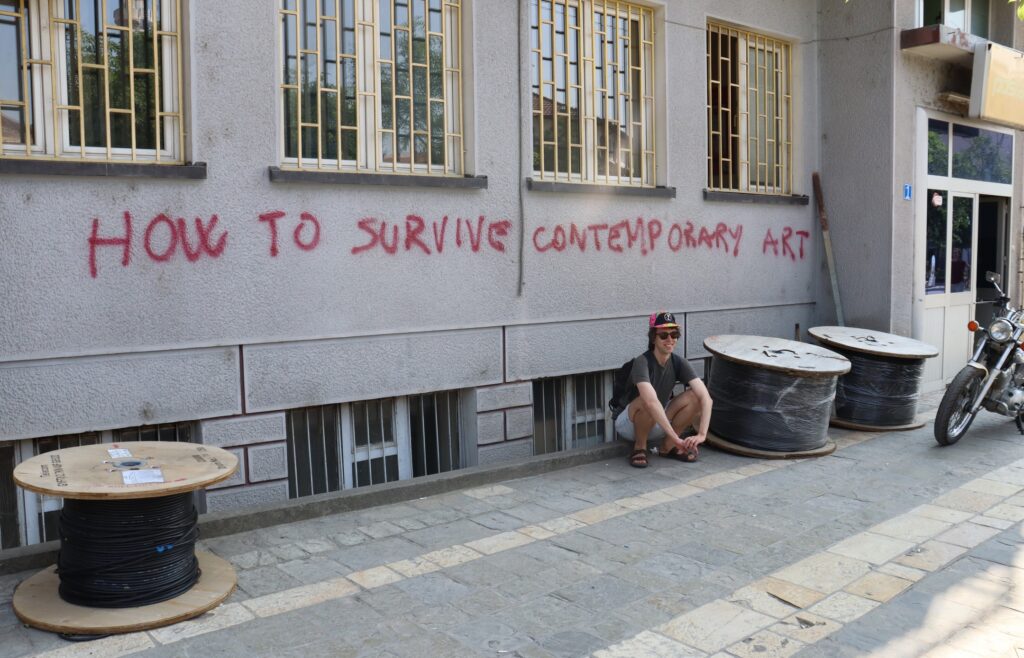
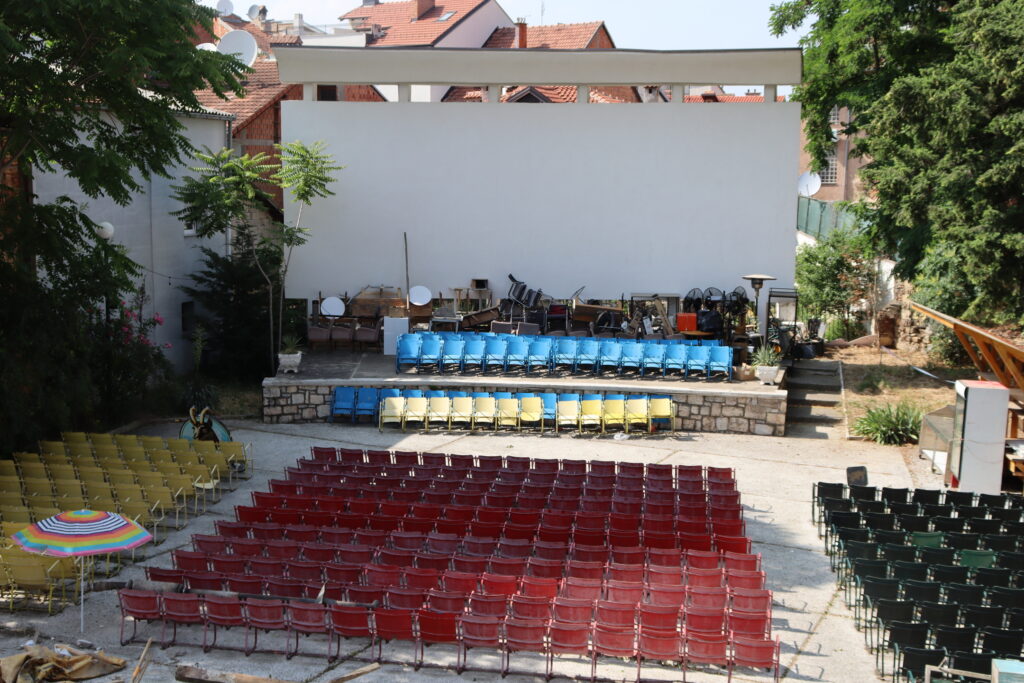
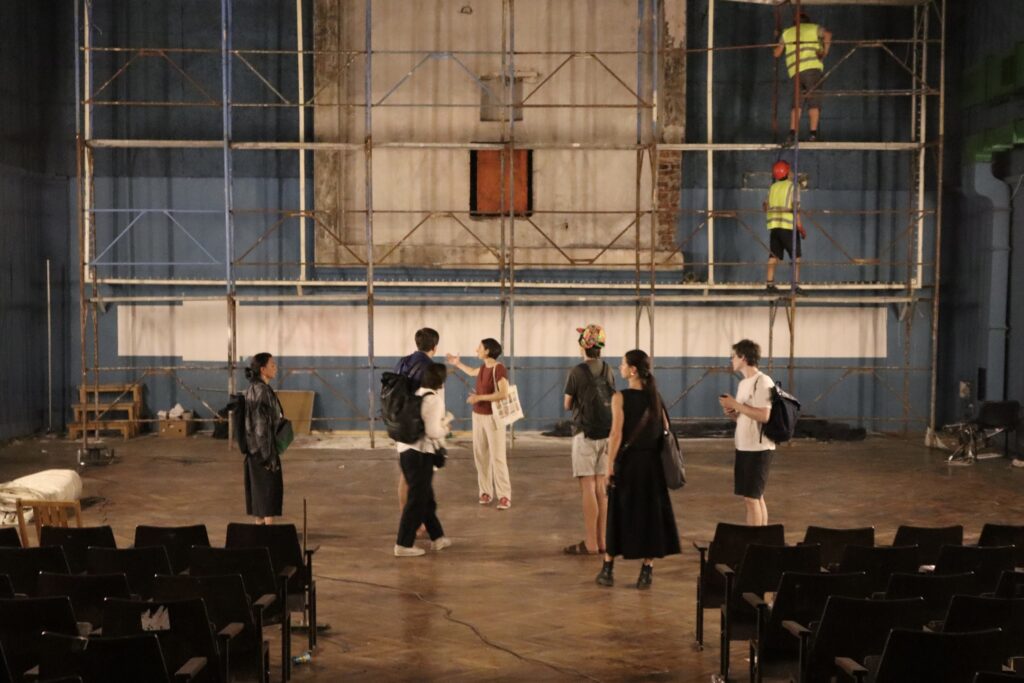
The last stop of our tour was the Lumbardi Cinema, currently under reconstruction. It includes both an indoor and an outdoor cinema and was the first outdoor cinema in the country.
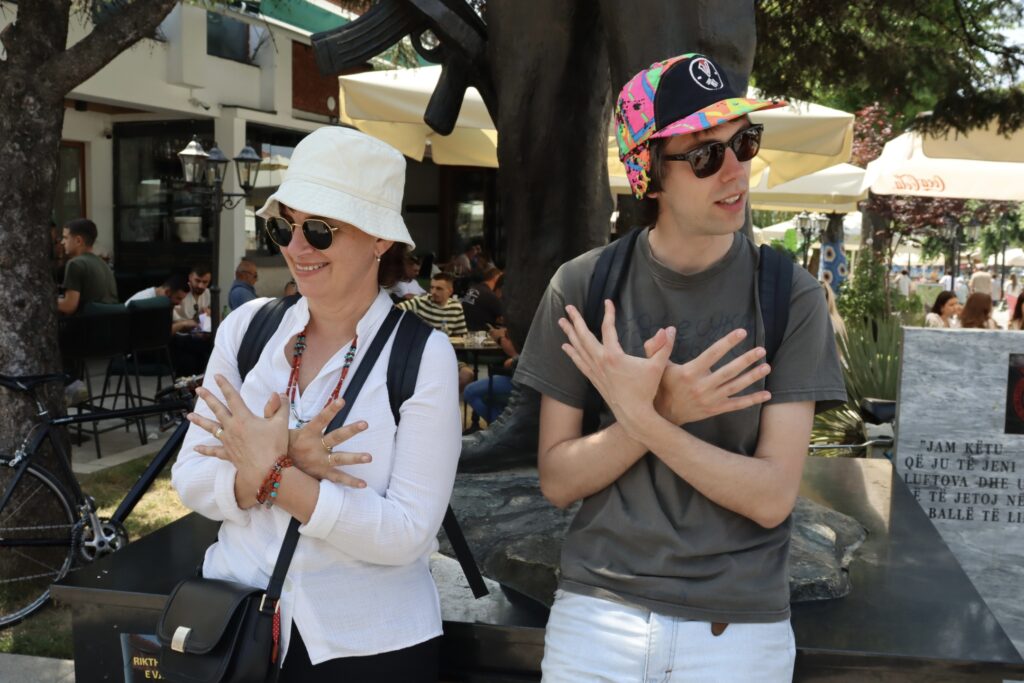
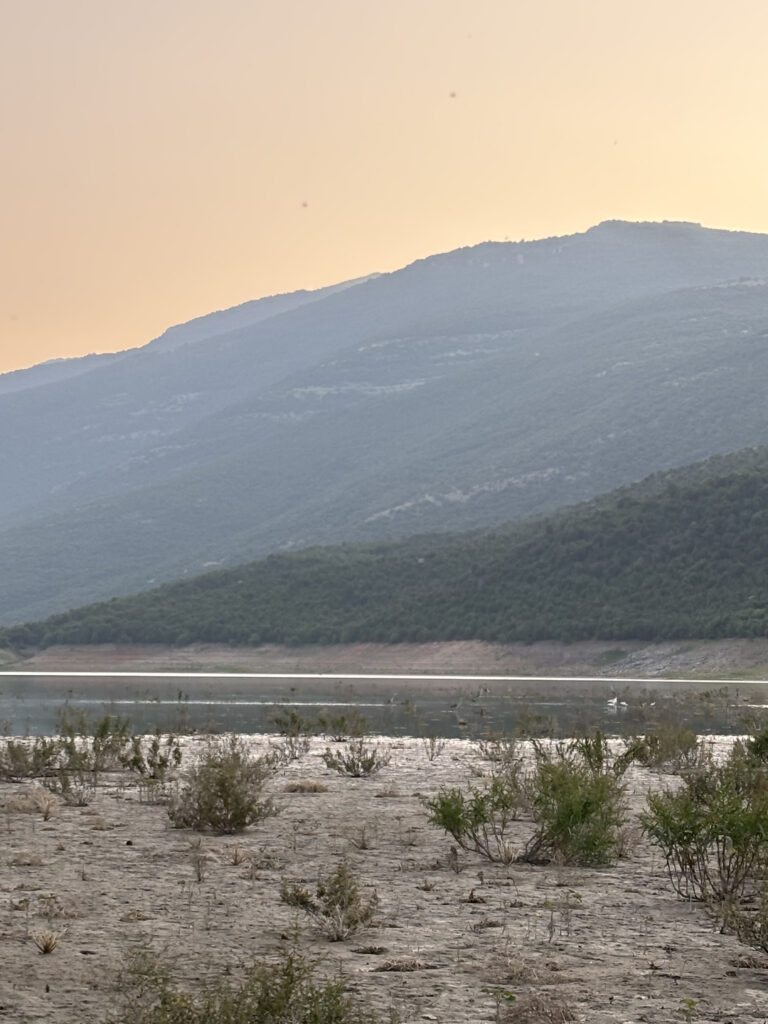
We spent the last night in Kosovo near the White Drin River, nestled among the striking mountains surrounding the area.
Day Five
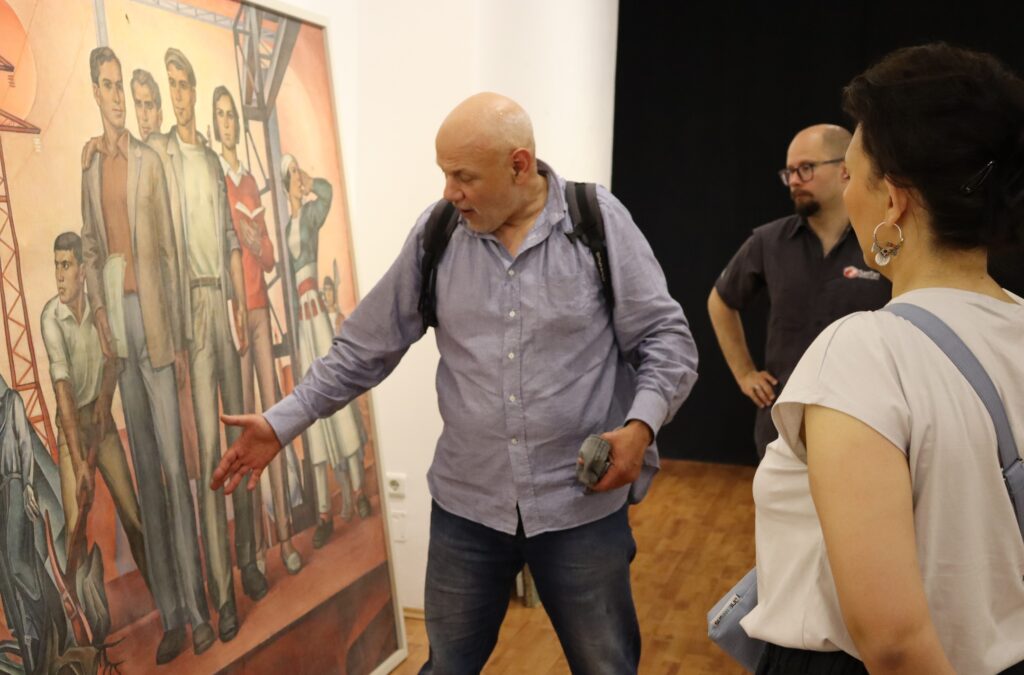
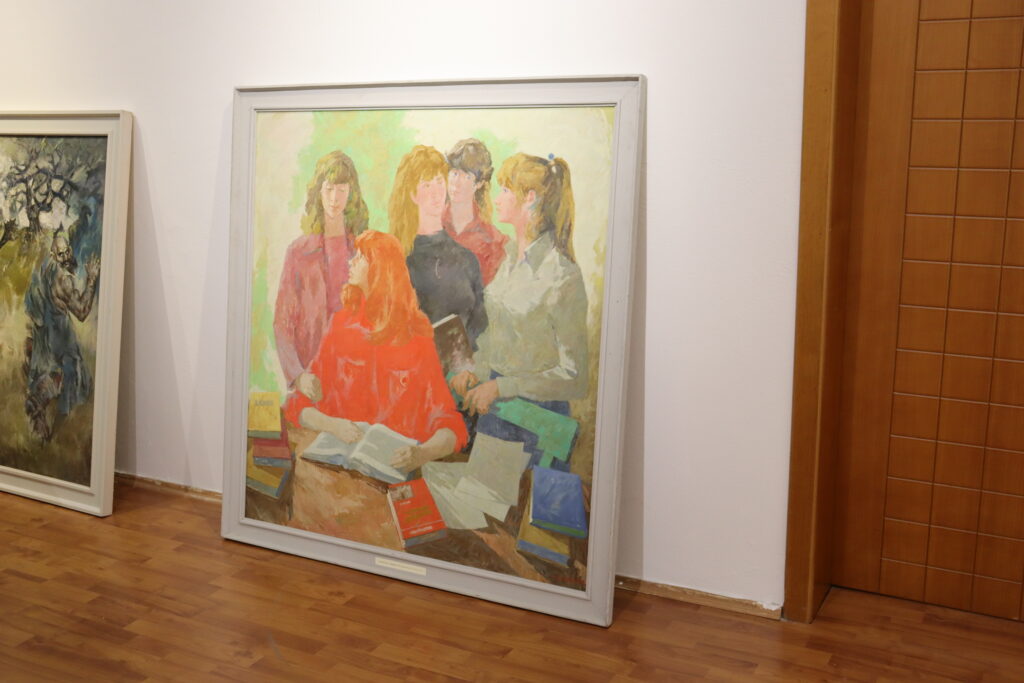
On day five, we traveled to Albania, with our first stop in Shkodra. There, we met our guide for the day, Zef Paci, an artist and Professor of Art History and Painting at the University of Arts in Tirana. Together, we explored the local art gallery, where we got to see some of the Socialist Realist paintings from their collection.
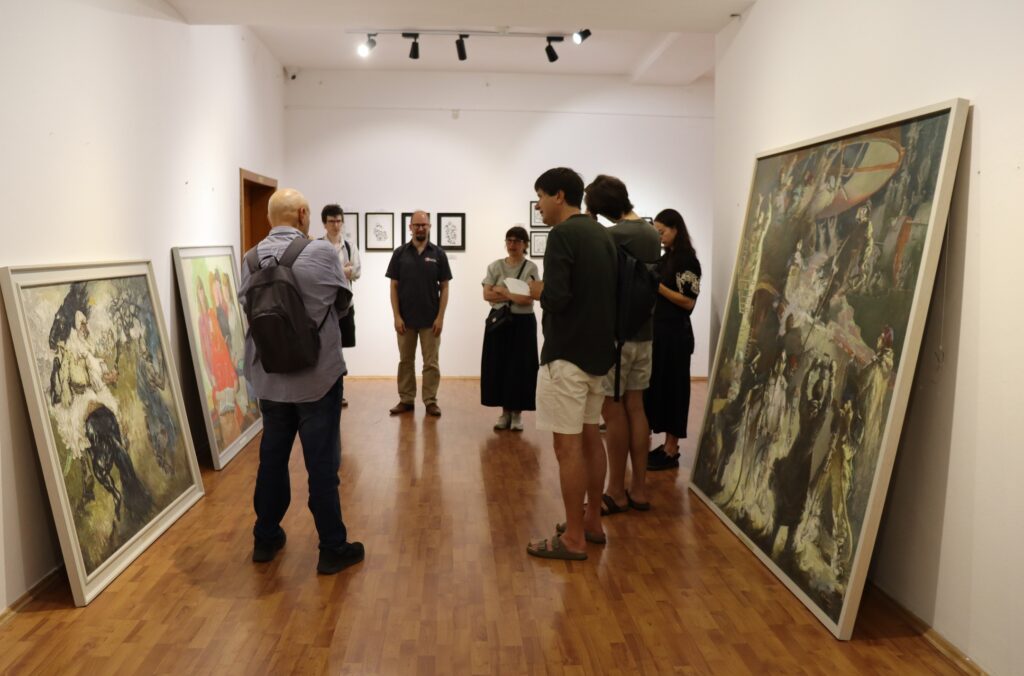
Zef provided invaluable insights into the art produced in Albania during the socialist era, explaining the nuances and unique features of each painting.
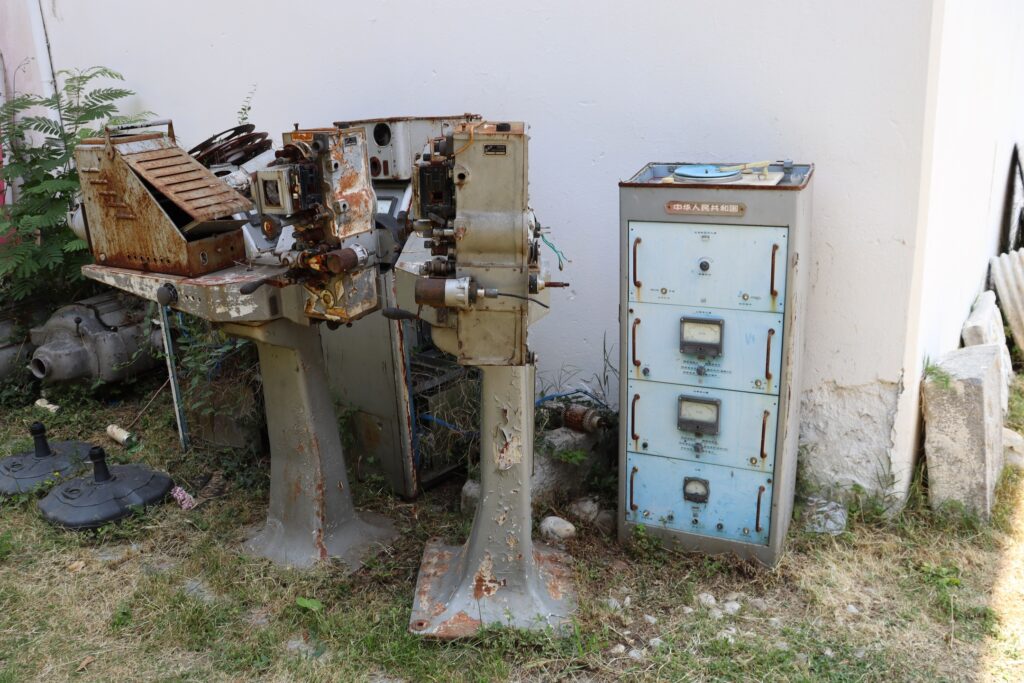
After that, we visited Shkodra’s History Museum, where, beyond the official exhibits, we discovered film projectors and record players from Maoist China.
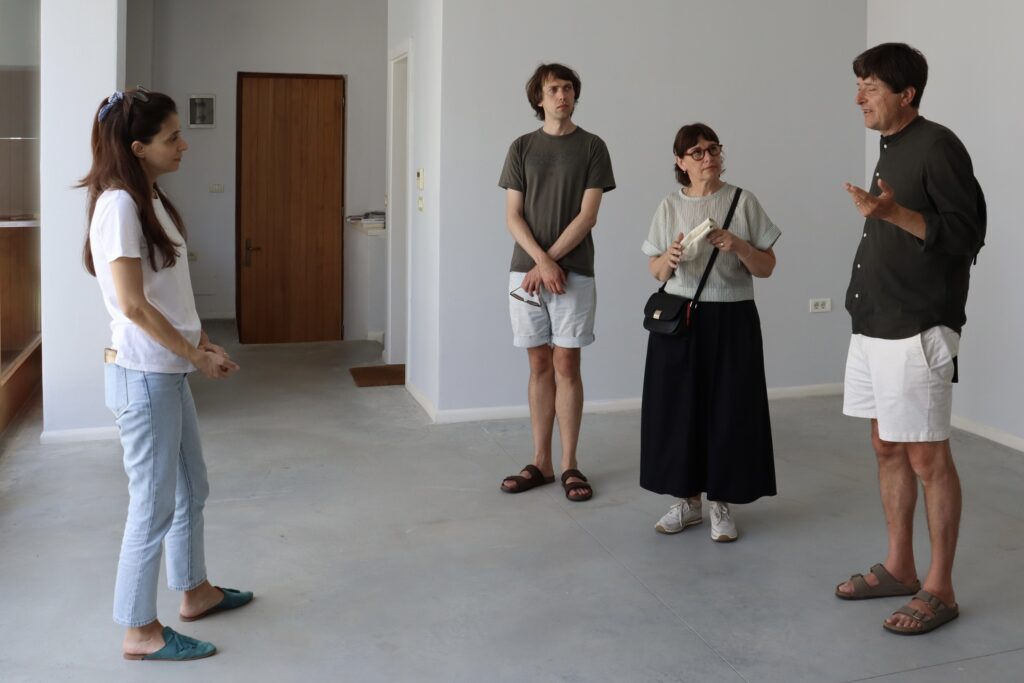
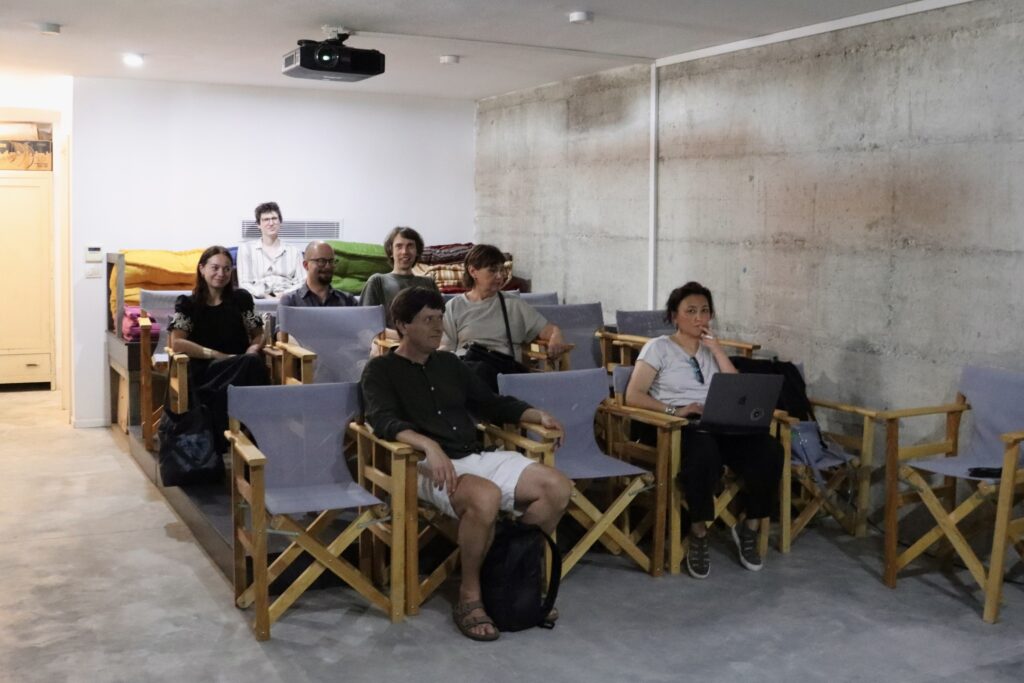
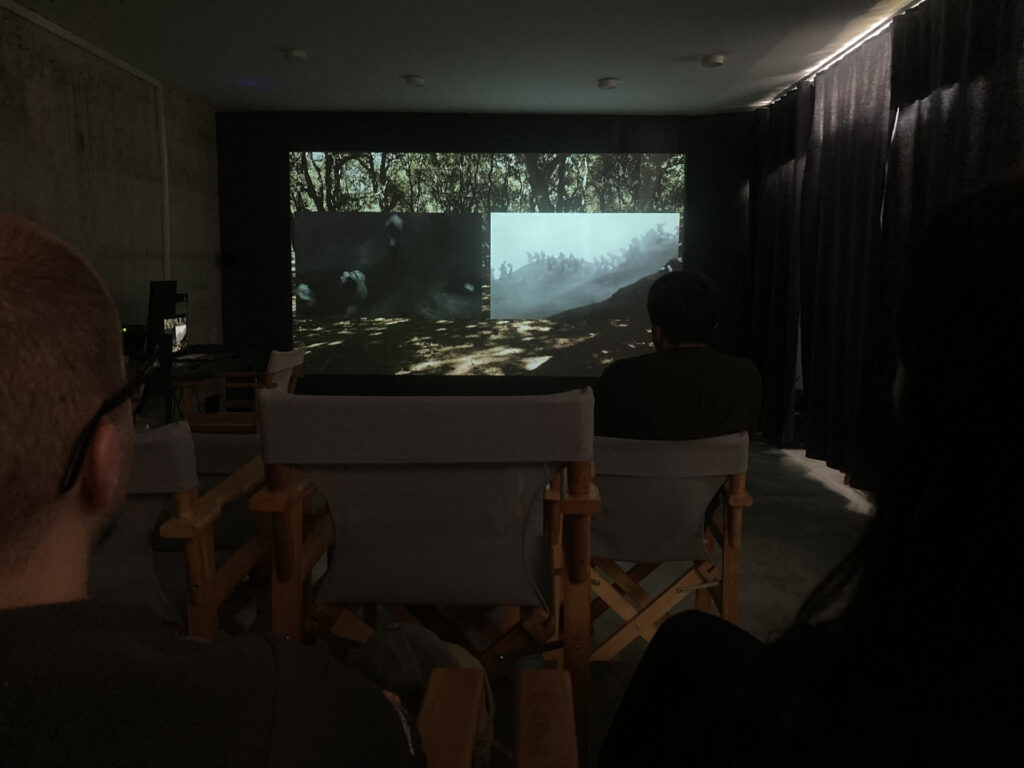
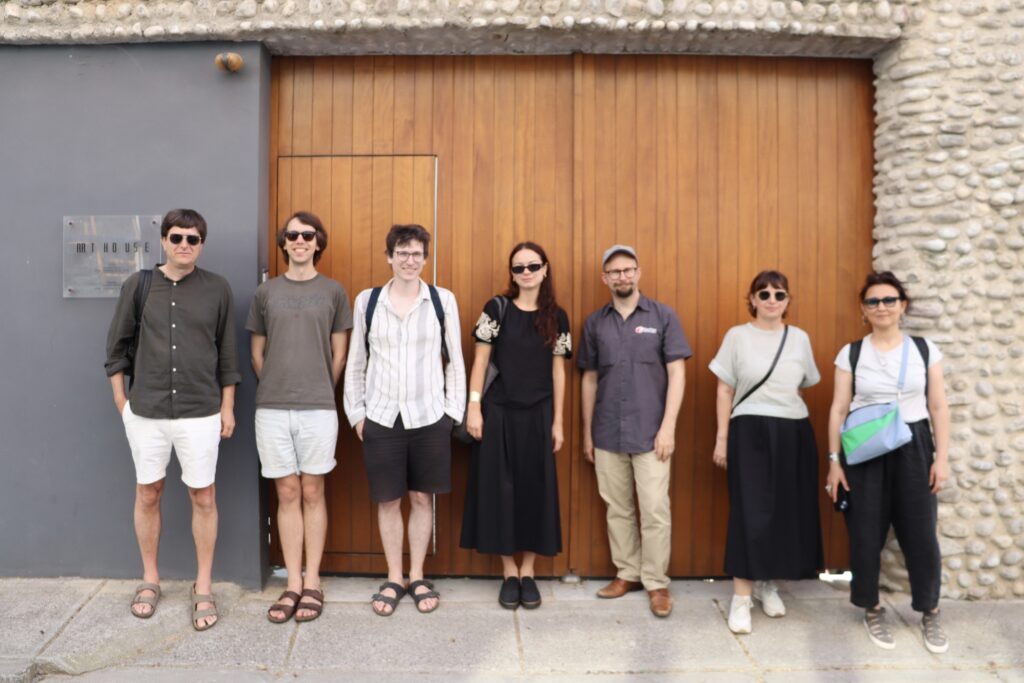
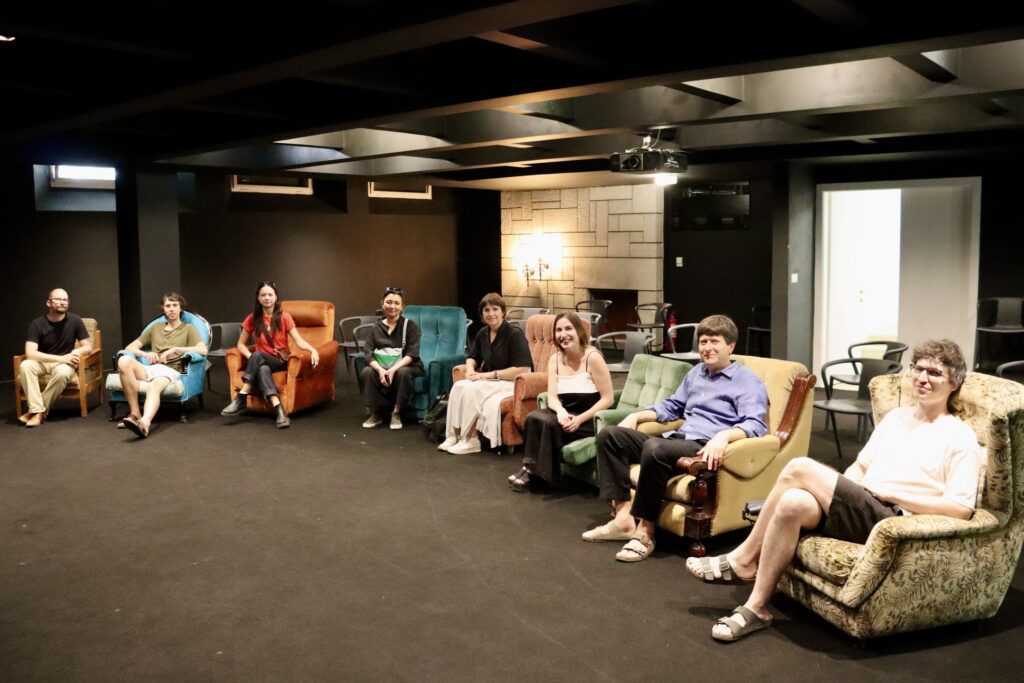
We continued our tour of Shkodra with a visit to Arthouse, a local contemporary art space, where we had the opportunity to use their basement screening room to view a selection of art films.
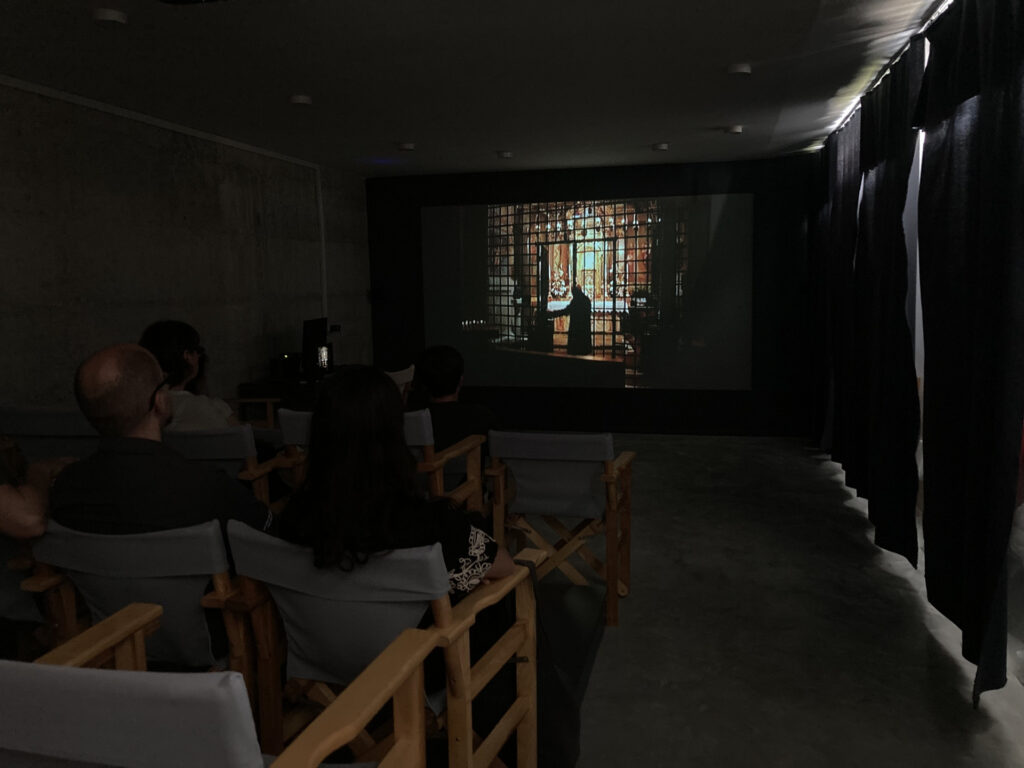
The first was PilgrIMAGE by Adrian Paci, inspired by the legend of a Madonna with Child icon said to have been miraculously carried by angels from Shkodra to a church near Rome to protect it from the Ottoman Empire.
The second screening was Arslanbob: The Healing Forest by SAVA Creative Fellow Saodat Ismailova. Set in Kyrgyzstan’s ancient walnut forest of Arslanbob, the film explores the resurfacing of memories and fragments of the socialist past, triggered by the forest’s dreamlike, almost hallucinatory atmosphere.
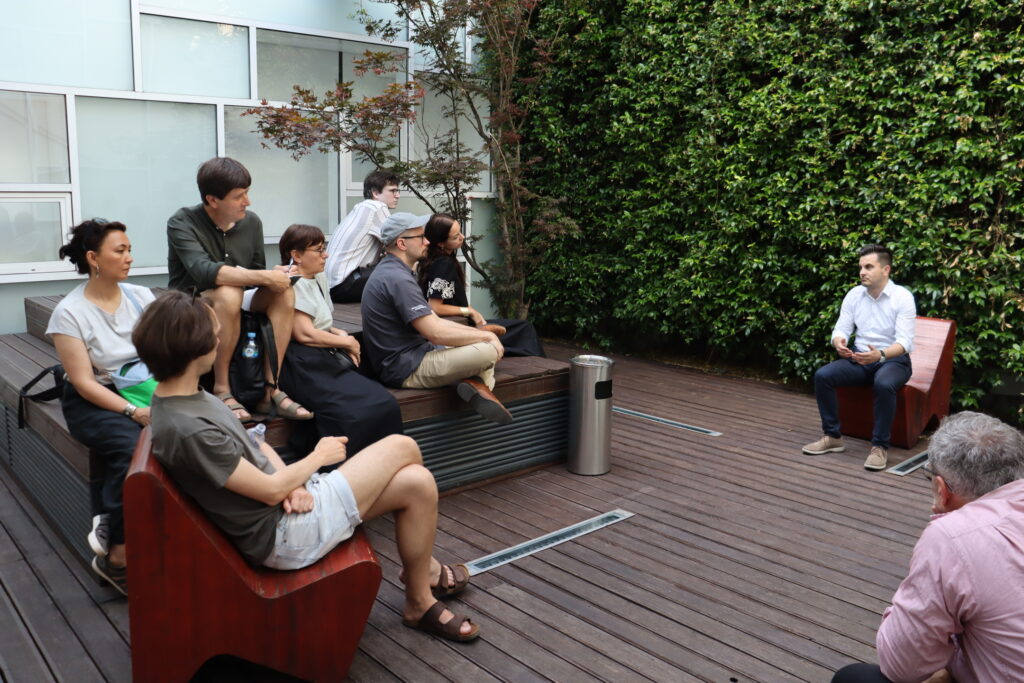
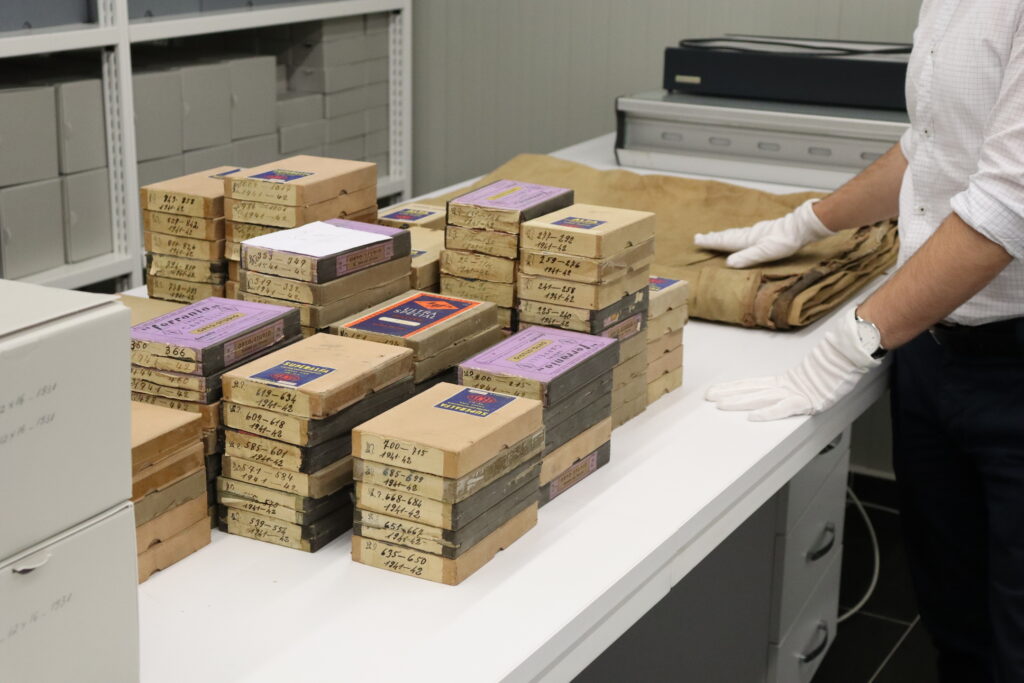
Our final stop in Shkodra was the Marubi National Museum of Photography, where the director, Luçjan Bedeni, introduced us to the legacy of the Photo-Studio Marubi, founded in 1856 by Pietro Marubi – an Italian painter and photographer who settled in Shkodra.
We were fortunate to also get a glimpse into the museum’s archive, home to the largest collection from a single photographic studio.
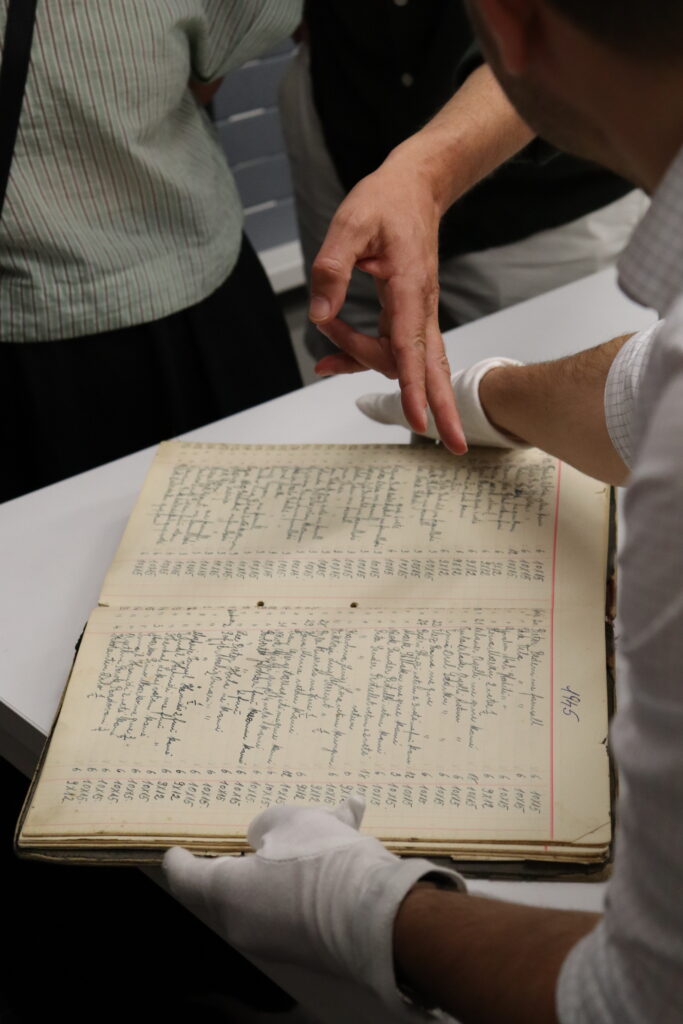
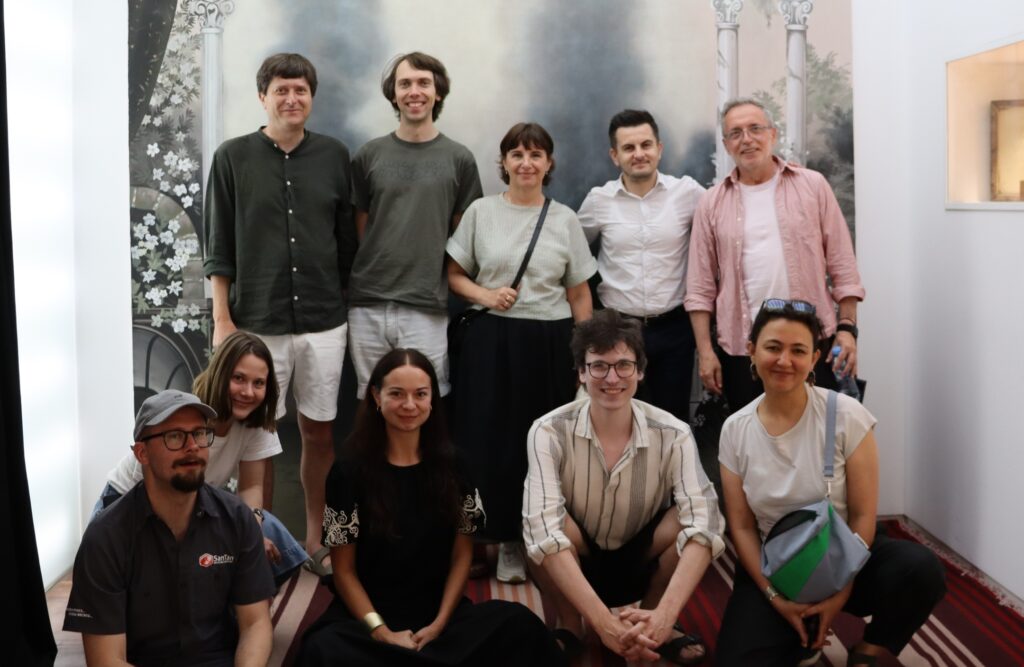
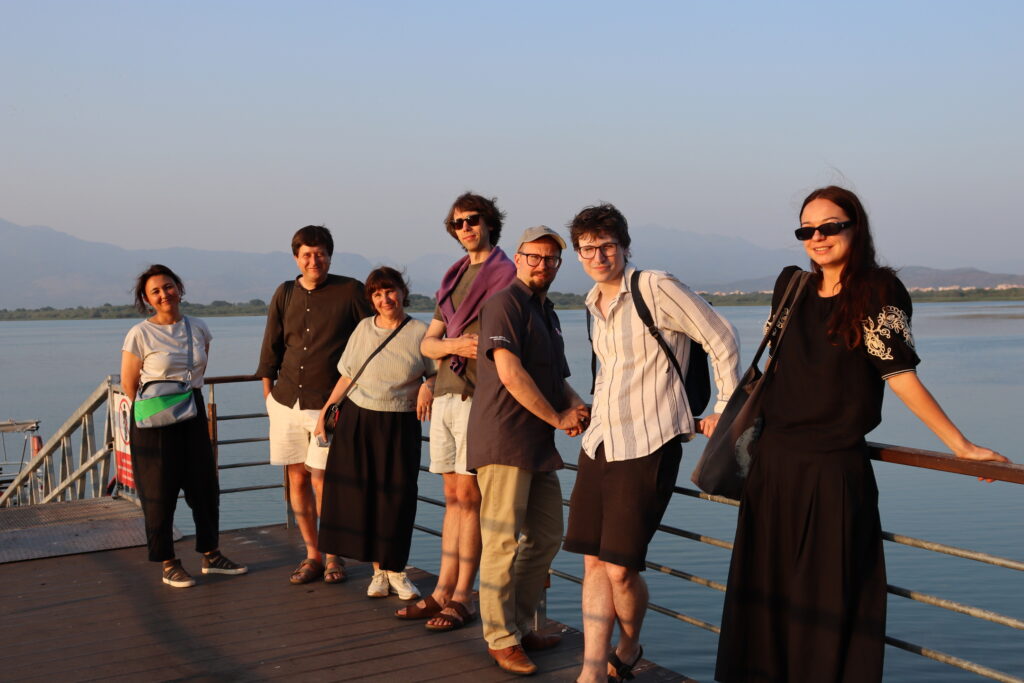
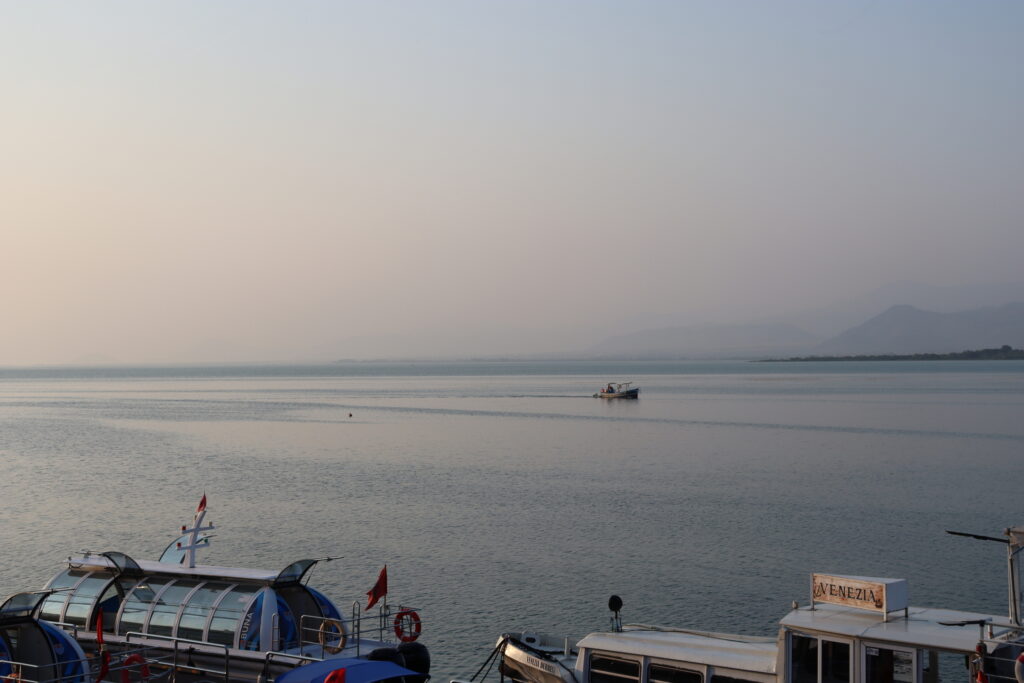
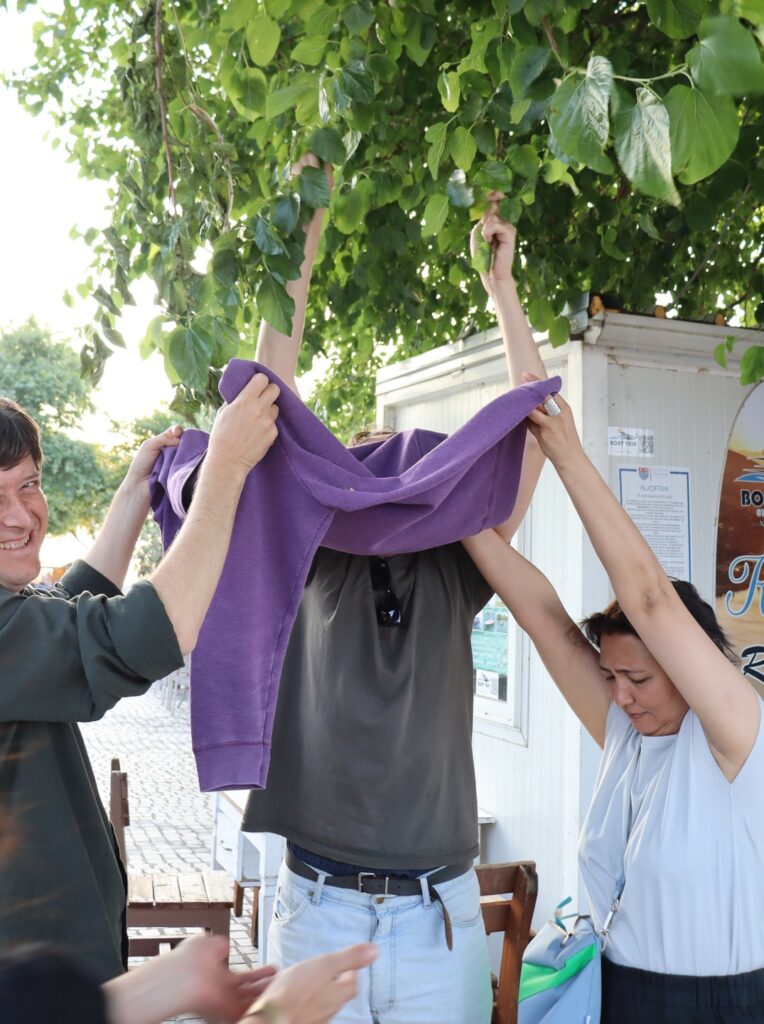
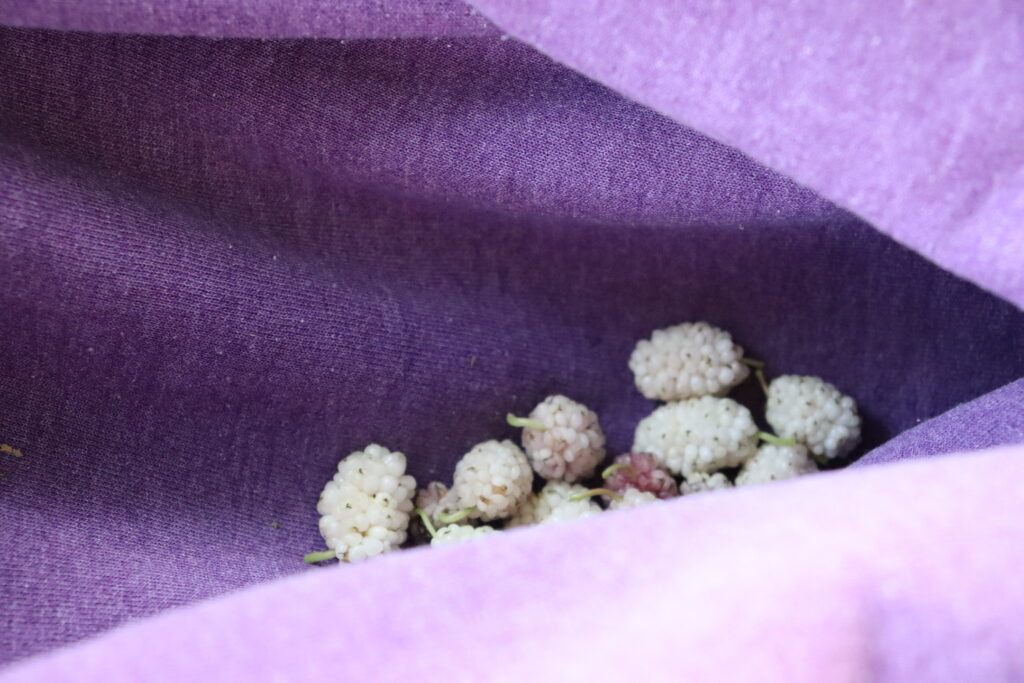
Finally, we ended the day by Lake Shkodër in Shirokë! There, we also came across a mulberry tree we simply couldn’t resist!
Day Six
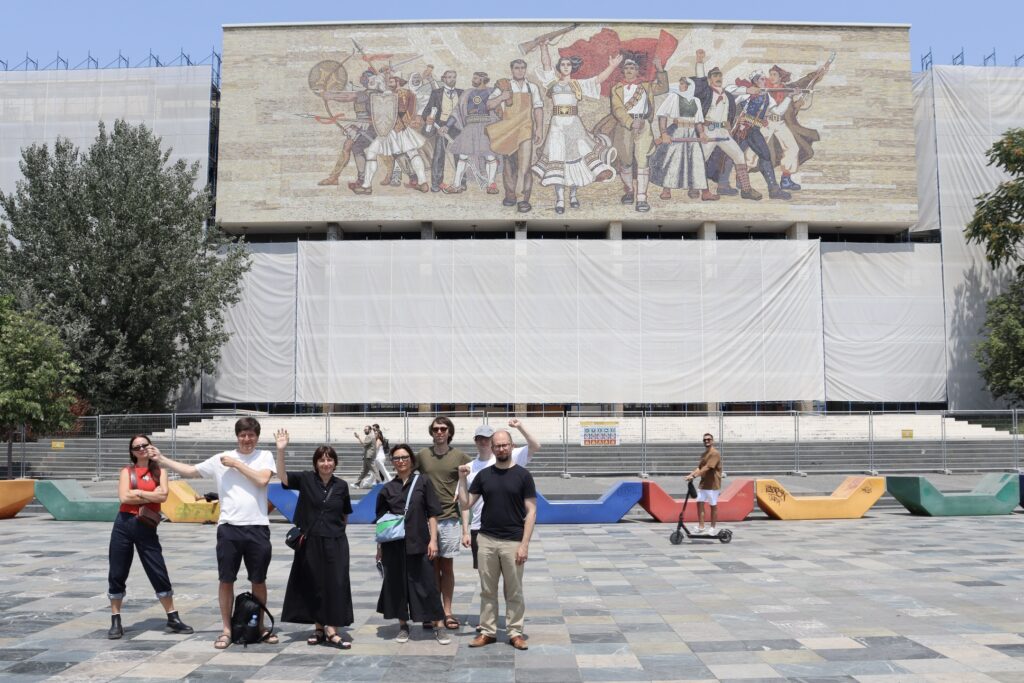
On day six, we arrived in Albania’s capital, Tirana! Our first stop was the House of Leaves, the Museum of Secret Surveillance, located in the former headquarters of the Sigurimi, the communist-era secret police. There, we gained deeper insight into the scope and operations of the regime’s surveillance apparatus.
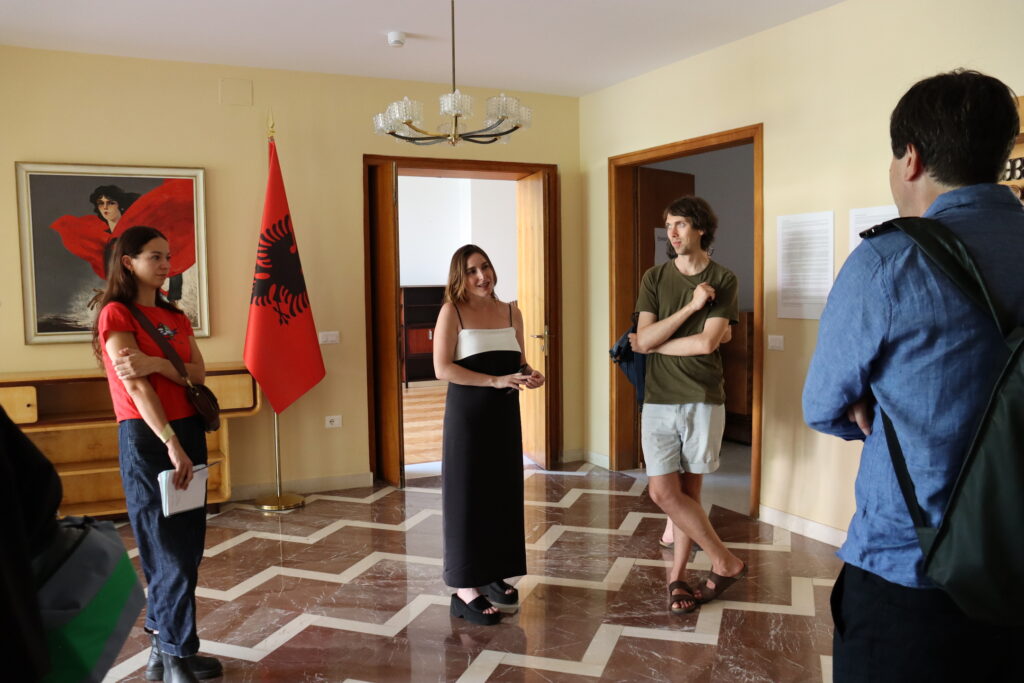
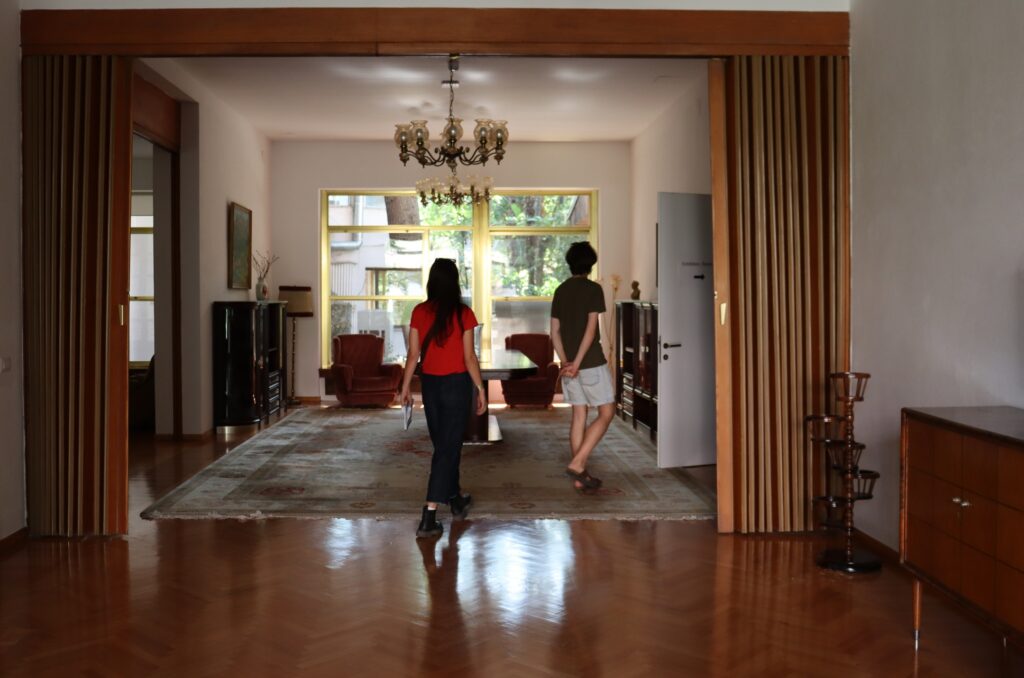
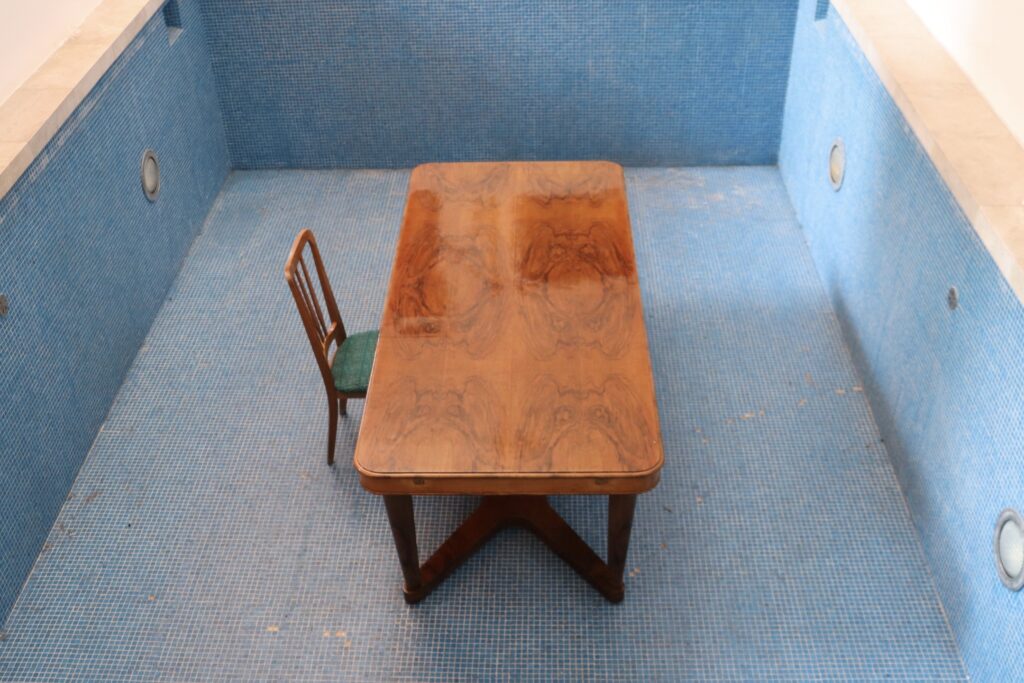
Next, we visited Vila 31, the former residence of Albanian dictator Enver Hoxha, which has only recently been opened to the public. Now transformed into a residency hub for artists and researchers, the villa currently hosts around 30 residents. We were given a tour by Nita Deda, manager of Art Explora – the non-profit organization behind the villa’s restoration and public opening. She shared her knowledge of the villa’s complex history, as well as the public’s reactions to the revealed luxury of the residence.
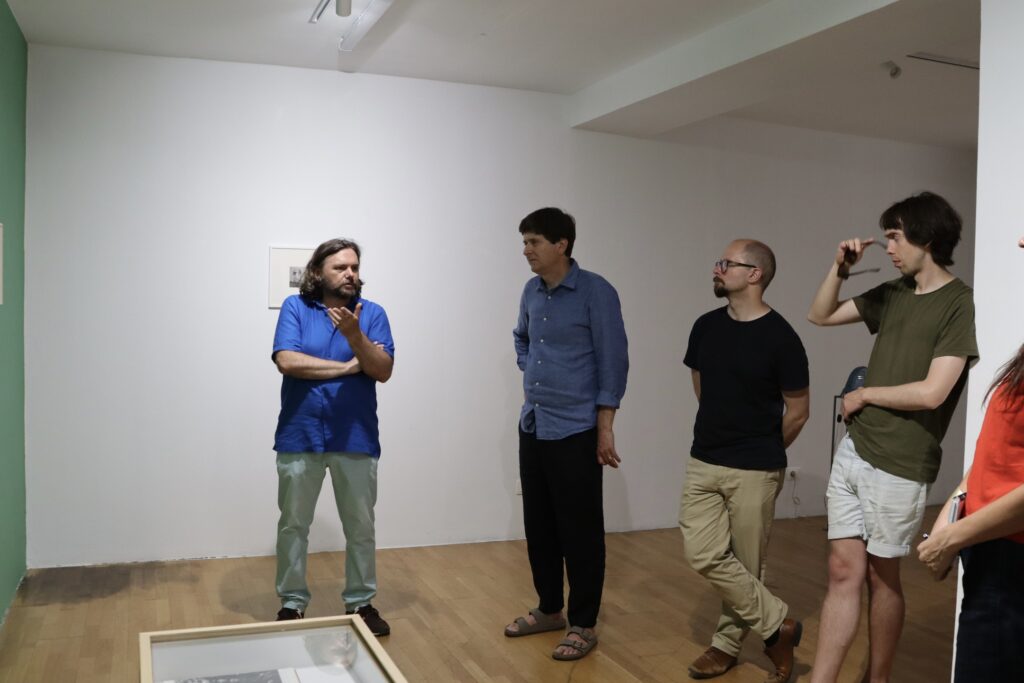
Afterwards, we visited the ZETA Contemporary Art Centre, where Albanian visual artist Alban Hajdinaj gave us a guided tour of his solo exhibition Forking Paths.
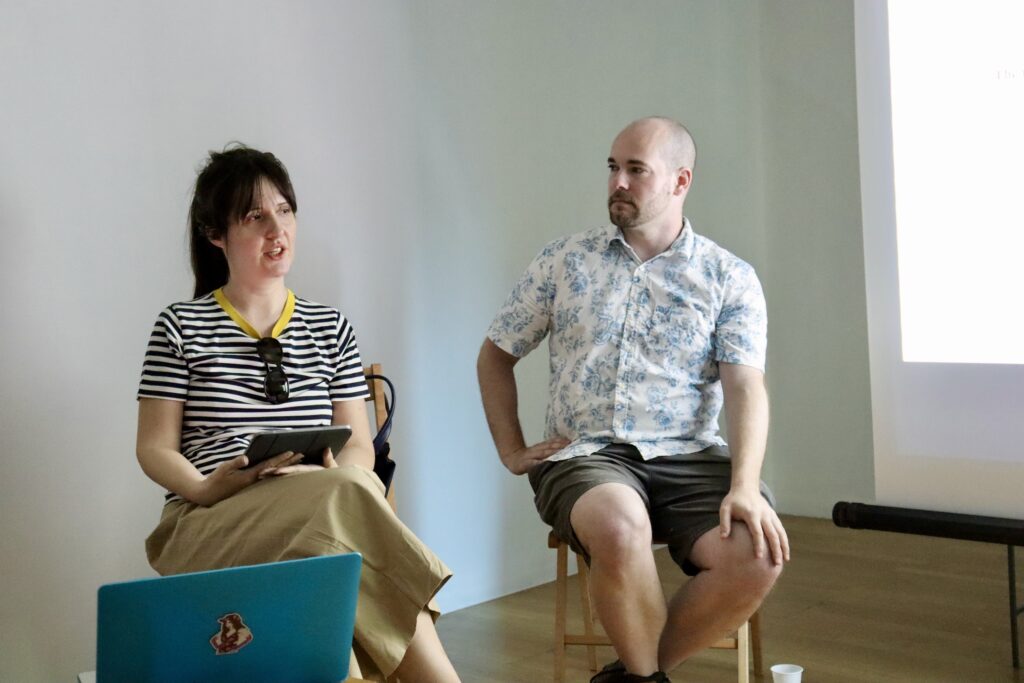
The second SAVA Panel Discussion, titled Landscapes of the Socialist Anthropocene, took place at the ZETA Contemporary Art Centre as well. Followed the introduction to SAVA by Maja and Reuben Fowkes, presentations by Raino Isto and Jonida Gashi offered valuable insights into Albanian socialist art, particularly the role of nature within it and how it was understood in the political environment of the time.
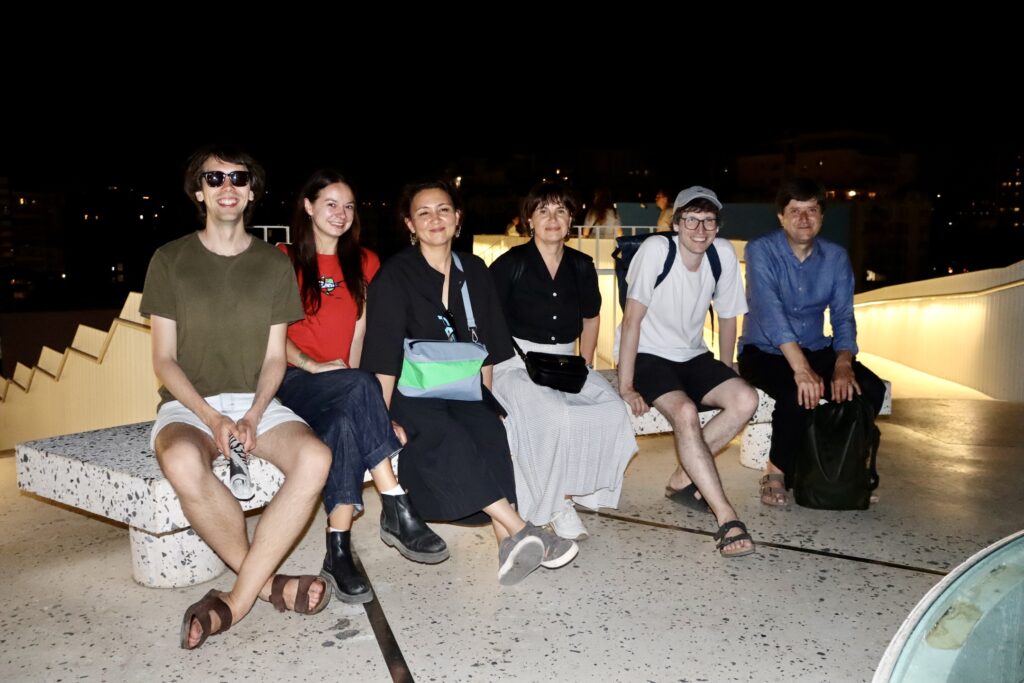
In the evening, we also climbed the Pyramid of Tirana, the former museum dedicated to the legacy of Enver Hoxha.
Day Seven
On the final day of our trip, we visited the Museum of Natural Sciences for a screening and discussion of Albanian Trilogy: A Series of Devious Stratagems, a series of short films by Albanian artist and filmmaker Armando Lulaj. The trilogy explores the relationship between nature and totalitarianism during the Cold War in Albania under Enver Hoxha.
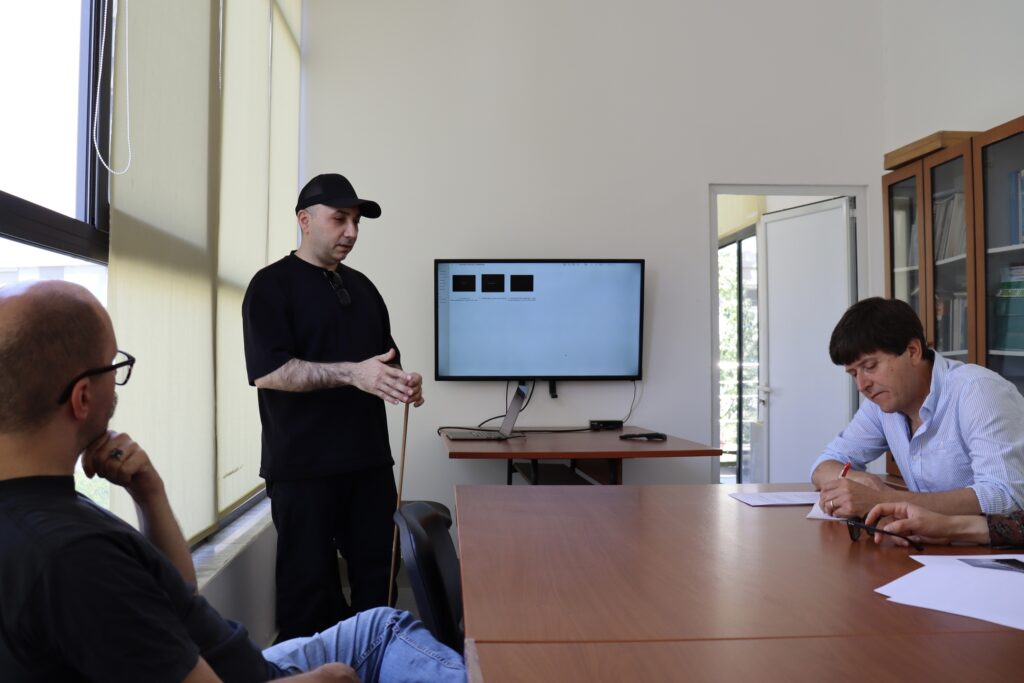
One of the films, It Wears as It Grows (2011), recounts a 1963 incident in which the Albanian navy mistakenly killed six whales, mistaking them for enemy submarines. In Armando’s film, the skeleton of one of the whales is symbolically carried to the Pyramid of Tirana, the former museum to the legacy of Enver Hoxha. We had a chance to see the skeleton in person, as it is part of the permanent collection at the Museum of Natural Sciences.
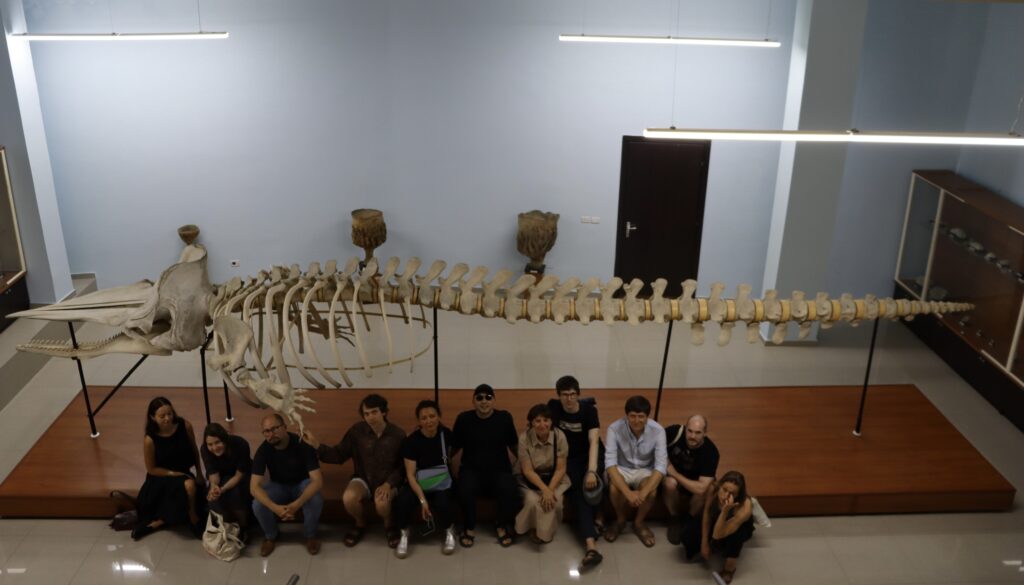
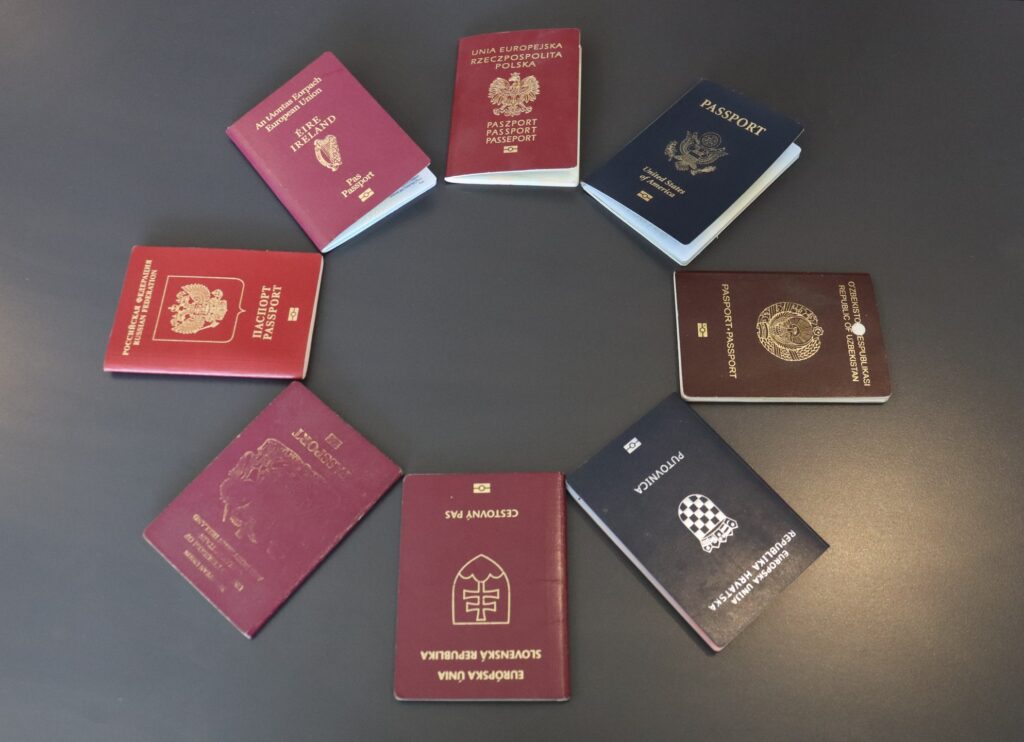
Filled with new insights, we said our goodbyes to Albania and Kosovo. But before departing, one last snapshot of all our passports each from a different country!
Photos by Natalia Pavlovicova