SAVA Research Week IV: Greening Socialism

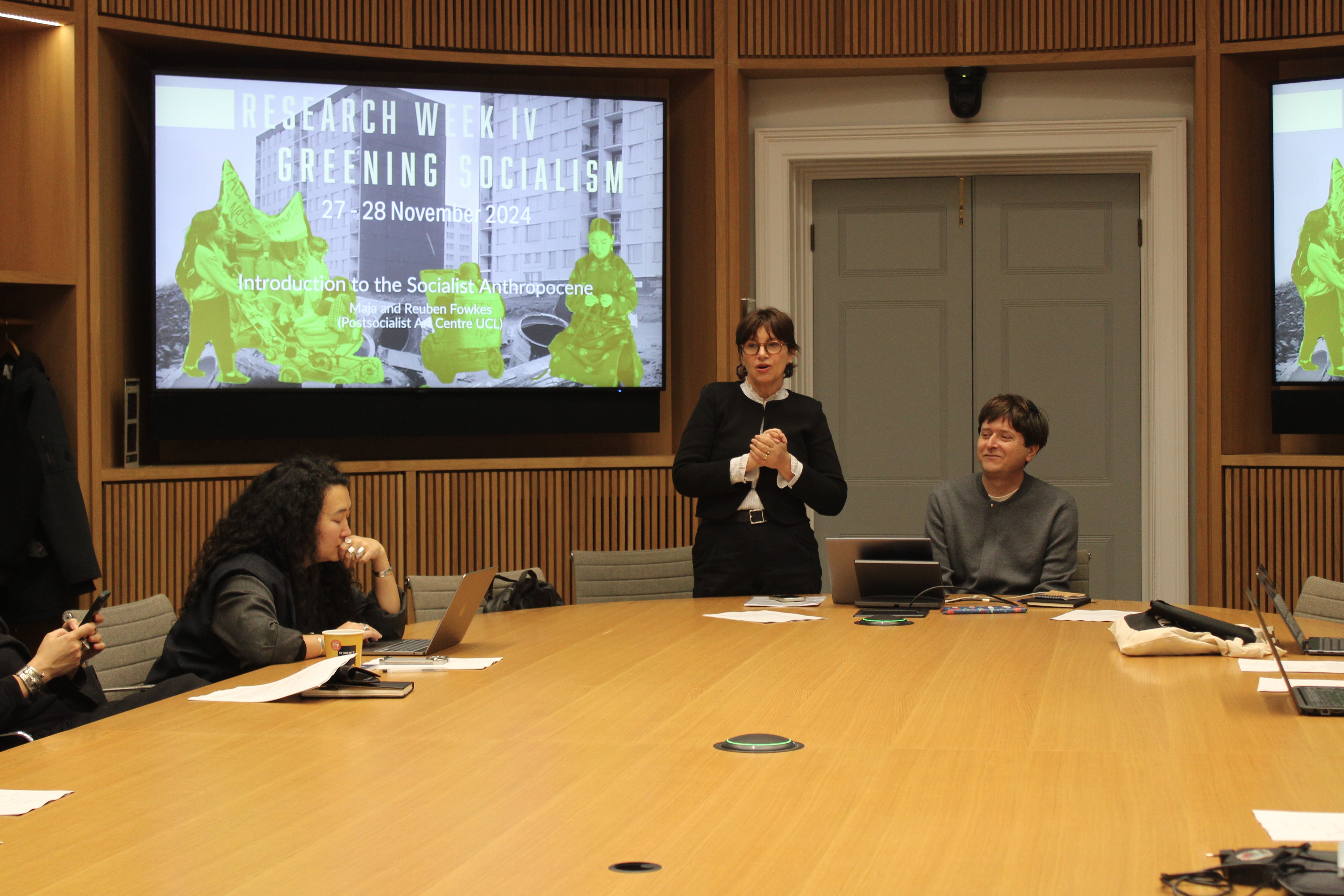
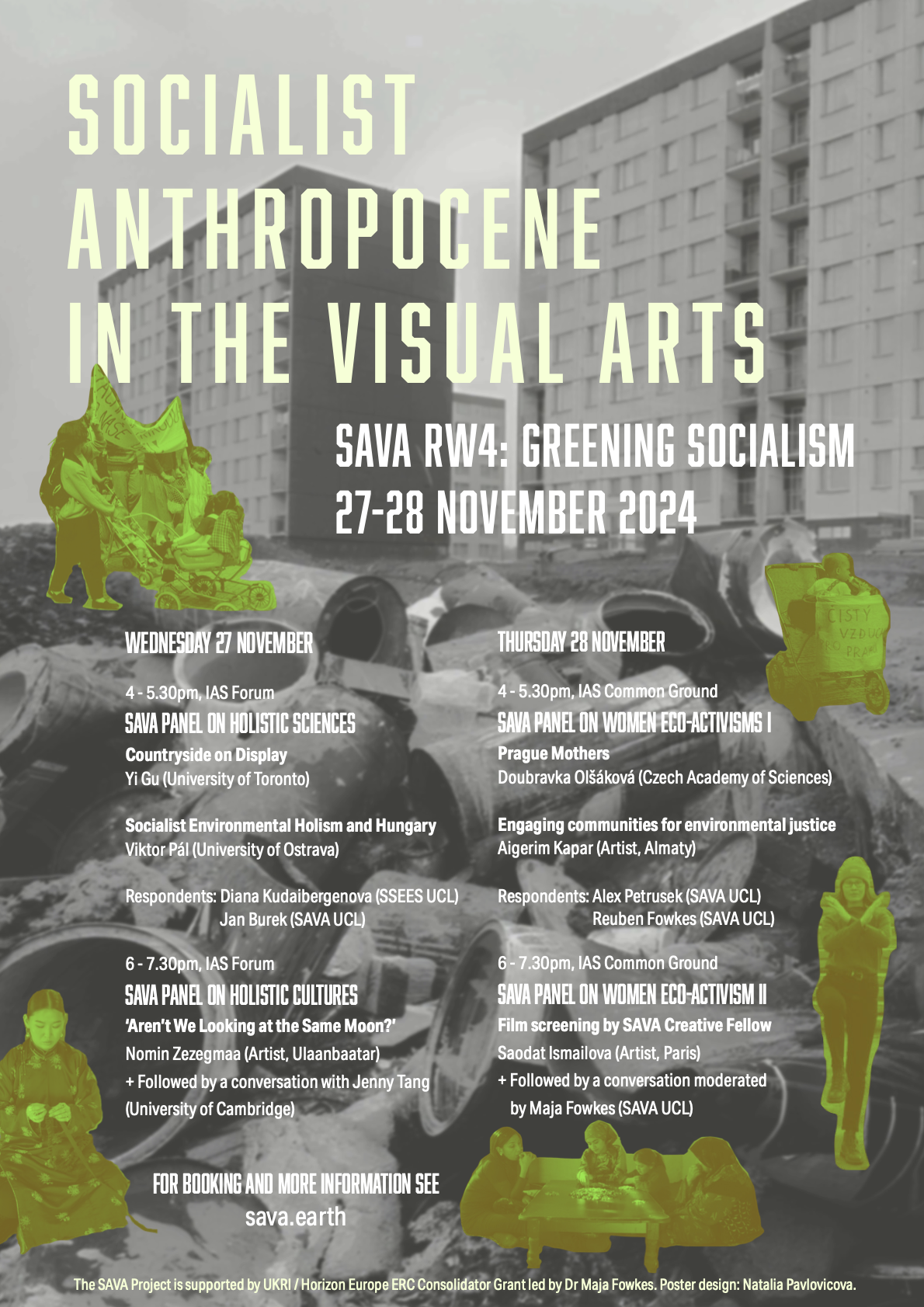
The fourth SAVA Research Week on Greening Socialism deals with the transformation of the countryside under socialist systems from the switch to intensive agriculture associated with the processes and policies of collectivization, mechanization and chemicalization, to the emergence, and survivance, of alternative forms of working the land based on more holistic and ecocentric attitudes. Through film screenings and presentations by contemporary artists, as well as interdisciplinary panel presentations and workshops, it considers the socialist histories of the Green Revolution, which saw the global spread of chemicalized monocultures. It also seeks to open up a conversation around Indigenous and ecosocialist nature practices as a parallel stream of the Socialist Anthropocene with relevance for confronting the social and ecological crisis of the land today.
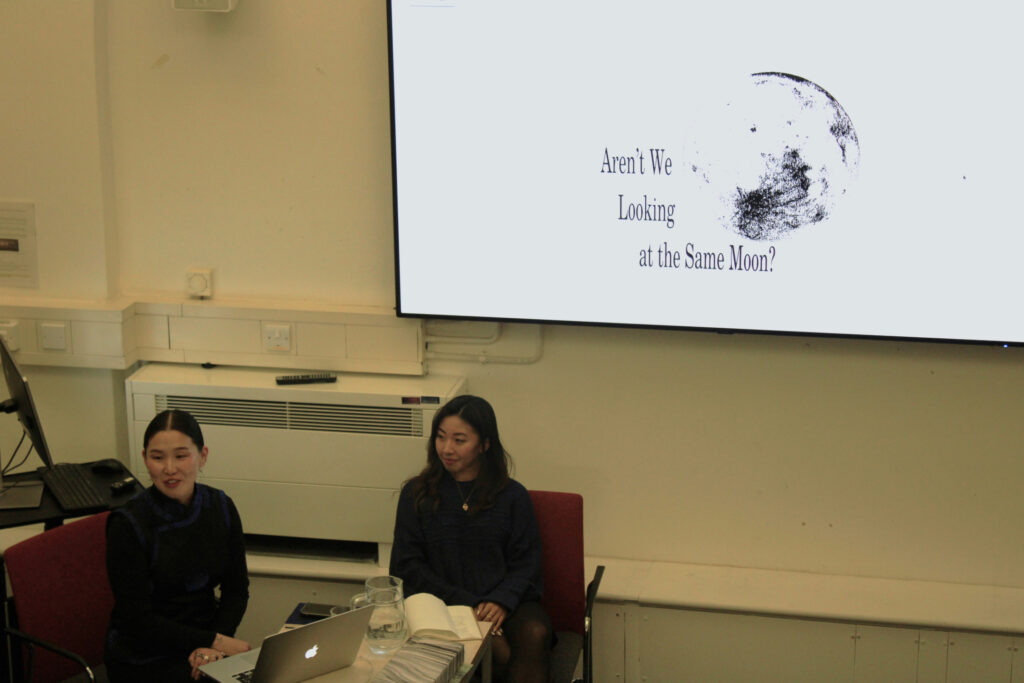
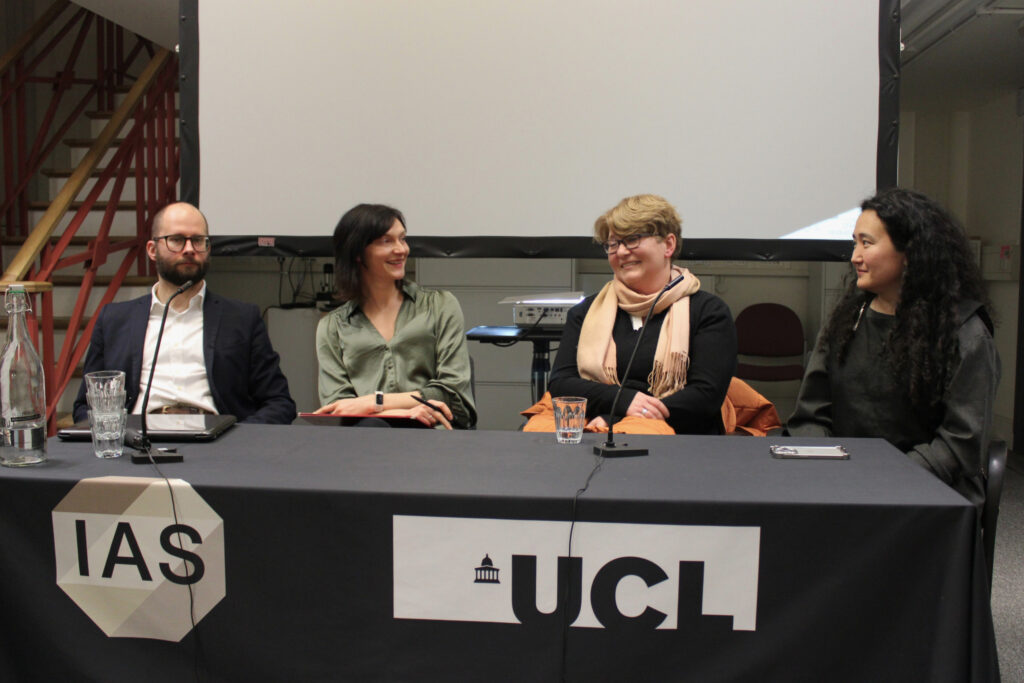
The first public event of the fourth SAVA Research Week on Greening Socialism is a panel on Holistic Sciences with presentations by Toronto University-based scholar Yi GU on Mao’s data visualization and China’s agricultural campaigns and by Viktor Pál from the University of Ostrava on Socialist Environmental Holism and Hungary. Responses will be from Diana Kudaibergenova (SSEES UCL) and Jan Burek (SAVA UCL). A second panel on Holistic Cultures will feature a presentation by artist of Mongolian heritage Nomin Zezegmaa entitled “Aren’t We Looking at the Same Moon?” followed by a conversation between the artist and anthropologist Jenny Tang. The focus of the public events on the second day will be on Women Eco-Activisms, with the first panel consisting of a presentation by Doubravka Olšáková on the “Prague Mothers” informal movement of late 1980s Prague, while Kazakhstani artist and environmentalist Aigerim Kapar will present the activities of the Artcom Platform and its work engaging communities for environmental justice. Responses will be from Katharina Karcher (University of Birmingham) and Alex Petrusek (SAVA UCL). The final panel will consist of a film screening and presentation by artist Saodat Ismailova, who is SAVA Creative Fellow 2024-5, followed by a conversation with the artist.
Public events
Workshops
Speaker biographies
Documentation
Programme
Public events
Wednesday 27 November 2024
IAS Forum, 4-5.30 pm
SAVA Panel on Holistic Sciences
This panel will consider holistic approaches to the environment under socialism, manifest in the systemic thinking and praxes of socialist environmental planning in complex relation to ecological questions arising from socialist development.
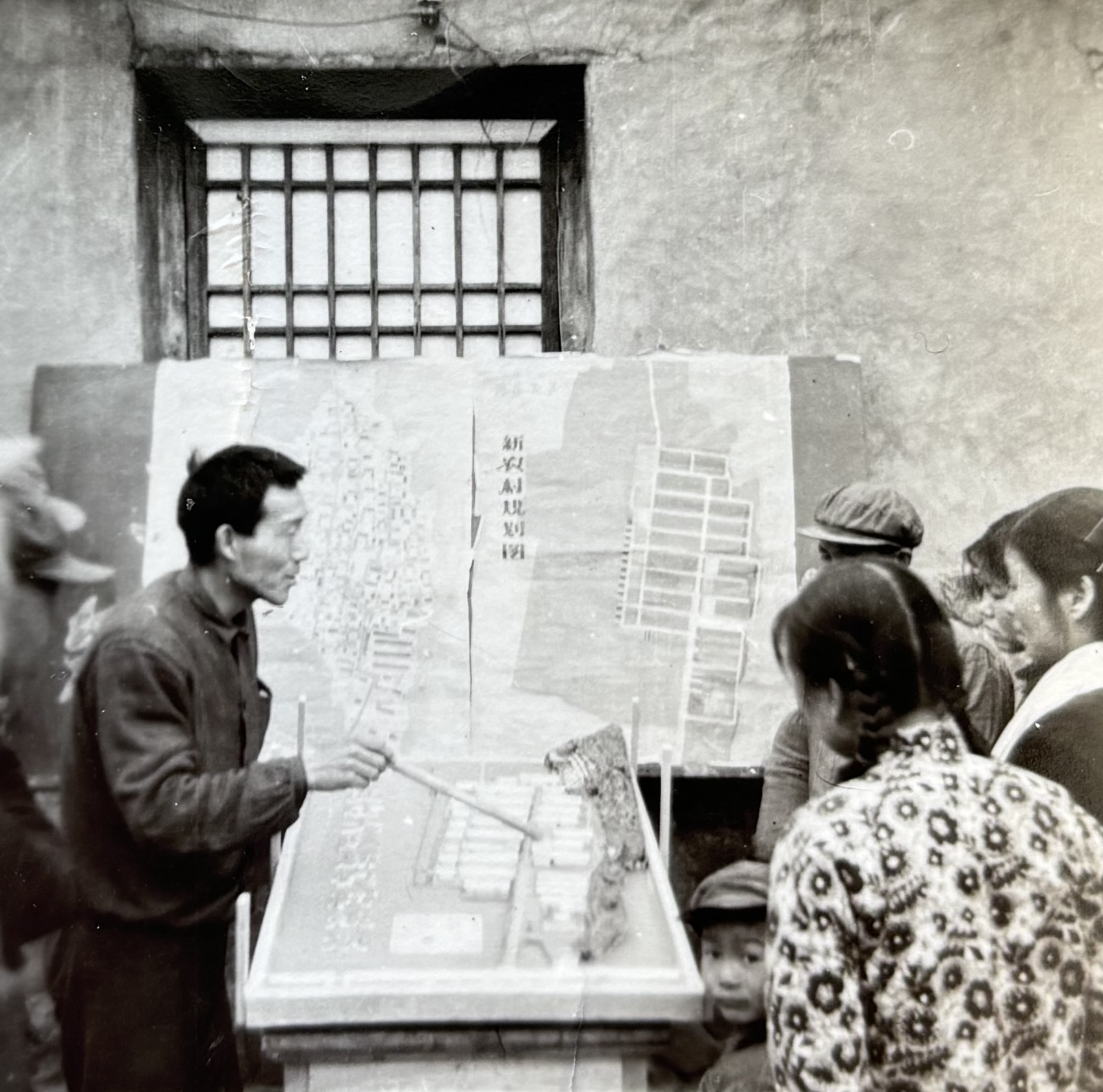
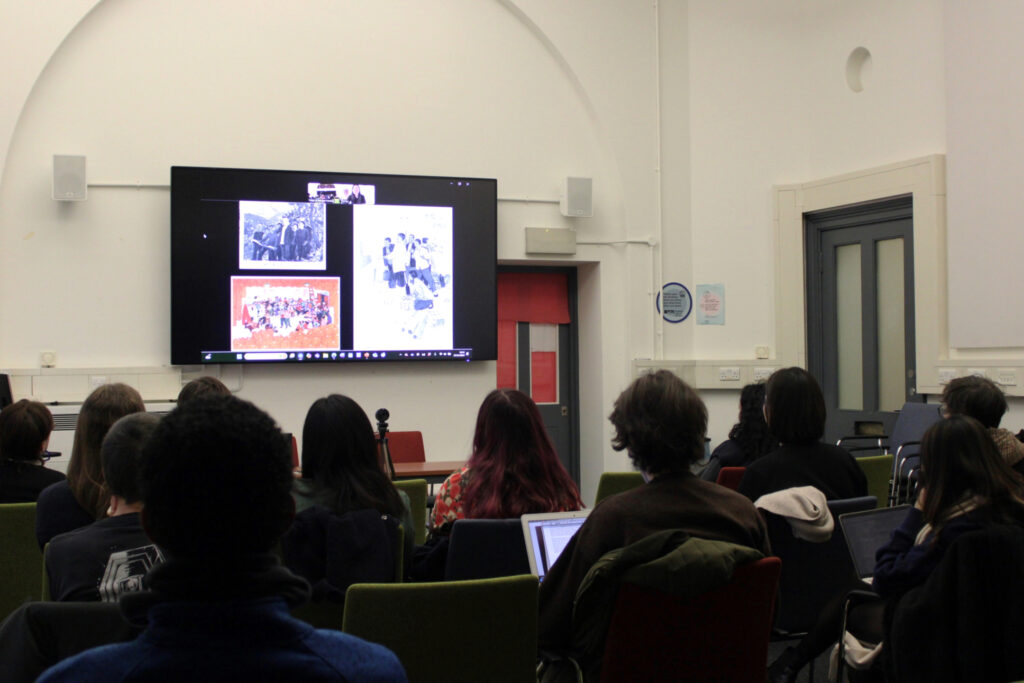
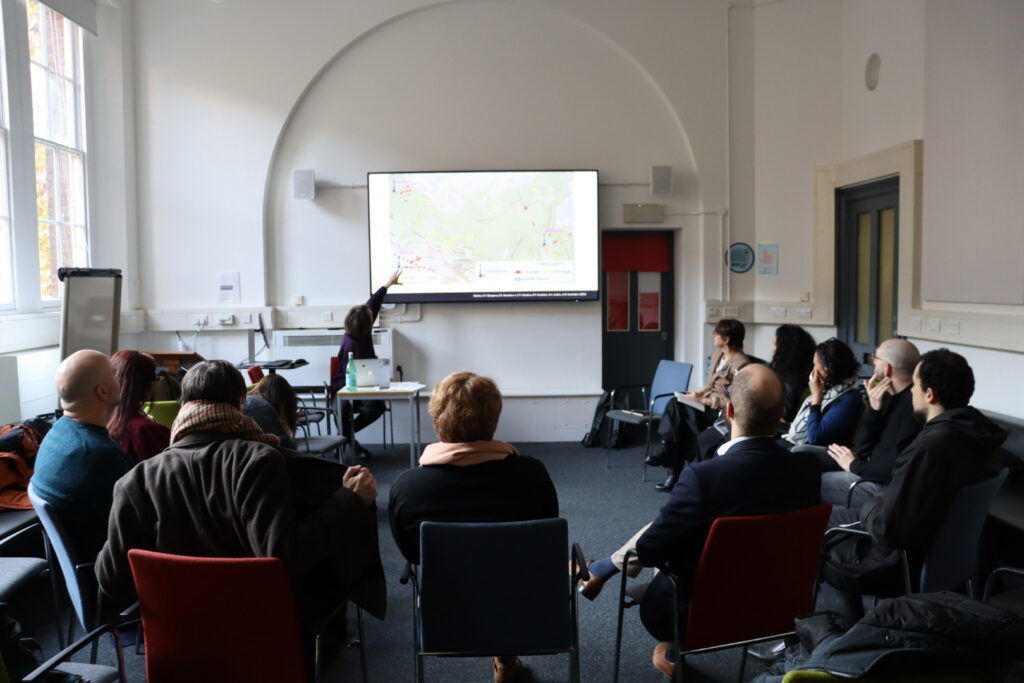
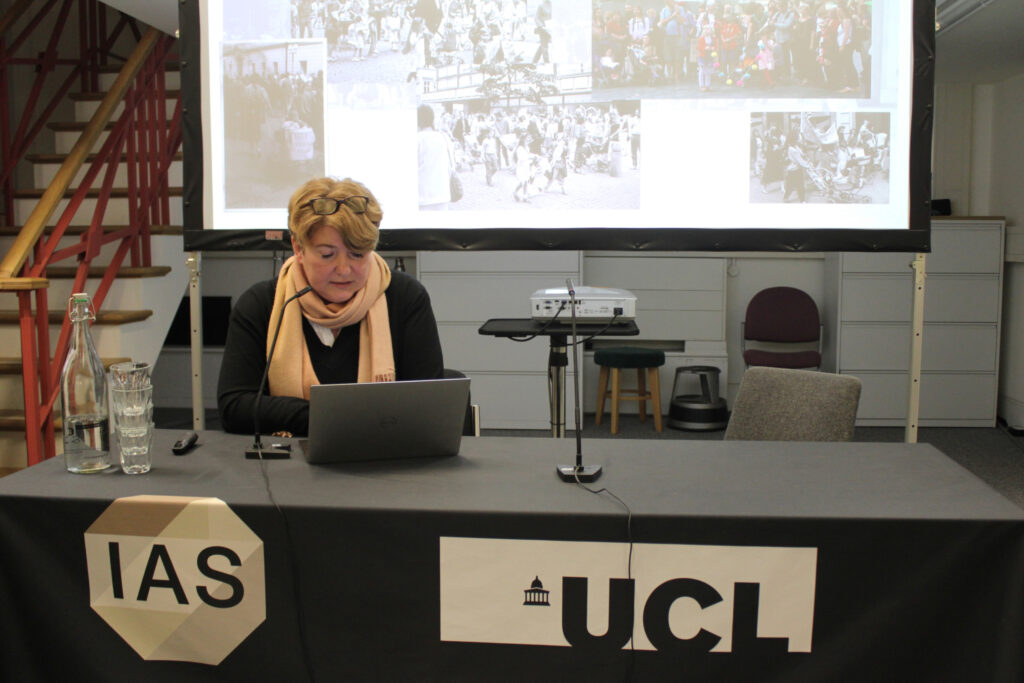
Yi Gu (University of Toronto) will give a presentation on the Countryside on Display: Mao’s Data Visualization and China’s Agricultural Campaigns and Viktor Pál (University of Ostrava, Czechia) will give a presentation on socialist environmental holism and Hungary. The panel presentations will be followed by responses by Diana Kudaibergenova (SSEES) and Jan Burek (SAVA UCL).
Wednesday 27 November 2024
IAS Forum, 6-7.30 pm
SAVA Panel on Holistic Cultures
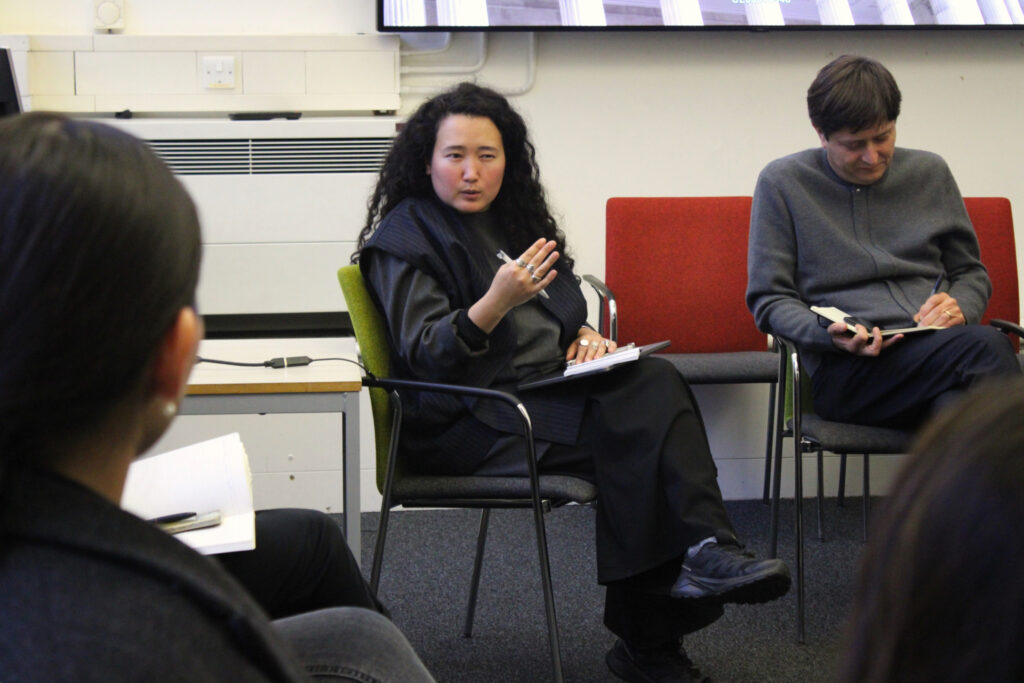
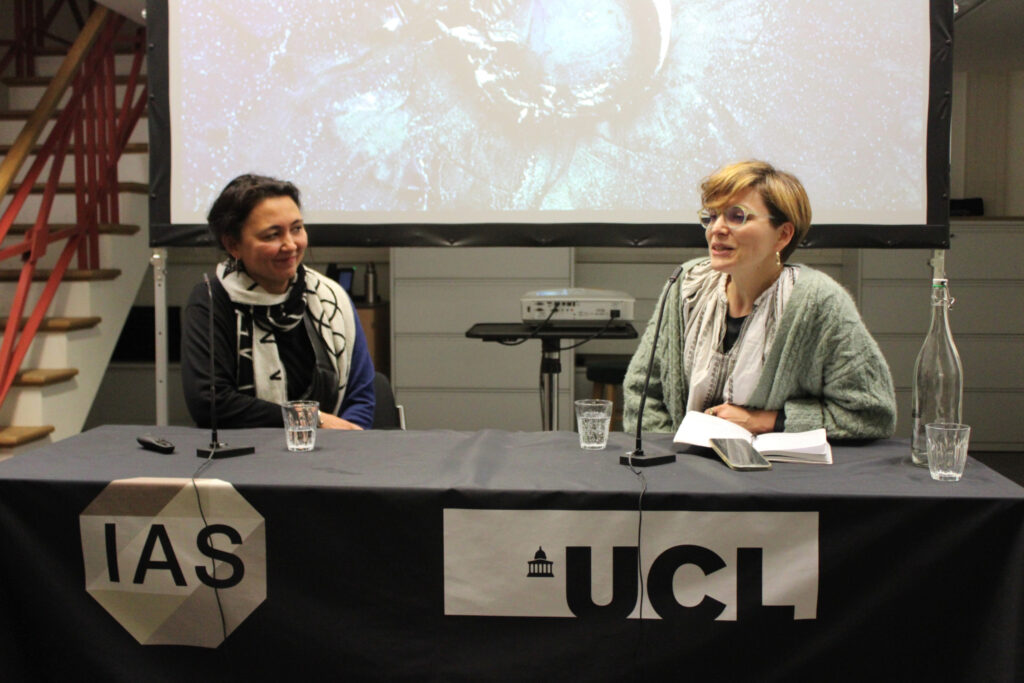
A presentation by Ulaanbaatar based artist Nomin Zezegmaa titled “Aren’t We Looking at the Same Moon?” Followed by a conversation with Jenny Tang (University of Cambridge).
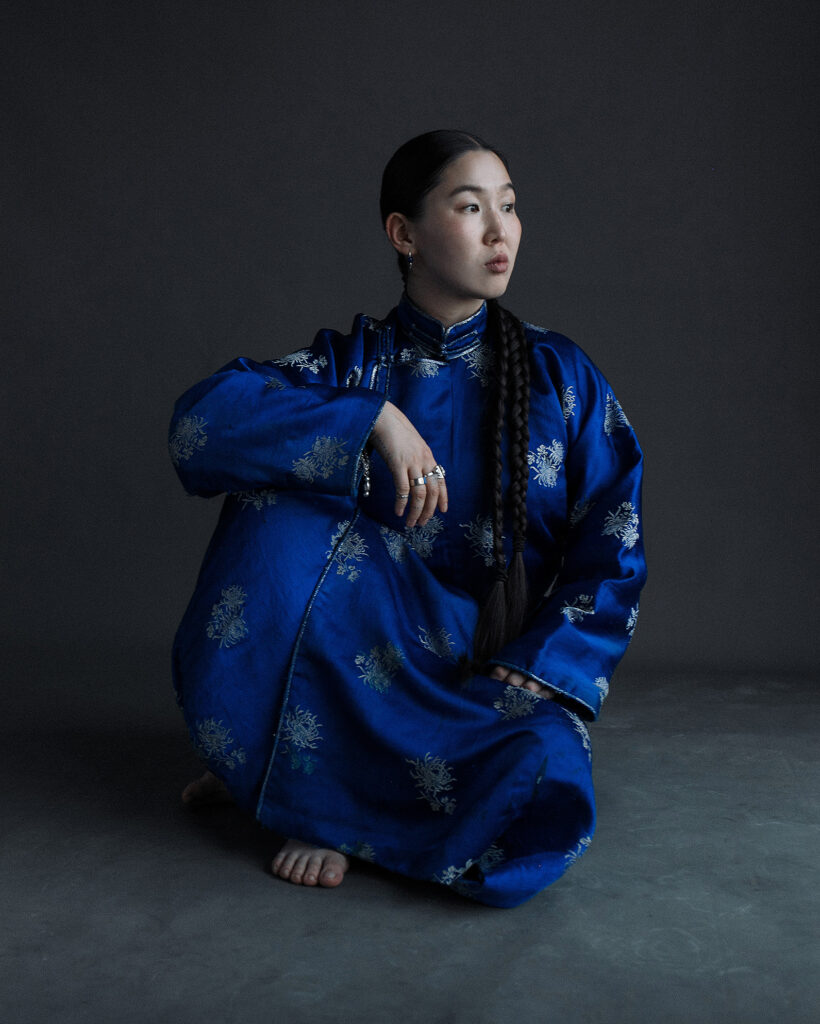
In her theory and practice, Nomin Zezegmaa investigates interwoven histories and matter in relation to deep time and other-than-human realms, drawing from Mongol cosmogony. She operates as a mediator between states of being by exploring the innate and inter-connected nature, reality and soul of matter.
Thursday 28 November 2024
IAS Common Ground, 4-5.30pm
SAVA Panel on Women Eco-Activisms I
This SAVA panel brings together reflections on women’s environmental activism in public space under socialism and post-socialism.
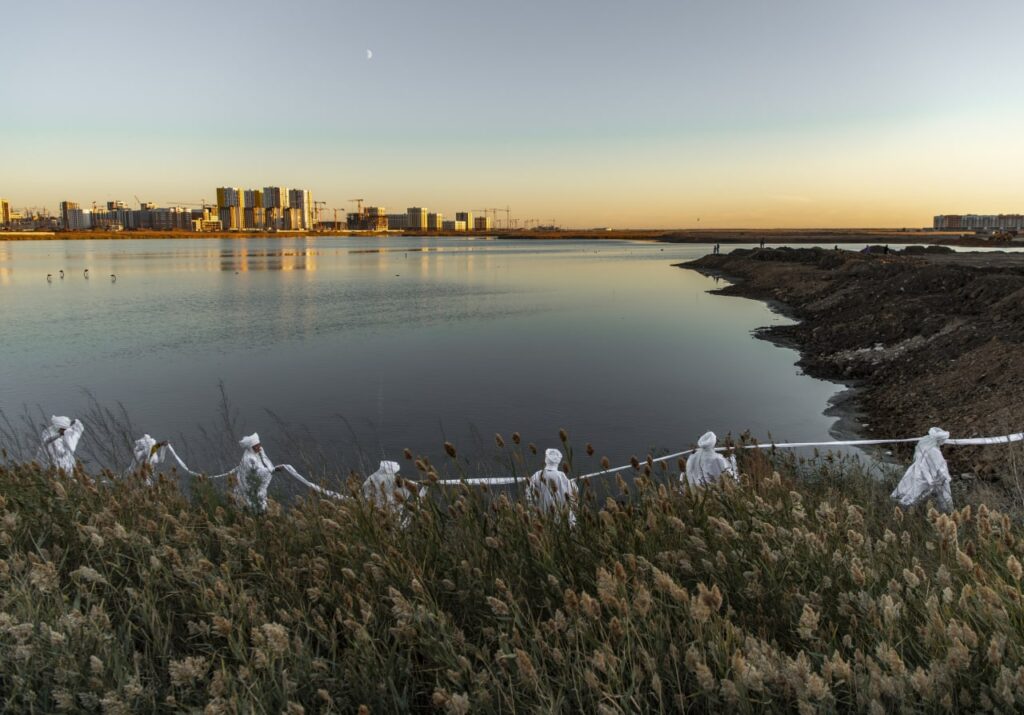
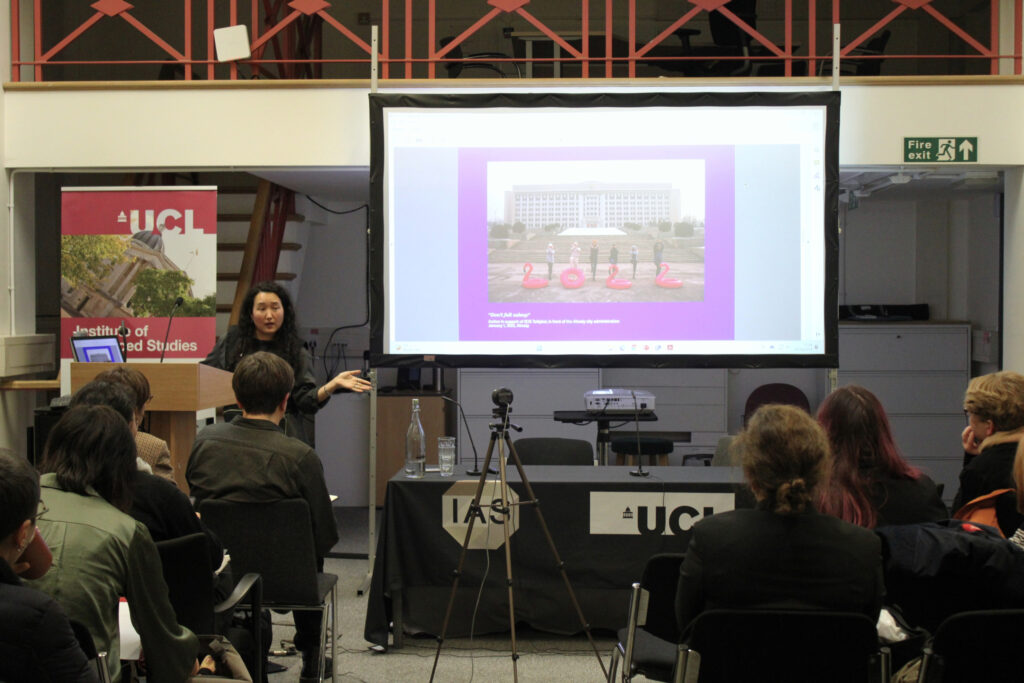
A presentation by environmental historian Doubravka Olšáková uncovers the history the late 1980s informal group of Prague Mothers in Prague and a talk by artist, curator and activist Aigerim Kapar on the performative strategies of activist movements in Kazakhstan. Responses from Katharina Karcher (University of Birmingham) and Alex Petrusek (SAVA UCL).
Thursday 28 November 2024
IAS Common Ground, 6-7.30pm
SAVA Panel on Women Eco-Activisms II
A film screening of the work of artist and SAVA Creative Fellow Saodat Ismailova followed by a conversation with Valentine Umansky (curator, Tate Modern) moderated by Maja and Reuben Fowkes.
Saodat Ismailova is an Uzbek filmmaker and artist graduated from Tashkent State Art Institute and Le Fresnoy, National Studio of Contemporary Arts.
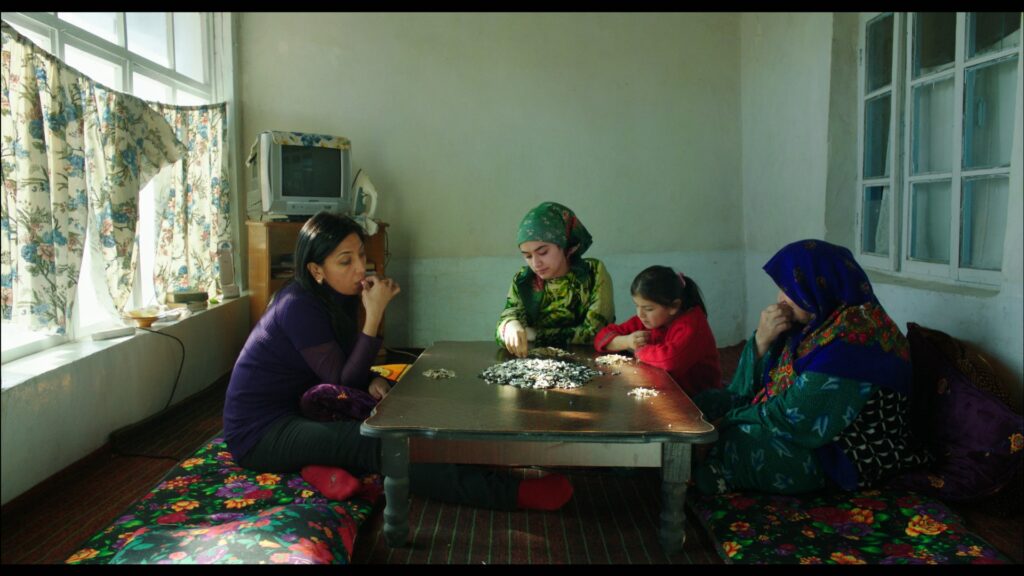
Interweaving myths, rituality, and dreams within the tapestry of everyday life, her films investigate the historically complex and layered culture of Central Asia which stand at the crossroads of diverse material histories and migratory legacies. Departing from her personal history marked by growing up in the post-Soviet Uzbekistan, Ismailova reaches out to the collective dimension of memory. Her research encompasses the region’s ancestral knowledge and traditional spiritual practices as well as modern history of Uzbekistan which manifests through work on archival footage.
Workshops
To request to join one or more of these closed workshops designed for the SAVA Team, invited speakers and a limited number of additional participants, please email ias.pact@ucl.ac.uk
Wednesday 27 November 2024
11am-1pm, Council Room (G12)
Introduction to RW4 Greening Socialism by Maja and Reuben Fowkes (SAVA UCL)
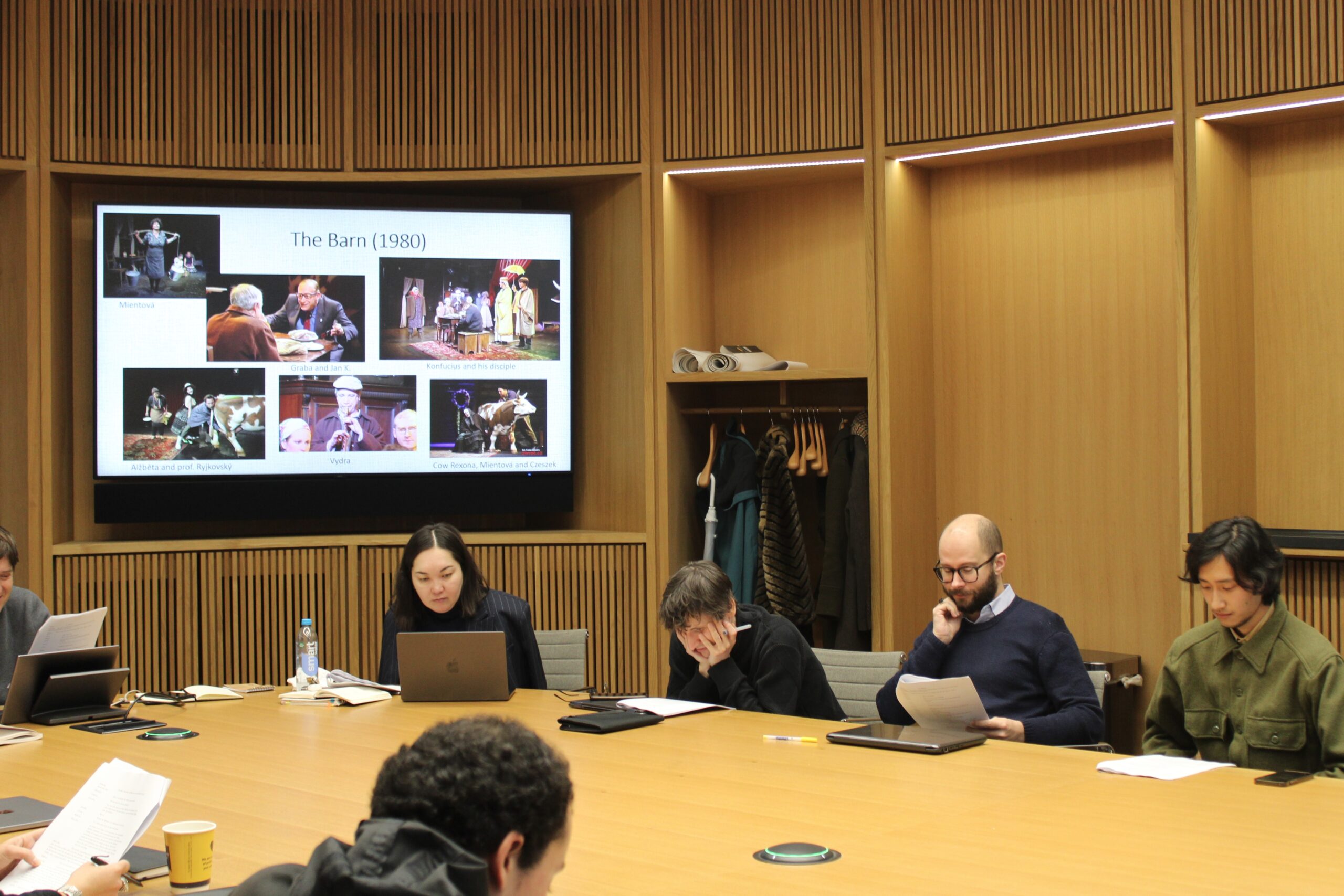
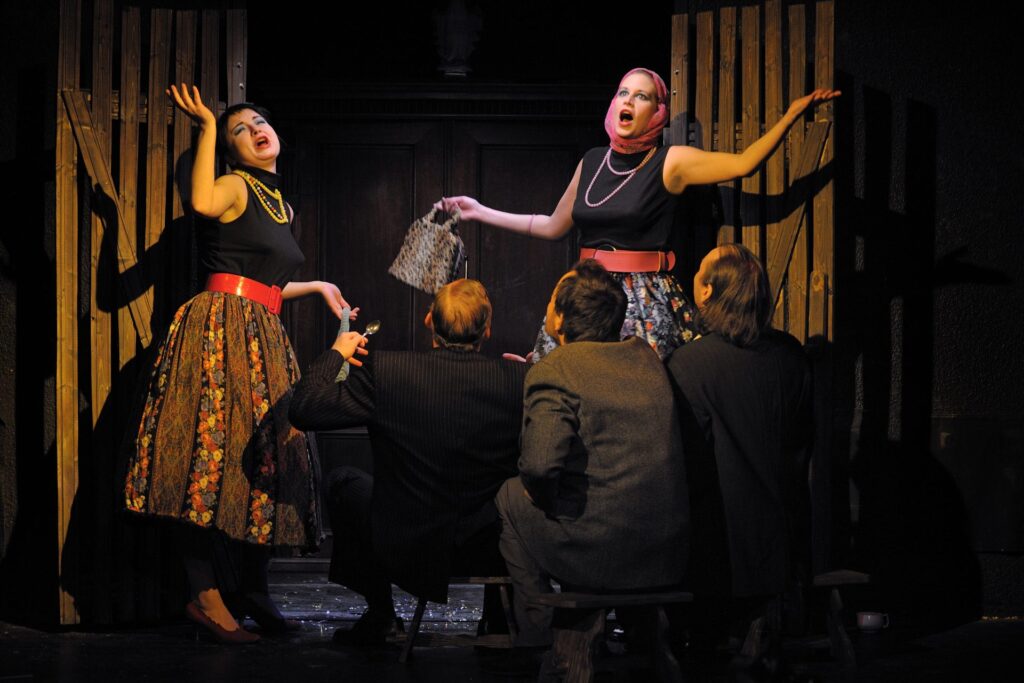
Workshop led by Doubravka Olšáková (Czech Academy of Sciences, Prague) on Helmut Kajzar’s play about collectivization in Poland entitled The Barn (Chlív) or The Byre (Obora).
Wednesday 27 November 2024
2-3.30pm, IAS Forum
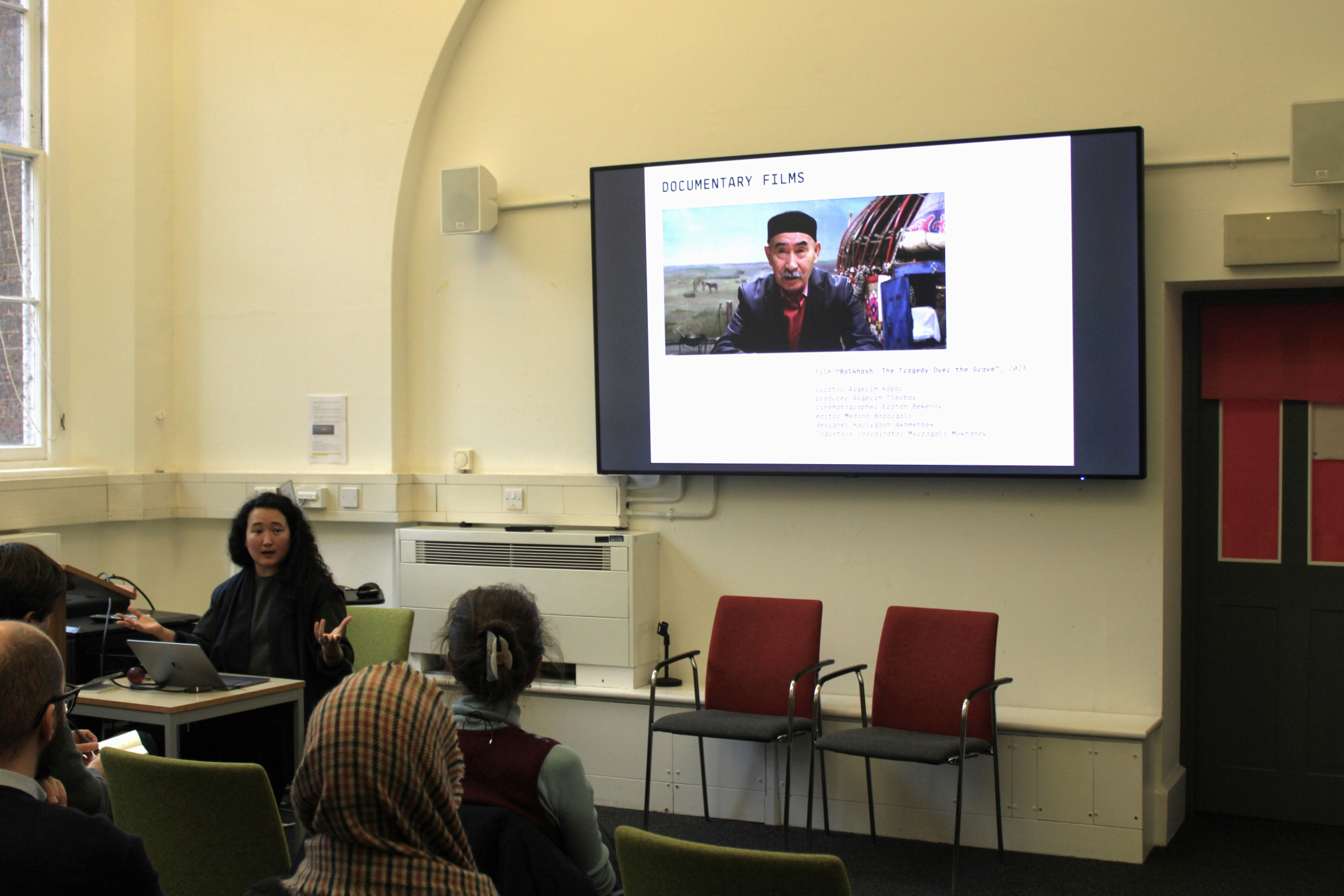
Workshop led by Aigerim Kapar
“And Inside Me, Lake Balkhash Splashes.”
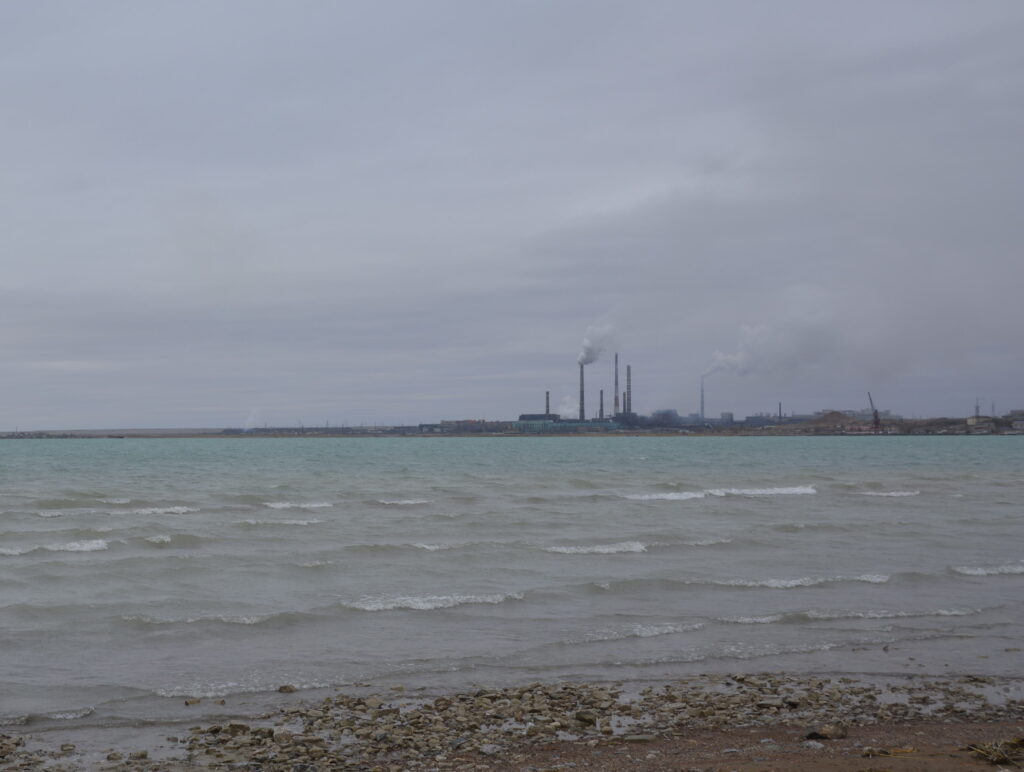
In this workshop Aigerim Kapar invites us to become immersed in the cultural landscape of Lake Balkhash, which is located in Kazakhstan, and to hear its voice through the noise of anthropogenic impact and the roar of the climate crisis.
Thursday 28 November 2024
11am-1pm, IAS Forum
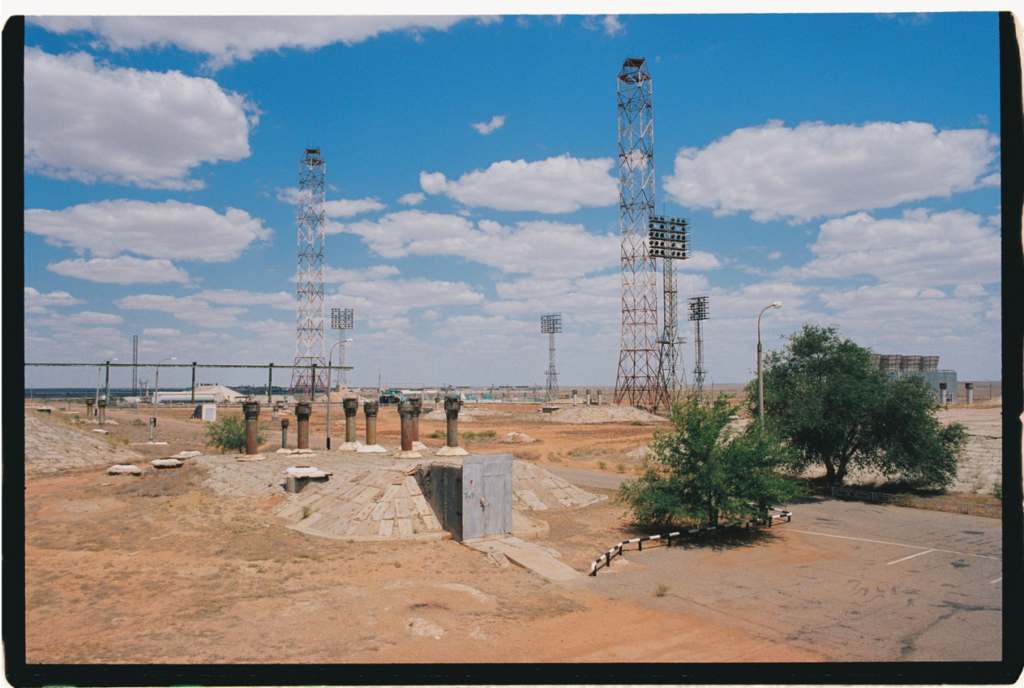
Workshop on the Baikonur Cosmodrome: From Terrestrial Hinterlands to Cosmic Heights led by Makar Tereshin (SSEES UCL)
This workshop will look into the personal testimonies of military engineers and popular literary depictions of the Baikonur Cosmodrome. It will explore how the Soviet conquest of space resonated with and amplified the Soviet discourses on the mastering of the Soviet hinterlands in Central Asia.
Thursday 28 November 2024
2-3.30pm, IAS Forum
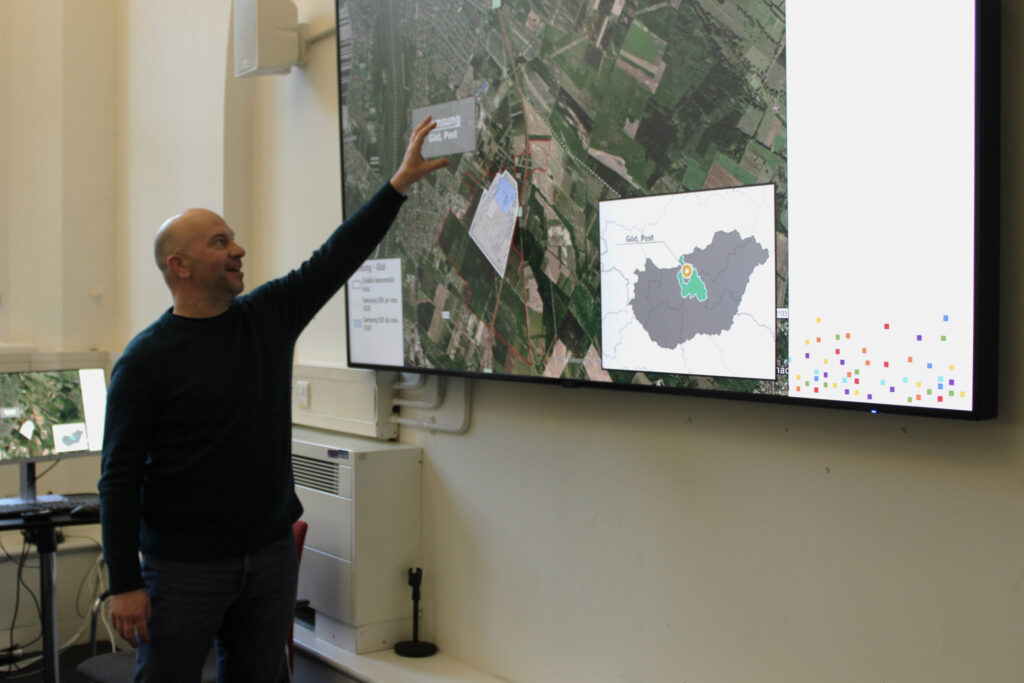
Workshop led by Viktor Pál (University of Ostrava, Czechia)
Environment as a proxy? Environmental Activism in Central Hungary during the 1980s and the 2020s
During this 90-minute workshop, participants will collect, organize, and assess data to understand environmental discourses in East-Central Europe in two distinguished political periods: late socialism and contemporary illiberalism, through the case study of the suburban and rural areas around the Budapest metropolitan area.
Speaker biographies
Yi Gu is an associate professor at the University of Toronto. She is a scholar of twentieth-century art and visual culture, focusing on Asia especially China. Her research interests include cold war visual culture, comparative media studies, Chinese photo history, mass art and amateurism, and visual methodologies across disciplines. Her book Chinese Ways of Seeing and Open-Air Painting (Harvard University Press Asia Center, 2020) points out an ocular turn of China’s twentieth century as a foundation for a revisionist history of modern Chinese art. She is currently writing a book tentatively entitled “Form is Content: Data Visualization and Mao’s Countryside.” She is also the convener of a few digital humanities projects on the art and visual culture of socialist China.
Saodat Ismailova is an Uzbek filmmaker and artist graduated from Tashkent State Art Institute and Le Fresnoy, National Studio of Contemporary Arts. Interweaving myths, rituality, and dreams within the tapestry of everyday life, her films investigate the historically complex and layered culture of Central Asia which stand at the crossroads of diverse material histories and migratory legacies. Departing from her personal history marked by growing up in the post-Soviet Uzbekistan, Ismailova reaches out to the collective dimension of memory. Her research encompasses the region’s ancestral knowledge and traditional spiritual practices as well as modern history of Uzbekistan which manifests through work on archival footage. She initiated Davra research collective in Central Asia, 2021. In 2022 she participated in 59th Biennale of Venice and presented new work at documenta fifteen. The same year, she received The Eye Art & Film Prize, Amsterdam. Her new film “Melted into the Sun” is presented at Nebula collective exhibition, commissioned by Fondazione in between Art and Film, during Venice Biennale of Arts, 2024. Her works are in the collection of Stedelijk Museum, Amsterdam, The Centre of Pompidou, Paris and others.
Aigerim Kapar (b. 1987) is an interdependent curator, interdisciplinary researcher, decolonial and environmental practitioner based in Kazakhstan. Kapar founded Artcom Platform, a community-based contemporary art and public engagement organization in 2015. Collective memory, practices of care, nomadic culture, environmental and climate justice, are cross-cutting in all their processes and activities. She has also been organizing Art Collider, a school where art meets science bringing communities together, since 2017. Currently, Kapar curates a hybrid reality project Steppe Space, the place for contemporary art and culture of Central Asia. In 2020 she initiated ecological movement SOS Taldykol and projects of care for lake ecosystems Care for Balkhash. Her key previous works include Re-membering. Dialogues of Memories, an international intergenerational project in memory of survivors and victims of 20th-century political repressions in Kazakhstan (2019), and Time&Astana: After Future, an urban art research and engagement project (2017-2018).
Dr Katharina Karcher is Associate Professor in Modern Languages at the University of Birmingham, UK. Katharina’s research focuses on political protest and violence in the 20th and 21st centuries. In this context, she is particularly interested questions of gender, race, class, dis/ability, and political ideology. Relevant publications include Sisters in Arms. Militant Feminisms in the Federal Republic of Germany (Berghahn, 2017),and the co-edited volumes Women, Global Protest Movements and Political Agency: Rethinking the Legacy of 1968 and Gender, Emancipation, and Political Violence: Rethinking the Legacy of 1968 (Routledge 2018).
Diana T. Kudaibergen is Lecturer in Central Asian Politics and Society at the School of Slavonic and East European Studies, University College London. She is the author of Rewriting the Nation in Modern Kazakh Literature; Toward Nationalizing Regimes: Conceptualizing Power and Identity in the Post-Soviet Realm and many articles on nation- building, identity and protest in the former USSR.
Jan Burek is a social and cultural historian of state socialism. He is a SAVA Research Fellow at PACT, UCL Institute of Advanced Studies. He is a Research and Teaching Fellow at the Faculty of History of the University of Warsaw. His research explores the forms of individual and group agency state socialist dictatorships allowed for and, in some cases, facilitated. His research methods draw heavily on Italian microhistory and the Alltagsgeschichte. Hence, he focuses on the microscale analysis of the everyday experiences of life and work.
Doubravka Olšáková is a senior researcher at the Institute of Contemporary History of the Czech Academy of Sciences, where she leads the Department of Global Conflicts and their Consequences. Her research is oriented towards the intersection of the history of science and environmental history. She is actively involved in academic life and acts as a member of various committees and editorial boards. She is a member of the DHST Committee on Science, Technology, and Diplomacy. In 2014, she published a book titled Science Goes to the People! (2014, in Czech) about the dissemination of science in communist Czechoslovakia and the indoctrination of the masses. In 2016 she worked as the principal editor of an edited volume In the Name of the Great Work. Stalin’s Plan for the Transformation of Nature and its Impact in Eastern Europe (New York: Berghahn Books).
Viktor Pál (PhD, 2015; Associate Professor, 2021) is a Research Lead of the Environmental History Research Group at the University of Ostrava, Czechia, which receives funding from the Czech Science Foundation, the Ministry of the Environment of the Czech Republic, and the European Union. Viktor has published scientific articles in leading journals, such as Ab Imperio, Agricultural History, Environmental History, Environment and History, Global Environment, Journal of Contemporary, and others, as well as edited and co-edited four volumes with Routledge and the White Horse Press and two journal special issues on themes related to sustainability and social sciences. Viktor is also the author of Technology and the Environment in State-Socialist Hungary (Palgrave Macmillan, 2017). www.palviktor.com
Jenny W. Tang is a Sigrid Rausing MIASU PhD candidate and a member of King’s College. She is conducting ethnographic fieldwork in Ulaanbaatar, Mongolia, for the 2022/23 academic year. Her research interests span broadly across Asian Studies, urban ethnography, contemporary arts, political economy, and anthropological theory.
Makar Tereshin is a social anthropologist and documentary photographer. He is a PhD candidate at University College London, where he is part of the ETHNO-ISS project. His research interests concern material culture studies, environmental and visual anthropology with particular ethnographic focus on Russia and Kazakhstan. Currently, he is working on a project exploring politics and ecology of the Russian space programme in Central Kazakhstan.
Valentine Umansky is Curator, International Art, Tate Modern, where she oversees the museum’s time-based media programme, co-chairs its Photography Acquisitions Committee and chairs its European Acquisition Circle. She previously held positions at the International Center of Photography and Museum of Modern Art in New York, at the Contemporary Arts Center in Cincinnati, and co-curated the 2018 LagosPhoto Festival, in Nigeria. At Tate, recent exhibitions and projects include displays of Belkis Ayón, Nikita Gale, Tourmaline, Cinthia Marcelle, Buhlebezwe Siwani, Dineo Seshee Bopape and Rosa Barba. In addition, Umansky sits on the selection committee of the Villa Medici Film Festival. In 2024-25, she is curating the Gjon Mili Biennial in Prishtina, Kosovo and EMAP video biennial in Seoul, Korea.
Nomin Zezegmaa
Since 2018, Nomin has been exhibiting in solo and group exhibitions. Her work was presented at Het Hem in Zaandam, het Stedelijk Museum in Amsterdam, the Rietveld Pavilion in Amsterdam and Prenzlauer Studio in Berlin. Nomins work has also been on display various times in Mongolia in places like Red Ger Creative Space in Ulaanbaatar, with the group exhibition ‘The Endless Knot’, a solo exhibition ‘Different Mountains, Different Encounters‘ at Lkham Gallery and ‘Spirit of Gobi: Consilience’, group exhibition at Union of Mongolian Artists gallery, Ulaanbaatar. She has been nominated for the Autonomous Arts Award at the Gerrit Rietveld Academy in 2020 and shortlisted for the Losito Art Prize in 2021. Nomin self-published several books and essays, ‘108’ 2019 and ‘The Shamanic Gaze – An Investigation into Mongol Futurist Ways of Being’ in 2020. In 2025, Nomin Zezegmaa will participate in The Bukhara Biennial, the first major international biennial in Uzbekistan.
Documentation