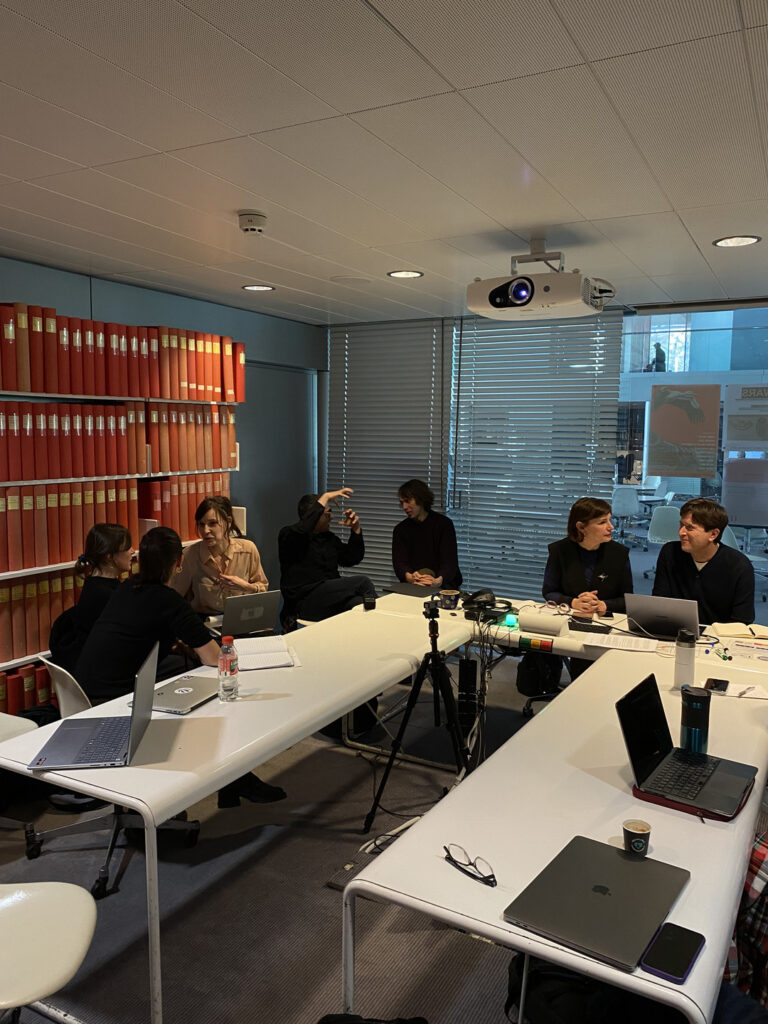
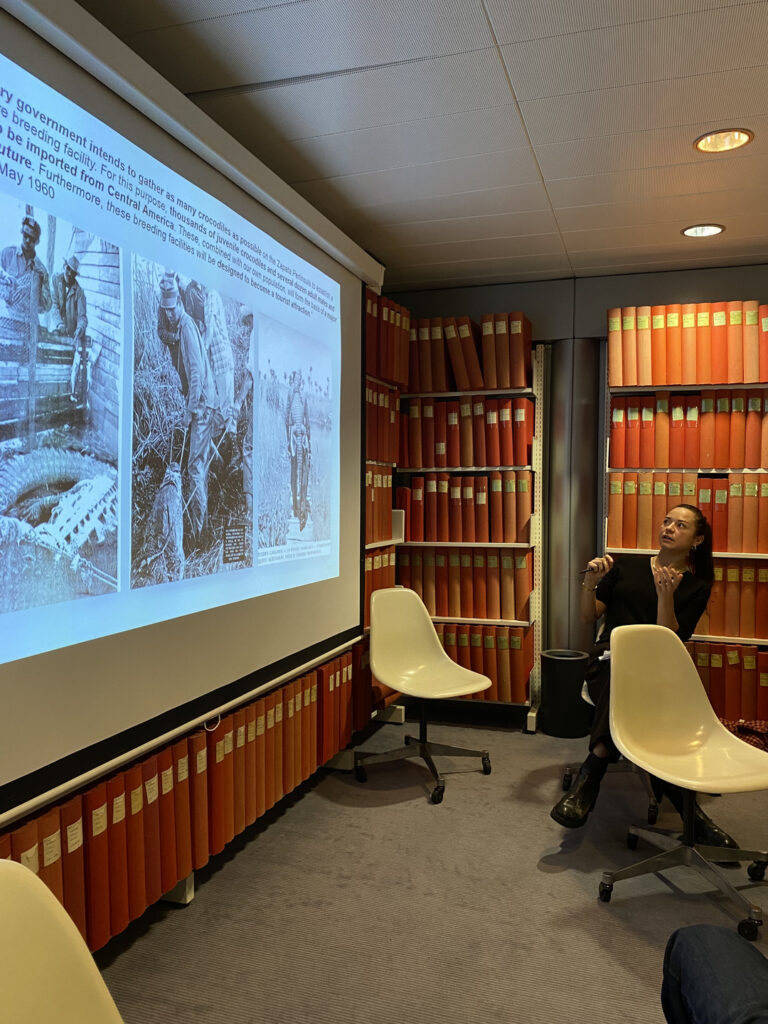
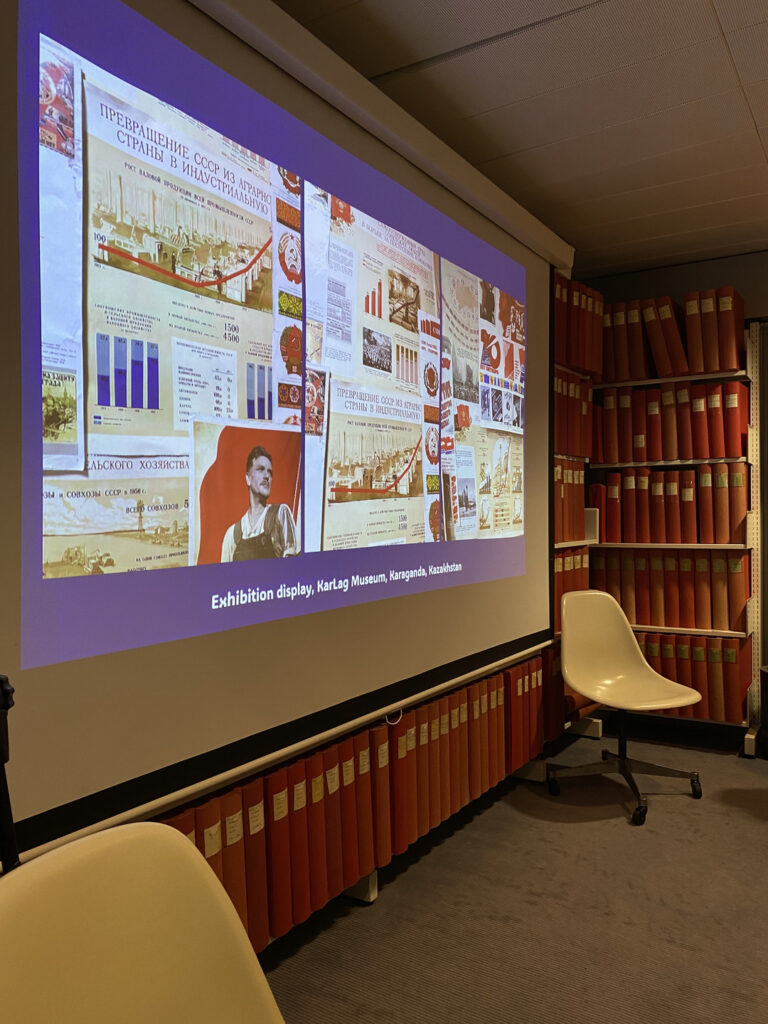
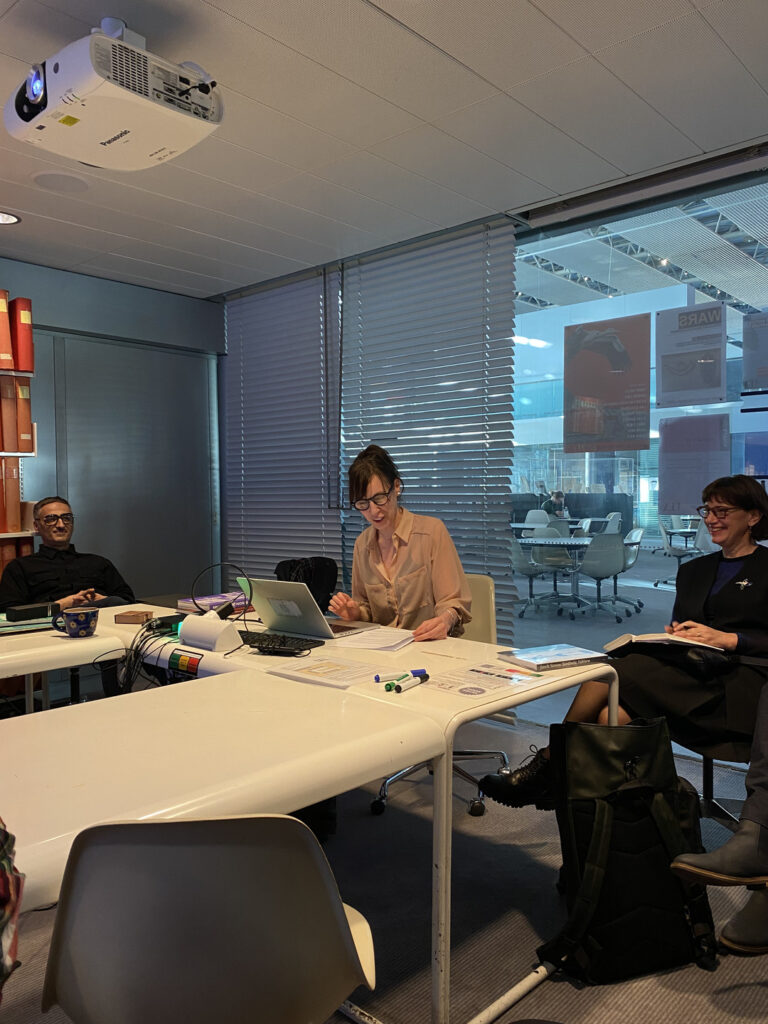
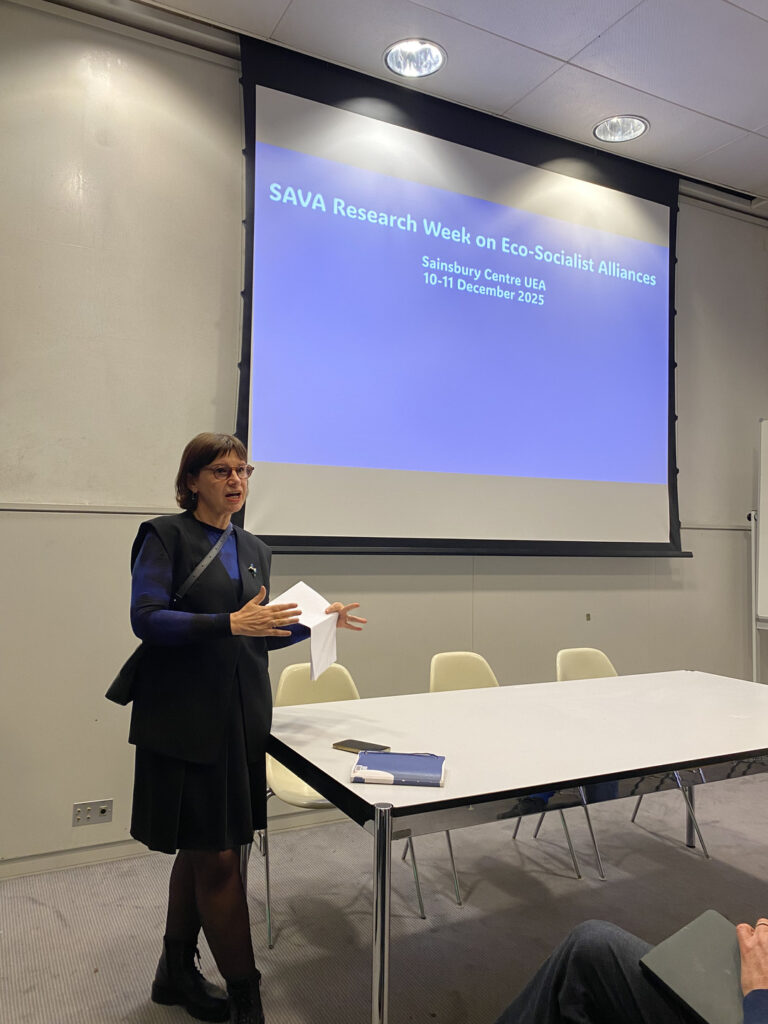
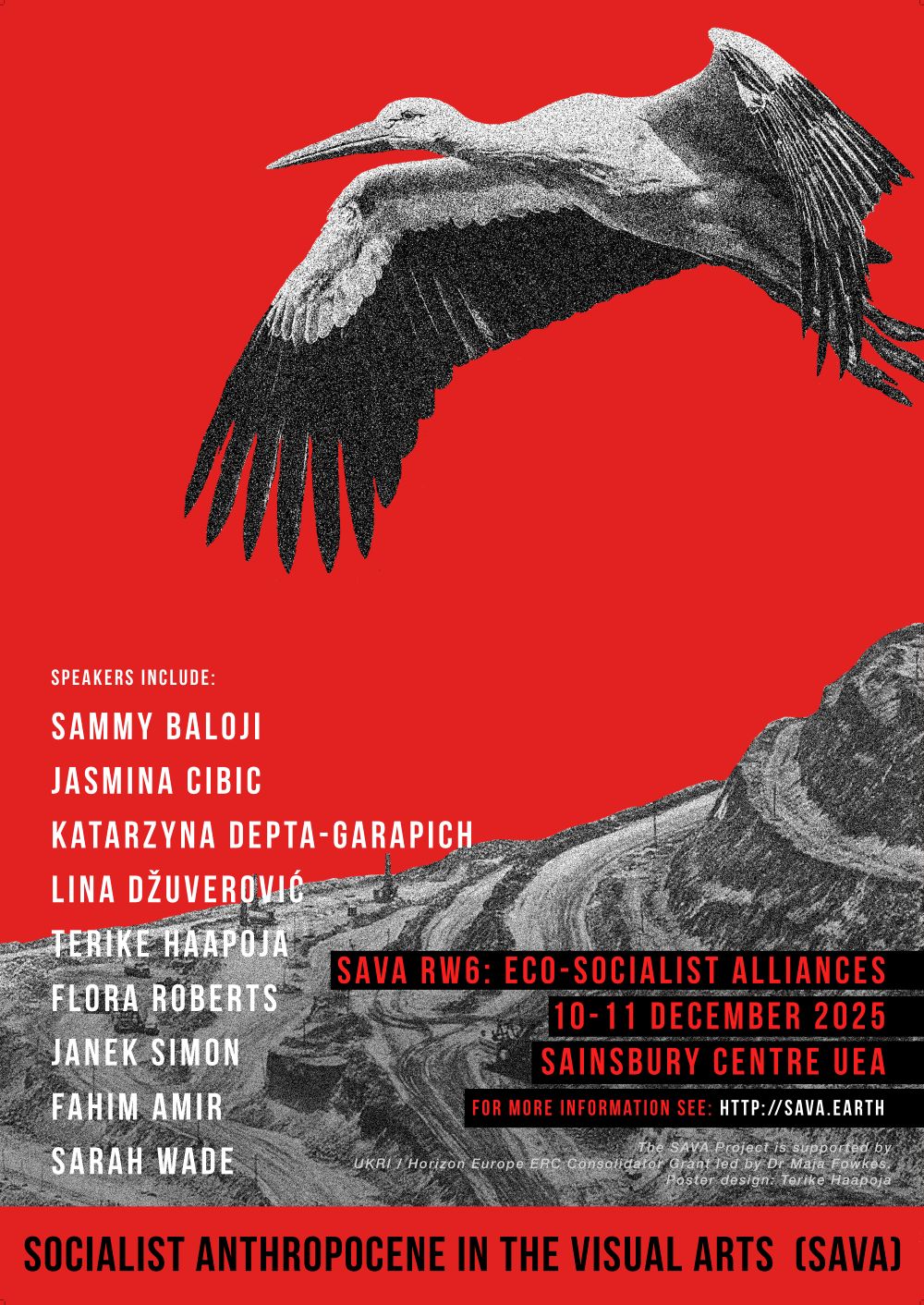
SAVA Research Week VI: Eco-Socialist Alliances

The sixth SAVA Research Week on Eco-Socialist Alliances introduces the fourth SAVA annual theme on Species under Socialism, which considers biodiversity and extinction, the treatment of wild and domestic animals, socialist zoos, attitudes to industrial farming and hunting, as well as beyond-human mobility in the Socialist Anthropocene, socialist solidarities with the more-than-human and counter-histories of animal resilience and revolt.
Over two days, international scholars, curators and artists will come together for workshops and presentations on topics of Beyond-Human Socialisms, with an additional focus on the Ecologies of African Socialisms, reflecting the expanded geographies of the Socialist Anthropocene.
Public events
Workshops
Speaker biographies
Documentation
Programme
Public presentations are held in the Sainsbury Centre Lecture Theatre. If you would like to participate in one of the workshops, please contact sava@uea.ac.uk.
Public events
Wednesday 10 December 2025
14.30-16.15 SAVA Panel on the Beyond-Human
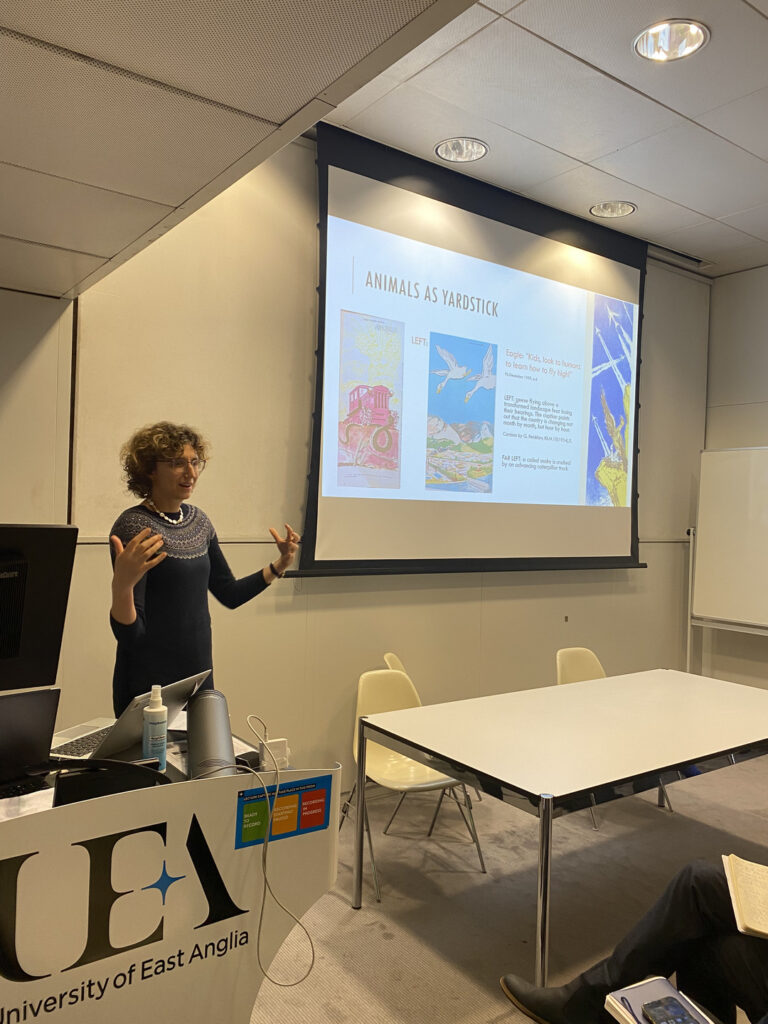
This panel discussion explores the animal histories and visual cultures, examining how different species were caught up in and also helped shape the course of the Socialist Anthropocene, and asking how contemporary artists have taken the side of non-human terrestrials.
Moderated by Maja and Reuben Fowkes (SAVA UEA).
Animals, Rebellion, and Memory between Kabul and Vienna
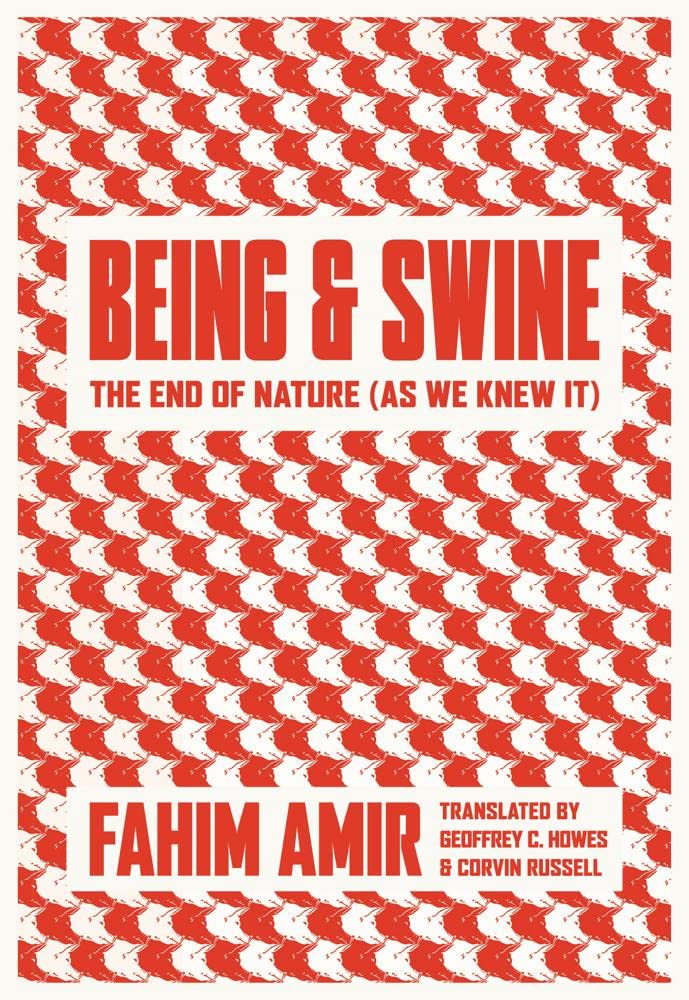
Fahim Amir
This presentation revisits key ideas from Being & Swine to consider how animal life and political memory unfold across conflicted modernities shaped by Cold War histories. Brief reflections on Afghanistan as refracted through translation and omission open a space to rethink more-than-human worlds beyond established narratives.
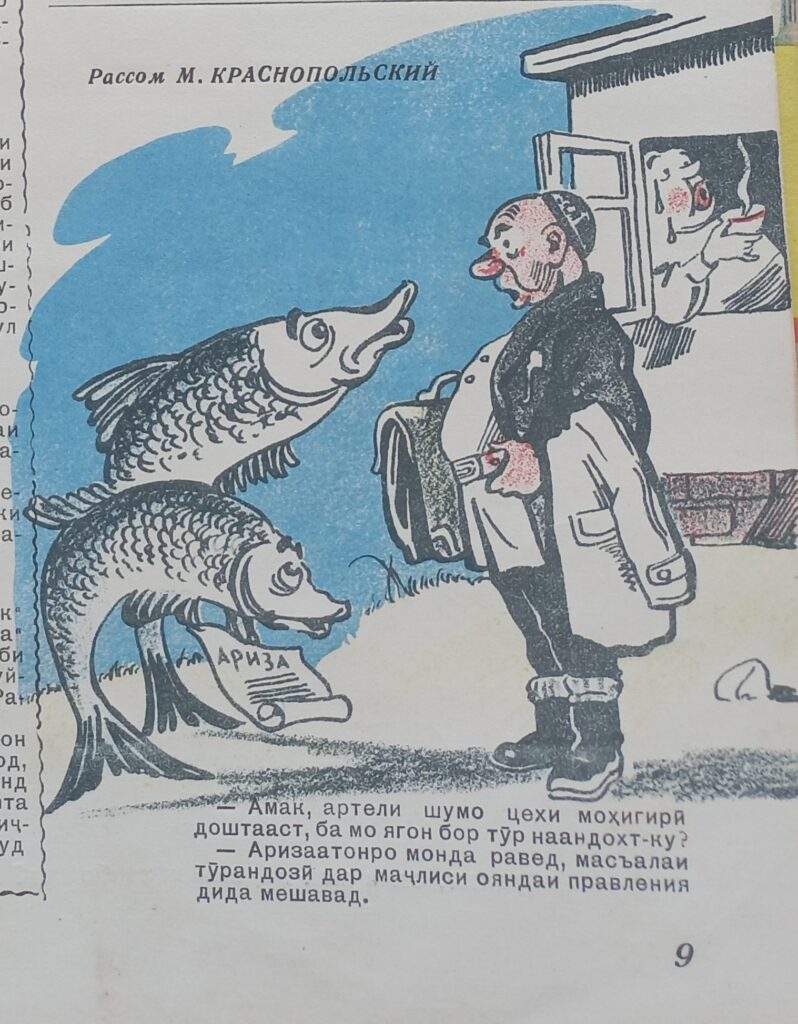
Cartooning against Ecocide? Imagining more than human socialisms in Tajik graphic satire
Flora Roberts
This presentation will explore portrayals of the natural and more than human world in the Tajik satirical magazine Khorpushtak (‘The Hedgehog’) published between the 1950s and the 1980s. How were human-animal relations represented under socialism in Tajikistan and to what extent were animals and plants used as vehicles to critique or subvert orthodox visions of environmental regimes?
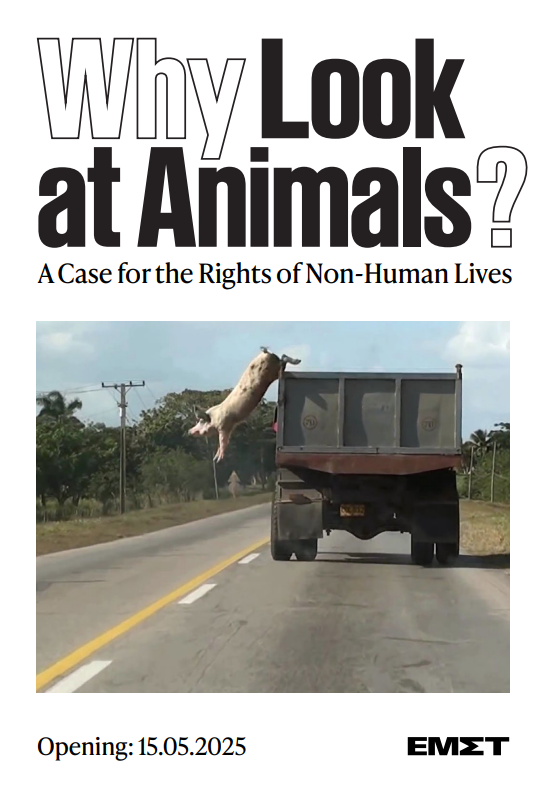
Why Look at Animals? Some reflections of human-animal relations in art and exhibitions
Sarah Wade
This exploratory presentation shares some insights from my ongoing research into human-animal relations in contemporary art and exhibitions, framing these discussions within the context of John Berger’s influential yet critiqued essay ‘Why Look at Animals?’ (1980) and the contemporary art exhibition of the same title currently on display at EMΣT, the national museum of contemporary art, Athens.
Thursday 11 December 2025
12.00 Special screening of Aequare: The Future that Never Was by Sammy Baloji
Followed by a Q&A with the artist led by Reuben Fowkes (SAVA UEA)
SAVA Creative Fellow Sammy Baloji’s 2023 film Aequare: The Future that Never Was focusses on the rainforest around the town of Yangambi and illuminates the legacy of colonialism and the ecological destruction it has caused.
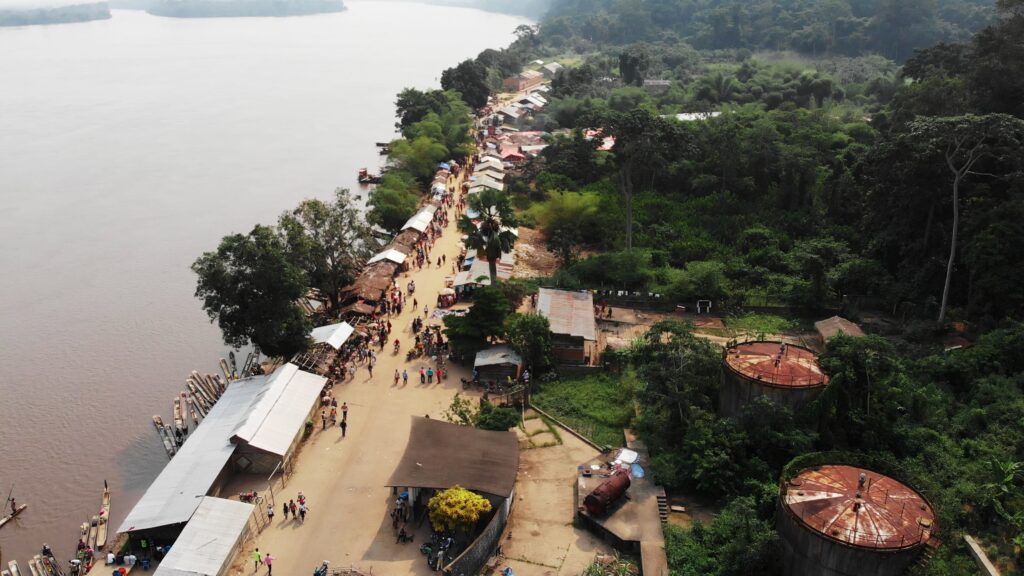
The tropical rainforest region in the Congo is the second largest in the world and has a central role to play in the regeneration of the planet’s atmosphere. Juxtaposing archival clips of a climate study centre from the colonial period and recent shots of its contemporary successor, and the film offers a powerful critique of science’s allegiance to capitalism and colonialism.
17.00 Presentation by artist Jasmina Cibic on Gift Ecologies
The talk will examine the concept of political gifting of culture and nature – as both a historical framework and an artistic methodology. It traces how Yugoslavia’s socialist system mobilised gifts—material, symbolic, and diplomatic—as instruments of social cohesion, soft power, and transnational alliance.
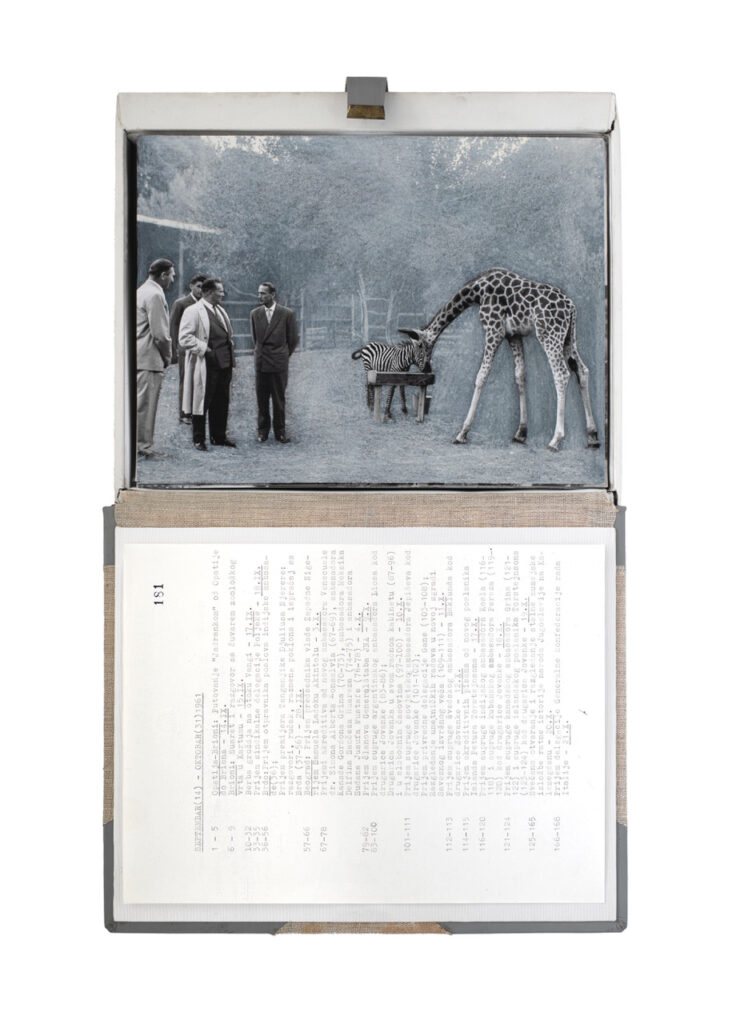
Brioni Island), 2025. Courtesy of the artist.
Within this context, the Brioni island menagerie emerges as host organism and replica of the non-aligned world, where animals functioned as tokens of connection between Yugoslavia and the Non-Aligned Movement. The presentation then expands this logic of exchange into the realm of scientific naming and cultural production, considering how acts of naming operate as irreversible gifts that imprint political narratives onto ecological worlds.
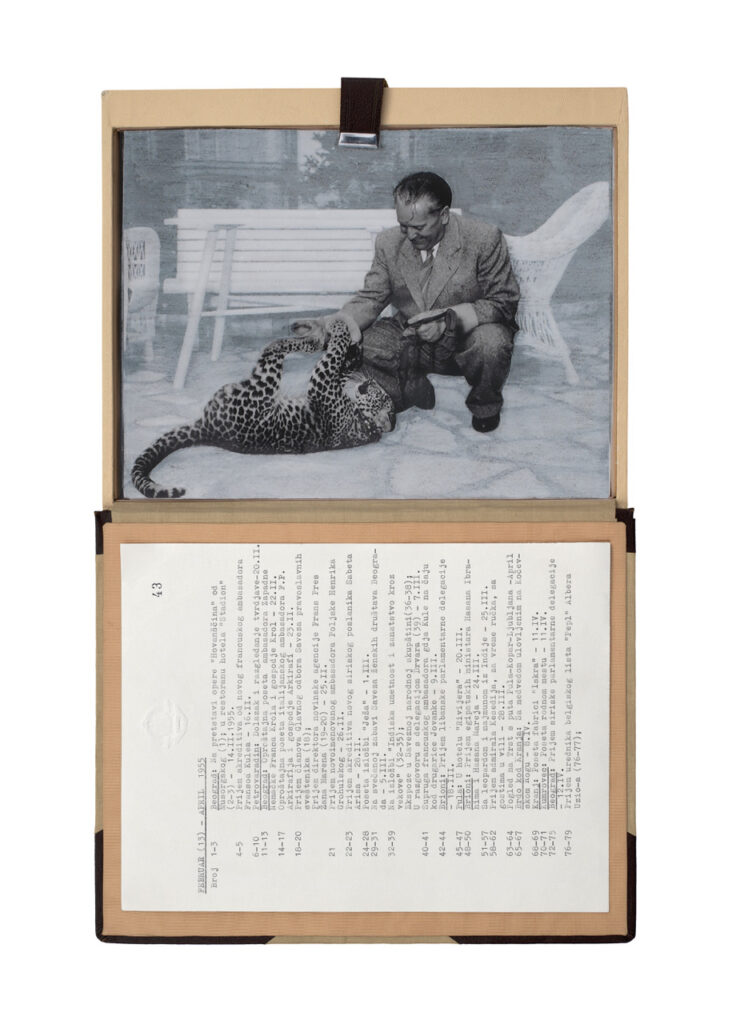
Finally, it turns to the artist’s recent explorations of emotional and material reciprocity, where gestures of care propose alternative forms of exchange. Across these interconnected registers, the talk positions gift ecologies as a feminist strategy for re-worlding, shifting attention from systems rooted in authority and permanence toward evolving structures of mutual responsibility and imaginative solidarity.
Introduced by Maja Fowkes (SAVA UEA).
Workshops
Wednesday 10 December 2025
11.00 SAVA Introduction
An introduction to the Socialist Anthropocene in the Visual Arts and the theme of the Research Week with Maja Fowkes and the SAVA Team.
12.00 Workshop on Multispecies Resistance
Led by artist Terike Haapoja
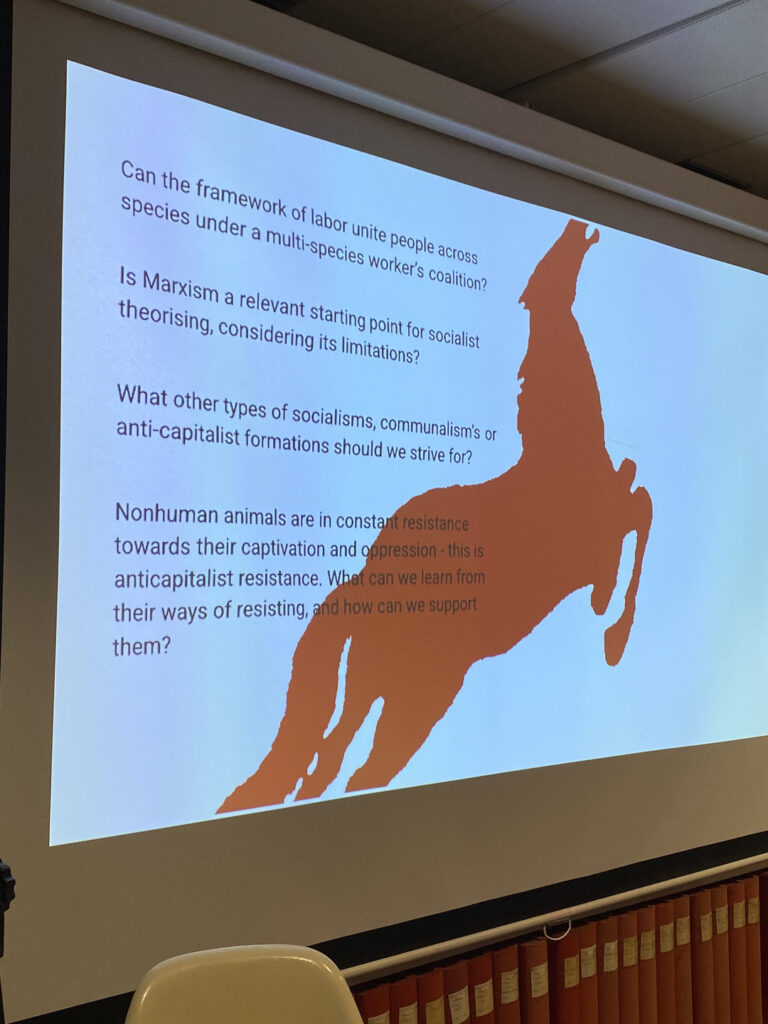
Terike Haapoja will introduce her project Animal Capitalism as a lens through which to view how capitalism harnesses the capacities of nonhuman animals for value accumulation, and uses animalization as a mechanism for constructing labour regimes.
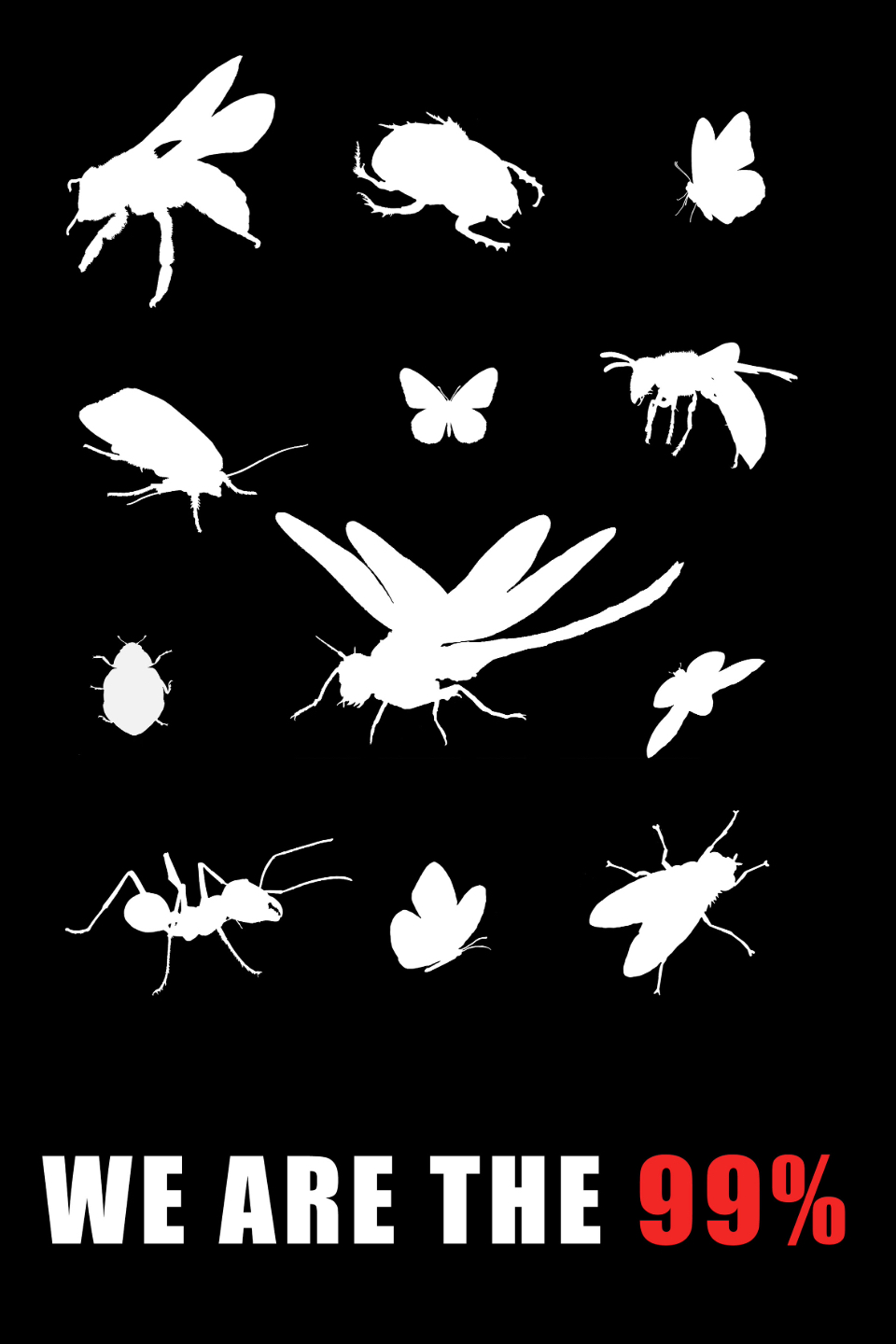
Participants in the workshop are invited to imagine how we can support multispecies anti-capitalist resistance and learn from nonhuman ways of resisting; how to build a vocabulary for amultispecies socialism; to identify points of contact as well as points of friction between human and nonhuman struggles, and to develop an outline for multispecies socialism that recognises nonhuman animals as part of the working class.
Introduced by Sorcha Thomson (SAVA UEA).
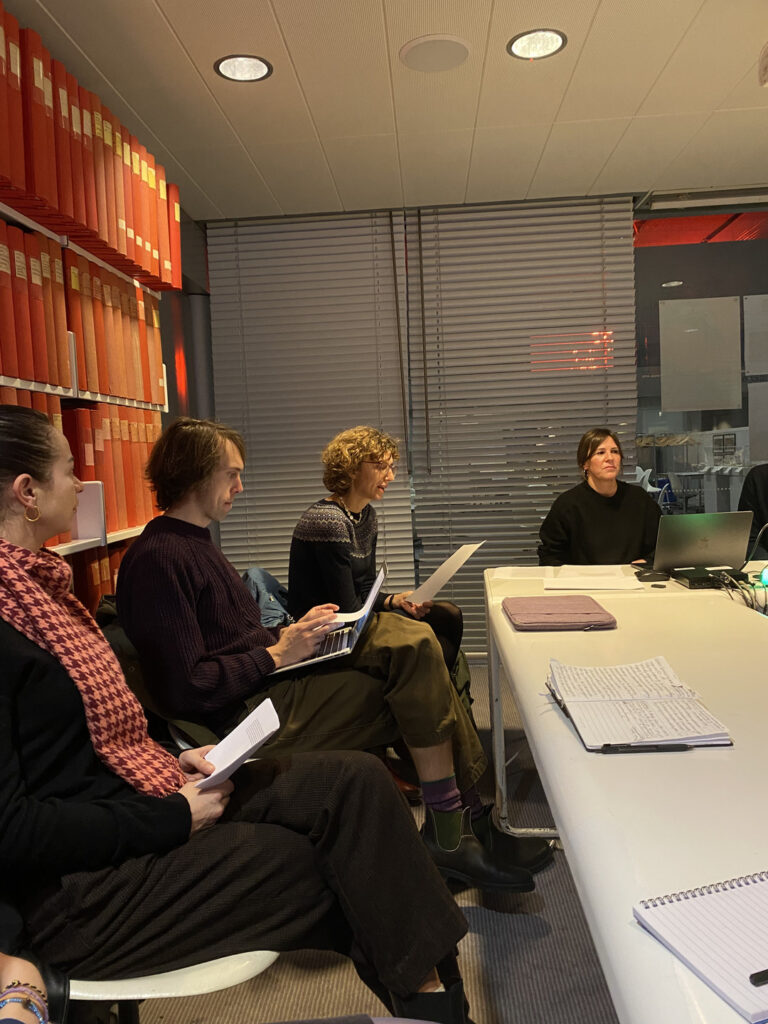
16.30 Workshop on Carpathian Bears as Transboundary Beings
Led by artist Katarzyna Depta-Garapich
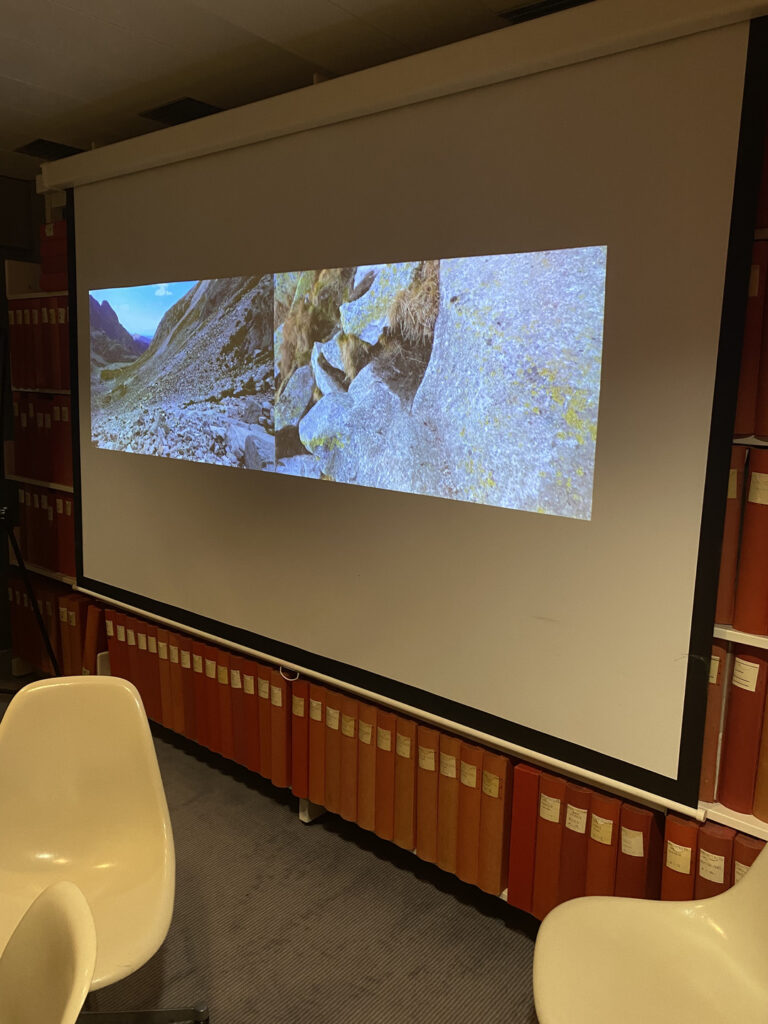
This session will explore the place of brown bear (Ursus Arctos) in the development and creation of National Parks in Carpathian regions of socialist countries just after WW2.
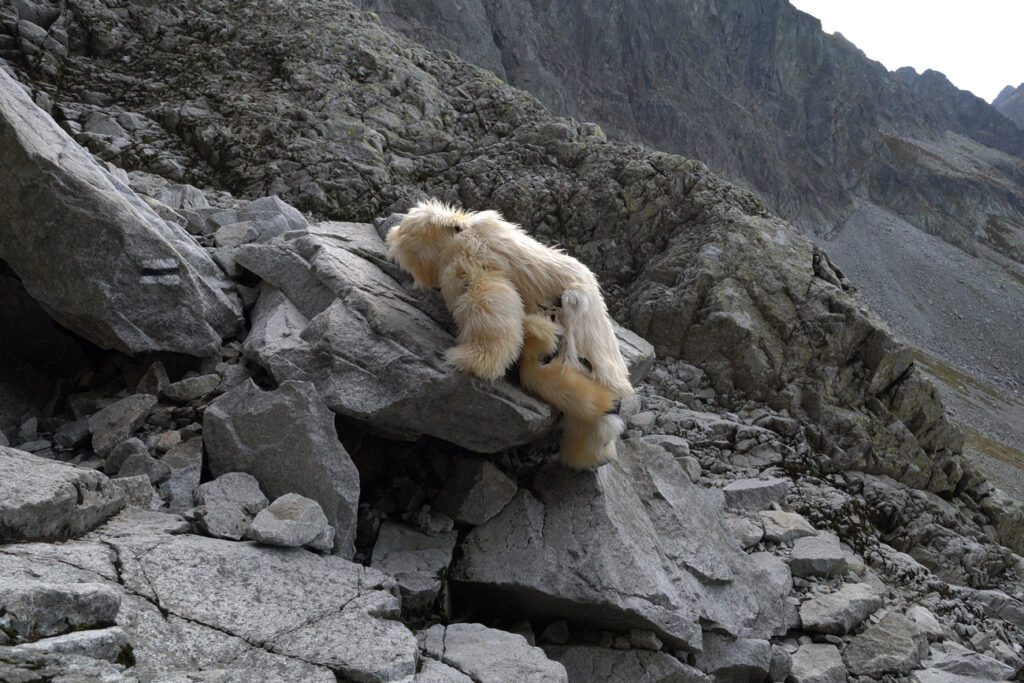
Brown bear’s transnational trajectories will be contrasted with the emergence of new political hard borders framework, while the re-introduction policies towards this species in Poland (Tatra National Park established in 1954) show that local specificities around the liminal nature of the bear also matter.
Introduced by Makar Tereshin (SAVA UEA).
Thursday 11 December 2025
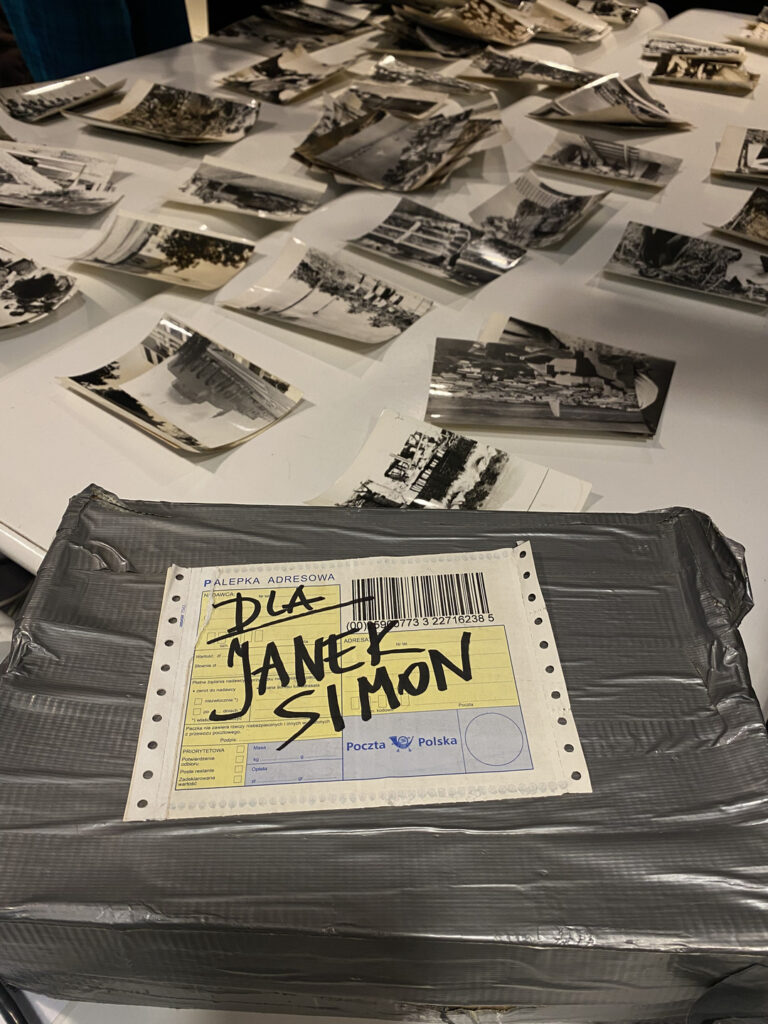
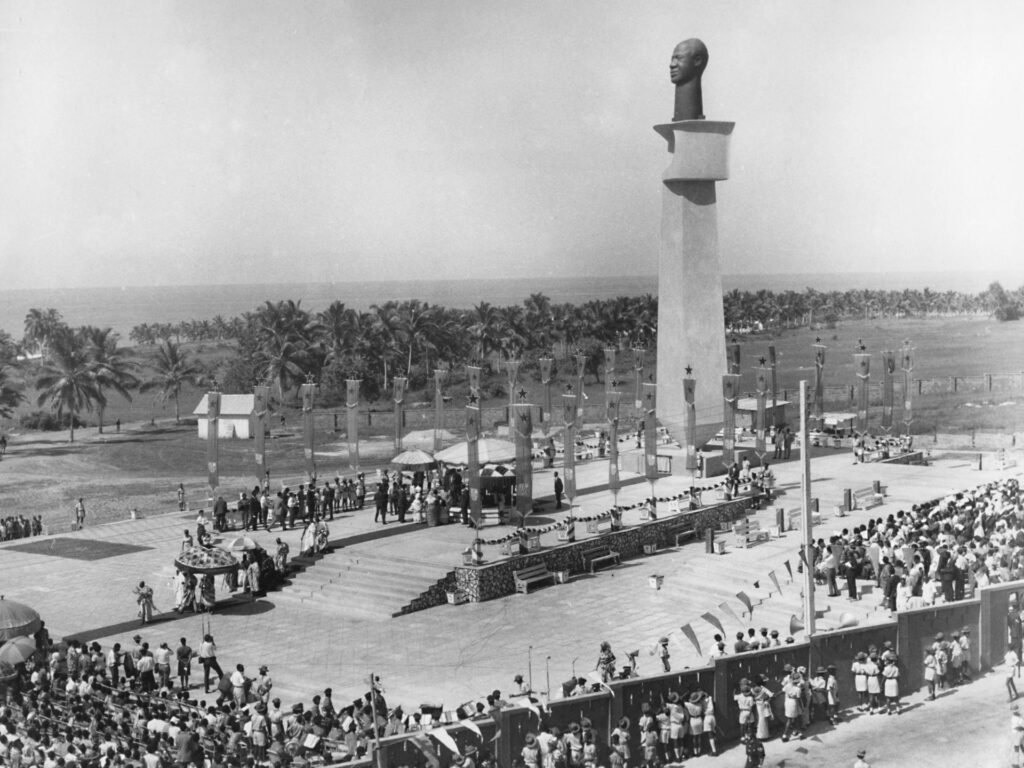
10.30 Workshop on One Man does not Rule a Nation
Led by artist Janek Simon
The official slogan of Kwame Nkrumah was: “Forward ever, backward never,” however, in order to move forward, one must first go back to history and local heritage – especially if it has been forgotten in official narratives. Investigating the close cooperation between Poland and Ghana in the early 1960s, this research recovers the history of Alina Ślesińska’s Sword Monument to the African revolutionary leader.
Introduced by Makar Tereshin (SAVA UEA).
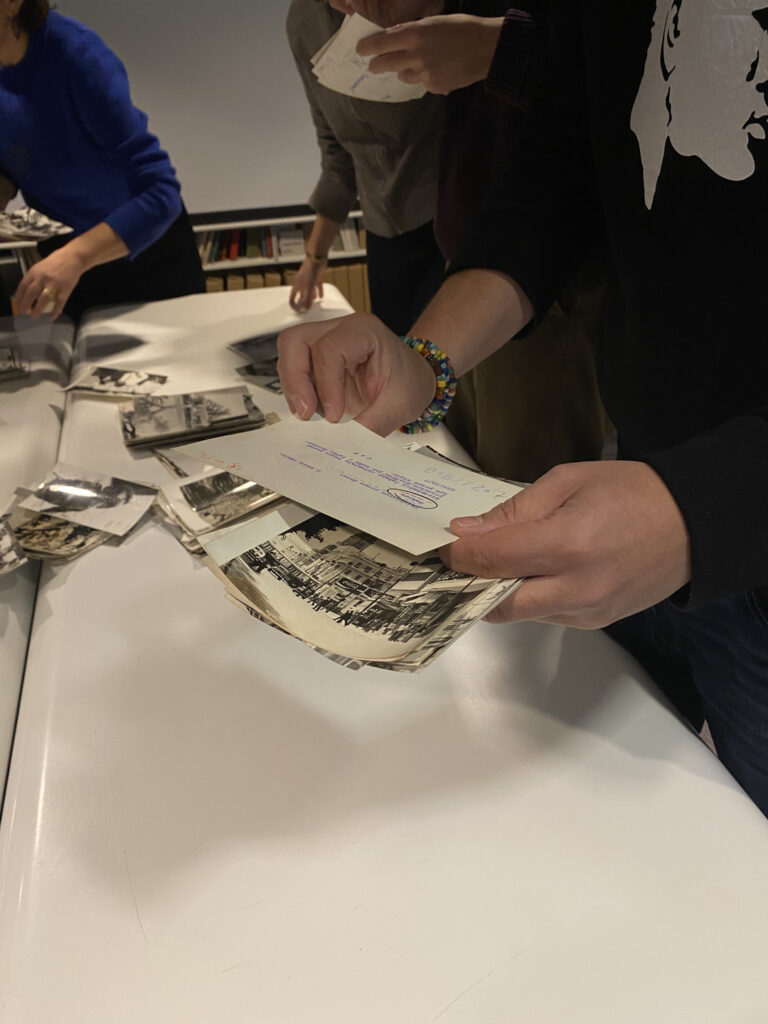
14.00 Workshop on NAMSA: A Feminist Lens on Liberation Movements through Print Material
Led by Lina Džuverović
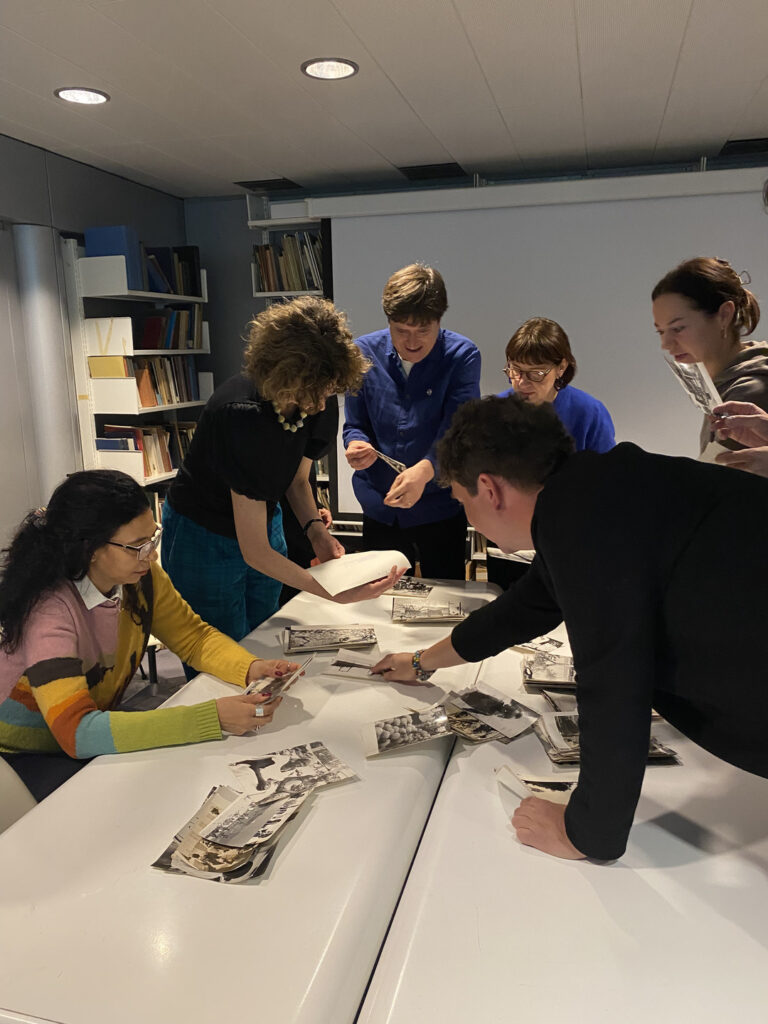
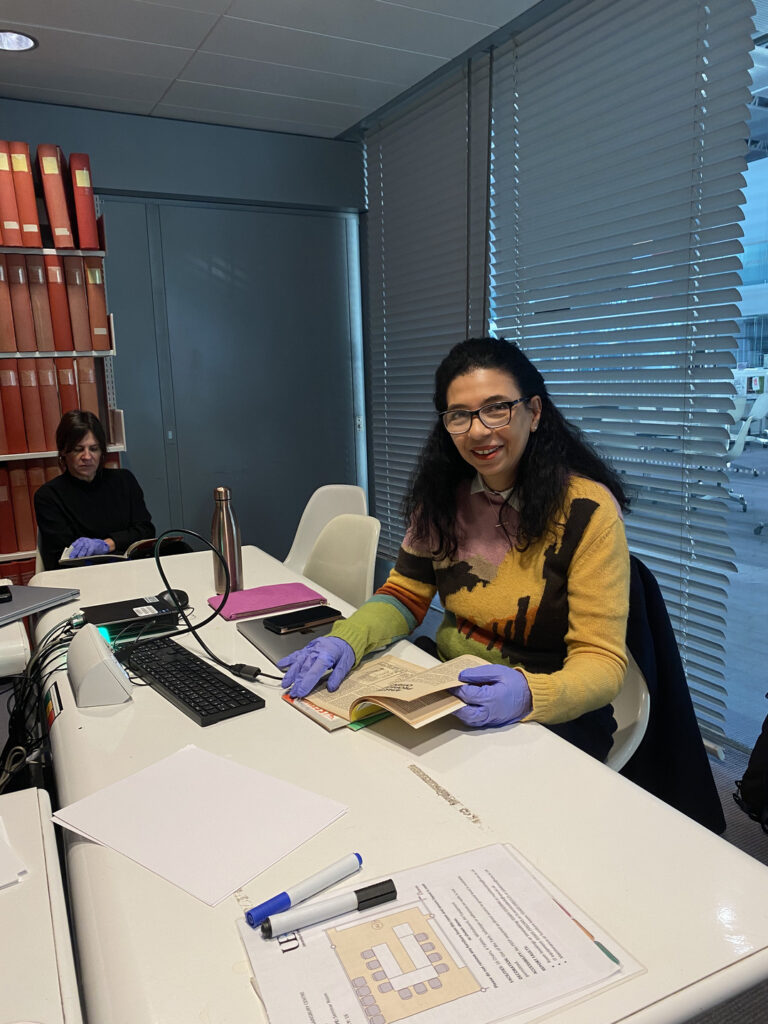
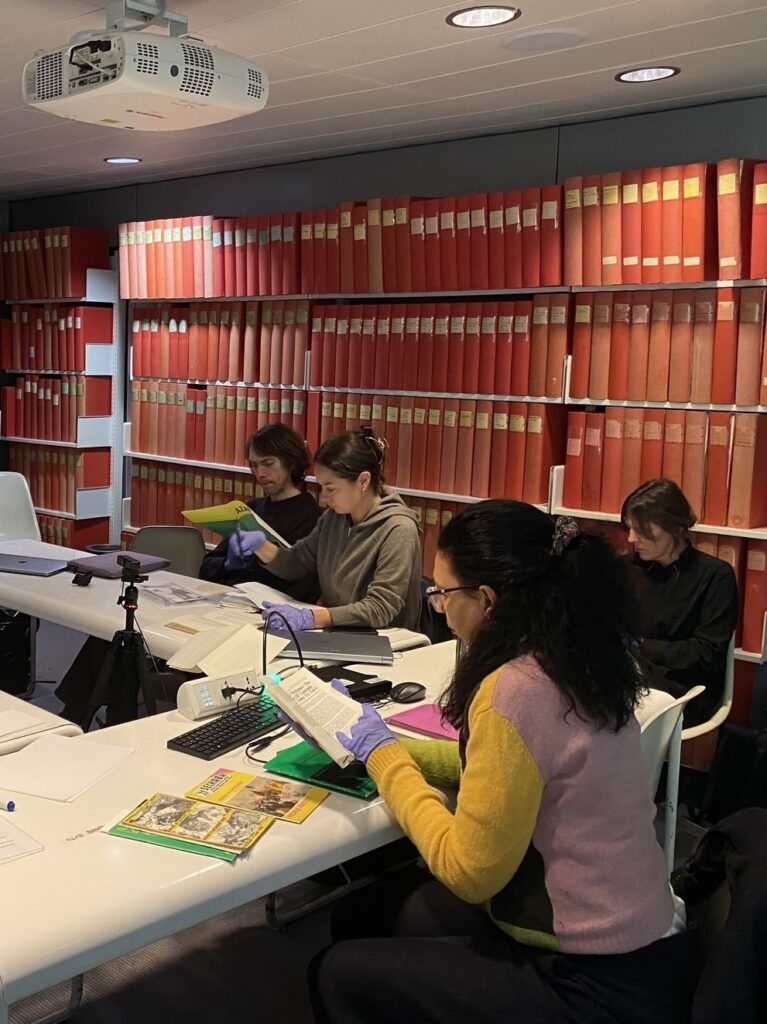
In this 90-minute workshop, participants will perform a close reading of selected materials from the Non-Aligned Movement Solidarity Archive (NAMSA), a personal archive of the Yugoslav political worker Olja Džuverović.
Olja Džuverović (1947 – 2006) was a political worker and activist who worked for the Commission for Assistance to the Liberation Movements at the Socialist Alliance of the Working People of Yugoslavia (SSRNJ) in 1970s and 80s, and later as a diplomat in a number of African countries.
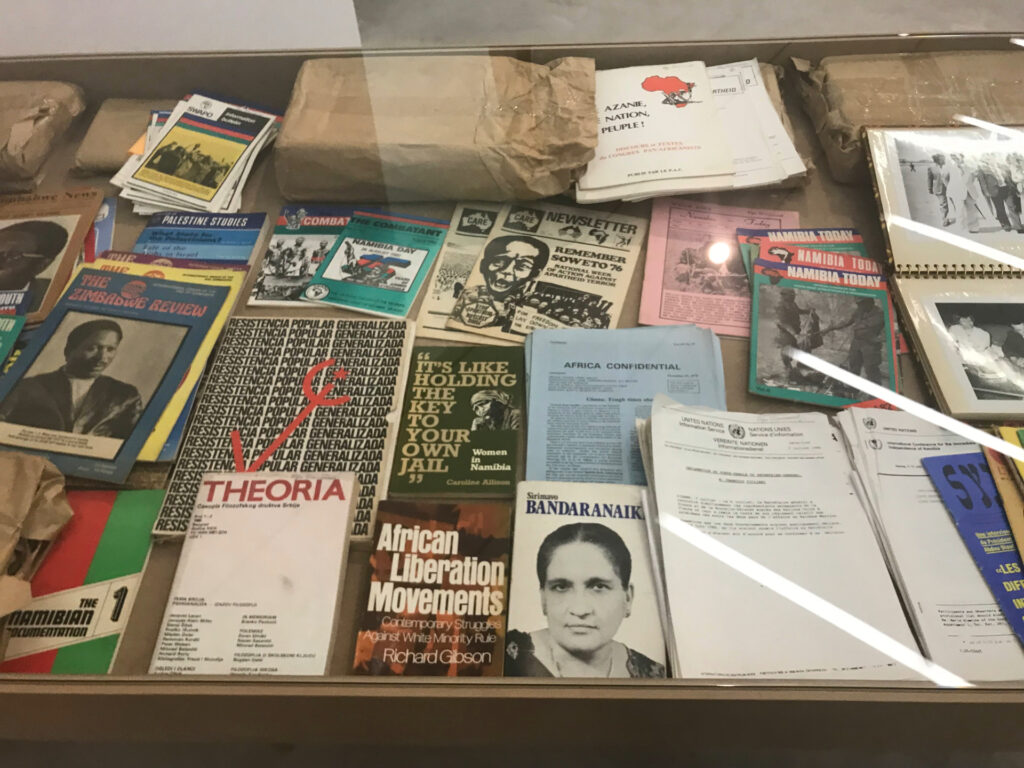
The archive documents Yugoslav political relations with Sub-Saharan African countries during the period of decolonisation, in particular focussing on the country’s relations with Zimbabwe, Namibia, South Africa, Tanzania and Angola. The workshop aims to delve into the often overlooked role of women in the movement. We will look at Azania News, SWAPO bulletins, Sechaba, ANC News, Namibia Youth and others.
Introduced by Sorcha Thomson (SAVA UEA).
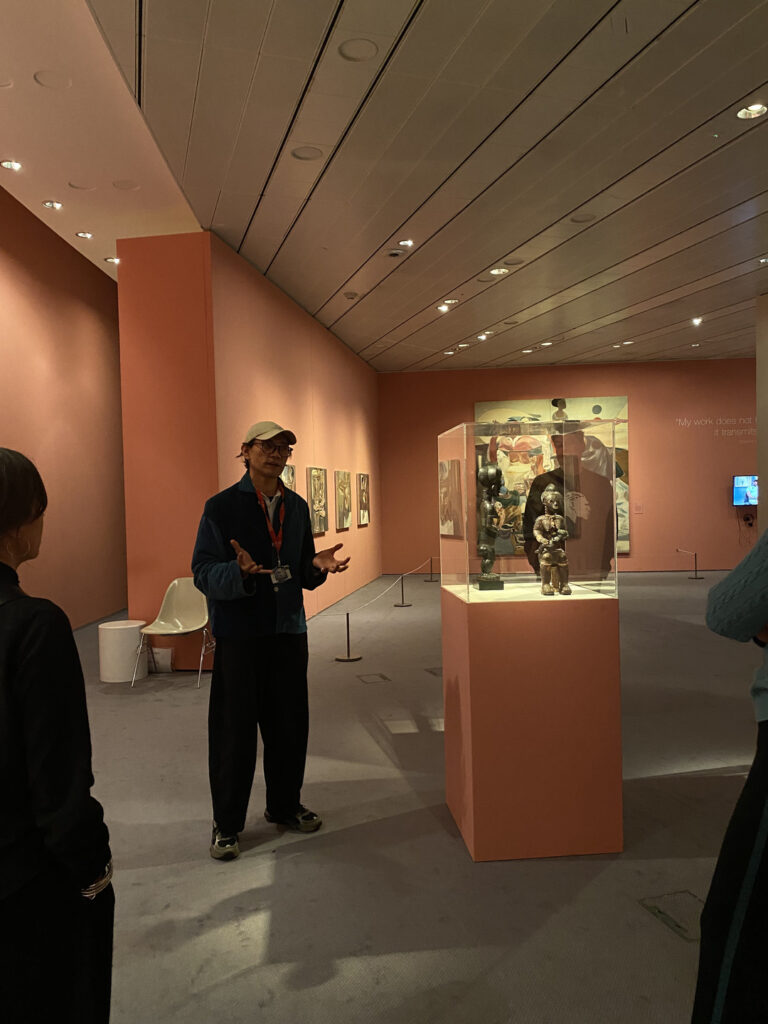
16.00 Visit to the exhibition Roots of Resilience by Ethiopian artist Tesfaye Urgessa
Shaped by themes of geographical displacement and migration, internationally acclaimed Ethiopian artist Tesfaye Urgessa creates powerfully visceral paintings that interrogate the politics of war, race and identity. Following a residency with the Sainsbury Centre, this new series of paintings has been created in dialogue with the museum’s collection.
Speaker biographies
Sammy Baloji is a photographer, visual artist and filmmaker living between Lubumbashi and Brussels. His work explores the colonial history of the Democratic Republic of Congo under Belgian rule, and its lasting ecological impact and entanglements into the present, with a particular focus on the cultural, architectural and industrial heritage of the contested and resource-rich region of Katanga. Drawing on archival records, personal testimonies and scientific analysis, he examines the enduring legacy of colonial extractivism, underscoring its human, more-than-human and environmental consequences whilst urging a reassessment of our relationship with the planet. He has exhibited in Athens, Brussels, Florence, London, Moscow, Sydney, Toronto, and at the Venice Biennale and Documenta 14 amongst other places.
Jasmina Cibic is a Slovenian artist whose interdisciplinary practice spans film, installation, performance, and photography. Her work explores how culture is instrumentalised by the state as a tool of soft power, particularly during periods of political or ideological crisis. Through research-driven projects that weave together archival material, political rhetoric, and allegorical staging, Cibic reveals the complex intersections of art, architecture, gender, and national identity. Often assuming a dual role as both analyst and storyteller, she constructs seductive visual narratives that reflect—and critique—the strategies of cultural diplomacy. Cibic represented Slovenia at the 55th Venice Biennale and has presented solo exhibitions at institutions including macLyon, Museum of Contemporary Art Belgrade, CCA Glasgow, Belvedere 21 Vienna, MG+MSUM Ljubljana, and in group exhibitions including at MOMA New York, MAXXI Rome, IMMA Dublin, the Chicago Architecture Biennial.
Dr. Lina Džuverović is a curator and academic based in London. She is the Course Leader of the MA Curating and Collections at Chelsea College of Art, University of the Arts, London. Her current research centers on explorations of gendered divisions of labour within art collectives under the umbrella project And Others: The Gendered Politics and Practices of Art Collectives. She was one of three lead curators of the 60th October Salon (2024), Belgrade, Serbia, a major biennial exhibition. She has curated and co-curated exhibitions including: “Monuments Should Not Be Trusted” (Nottingham Contemporary, 2016), Sanja Iveković – “Unknown Heroine” (South London Gallery/Calvert 22, 2012), and the 5th Nordic Contemporary Art Biennial (Norway, 2009). She has worked for Birkbeck, University of London and University of Reading as well as held curatorial and Artistic Director roles in several UK institutions.
Terike Haapoja is an interdisciplinary visual artist. Her large scale installations, writings, and collaborations explore the possibility of nonviolent coexistence across differences, with a specific focus on multispecies politics. While rooted in environmental thought and drawing from critical animal studies and posthumanism, Haapoja’s work is in dialogue with intersectional feminist and post-colonial discourses, critically reflecting on structures of exclusion that emerge from Western traditions. Haapoja is currently working on a long term project ‘[Against] Animal Capitalism’ that seeks to build a foundation for a multispecies left politics. She is the co-editor of seven publications on art and politics/environment, and her work has been exhibited widely in solo and group shows internationally. Haapoja represented Finland in the 55th Venice Biennale with a solo show in the Nordic Pavilion.
Janek Simon is a conceptual artist and an occasional curator based in Warsaw. The main motivation behind his work is curiosity. On a more concrete level he is inspired by travel, history of science and political ideas, and the practice and ethics of the DIY culture, always filtering the theories through his personal experience though. In recent years he developed a body of work investigating notions of distance and difference between places, working on projects that try to remap the semi-peripheral position of Eastern Europe through geographical experiments. His works was shown, among others, at Manifesta 7, Liverpool Biennale, Prague Biennale, and numerous individual exhibitions in major public art institutions in Poland and elsewhere (Arnolfini Bristol, Casino Luxembourg, Zacheta National Gallery of Art in Warsaw, CSW Zamek Ujazdowski and others).
Kasia Garapich is a visual artist born in Poland, living and working between London and Kraków. She works across various media including sculpture, performative gestures and video, site specific installations and drawing. In 2025, Kasia received a practice-led PhD from the Slade School of Art for a project in which she made a white bear costume and climbed the most difficult trail in the High Tatras, retracing routes used by brown bears, a local endangered species. As part of the project, she created a white bear costume and climbed the most difficult mountain trail in the High Tatras, retracing routes used by endangered brown bears. The costume references the tourist-entertainment white bear mascot in Zakopane, which obscures the presence of real bears. Kasia’s work has been shown in numerous institutions, including the Museum of Modern Art in Warsaw, the Zachęta National Gallery of Art Project Room, the Tatra Museum Zakopane, Watermans Art Centre, and the Freud Museum London.
Prof. Fahim Amir is professor of philosophy at the University of the Arts Bremen, living in Vienna and Bremen. Amir’s research focuses on nature, culture and colonial historicity, art, utopia, and cohabitation. Amir was the curator of live art festival Occupy Species (Kampnagel Hamburg, 2013), of the art exhibition Utopian Flares (Secession Vienna, 2014), and of the symposium Excess. Forum for Philosophy and Art (International Summer Courses Darmstadt, 2016). He coedited the publications Transcultural Modernisms (Sternberg Press, 2013) and Ultramarin (Afghanistan) (Verlag Forum Stadtpark, 2025). His book Schwein and Zeit (Being and Swine, Edition Nautilus, 2018) was included in the Top Ten list of the best non-fiction books by Die Zeit and ZDF, was shortlisted for Prix littéraire François Sommer, and elected by Goethe Institute and Frankfurt Book Fair as one the best books of the year.
Dr. Flora Roberts is an Assistant Professor of Environmental History at Utrecht University. She is a leading member of Utrecht’s Network for Environmental Humanities at UU, and has developed a new minor in Environmental Humanities. In her teaching, which ranges from the cultural history of Russian Empire to the environmental history of (un)natural disasters, she also seeks to make space for students to build climate and social resilience beyond the classroom. To this end, she has established the Biophilia group, for students who meet regularly for gardening and rewilding initiatives to foster more sustaining human & more than human relations on our campus. Her research focuses on the environmental history of Soviet Central Asia; she has published on building socialism through large infrastructure projects, and is currently feeling her way to a new research project on socialist and indigenous forms of nature connectedness.
Dr. Sarah Wade is an art historian and Associate Professor in Museum Studies at University of East Anglia, UK. Her research focuses on human-animal relations and representations of wildlife in contemporary art, exhibitions and museum display, particularly concerning ecological issues. Sarah holds a PhD in History of Art from UCL and has published widely on extinction and wildlife conservation issues in artistic and curatorial practice. She is co-founder of the ‘Curating the Sea’ research project, which has resulted in a special issue of the Journal of Curatorial Studies (2020), the book Oceans: Documents of Contemporary Art (MIT Press/Whitechapel Gallery, 2023) and the exhibition Sea Inside (Sainsbury Centre, UK, 2025). Over the years, Sarah has worked with various museums and heritage organisations in research, project management and curatorial capacities and continues to collaborate with museum colleagues on research projects and exhibitions.
Dr. Sorcha Thomson is an interdisciplinary historian of twentieth century anti-colonial and socialist movements. She is particularly interested in the role of tricontinental movements and their solidarity networks in shaping global political agendas and imaginations. As SAVA Research Fellow in Global Socialisms, her current project investigates the transnationalism of Cuban agrarian reform between 1959 and the 1970s, a program of land redistribution that transformed the island and its socio-ecological relations.
Dr. Makar Tereshin is a social anthropologist and documentary photographer. He holds a PhD in Social Anthropology from University College London. His research interests concern material culture studies, environmental and visual anthropology. Makar specialises in the ethnographic study of large-scale technological and industrial infrastructures, with a focus on the social, political, and environmental transformations they generate in Russia and Kazakhstan.
Documentation